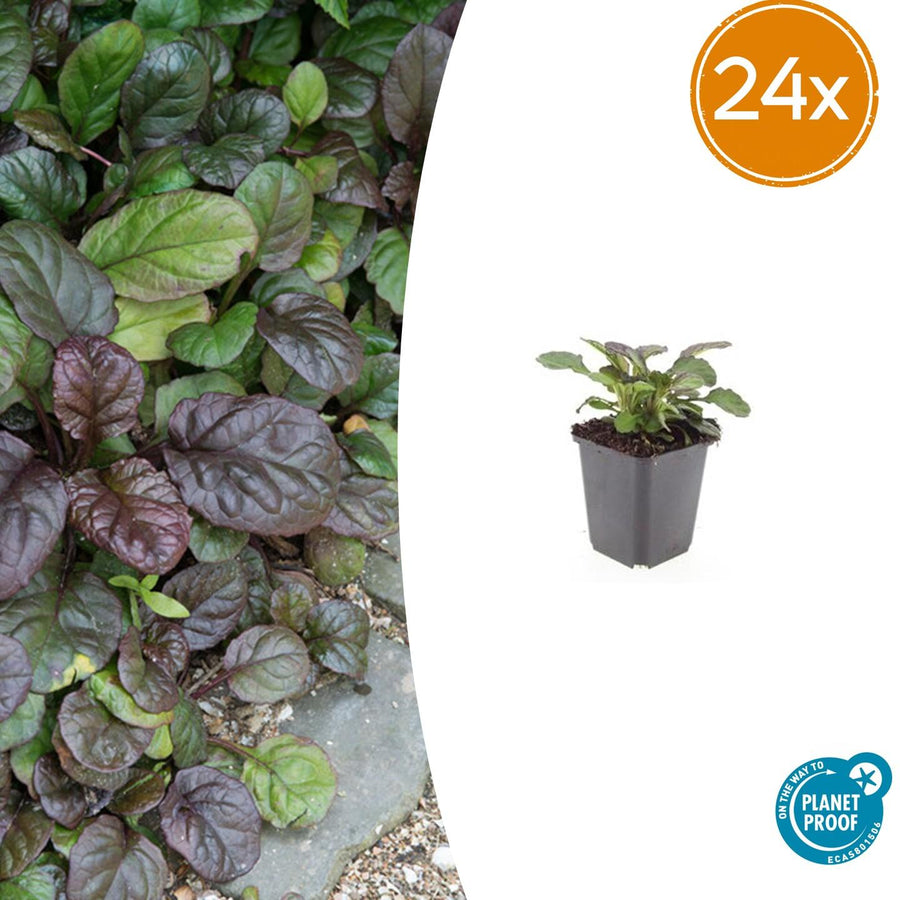
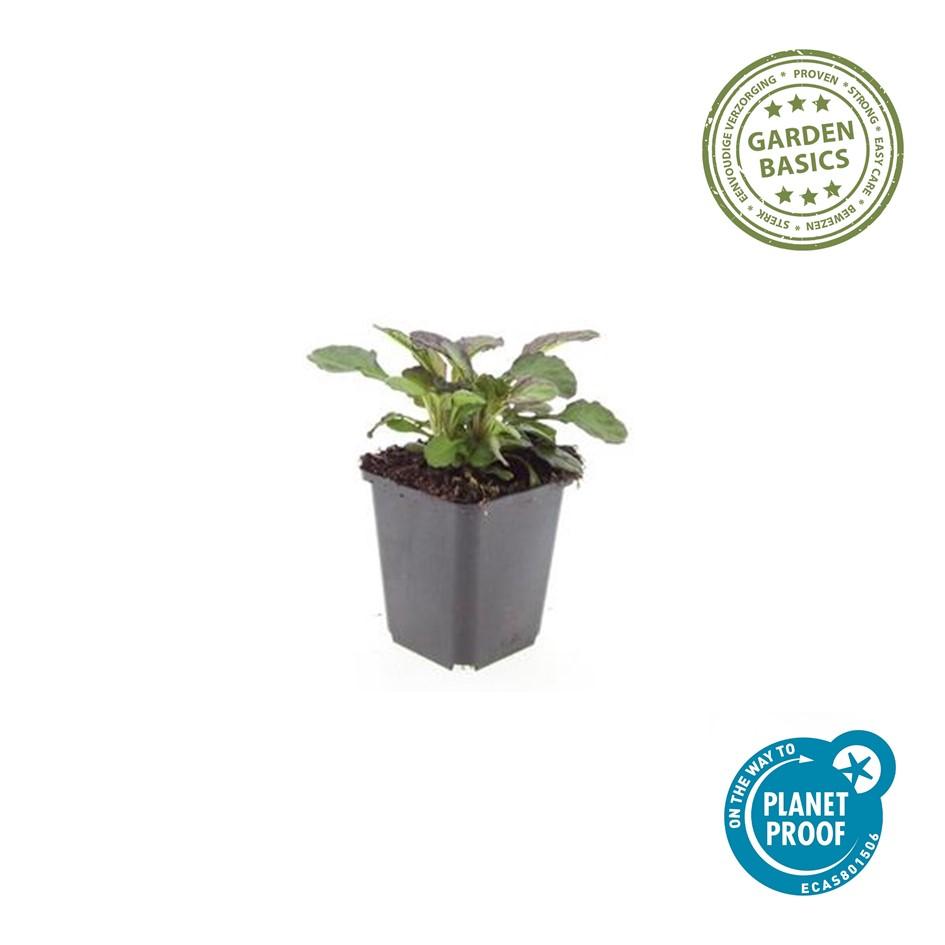
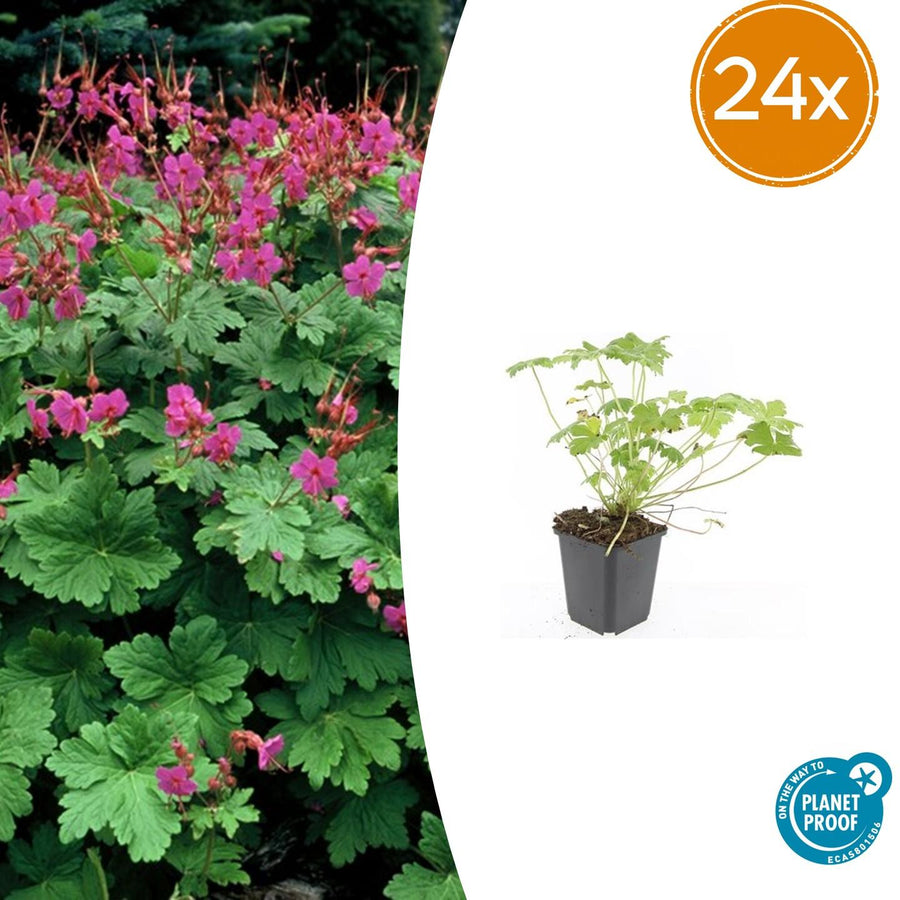
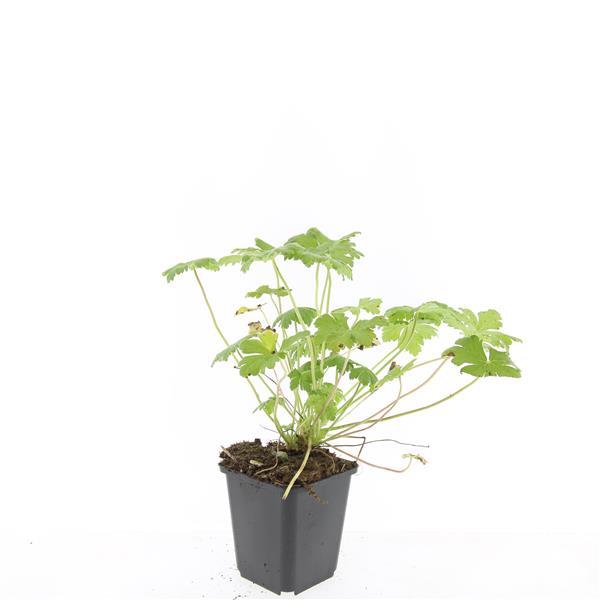
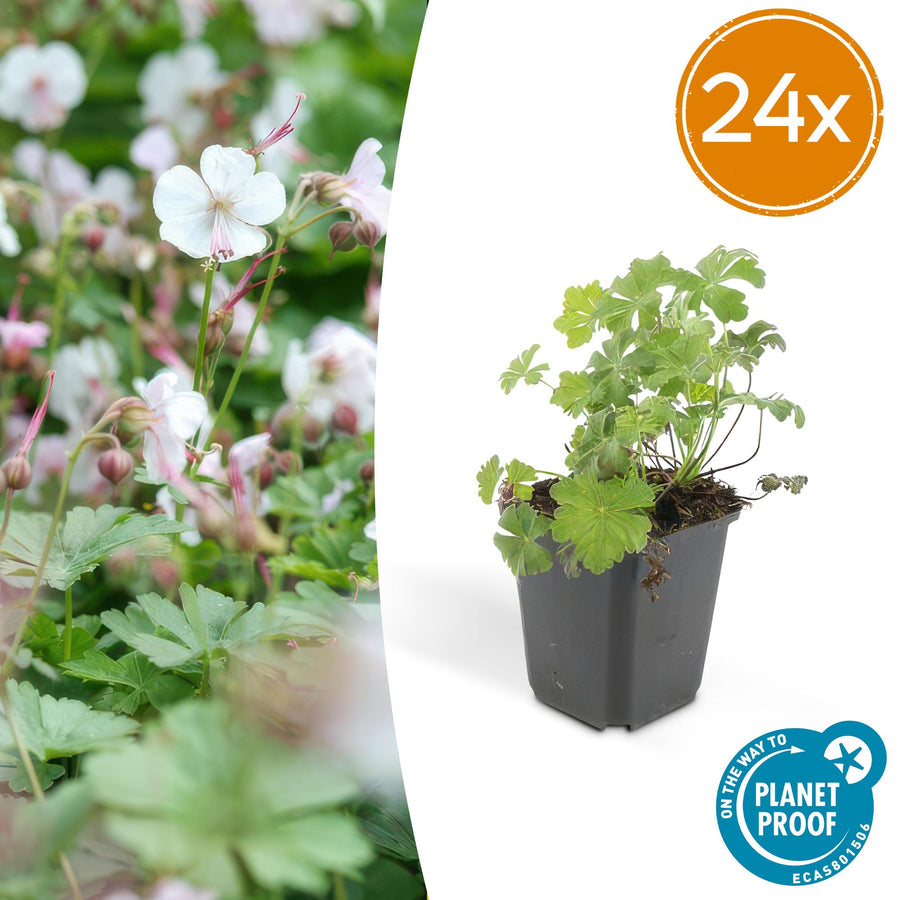
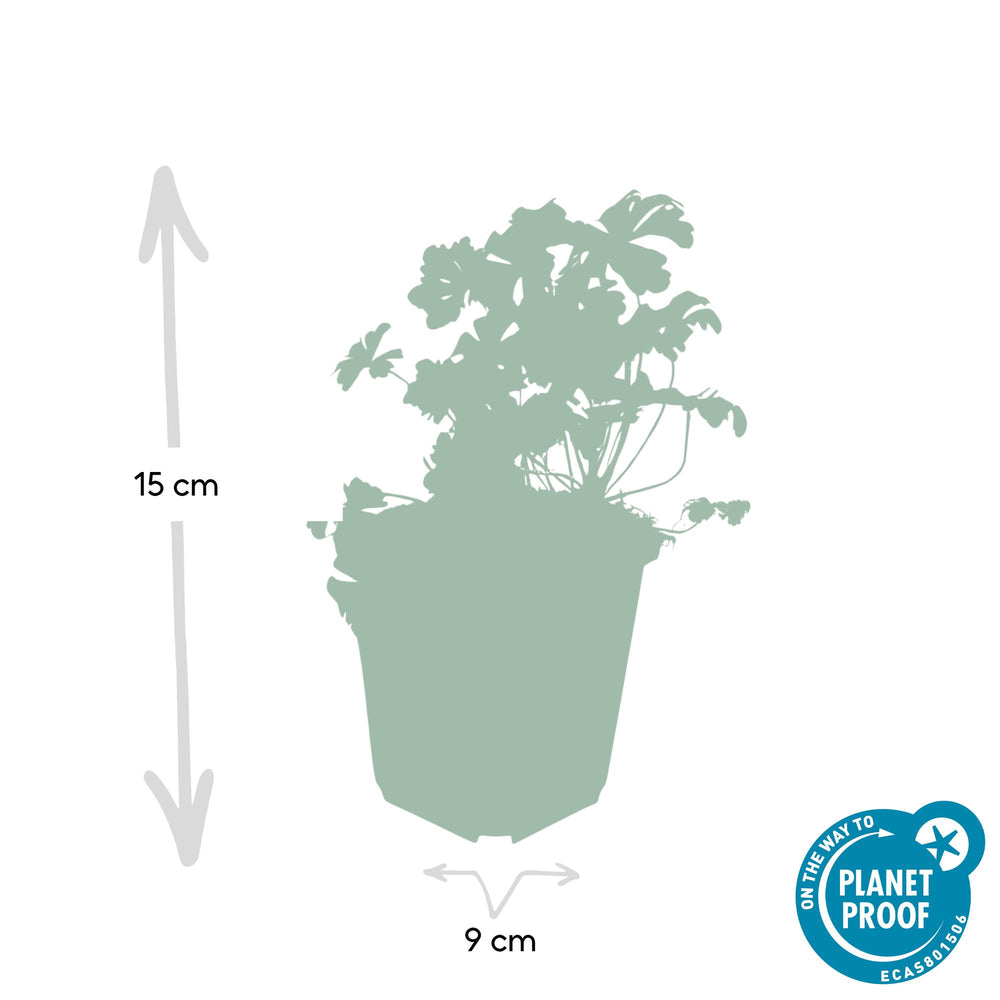
Transform your garden maintenance routine with our carefully curated selection of the best ground cover plants for natural weed suppression. These hardy perennials offer a cost-effective alternative to endless weeding and mulch replenishment, creating dense living carpets that block sunlight, outcompete invasive plants, and enhance your landscape's beauty year after year. Our collection features proven performers including the award-winning Geranium Rozanne with its months-long display of violet-blue flowers, the robust evergreen foliage of Liriope Big Blue, and the rapid-spreading Ajuga Catlin's Giant that quickly forms impenetrable mats in sun or shade. Whether you're covering slopes, filling under trees, edging pathways, or replacing high-maintenance lawn areas, these low-growing perennials establish quickly and require minimal care once settled. Each variety has been selected for its superior spreading habit, dense growth pattern, and proven ability to suppress weeds naturally without chemicals or constant intervention. Available in convenient multi-plant packs of 12-24 plants, you'll have enough coverage to make an immediate impact in your garden while enjoying the long-term benefits of reduced maintenance, improved soil health, and continuous seasonal interest from flowers and foliage. Say goodbye to weekend weeding sessions and discover how these hardworking ground covers can give you back your time while creating a more beautiful, lower-maintenance garden.
Key Takeaways
- Dense ground cover plants suppress weeds by blocking sunlight and competing for nutrients, cutting down the time spent weeding
- Evergreen varieties like Liriope and Ajuga provide year-round weed control while adding visual interest to gardens
- Hardy perennial ground covers establish quickly and spread naturally, creating a living mulch that improves soil health
- Choosing the right ground cover for your light conditions and soil type ensures maximum coverage and minimal weed breakthrough
What should you look for in ground cover plants for weed suppression?
The most effective weed-suppressing ground covers share several critical characteristics that make them superior to traditional mulching methods. First, look for plants with dense, spreading growth habits that create a continuous canopy close to the soil surface—this blocks sunlight from reaching weed seeds and prevents germination. Vigorous growth rate is equally important; plants that establish quickly and fill in bare spaces within one to two growing seasons will outcompete weeds before they can take hold. Evergreen or semi-evergreen varieties provide year-round protection, as deciduous plants leave gaps during winter months when weeds can establish. Root systems matter too—plants with fibrous, mat-forming roots create a physical barrier that makes it difficult for weed roots to penetrate. Additionally, consider low-growing plants (under 12 inches) that spread horizontally rather than vertically, as these create the most effective weed-blocking layer. Finally, choose hardy, low-maintenance varieties adapted to your climate zone that won't require constant care or become invasive themselves.
How do you choose the right ground cover plant for your weed control needs?
- Assess your light conditions: Geranium varieties excel in full sun to partial shade, while Cornus canadensis thrives in shadier woodland settings where many weeds struggle
- Consider your soil type and drainage: Ajuga tolerates various soil conditions and spreads rapidly in moist areas, while Liriope adapts to both dry and moist soils with excellent drought tolerance once established
- Evaluate coverage speed requirements: For quick results, choose fast spreaders like Geranium Rozanne or Ajuga Catlin's Giant that can cover large areas within one season
- Match plant height to your landscape needs: Low-growing options like Geranium Biokovo (6-8 inches) work well under shrubs, while taller varieties like Liriope (12-18 inches) create more substantial borders
- Think about seasonal interest: Select plants offering multiple seasons of appeal—Geranium Czakor provides spring through autumn blooms while Liriope adds purple flower spikes in late summer
- Calculate coverage area: Most ground covers require 6-12 inch spacing; purchasing in larger quantities (20-24 plants) ensures complete coverage and faster weed suppression
Frequently Asked Questions
What is the best ground cover to choke out weeds?
The most effective ground covers for choking out weeds are vigorous, mat-forming perennials that create dense coverage and spread rapidly. Ajuga (Bugleweed), particularly varieties like Catlin's Giant, is exceptional at smothering weeds with its low-growing rosettes and aggressive spreading habit through stolons. Geranium varieties, especially the award-winning Rozanne, combine prolific flowering with dense foliage that blocks light to the soil surface while their fibrous roots compete effectively for nutrients and water. Liriope (Lilyturf) forms thick, grass-like clumps that weave together into an impenetrable mat, making it nearly impossible for weeds to establish. For shaded areas, Cornus canadensis (Bunchberry) creates a beautiful carpet that naturally suppresses weeds in woodland conditions. The key to success is planting ground covers closely enough that they touch within one growing season, typically 6-12 inches apart depending on the variety. Once established, these living mulches require minimal maintenance while providing continuous weed suppression for years, unlike traditional mulch that needs regular replenishment.
What is the best covering to stop weeds?
While both organic mulches and living ground covers effectively suppress weeds, living perennial ground covers offer superior long-term weed control with added benefits. Dense ground cover plants like Geranium, Ajuga, and Liriope create a permanent, self-sustaining solution that improves over time as plants mature and fill in completely. Unlike mulch that decomposes and requires annual replacement, established ground covers maintain their weed-blocking canopy year after year while actually improving soil structure through their root systems. They also prevent weed seeds from blowing in and germinating by eliminating bare soil exposure. For immediate results while plants establish, combine both methods: apply a 2-3 inch layer of organic mulch between newly planted ground covers, then allow the plants to gradually take over as they spread. Landscape fabric beneath ground covers is generally not recommended as it can impede plant spreading and soil health. For pathways and non-planted areas, permeable hardscaping materials like gravel or pavers work well, but for garden beds and slopes, living ground covers provide the most attractive and cost-effective long-term weed suppression.
What is a low maintenance ground cover instead of mulch?
Several low-maintenance perennial ground covers serve as excellent living mulch alternatives that require far less upkeep than traditional wood chips or bark mulch. Liriope (Lilyturf) stands out as one of the most carefree options—this evergreen grass-like plant tolerates drought, poor soil, deep shade to full sun, and requires only an annual trim in early spring to remove old foliage. Geranium varieties like Biokovo and Czakor are equally low-maintenance, offering months of flowers with minimal care beyond occasional watering during establishment. Ajuga Catlin's Giant spreads rapidly to cover large areas and remains evergreen in most climates, needing no deadheading or pruning. Cornus canadensis works beautifully in shaded woodland gardens, requiring virtually no maintenance once established in acidic, moist soil. These living ground covers eliminate the need for annual mulch replenishment, never blow away in wind, don't attract termites, and actually improve soil health by adding organic matter through leaf decomposition and supporting beneficial microorganisms. After the initial investment and one season of establishment care (regular watering), these plants become self-sufficient, requiring only occasional weeding in the first year and minimal intervention thereafter—significantly less work than maintaining mulched beds.
Will creeping thyme choke out other weeds?
Creeping thyme (Thymus serpyllum) does suppress weeds effectively, but its performance varies depending on growing conditions and how it's established. This low-growing, mat-forming herb creates a dense carpet 2-3 inches tall that blocks light to the soil surface and releases aromatic oils that may inhibit some weed seed germination. In ideal conditions—full sun, well-drained soil, and proper spacing—creeping thyme will spread to form a solid mat that prevents most annual weeds from establishing. However, it's not as aggressive as some other ground covers and may allow persistent perennial weeds like dandelions or grasses to push through, especially during its establishment phase. For maximum weed suppression, plant thyme plugs 6-8 inches apart in weed-free soil, and maintain vigilant weeding during the first growing season until plants merge. Creeping thyme works best for smaller areas, pathways, and between pavers rather than large-scale weed control. For more reliable weed suppression in larger garden beds, consider more vigorous options like Ajuga, Geranium varieties, or Liriope, which establish faster, grow more densely, and compete more aggressively with weeds while requiring less perfect drainage than thyme demands.
How long does it take for ground cover plants to suppress weeds effectively?
The timeline for effective weed suppression depends on the ground cover variety, planting density, growing conditions, and initial site preparation. Fast-growing varieties like Ajuga Catlin's Giant and Geranium Rozanne can achieve 50-70% coverage within the first growing season when planted 8-10 inches apart, providing noticeable weed reduction by late summer. Complete weed suppression typically occurs in the second season as plants mature and fill gaps entirely. Moderate spreaders like Liriope and Geranium Biokovo may take 1-2 full seasons to create dense coverage, while slower varieties like Cornus canadensis might require 2-3 years for complete establishment. To accelerate results, plant in spring rather than autumn to maximize the first growing season, space plants closer together (though this increases initial cost), ensure adequate watering during establishment, and meticulously remove existing weeds before planting. Applying a temporary 2-3 inch organic mulch layer between new plants during the first season dramatically reduces weeding needs while ground covers establish. Once fully established, quality ground covers provide decades of maintenance-free weed suppression, making the initial patience worthwhile. Most gardeners notice a marked reduction in weeding time even during the first partial season after planting.
Related collections: Plants for Banks and Slopes, Plants for Underplanting Roses and Shrubs, Plants for Clay Soil, Drought-Tolerant Plants for Dry Gardens.
Sources
- Robot Challenge Screen — blog.greatgardenplants.com
- The Best Weed-Blocking Groundcovers! — naturehills.com
- Top 5 Native Groundcover Plants for Effective Weed Suppression 🌱 — www.youtube.com
- Top 5 Best Ground Cover Plants to Prevent Weeds — myperfectplants.com
- Creative Gardening | Best ground cover for between plants to smother weeds | Facebook — www.facebook.com