



Air Purifying Plants
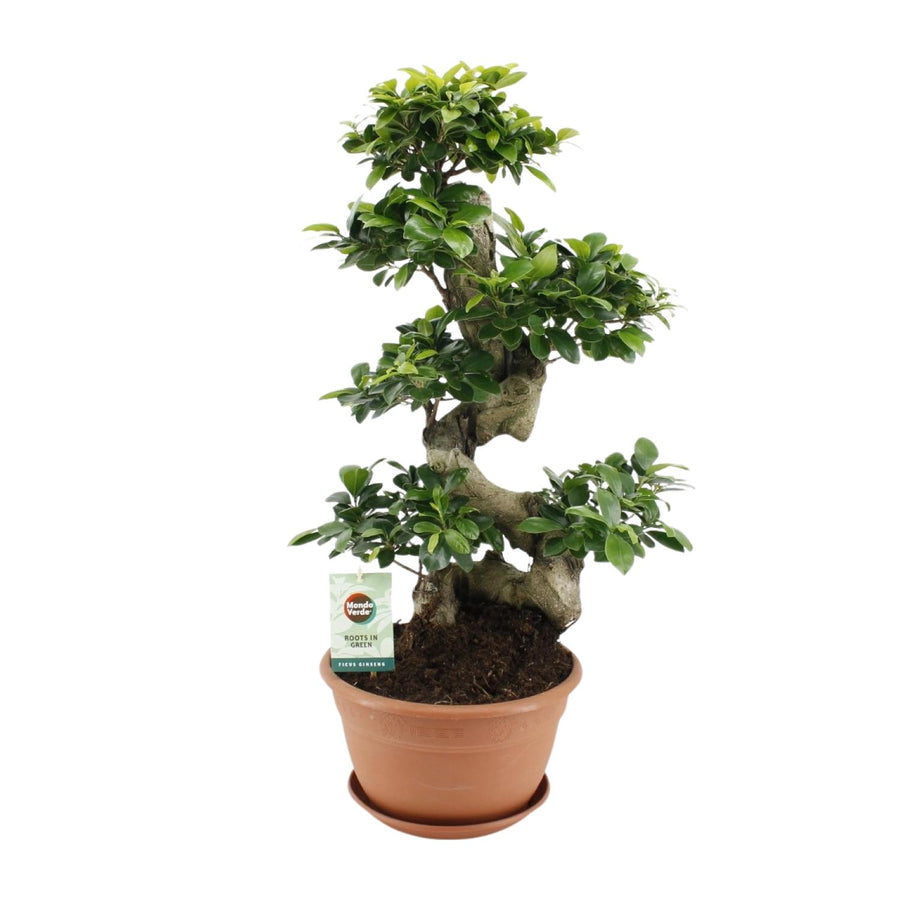
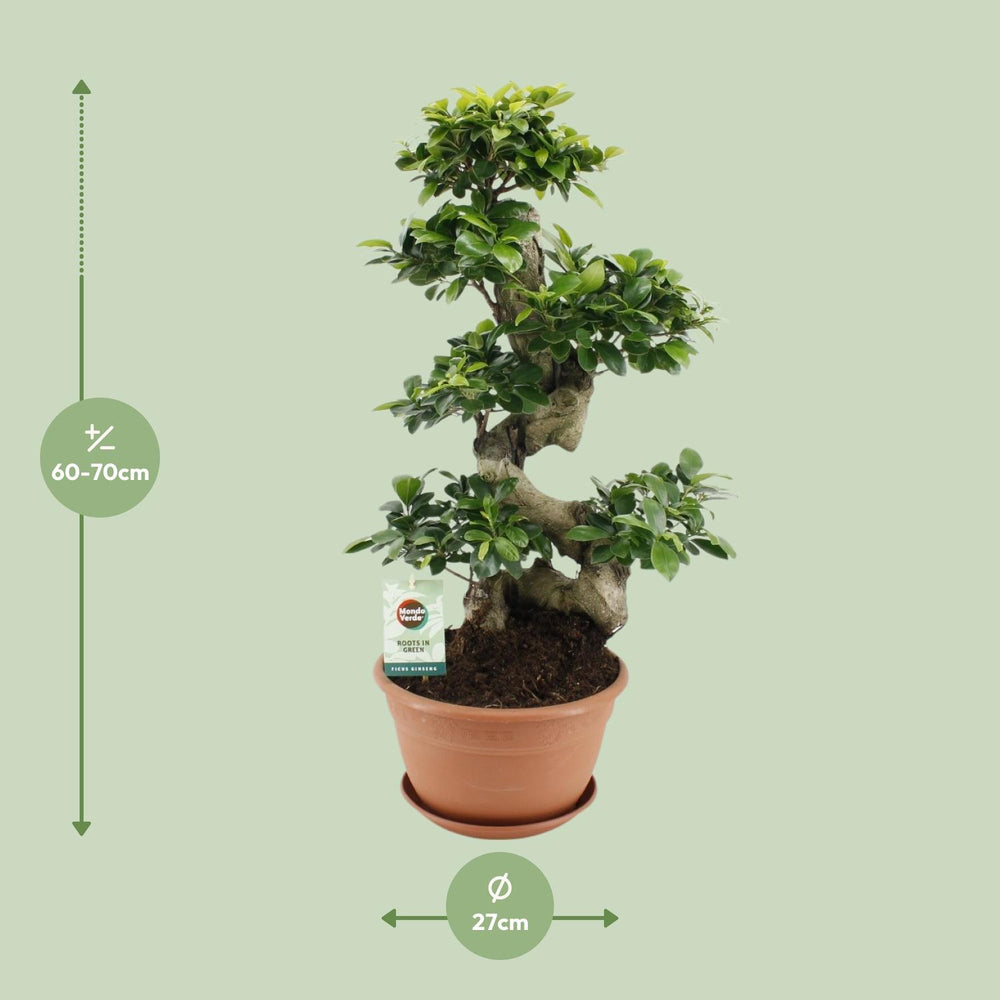
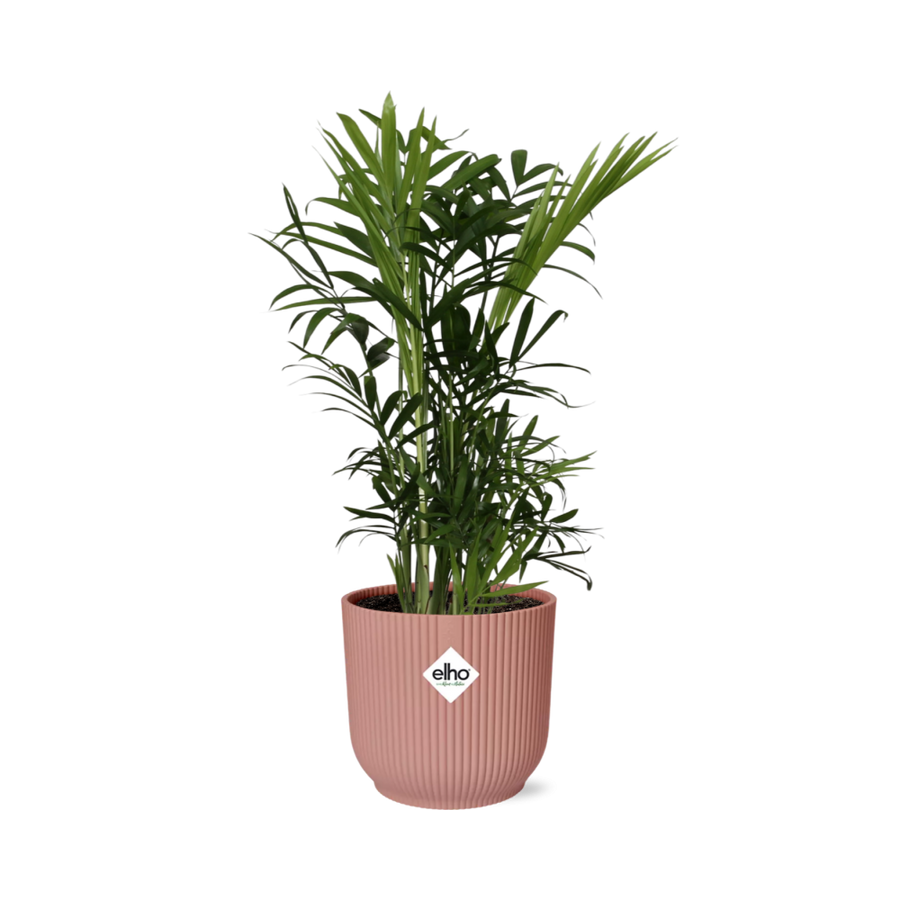
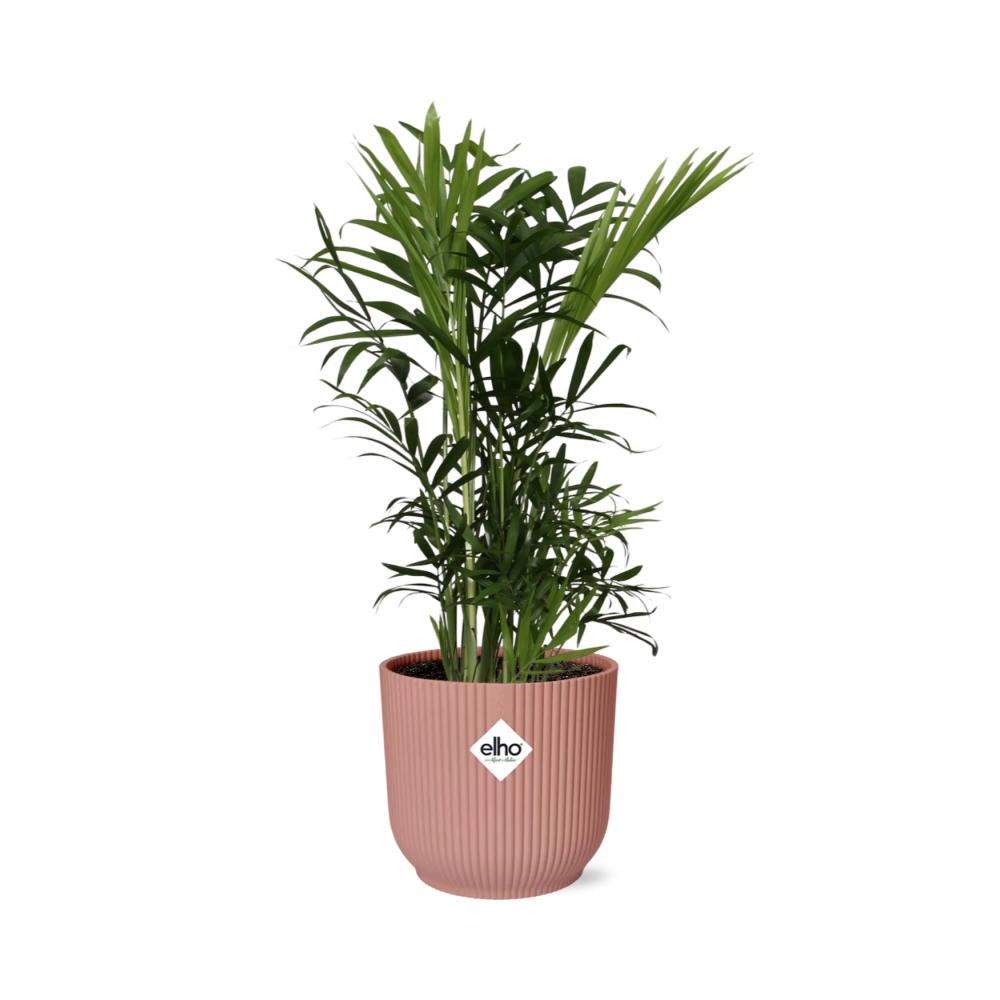
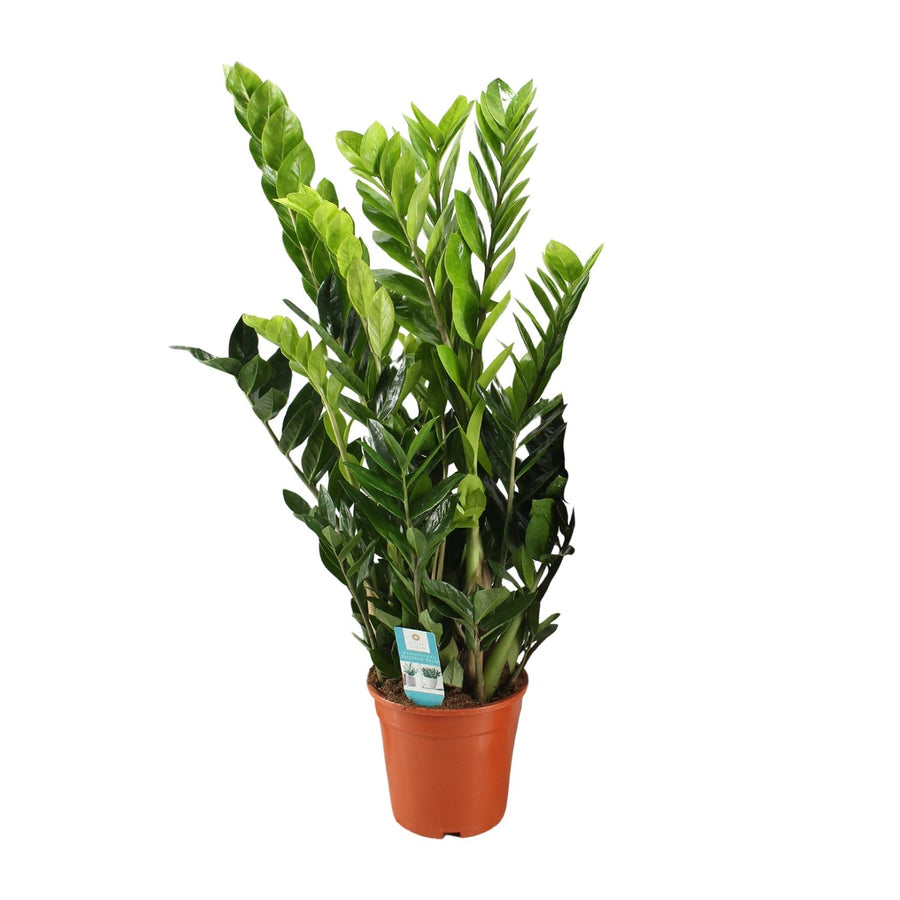
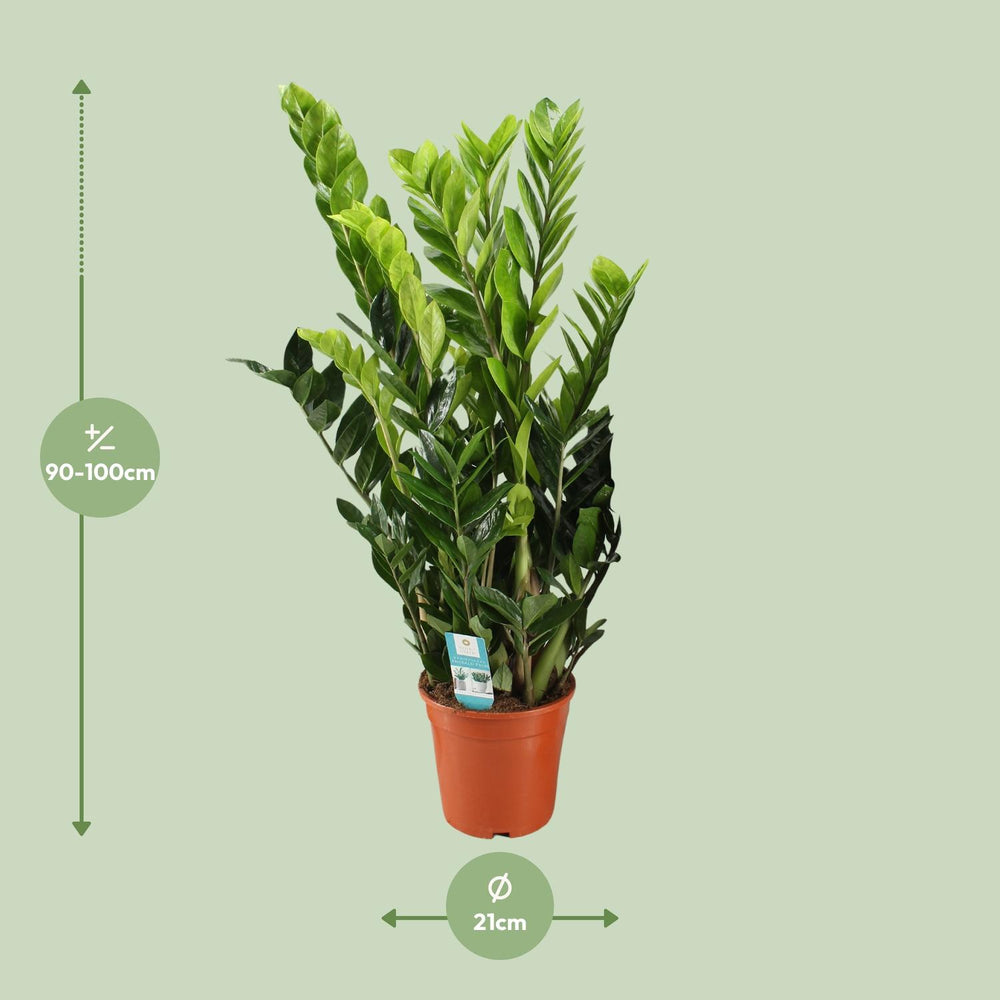
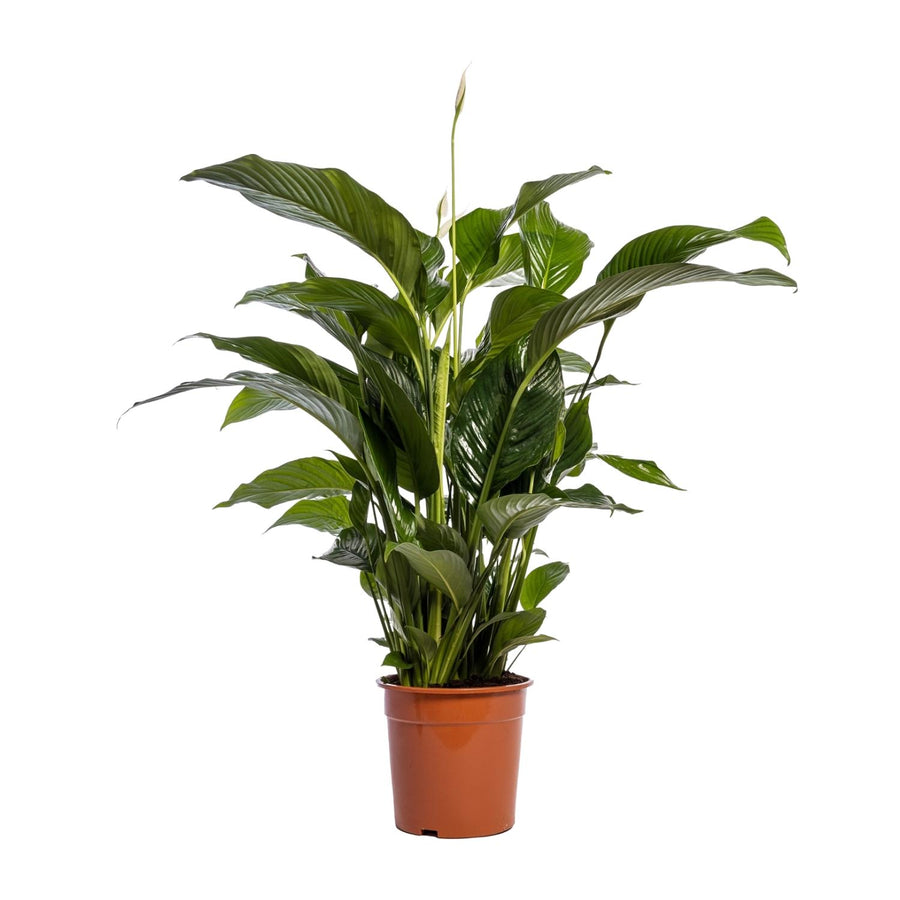
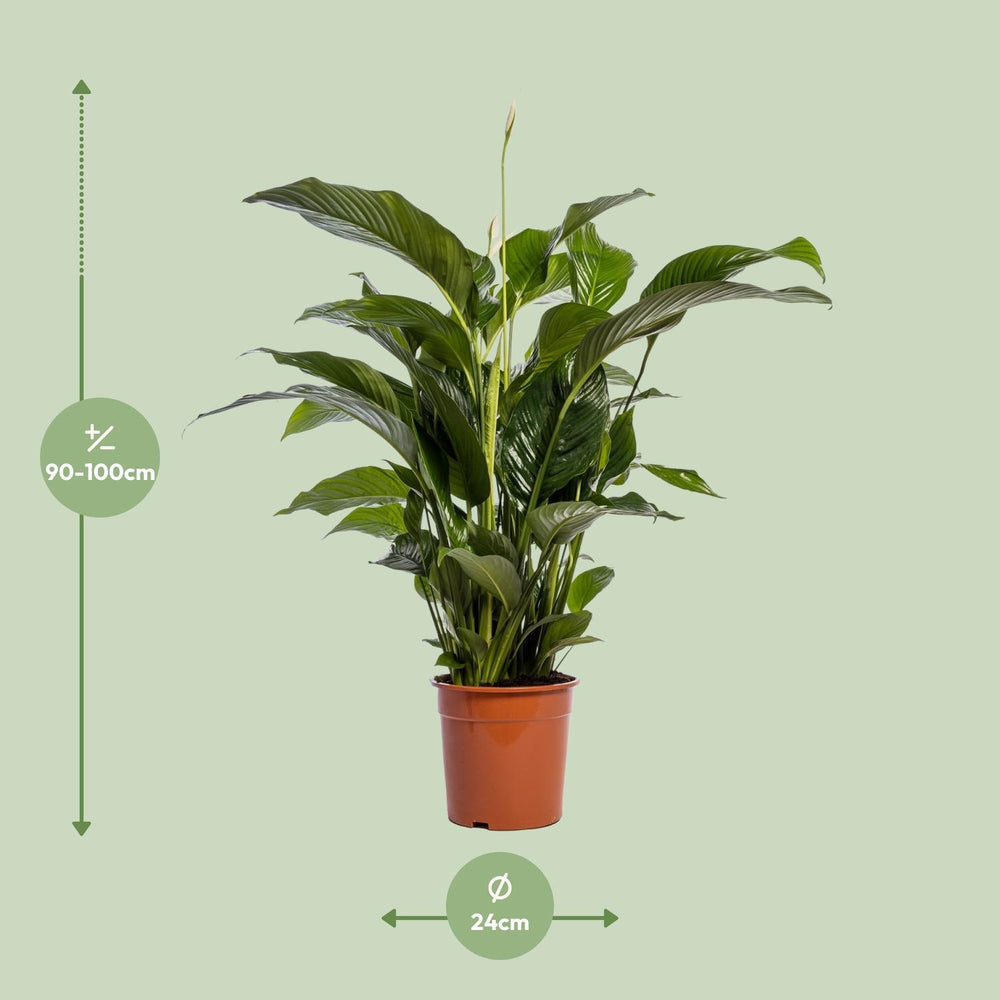
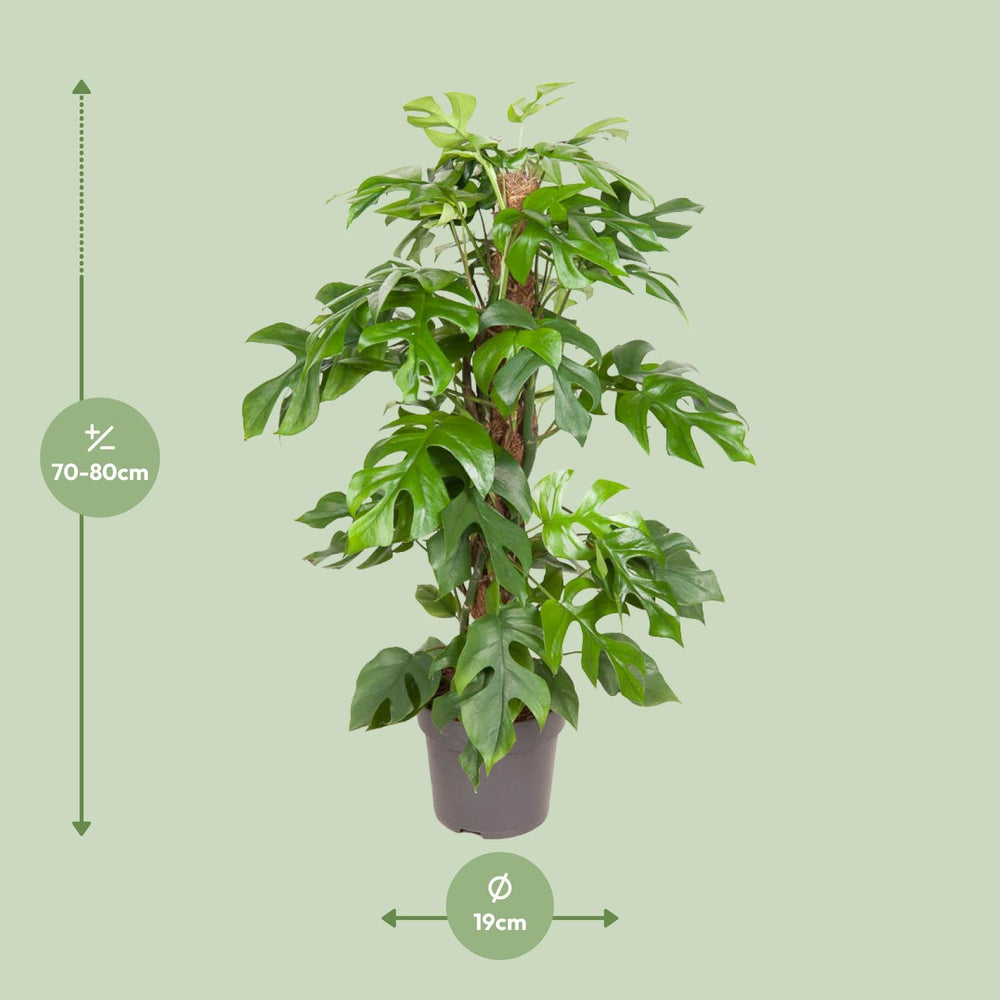
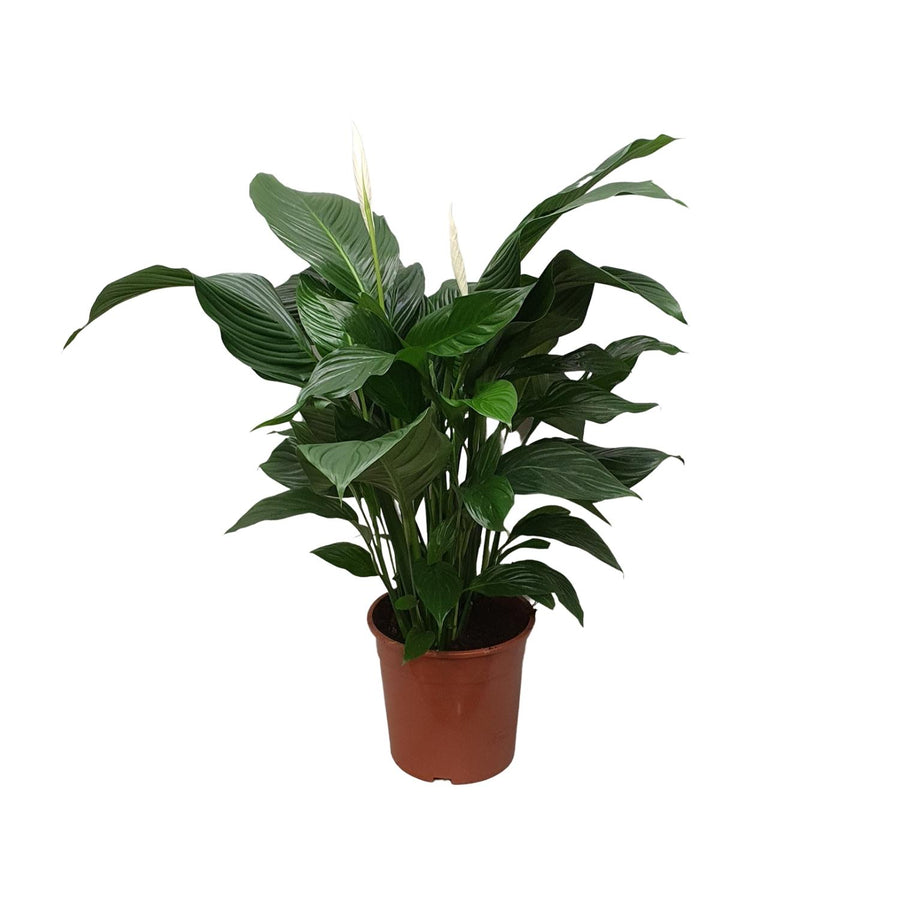
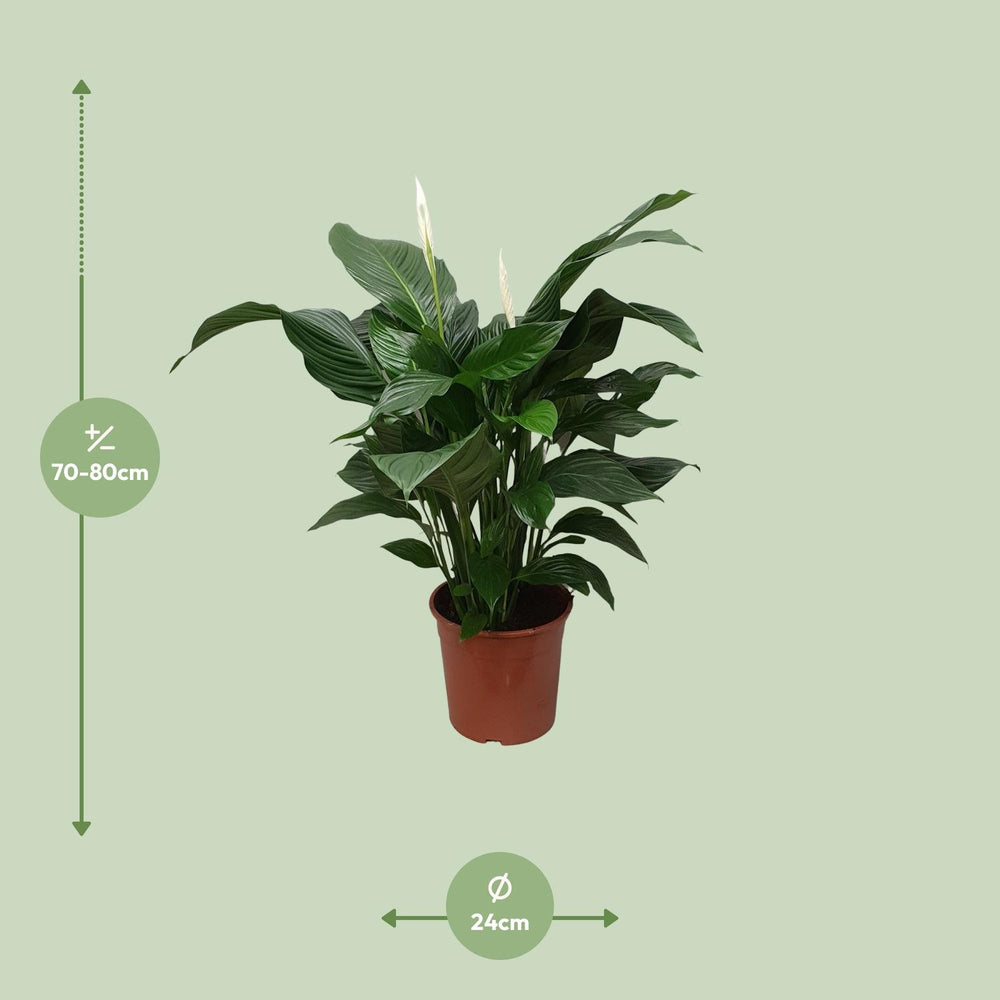
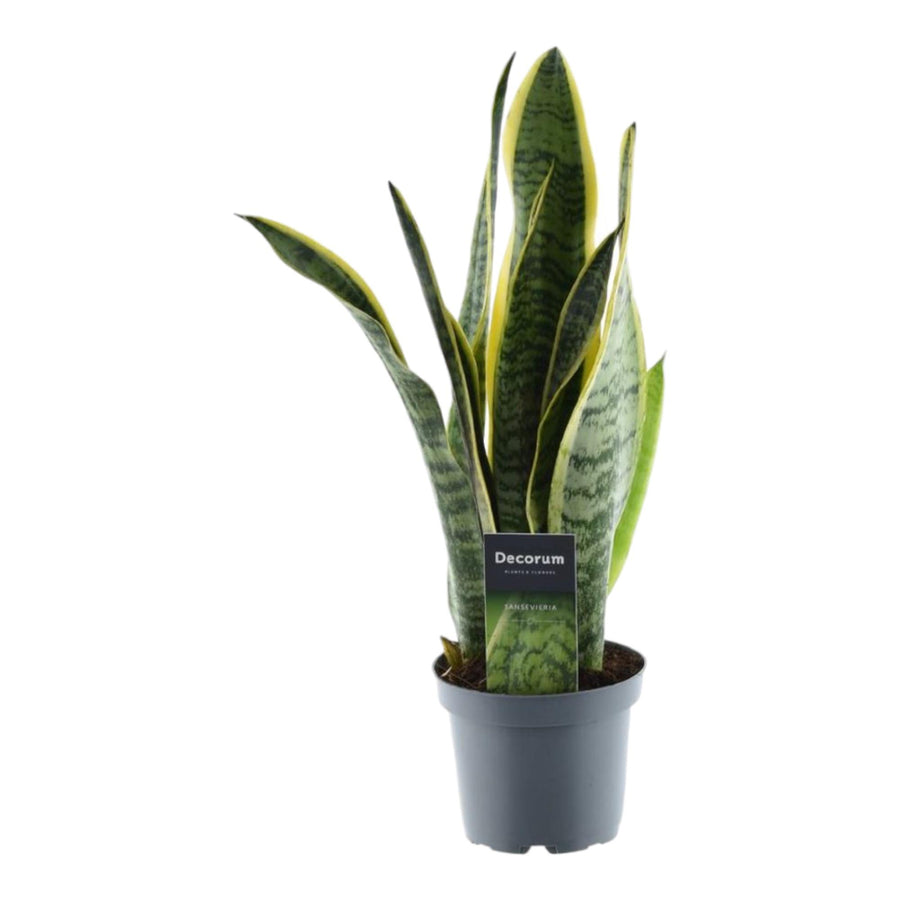
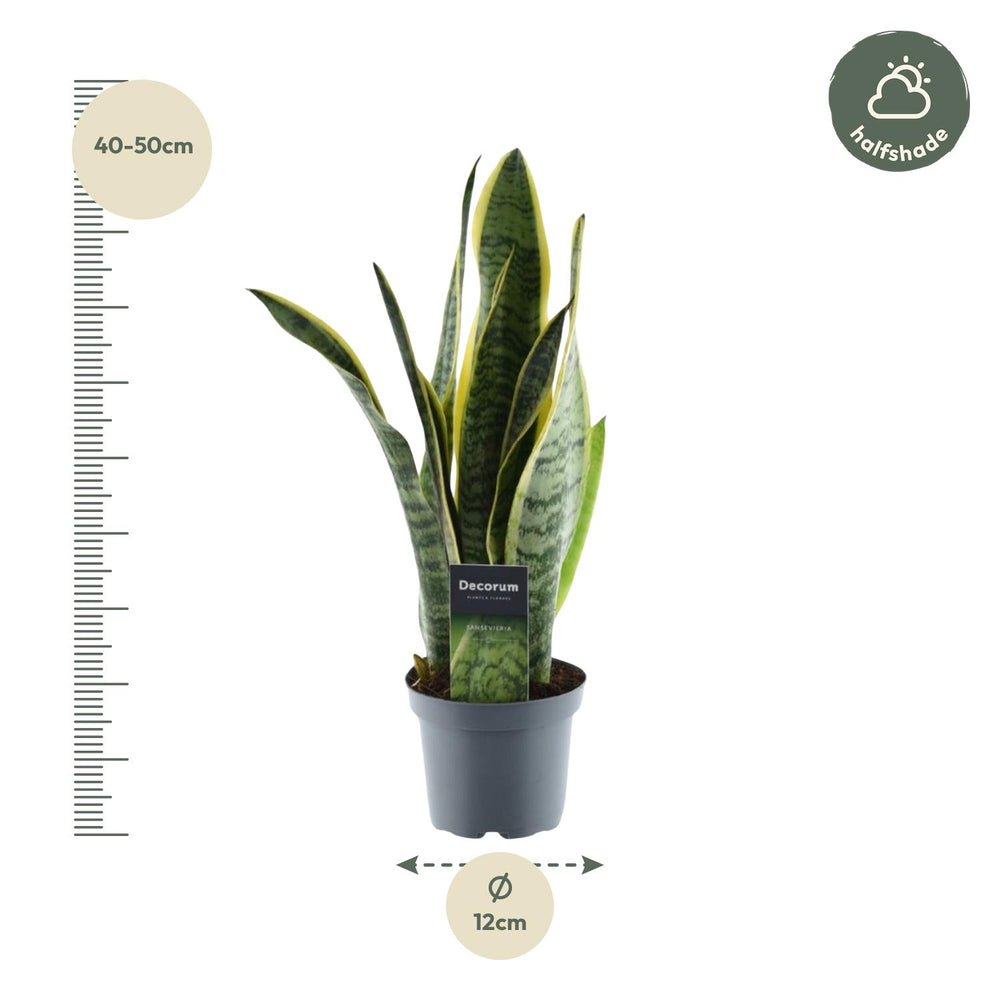
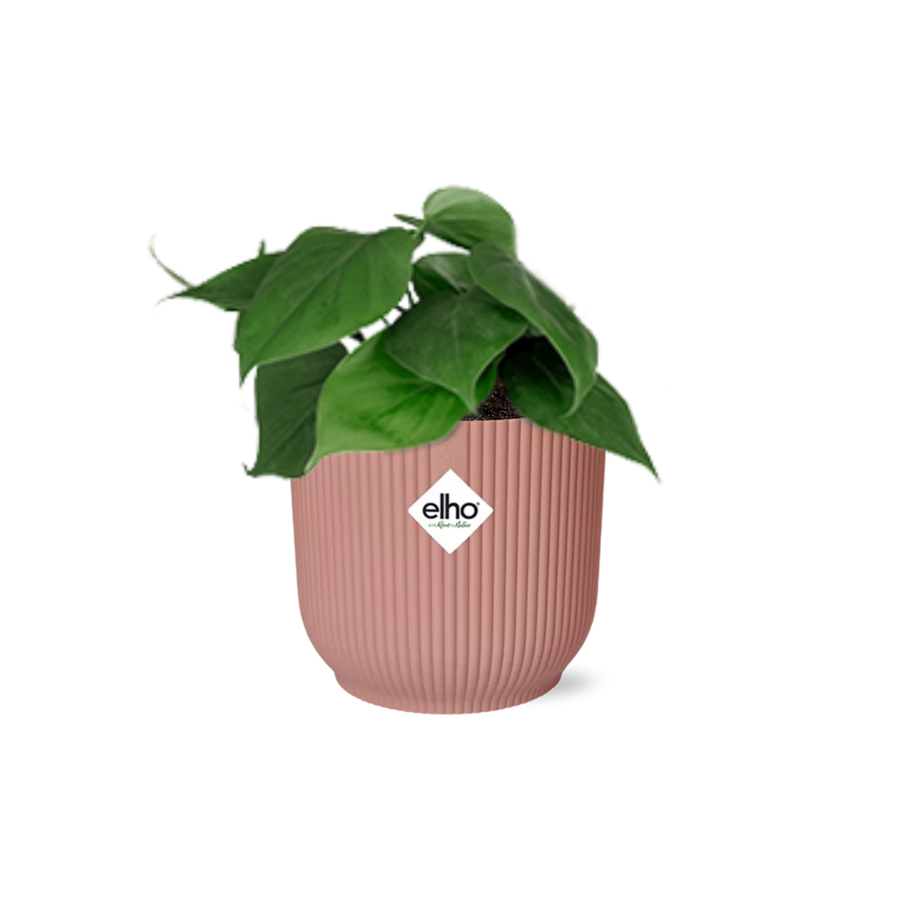
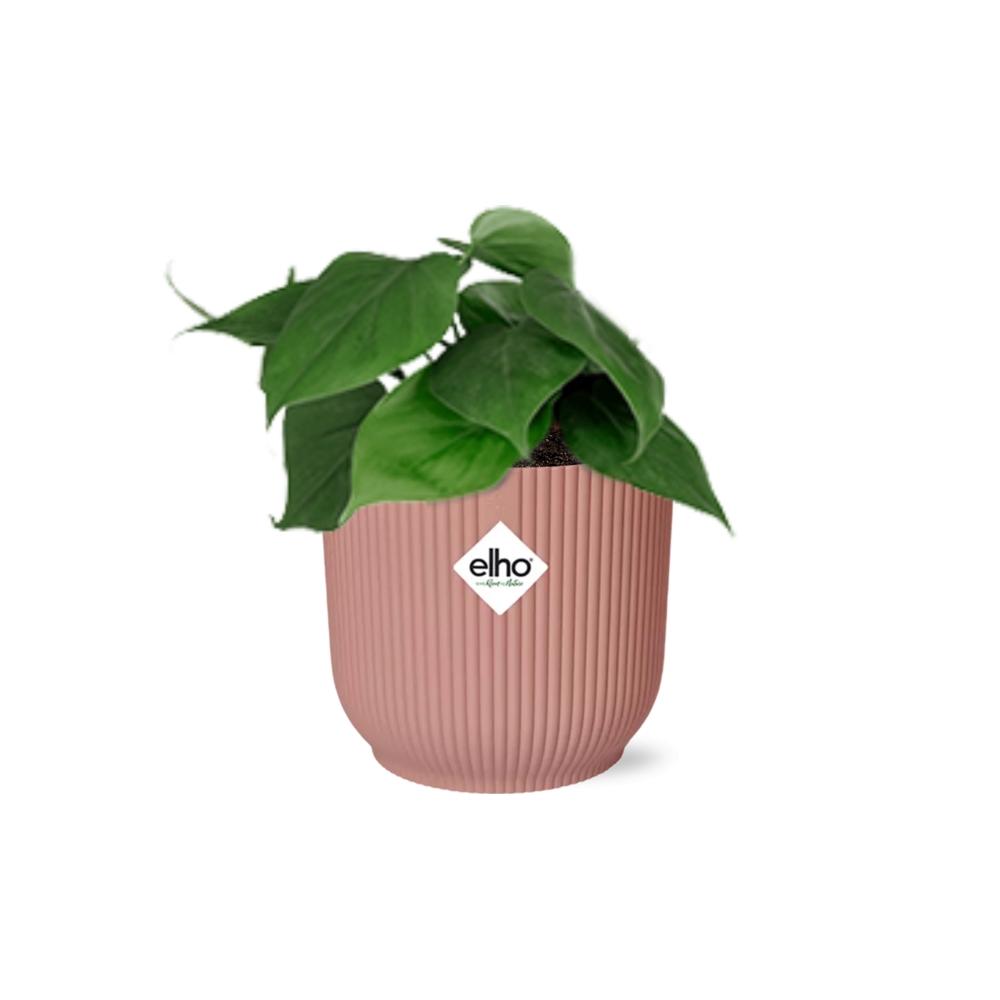
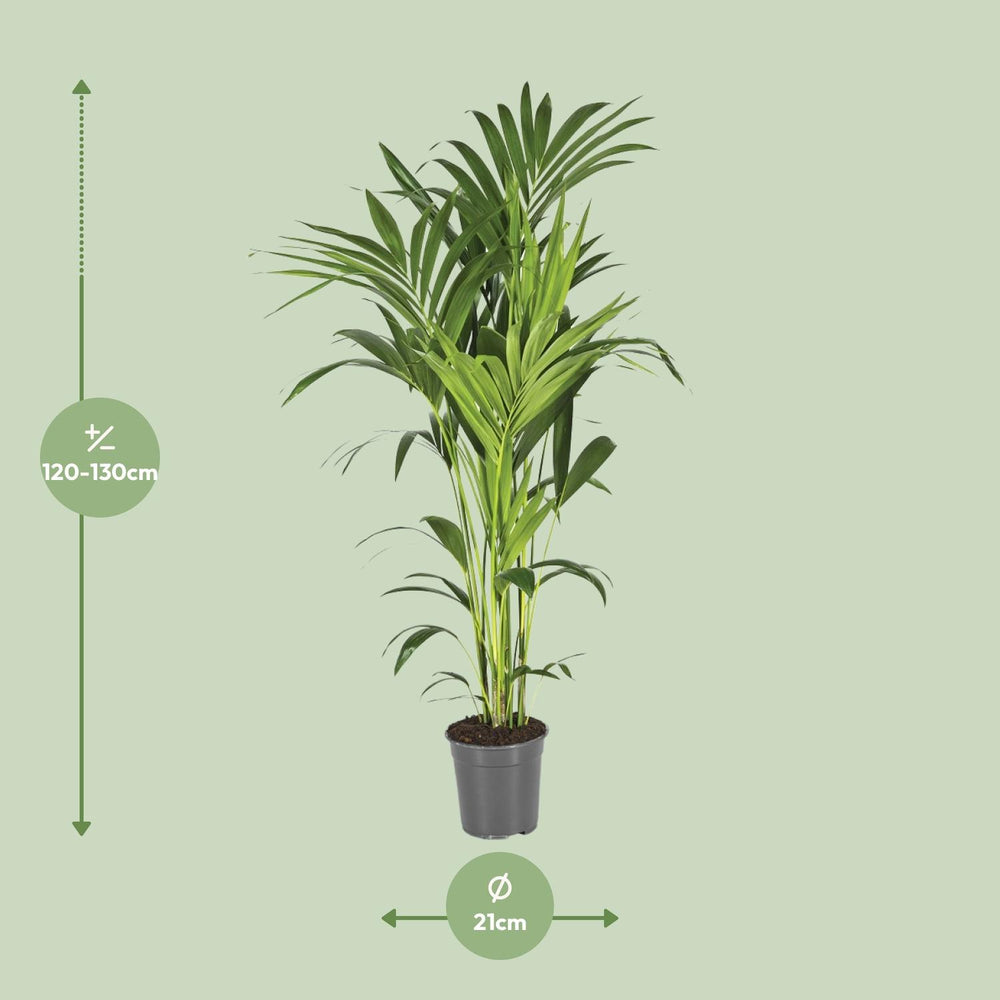
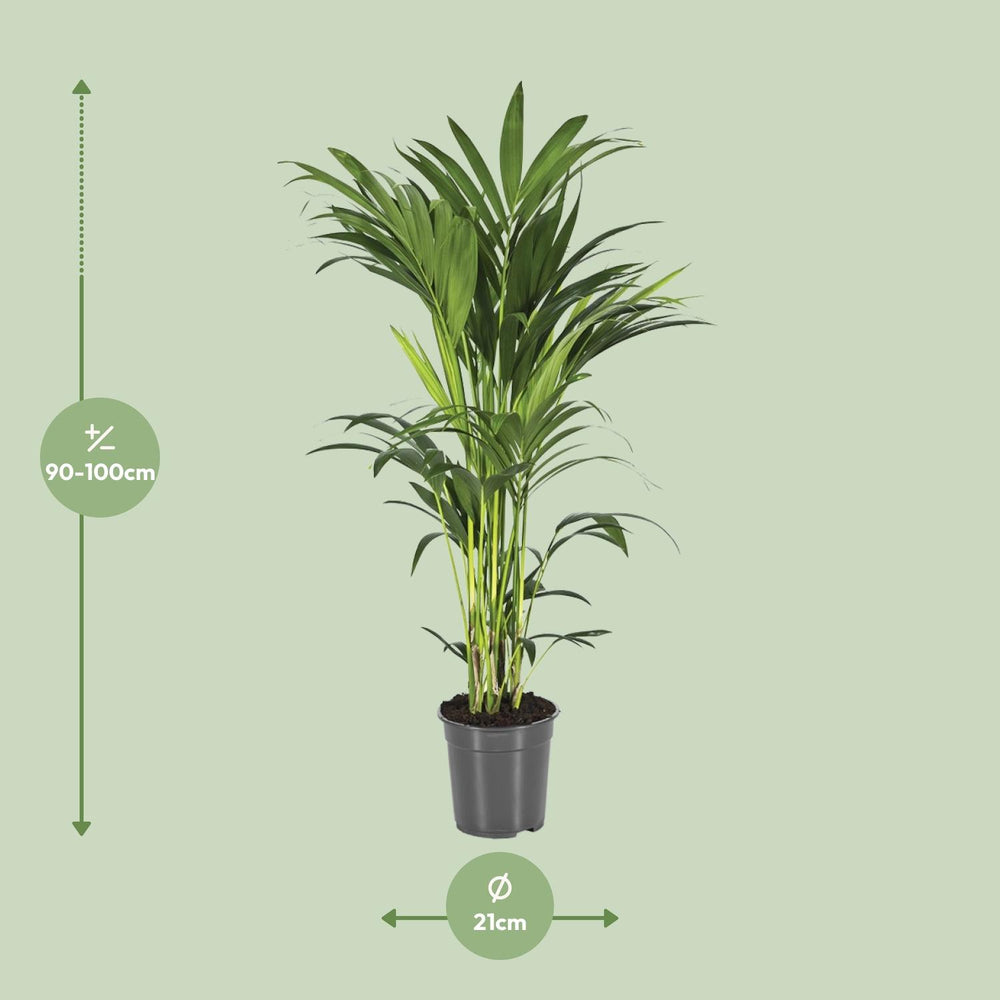
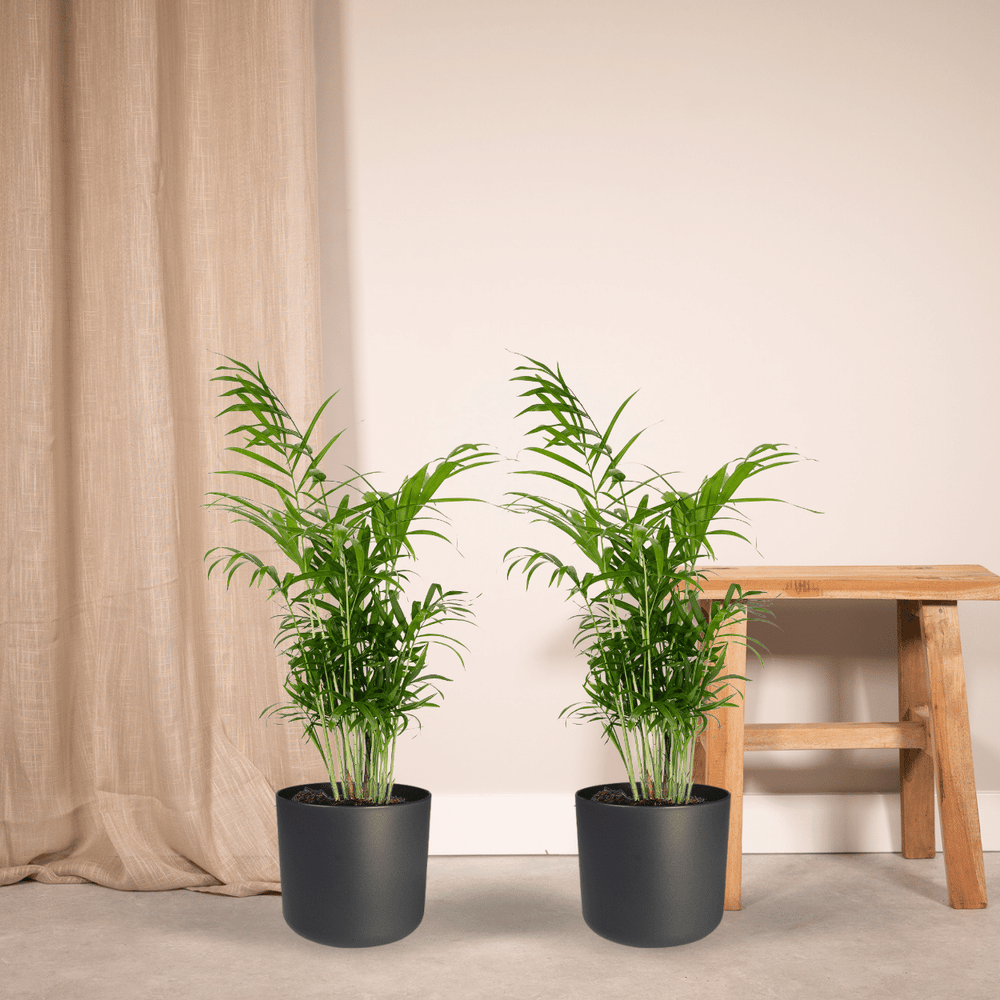
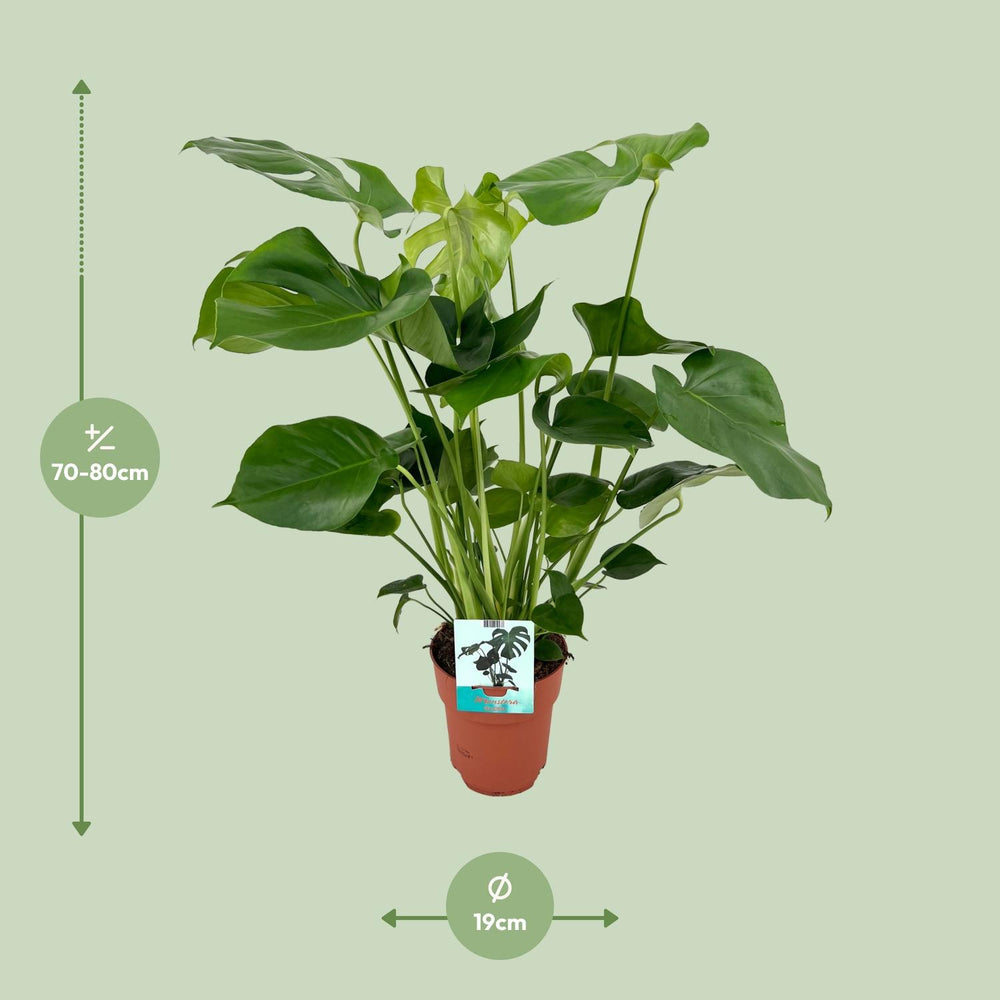
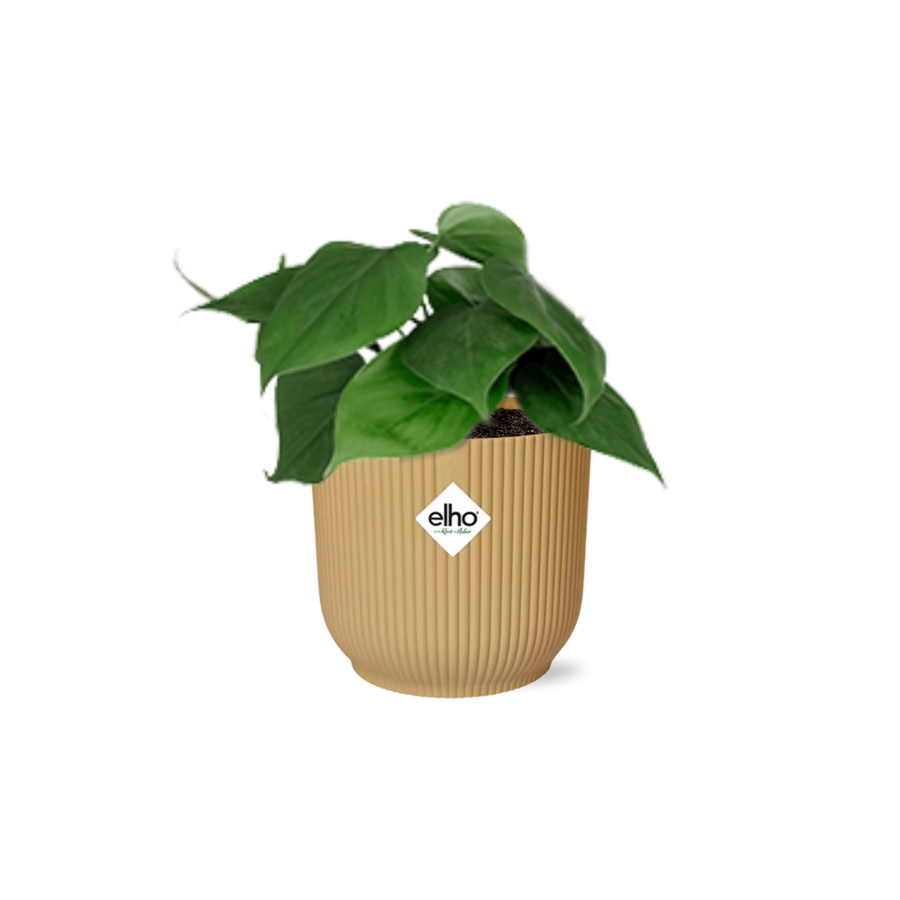
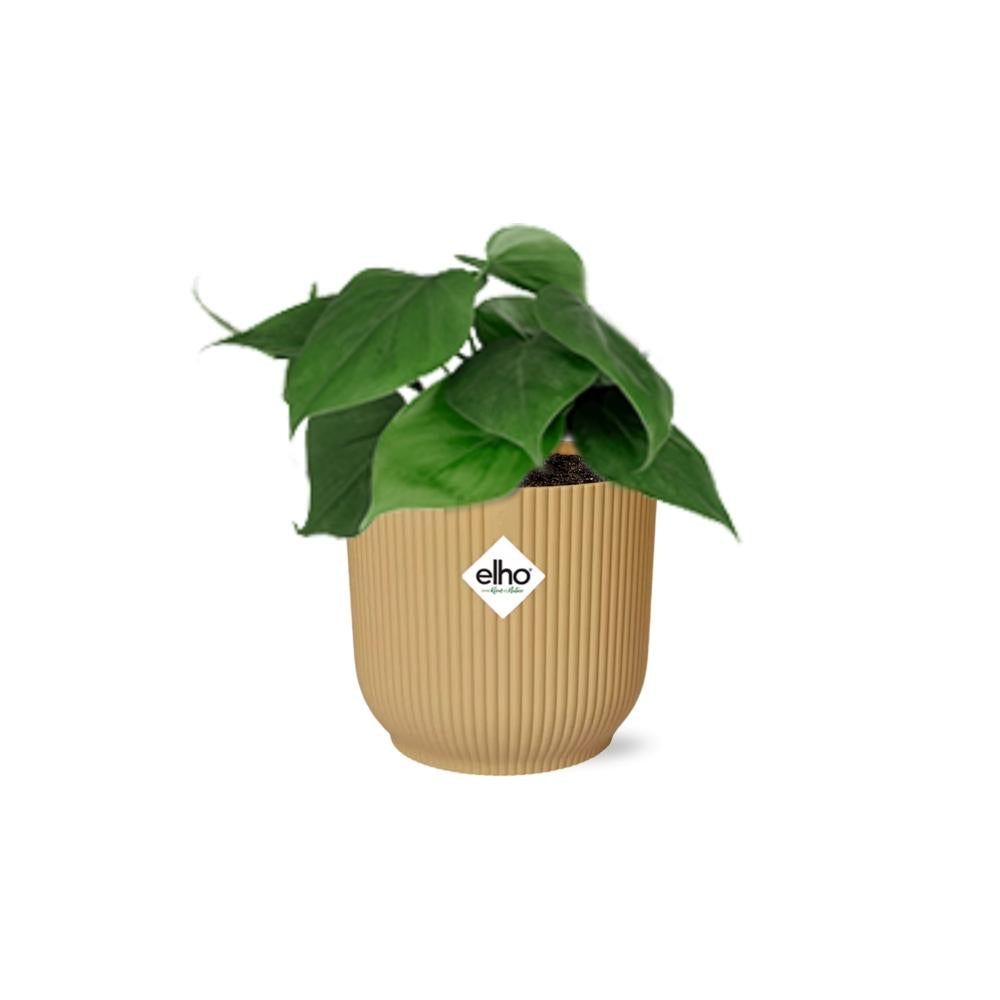
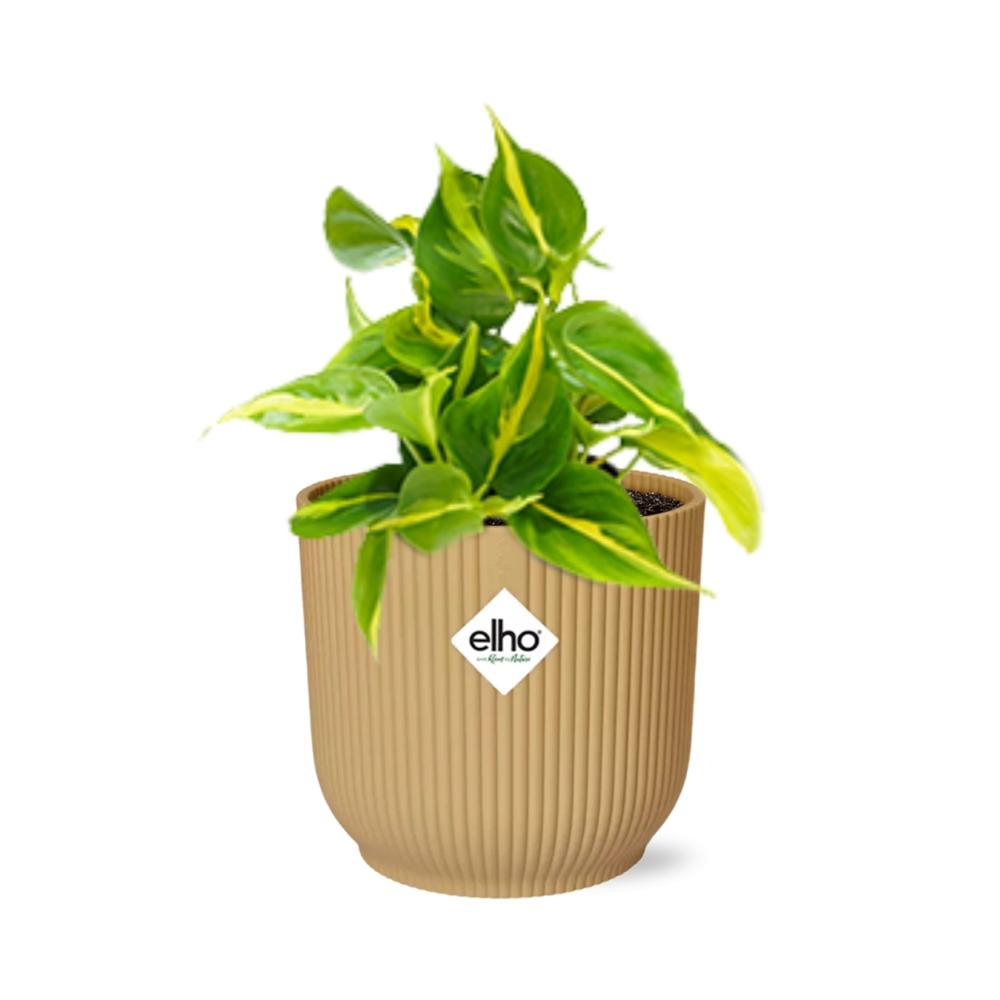
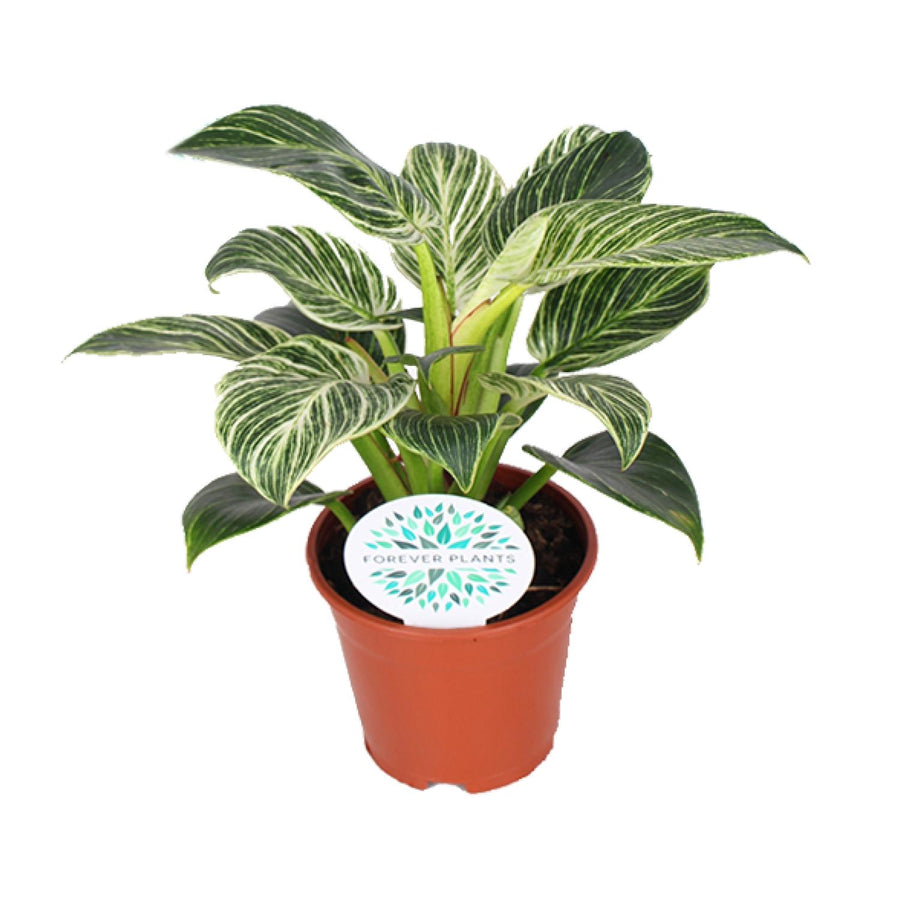
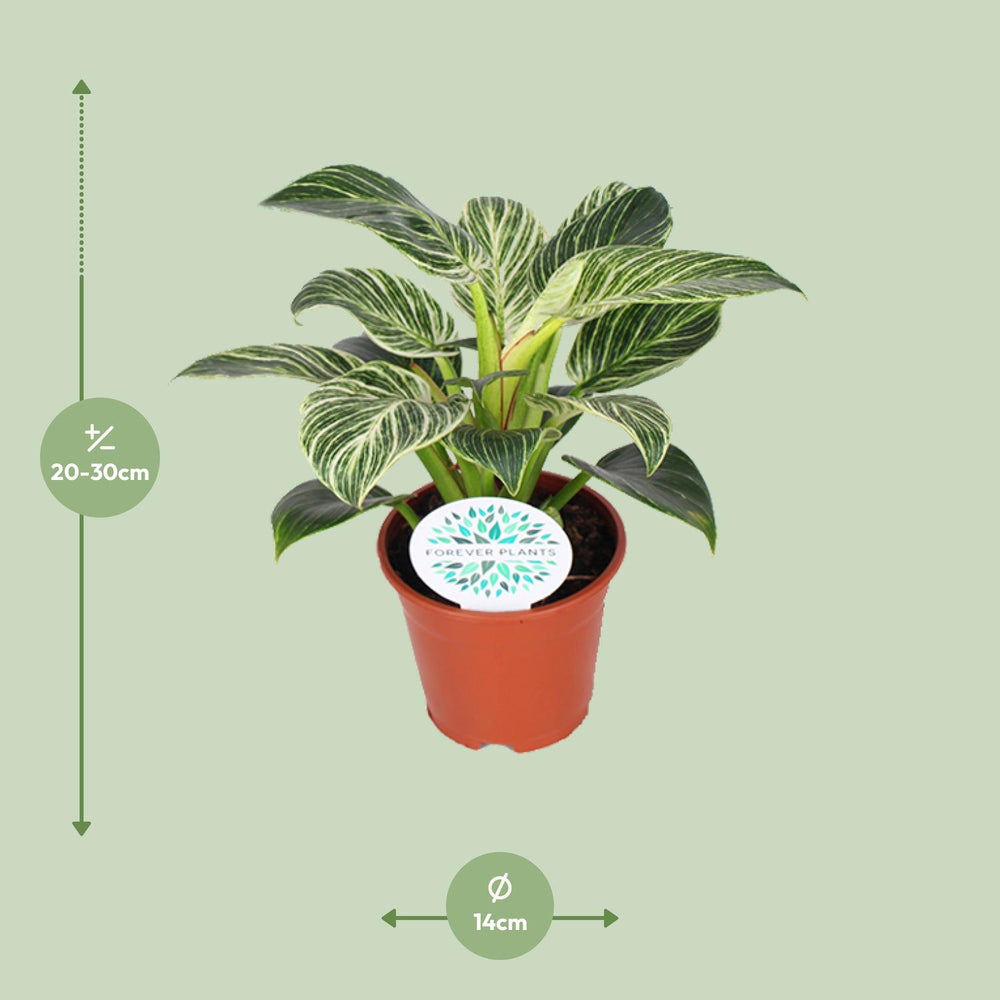
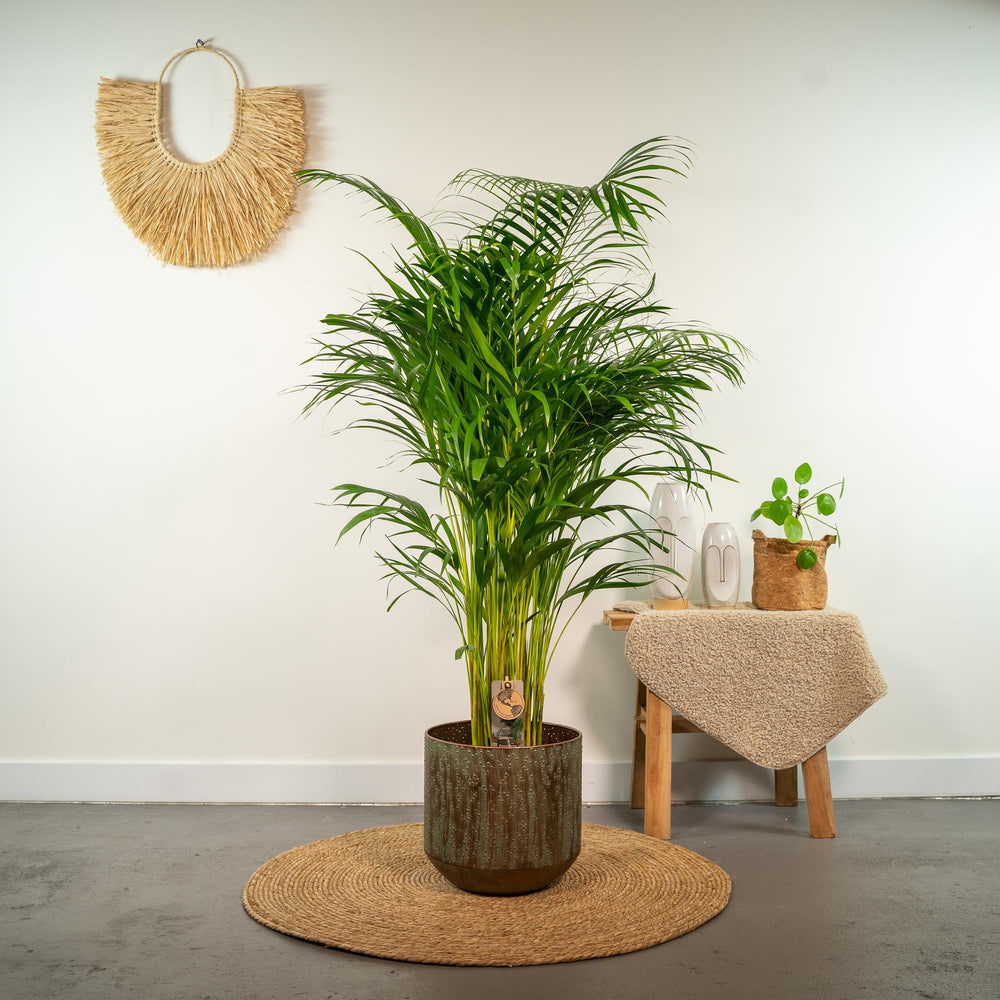
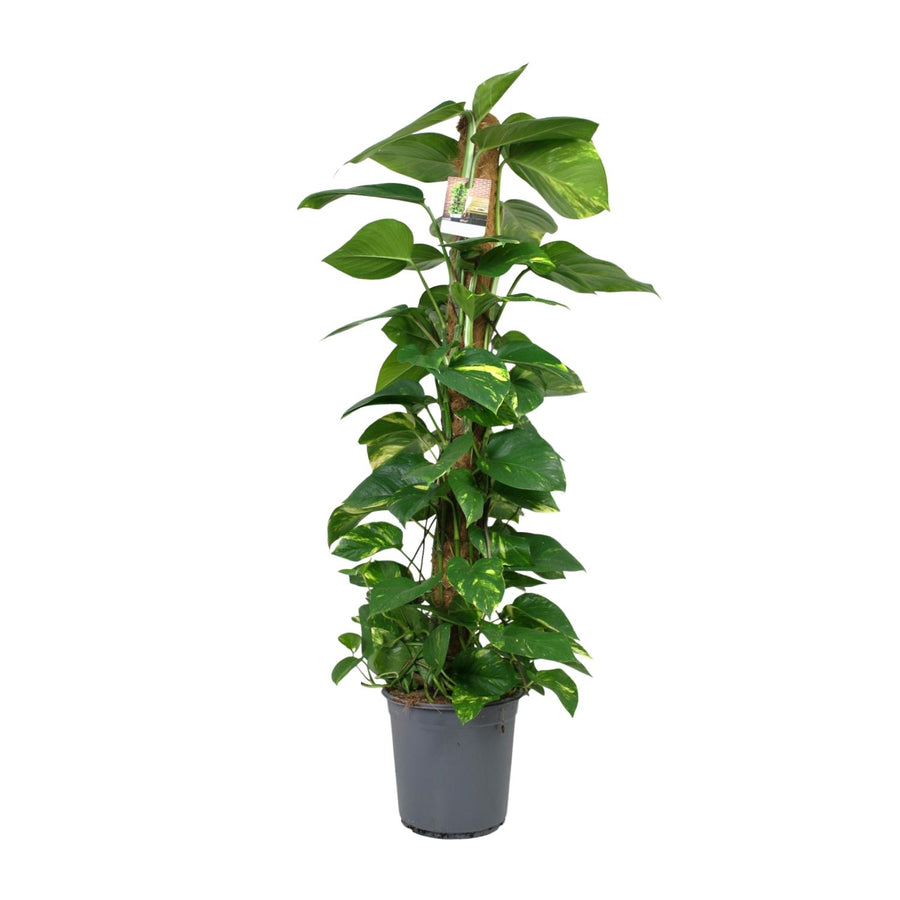
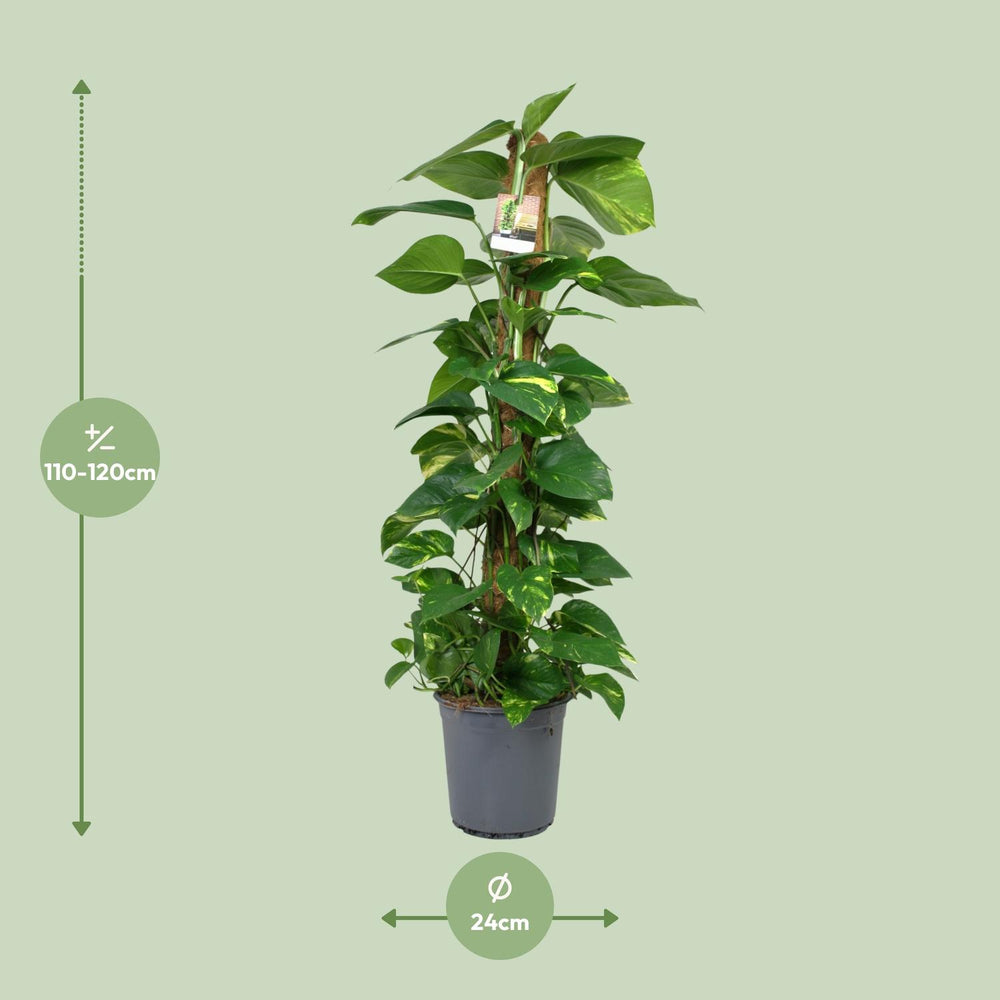
Hard-wearing indoor foliage plants, built around the species most often associated with this category. Peace Lily, Snake Plant, Areca and Kentia Palm, Golden Pothos, Dracaena, Philodendron, Spider Plant and Rubber Plant all sit in this collection, alongside other robust houseplants that suit the same rooms and the same level of attention.
What the research actually shows
The name comes from laboratory chamber experiments run on common houseplants in the late 1980s. Later work — most directly Cummings and Waring (2020) — showed those sealed-chamber results do not scale to a normal room, where ordinary ventilation does far more than the plants do. So we treat "air purifying" as the long-established name for this group of plants rather than as a claim about your home. We would rather tell you that than repeat something you will find contradicted elsewhere.
What the research does support is more interesting, and it is about the people in the room rather than the chemistry:
- Rooms with plants are rated as fresher and more comfortable. Occupants consistently report rooms feeling fresher and more comfortable, with fewer of the stuffiness and irritation complaints associated with Sick Building Syndrome.
- Attention improves — and real plants beat fake ones. Oh and colleagues (2019) recorded EEG activity in schoolchildren and found that living foliage plants produced a significant reduction in frontal-lobe theta waves, a physiological marker of improved attention. Artificial plants, photographs of plants and empty rooms did not. That is the strongest single reason we do not sell artificial plants.
- Planted rooms are rated more favourably, repeatedly. Van den Bogerd and colleagues (2020) ran three separate classroom field experiments; rooms containing real plants came out ahead in every one. Three independent results matter more than one dramatic figure.
- Working memory and sustained attention may benefit too — the evidence here is genuinely mixed, so treat it as promising rather than settled.
In short: a Peace Lily will not replace opening a window, but a room with plants in it measurably feels better to be in, and people concentrate better in it. Those are the effects worth buying for.
Choosing for the room you have
Low light, north-facing: Snake Plant, ZZ Plant, Aspidistra, Kentia Palm and Peace Lily tolerate corners and hallways where most plants sulk.
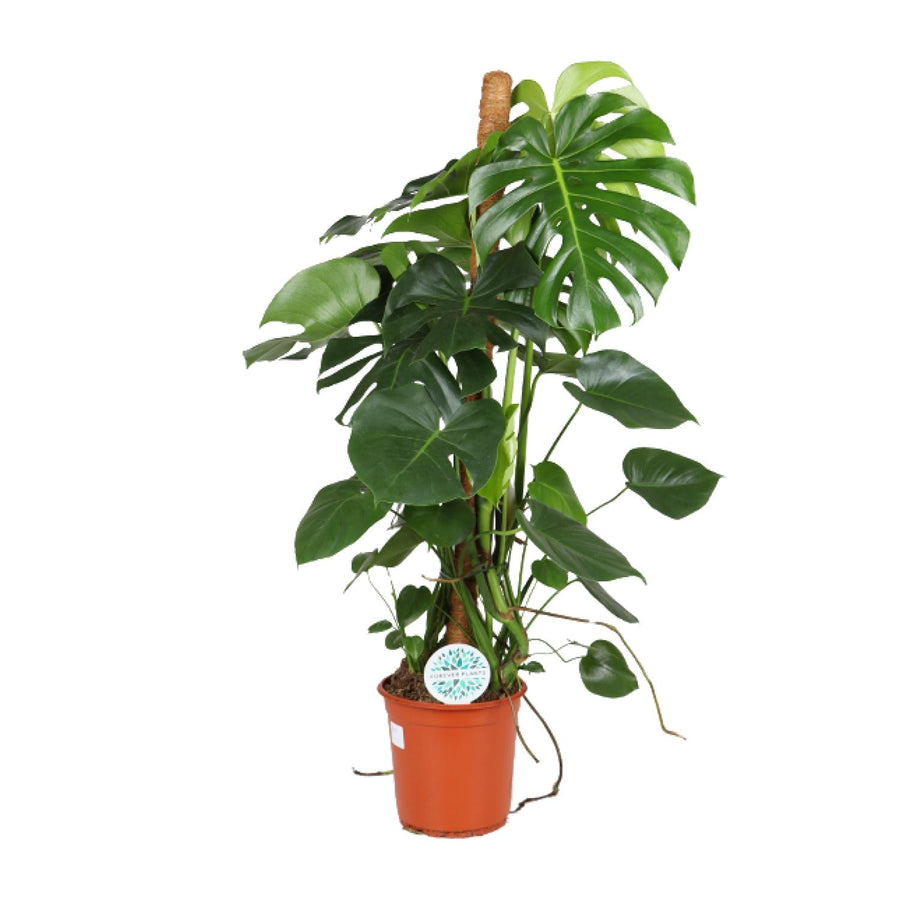
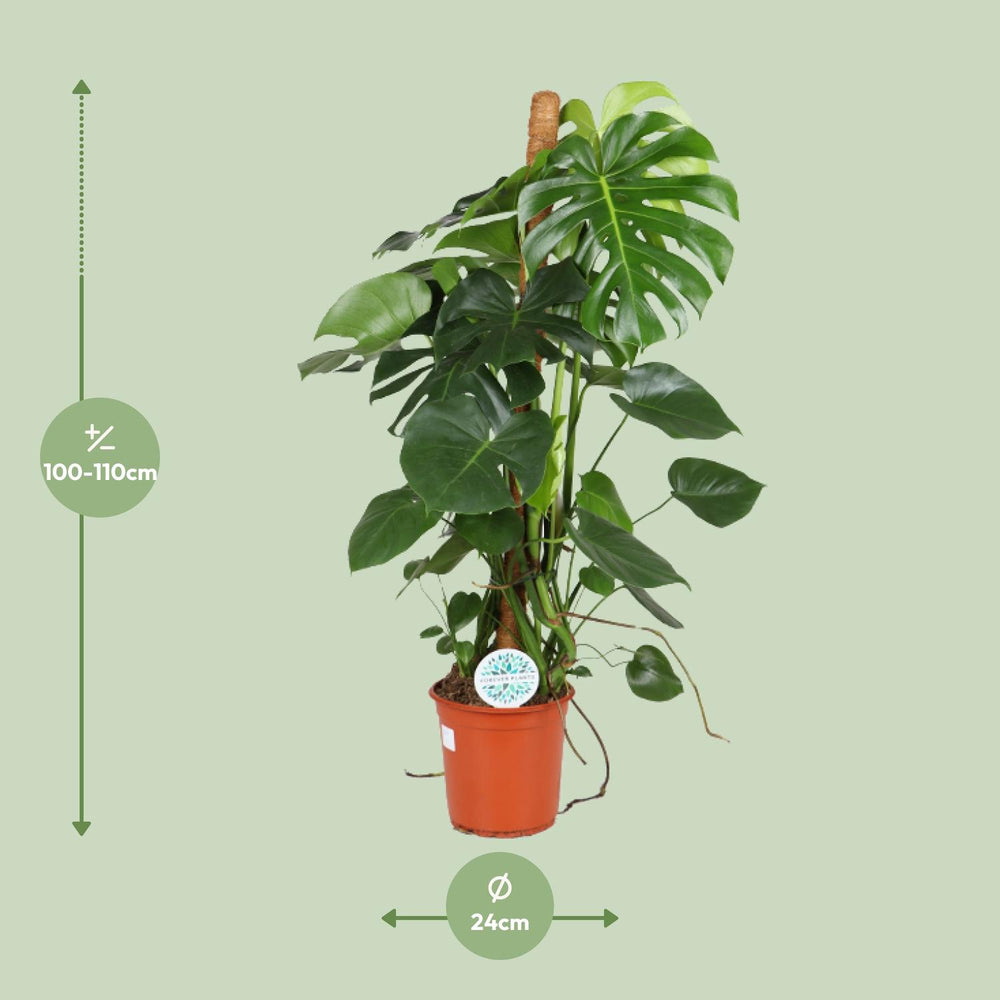
Bright indirect light: Areca Palm, Ficus, Monstera, Calathea and Philodendron want a spot near a window but out of direct midday sun.
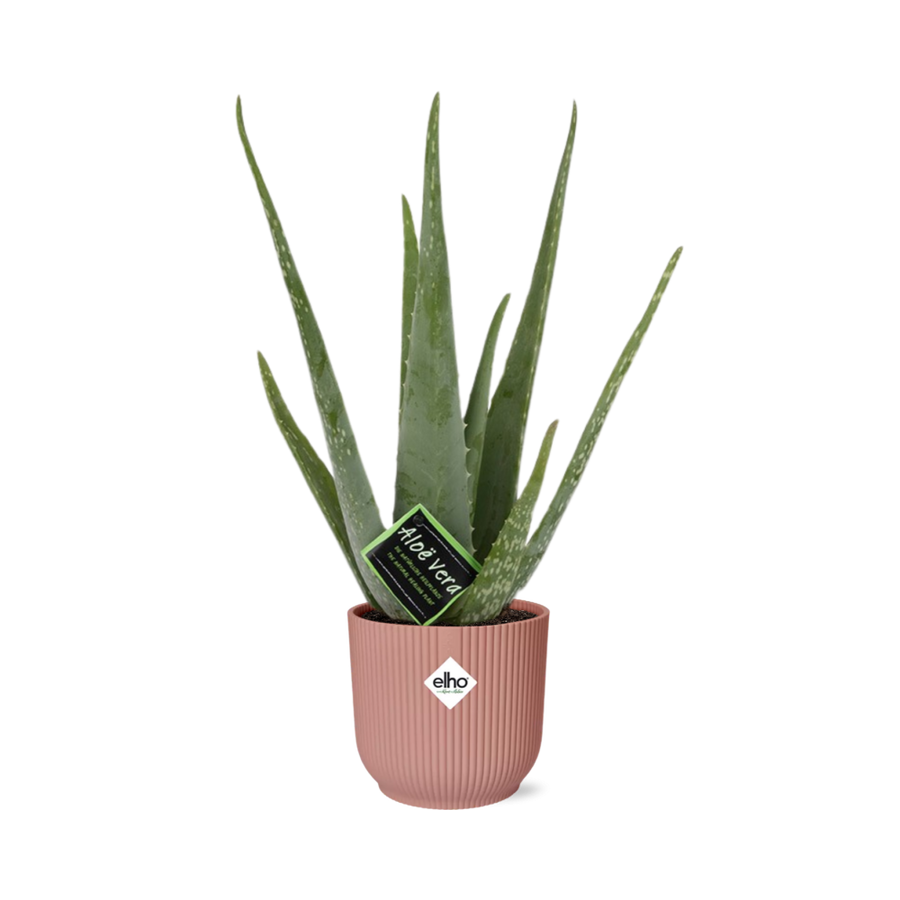
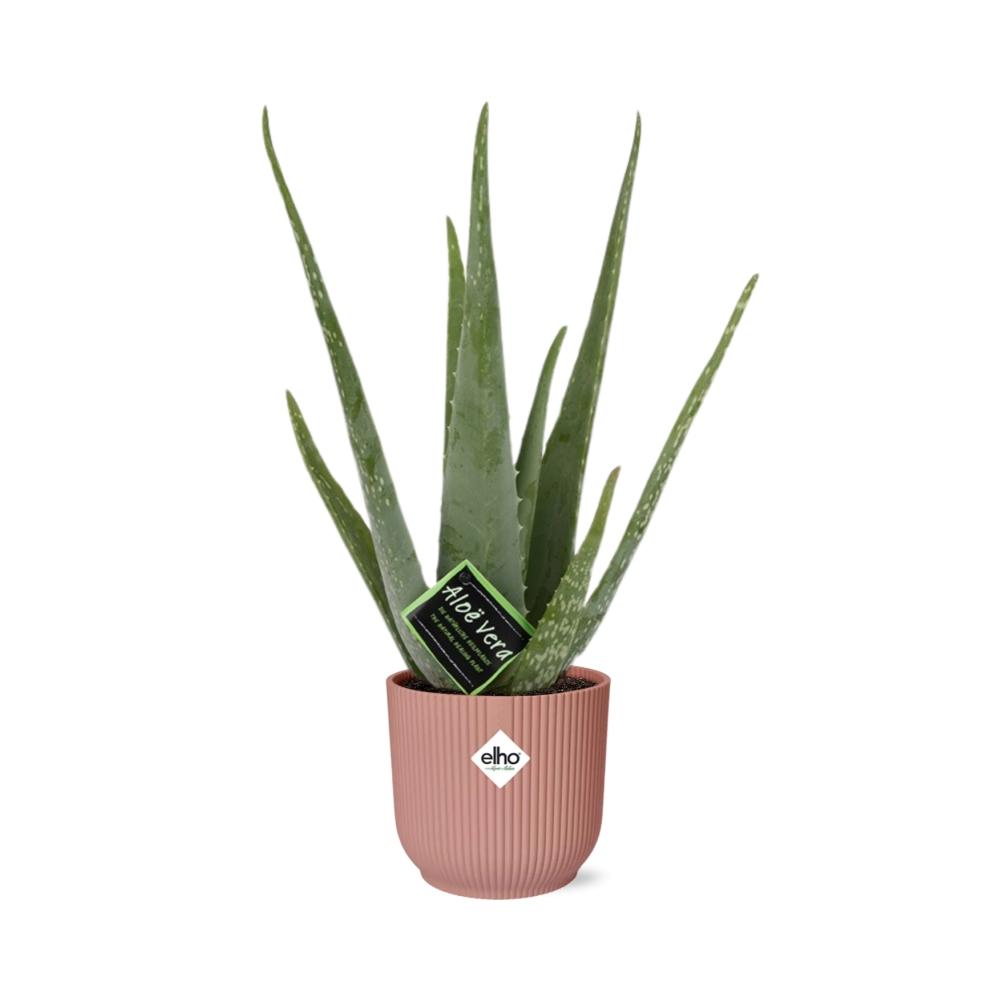
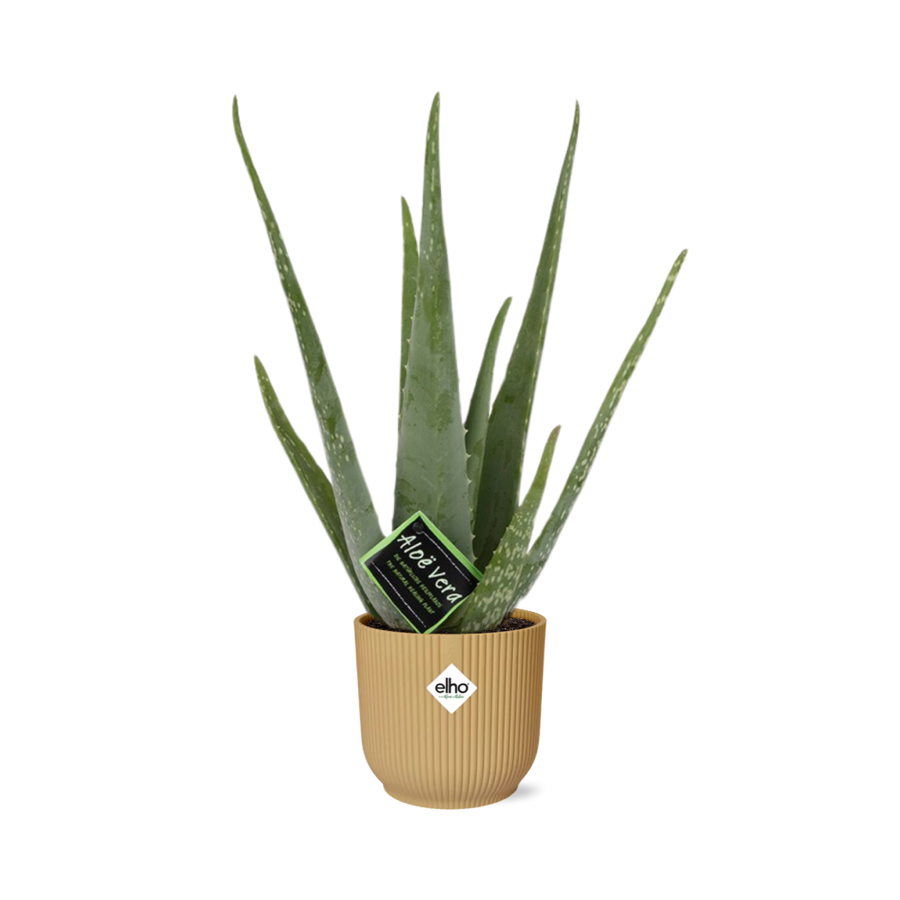
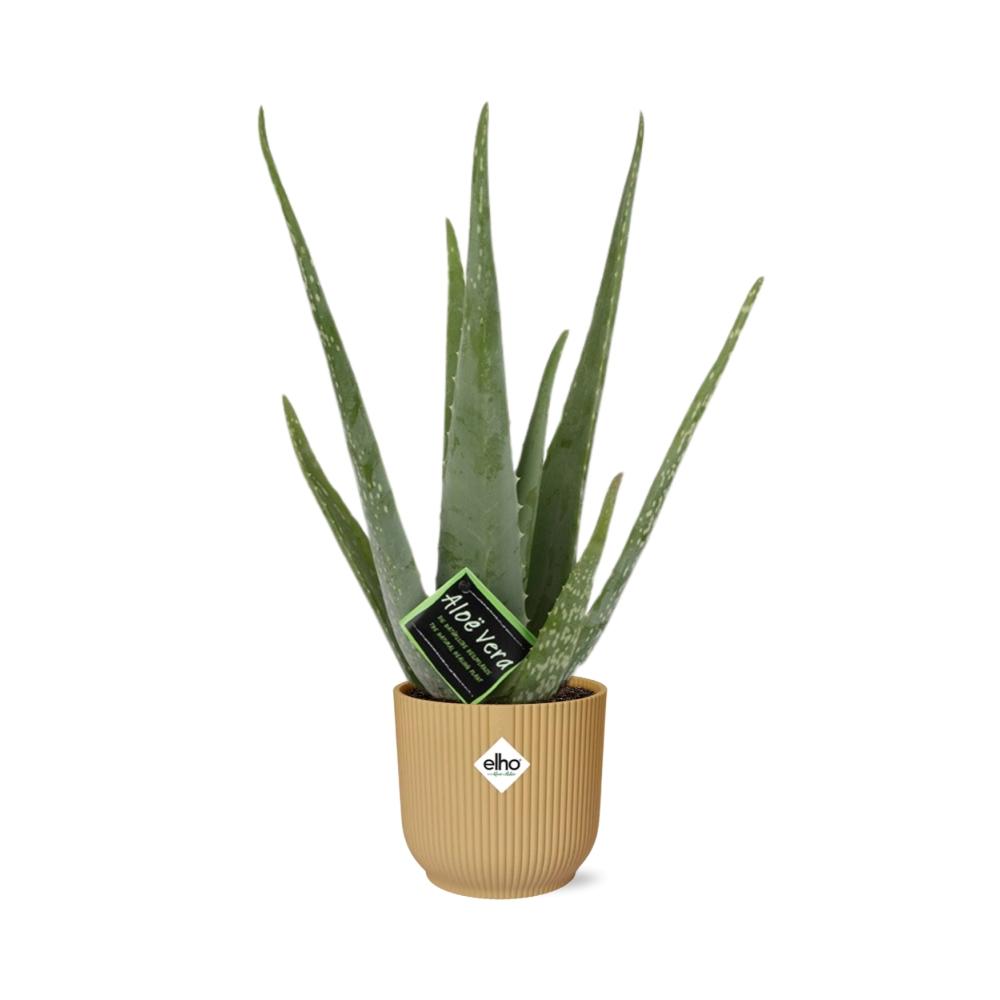
Dry, heated rooms: Snake Plant, ZZ Plant, Aloe Vera and Dracaena cope with central heating far better than ferns or Calathea.
Care
Most plants here want less water than people expect. Let the top few centimetres of compost dry before watering again, and empty the saucer rather than leaving roots standing. Feed monthly through spring and summer, not at all in winter. Wipe dust off broad leaves occasionally — it keeps them photosynthesising and looking their best.
Free delivery to Ireland and 24 more EU countries.





























Air Purifying Plants
Hard-wearing indoor foliage plants, built around the species most often associated with this category. Peace Lily, Snake Plant, Areca and Kentia Palm, Golden Pothos, Dracaena, Philodendron, Spider Plant and Rubber Plant all sit in this collection, alongside other robust houseplants that suit the same rooms and the same level of attention.
What the research actually shows
The name comes from laboratory chamber experiments run on common houseplants in the late 1980s. Later work — most directly Cummings and Waring (2020) — showed those sealed-chamber results do not scale to a normal room, where ordinary ventilation does far more than the plants do. So we treat "air purifying" as the long-established name for this group of plants rather than as a claim about your home. We would rather tell you that than repeat something you will find contradicted elsewhere.
What the research does support is more interesting, and it is about the people in the room rather than the chemistry:
- Rooms with plants are rated as fresher and more comfortable. Occupants consistently report rooms feeling fresher and more comfortable, with fewer of the stuffiness and irritation complaints associated with Sick Building Syndrome.
- Attention improves — and real plants beat fake ones. Oh and colleagues (2019) recorded EEG activity in schoolchildren and found that living foliage plants produced a significant reduction in frontal-lobe theta waves, a physiological marker of improved attention. Artificial plants, photographs of plants and empty rooms did not. That is the strongest single reason we do not sell artificial plants.
- Planted rooms are rated more favourably, repeatedly. Van den Bogerd and colleagues (2020) ran three separate classroom field experiments; rooms containing real plants came out ahead in every one. Three independent results matter more than one dramatic figure.
- Working memory and sustained attention may benefit too — the evidence here is genuinely mixed, so treat it as promising rather than settled.
In short: a Peace Lily will not replace opening a window, but a room with plants in it measurably feels better to be in, and people concentrate better in it. Those are the effects worth buying for.
Choosing for the room you have
Low light, north-facing: Snake Plant, ZZ Plant, Aspidistra, Kentia Palm and Peace Lily tolerate corners and hallways where most plants sulk.
Bright indirect light: Areca Palm, Ficus, Monstera, Calathea and Philodendron want a spot near a window but out of direct midday sun.
Dry, heated rooms: Snake Plant, ZZ Plant, Aloe Vera and Dracaena cope with central heating far better than ferns or Calathea.
Care
Most plants here want less water than people expect. Let the top few centimetres of compost dry before watering again, and empty the saucer rather than leaving roots standing. Feed monthly through spring and summer, not at all in winter. Wipe dust off broad leaves occasionally — it keeps them photosynthesising and looking their best.
Free delivery to Ireland and 24 more EU countries.