











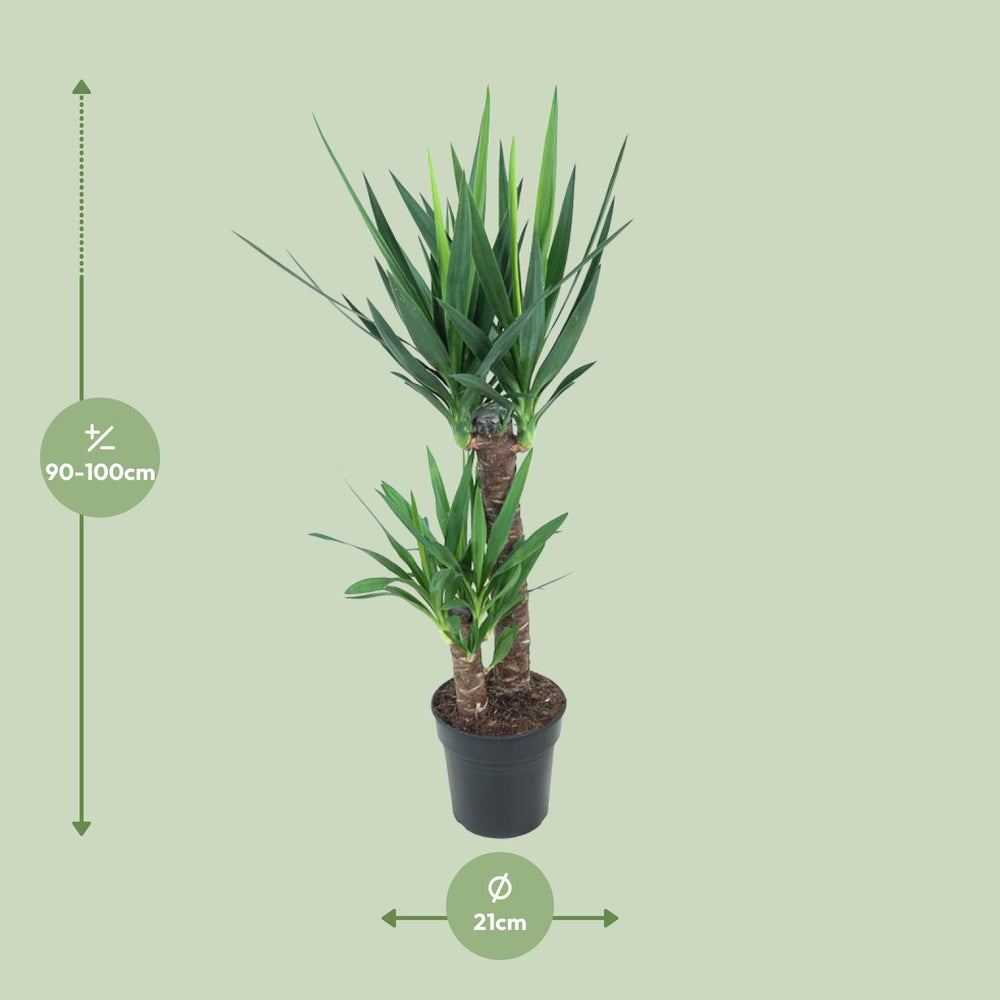


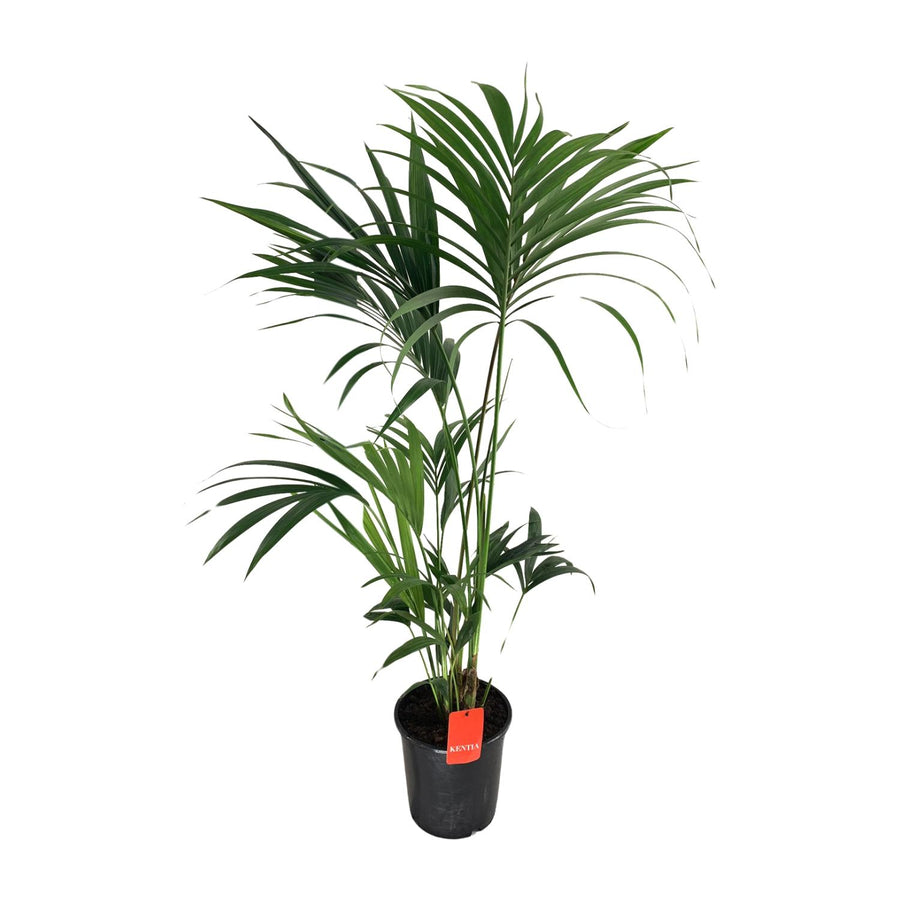
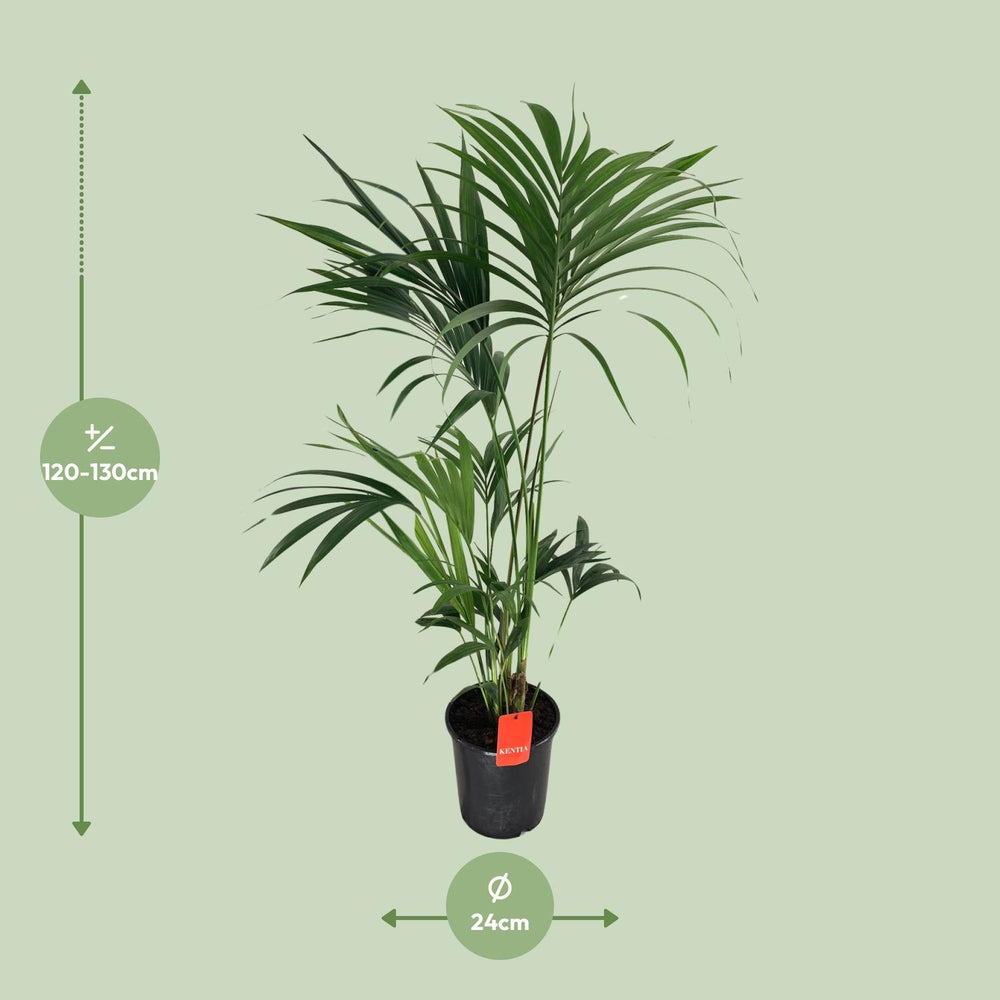


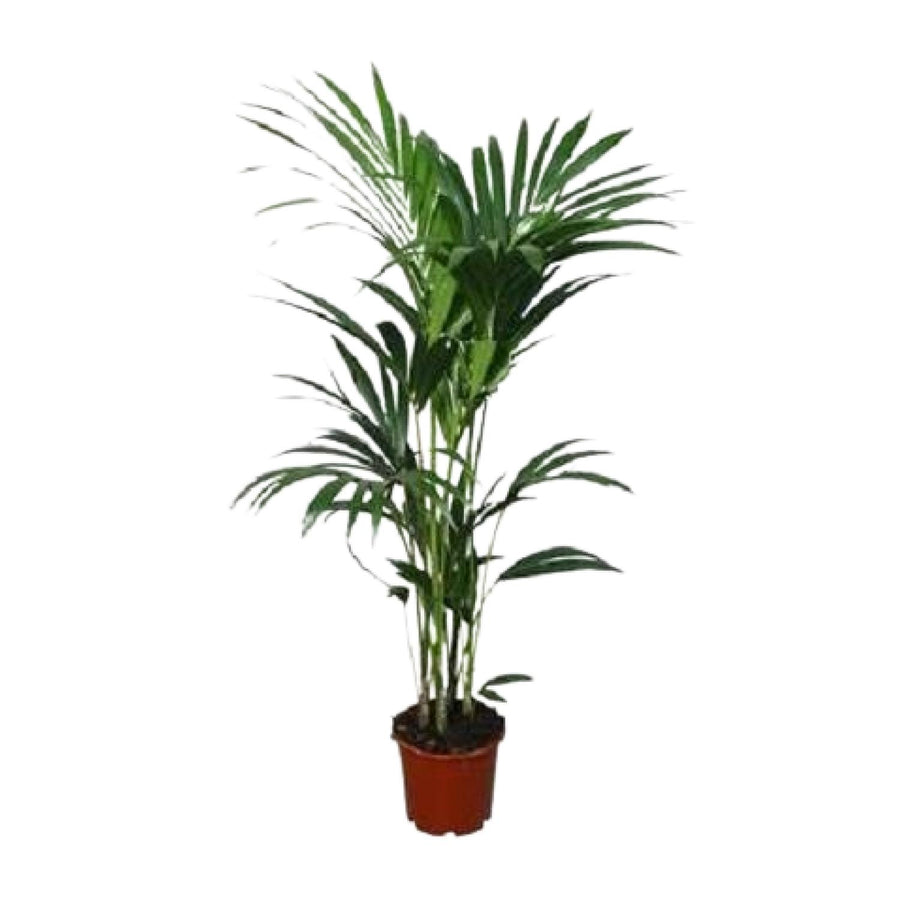
Air Purifying Plants — NASA-Studied Indoor Houseplants
59 products
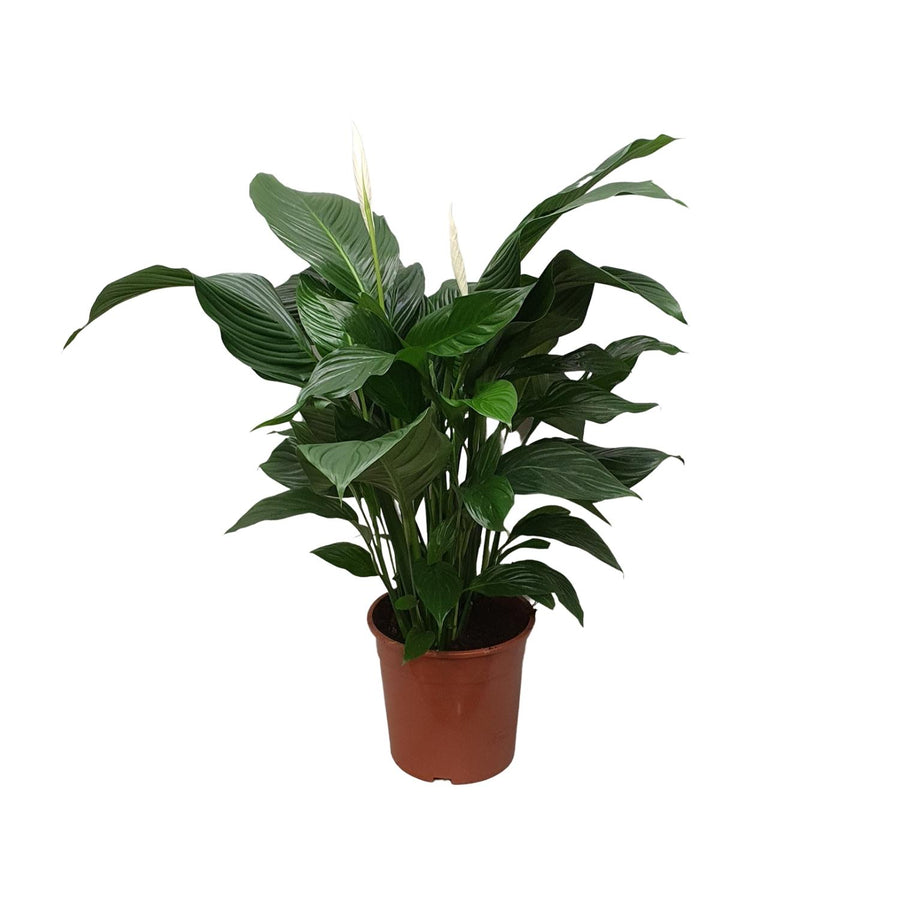
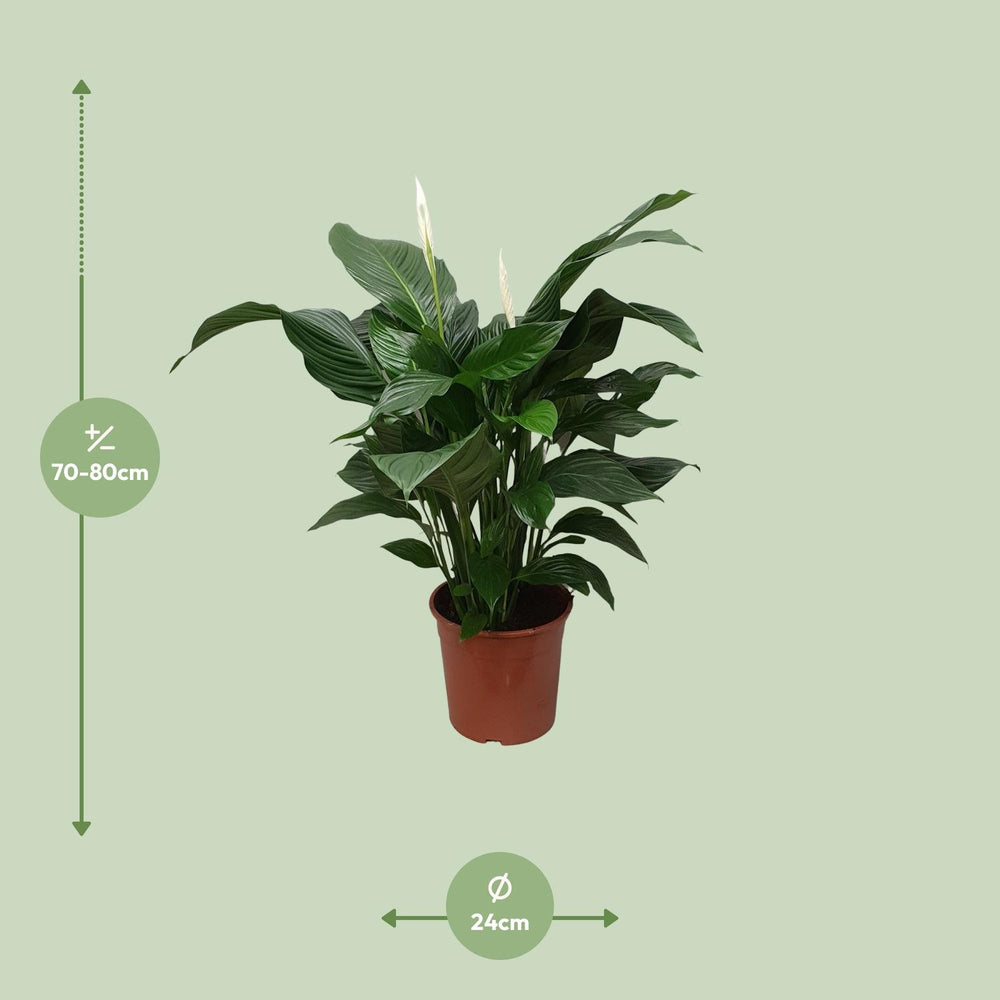
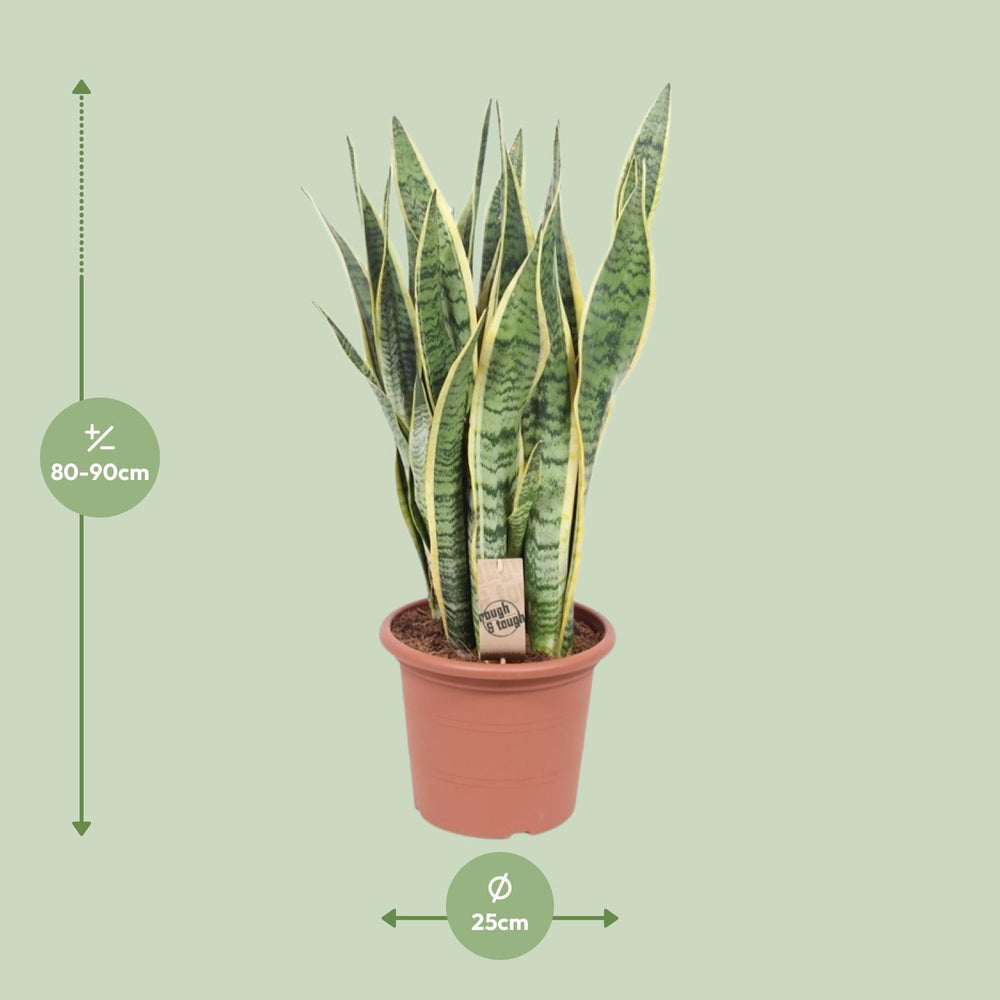
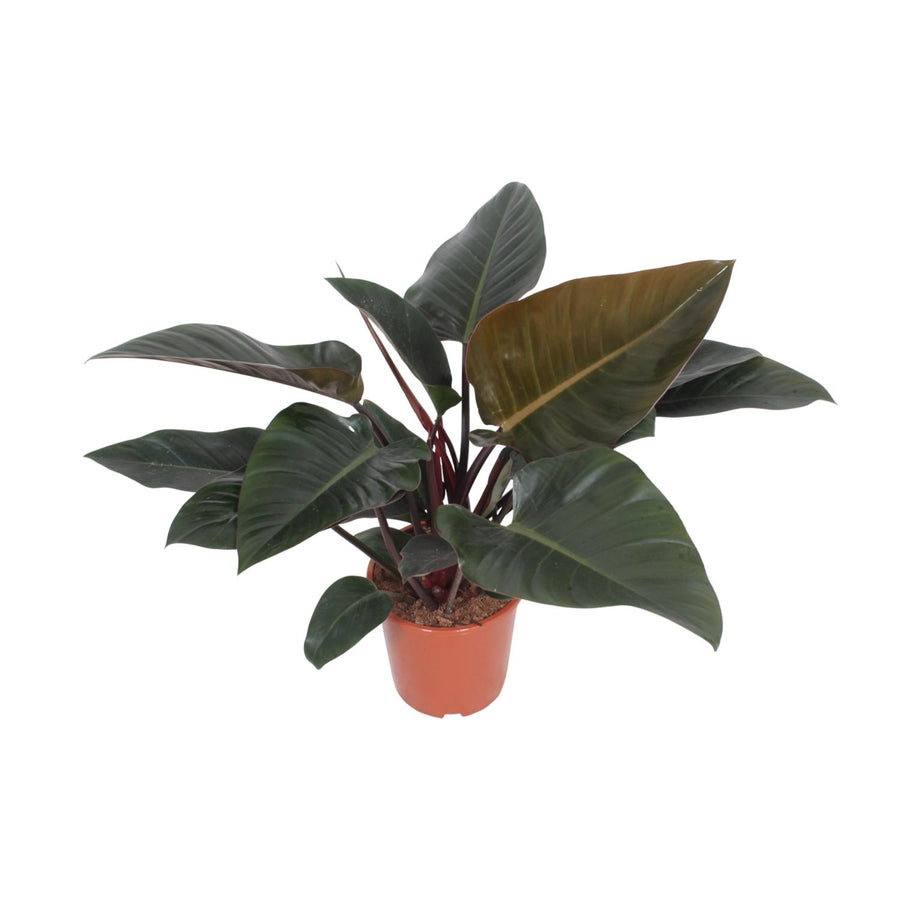
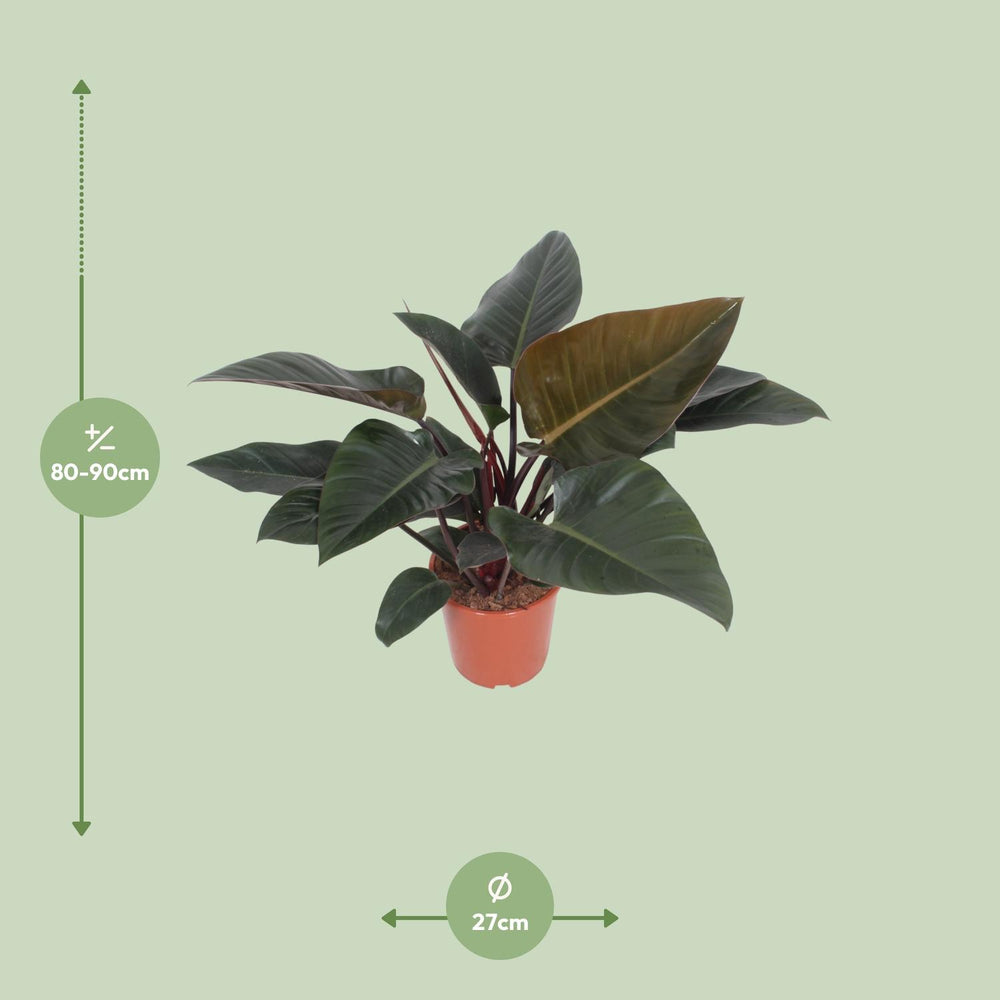
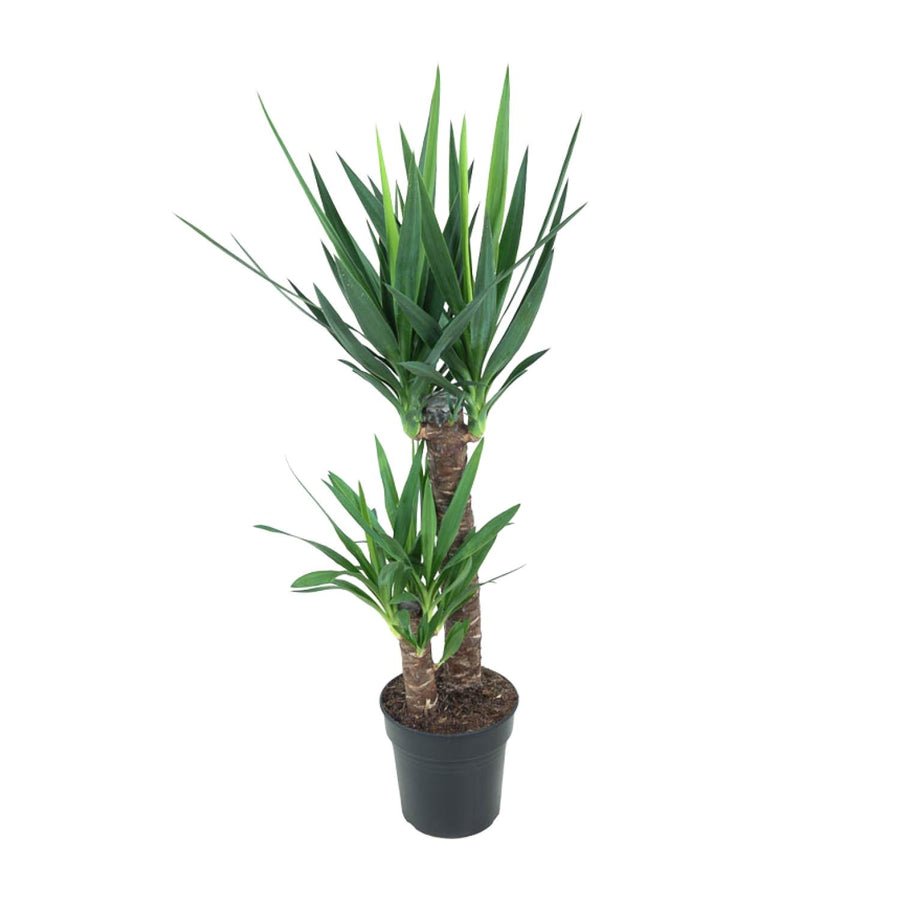
The best air purifying indoor plants — Sansevieria trifasciata (Snake Plant), Spathiphyllum (Peace Lily), Chlorophytum comosum (Spider Plant), and Pothos — are proven to remove benzene, formaldehyde, xylene, and ammonia from indoor air. Browse our air purifying plant collection with delivery across Europe.
What Does NASA's Clean Air Study Actually Say?
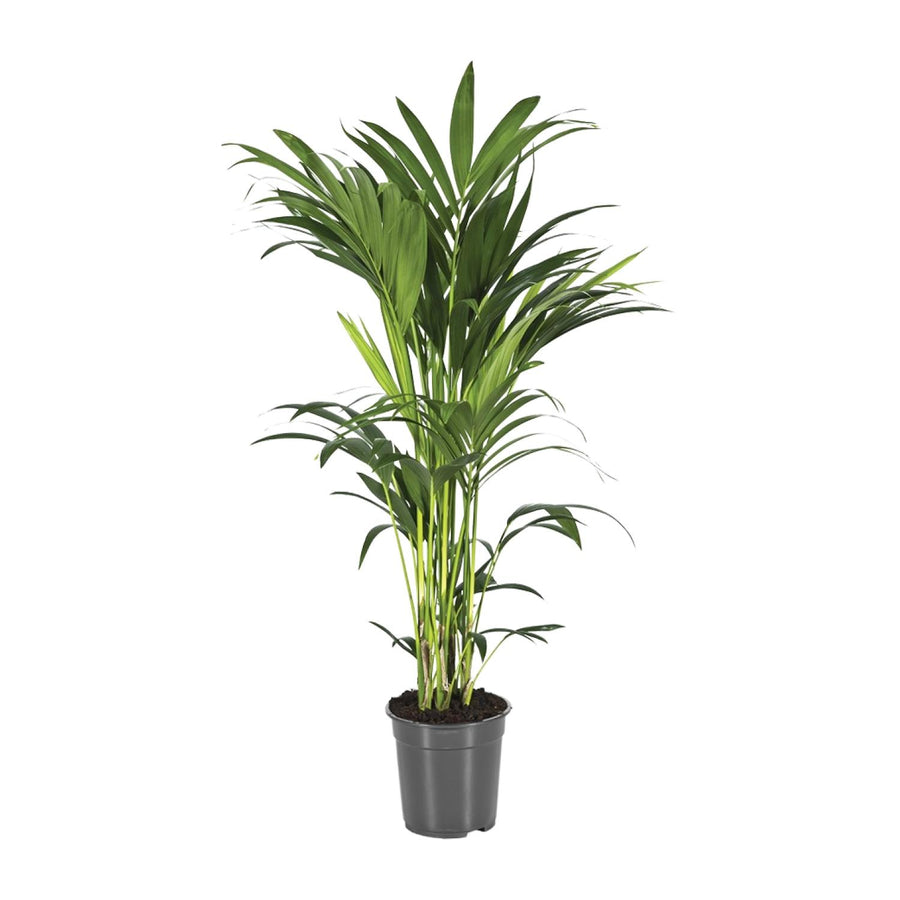
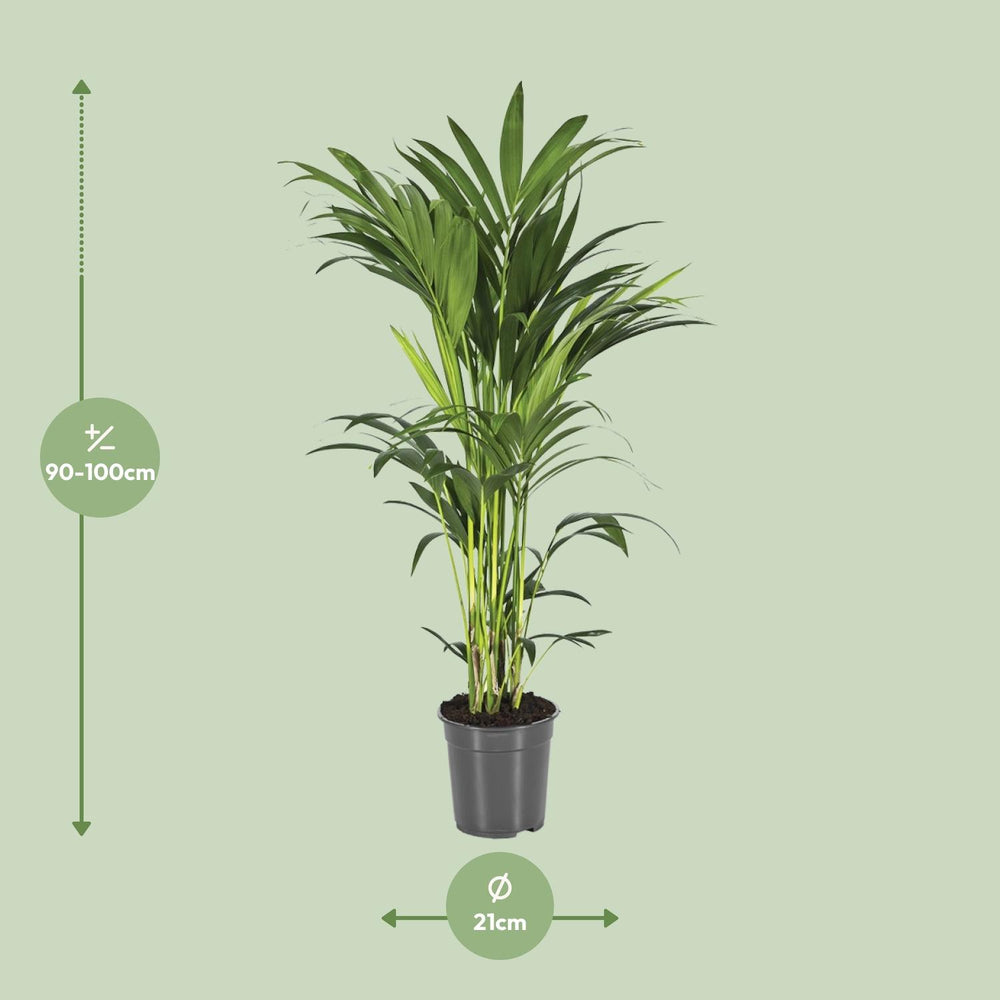
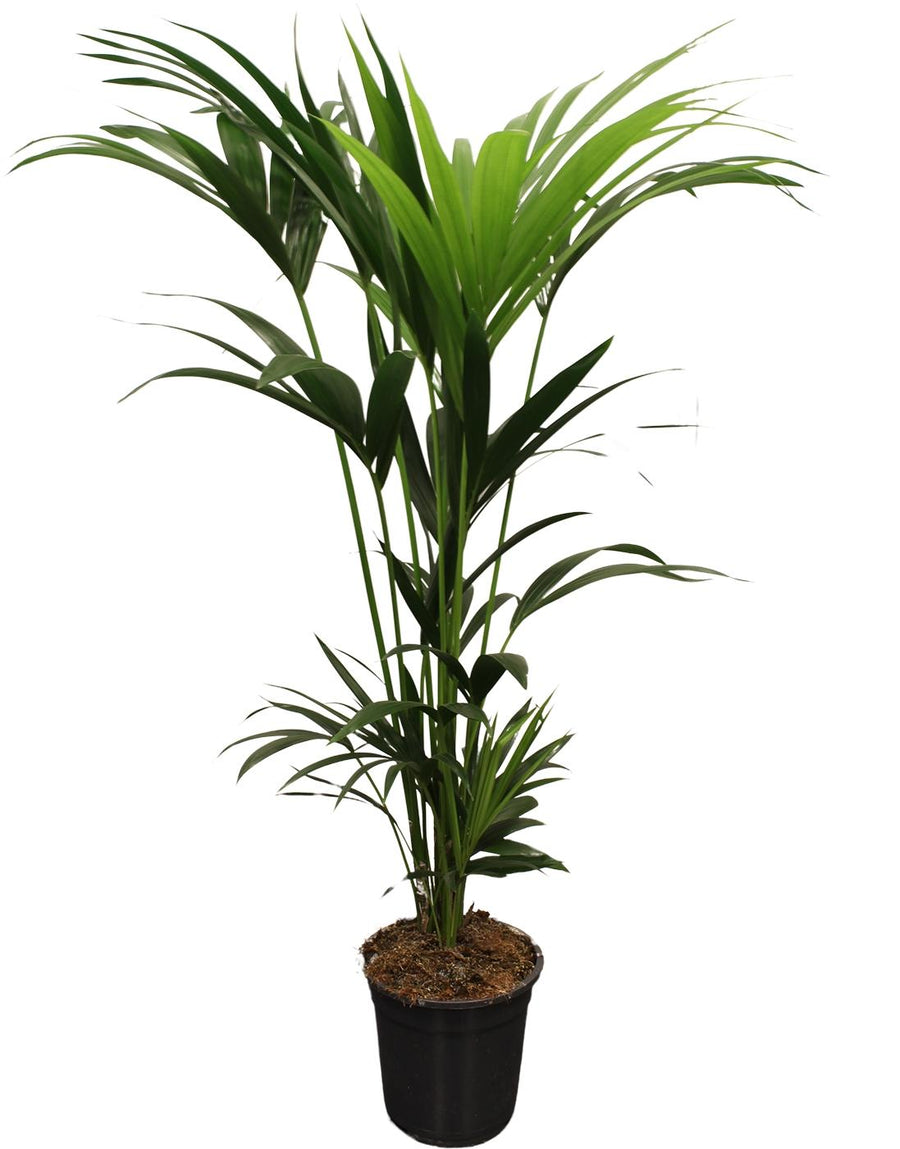
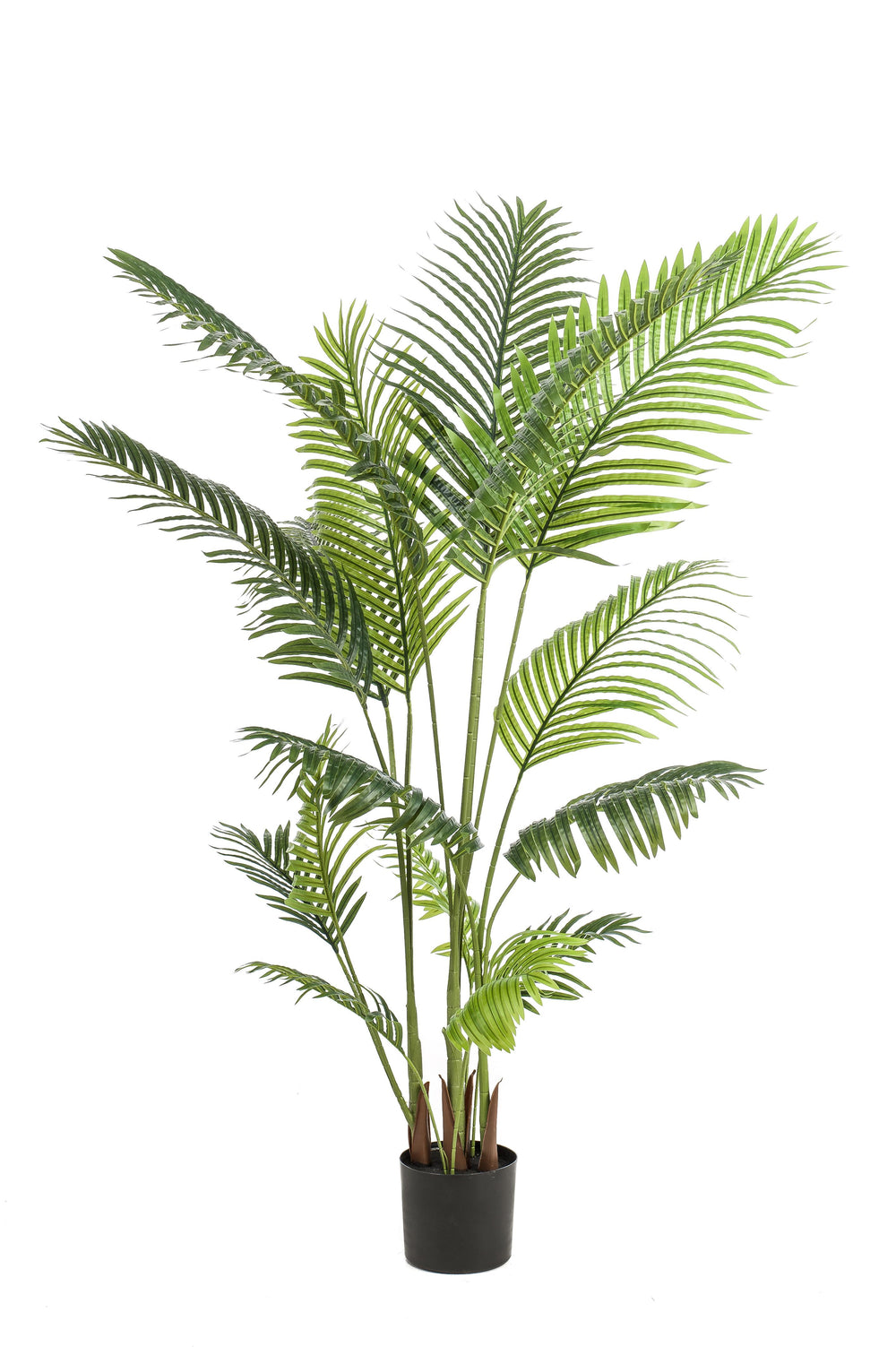
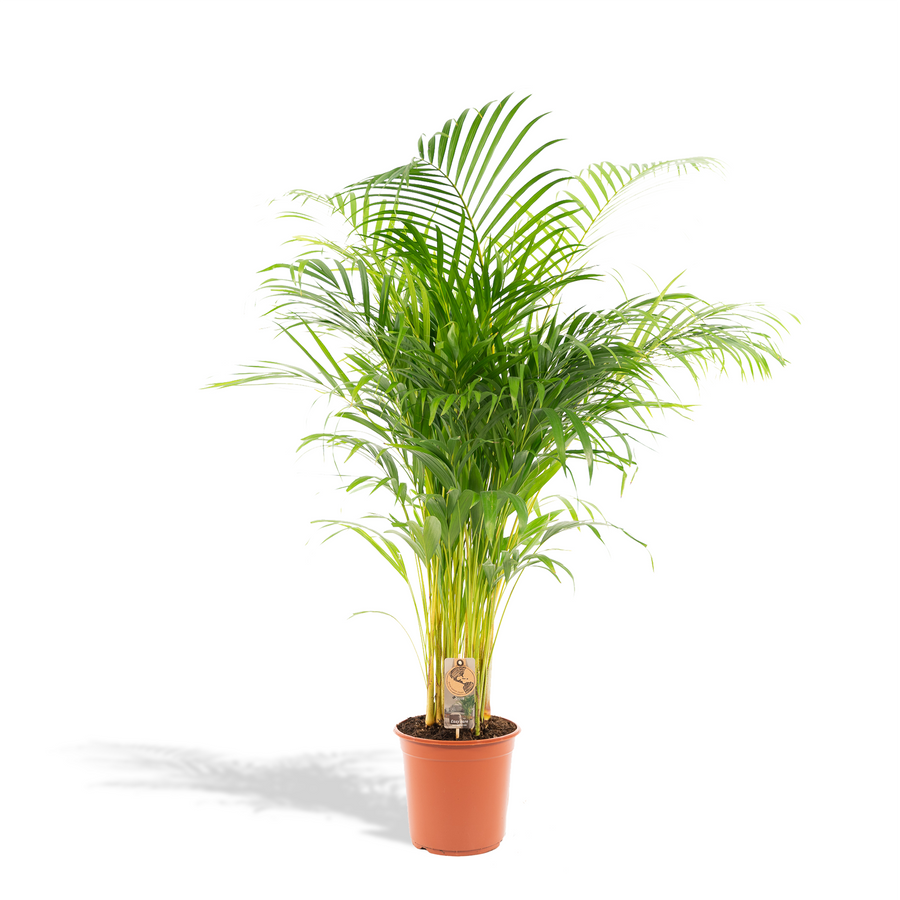
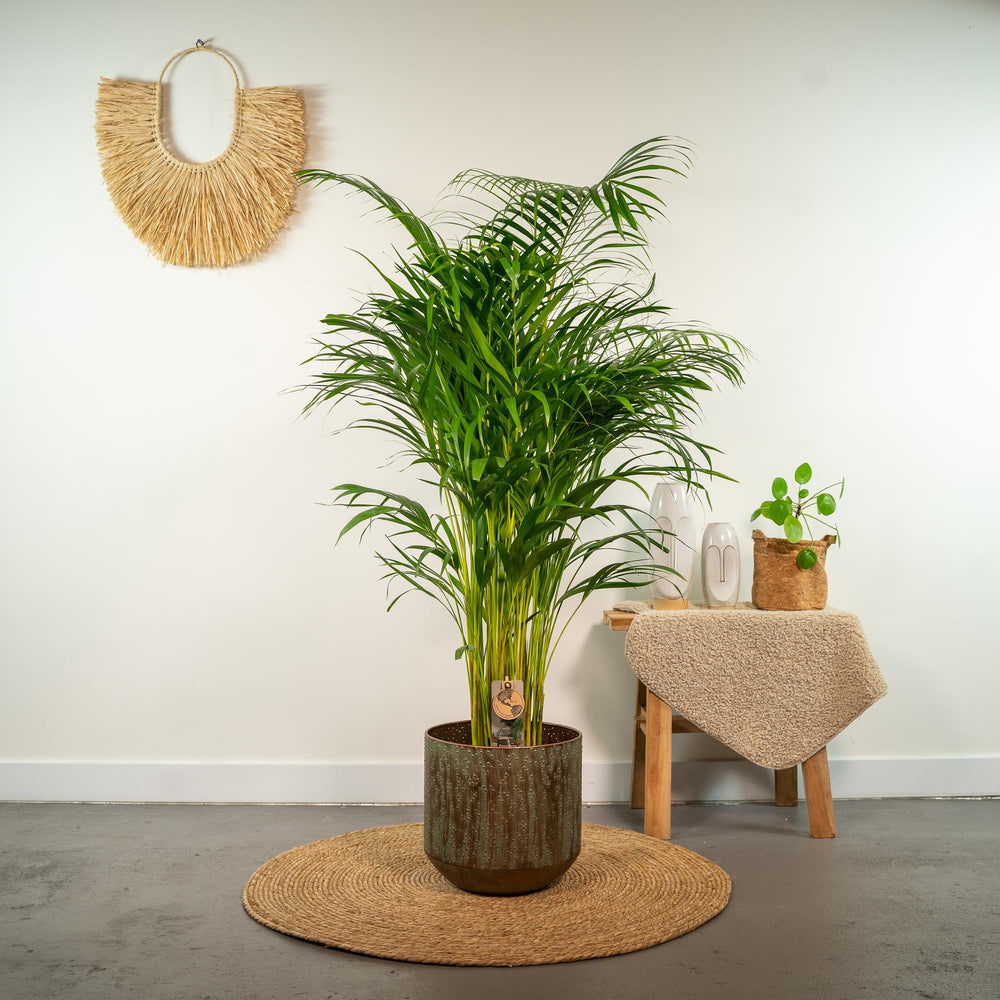
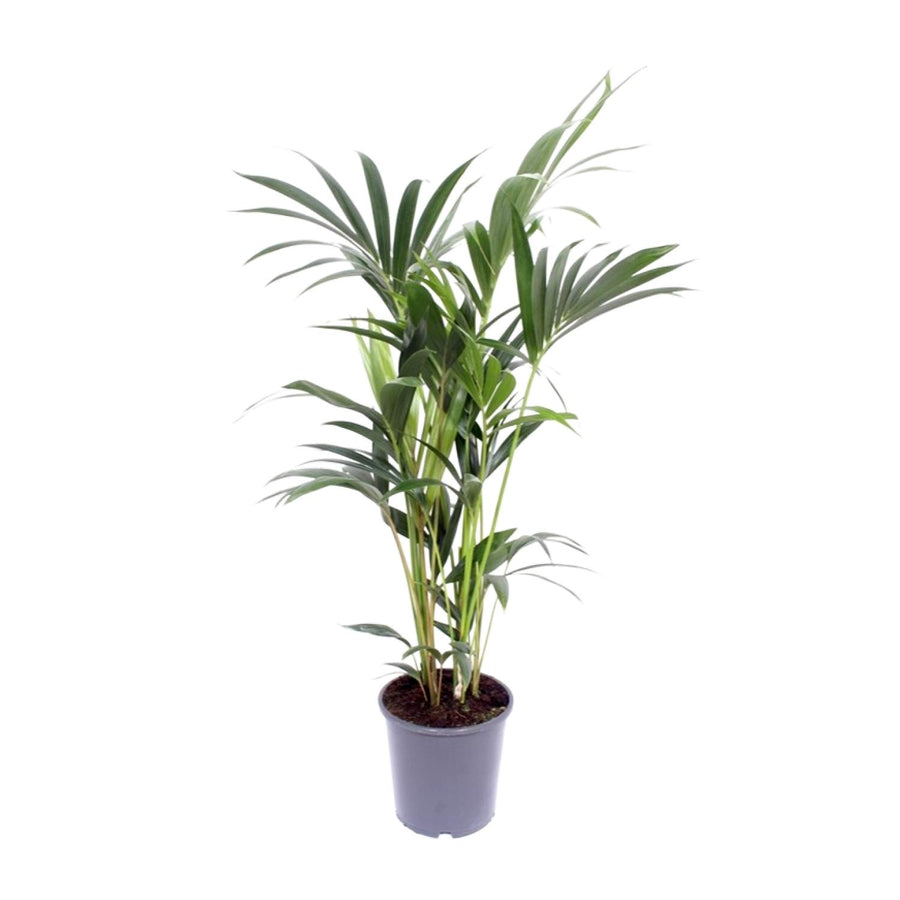
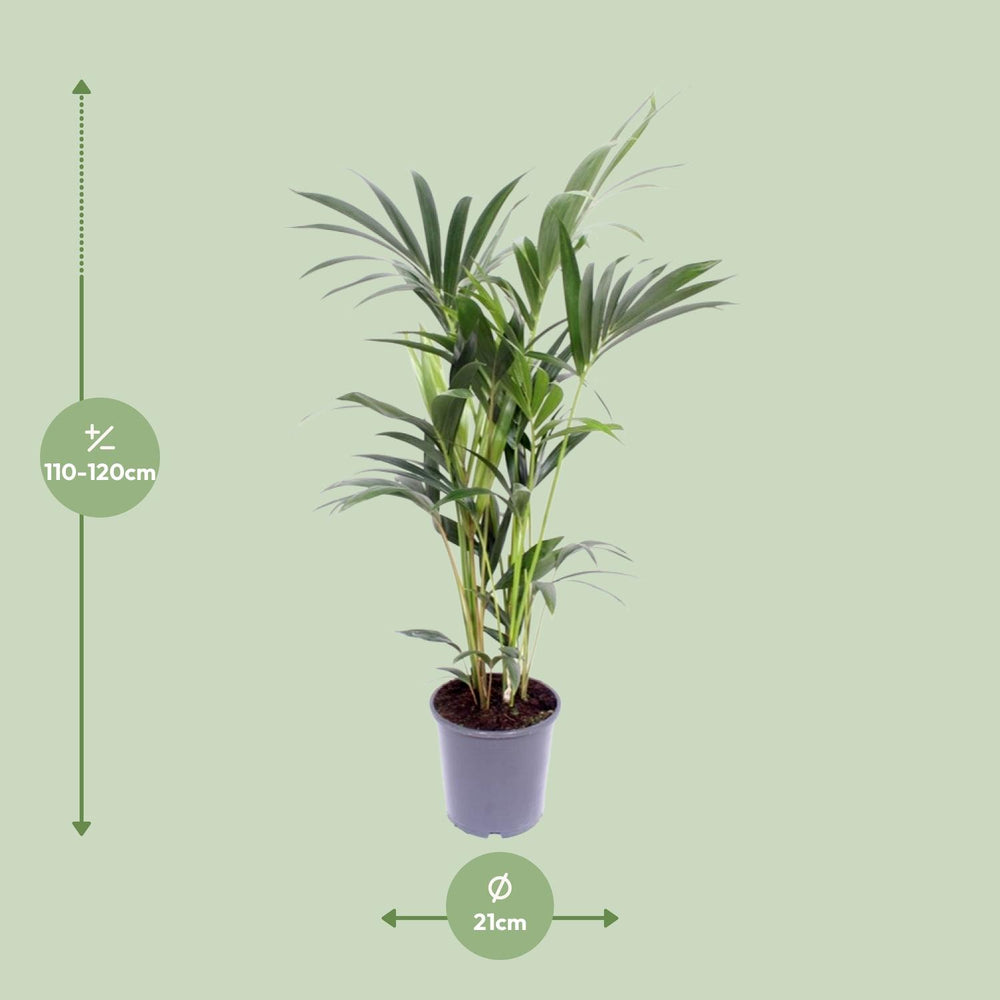
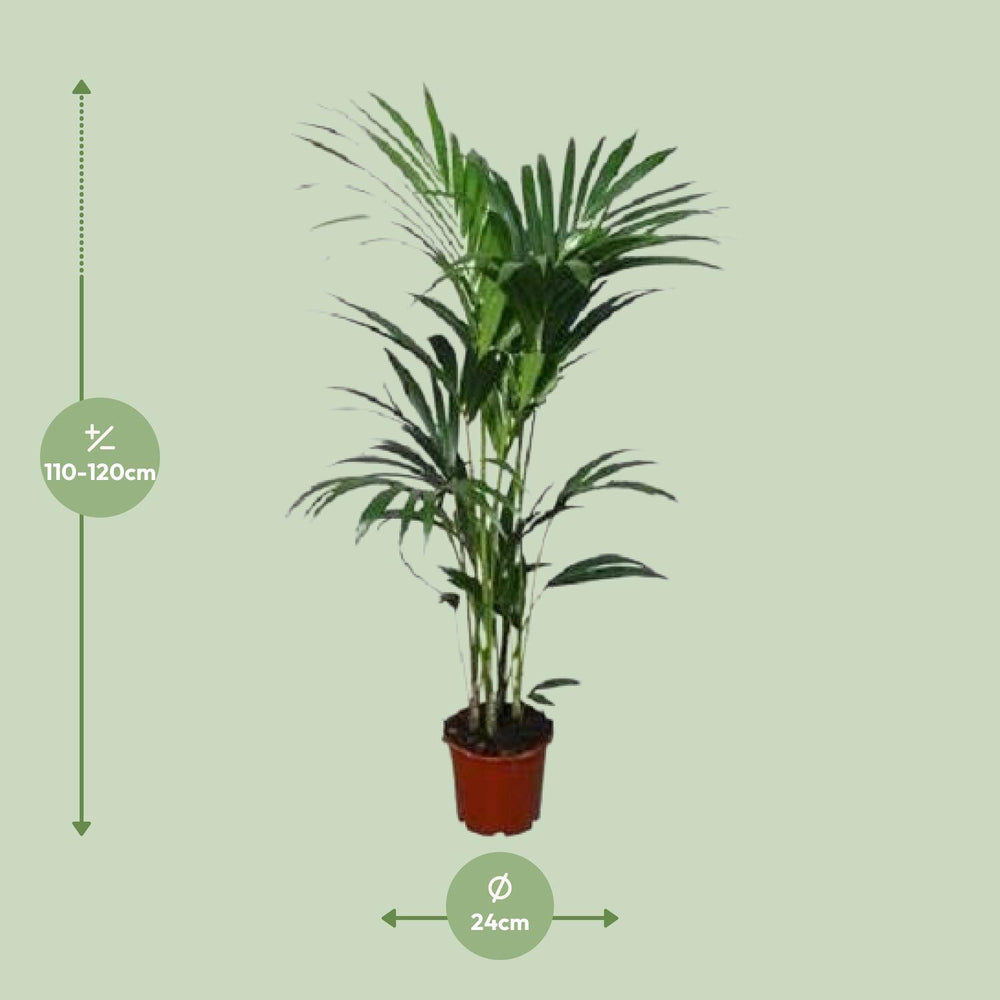
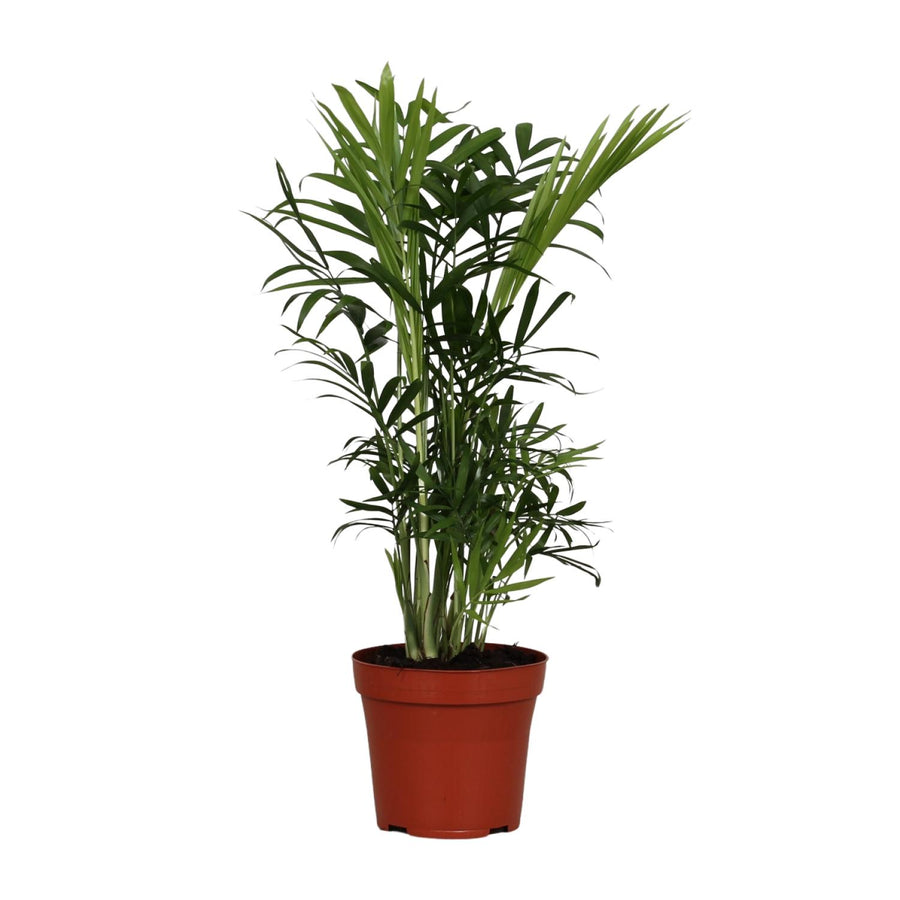
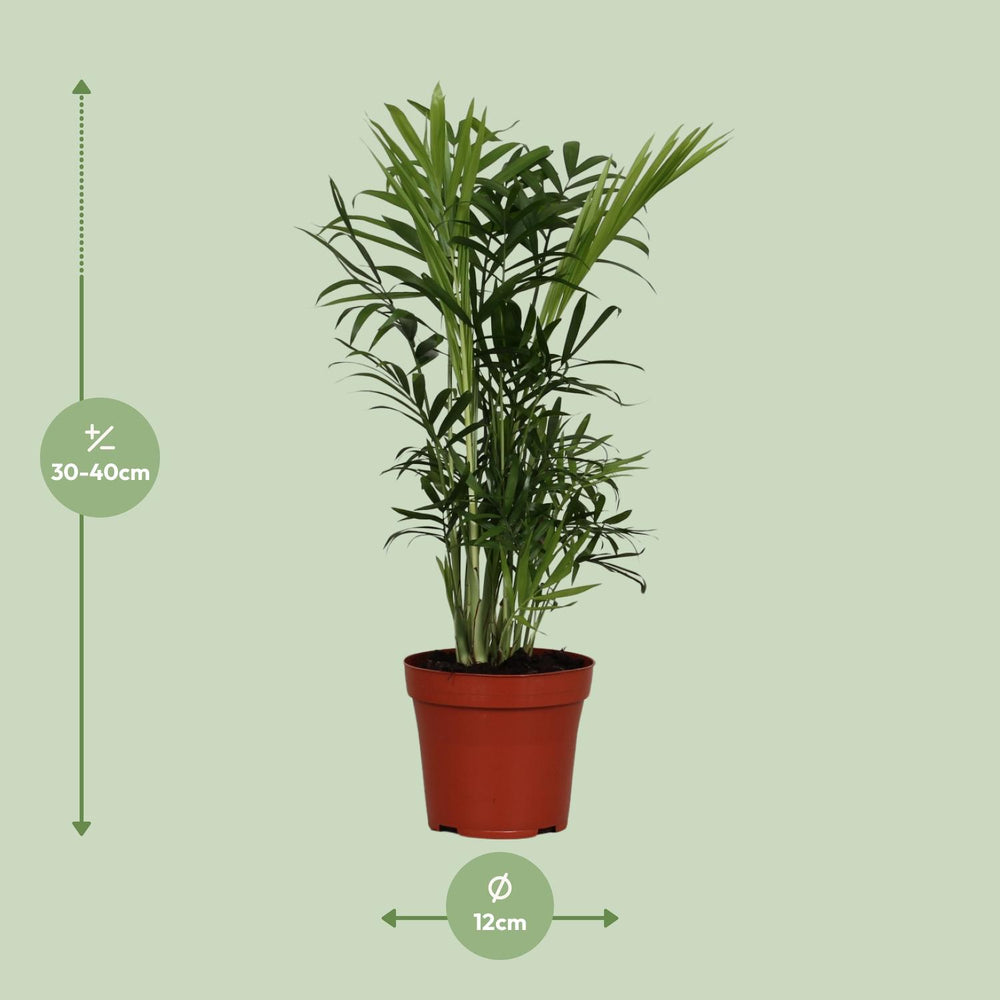
NASA's 1989 Interior Landscape Plants for Indoor Air Pollution Abatement study tested 19 common houseplants for their ability to remove volatile organic compounds (VOCs) from sealed test chambers. The top performers were Peace Lily (Spathiphyllum), English Ivy (Hedera helix), and Chrysalidocarpus lutescens (Areca Palm). The study found that plants remove VOCs primarily through the root-soil microorganism system, not the leaves alone — meaning potting soil quality matters.
Best Air Purifying Plants for Different Rooms
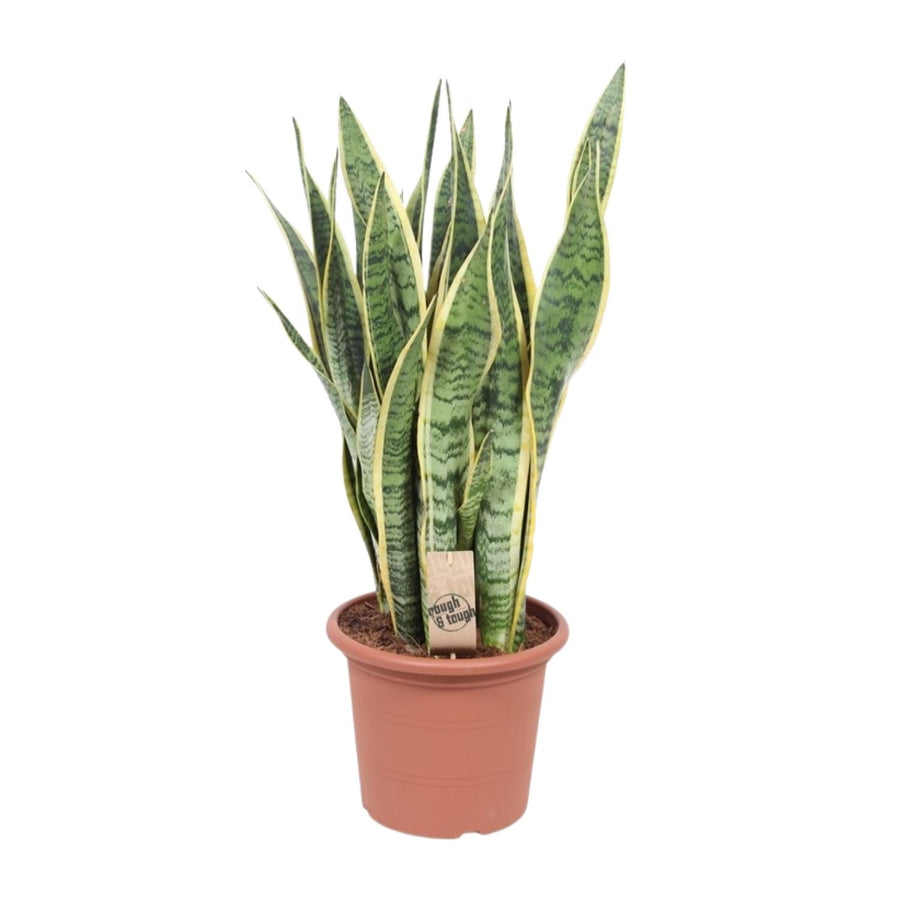
- Bedroom — Snake Plant (Sansevieria): produces oxygen at night via CAM photosynthesis; very low light tolerance
- Bathroom — Peace Lily or Boston Fern: thrive in high humidity; filter mould spores and cleaning chemical fumes
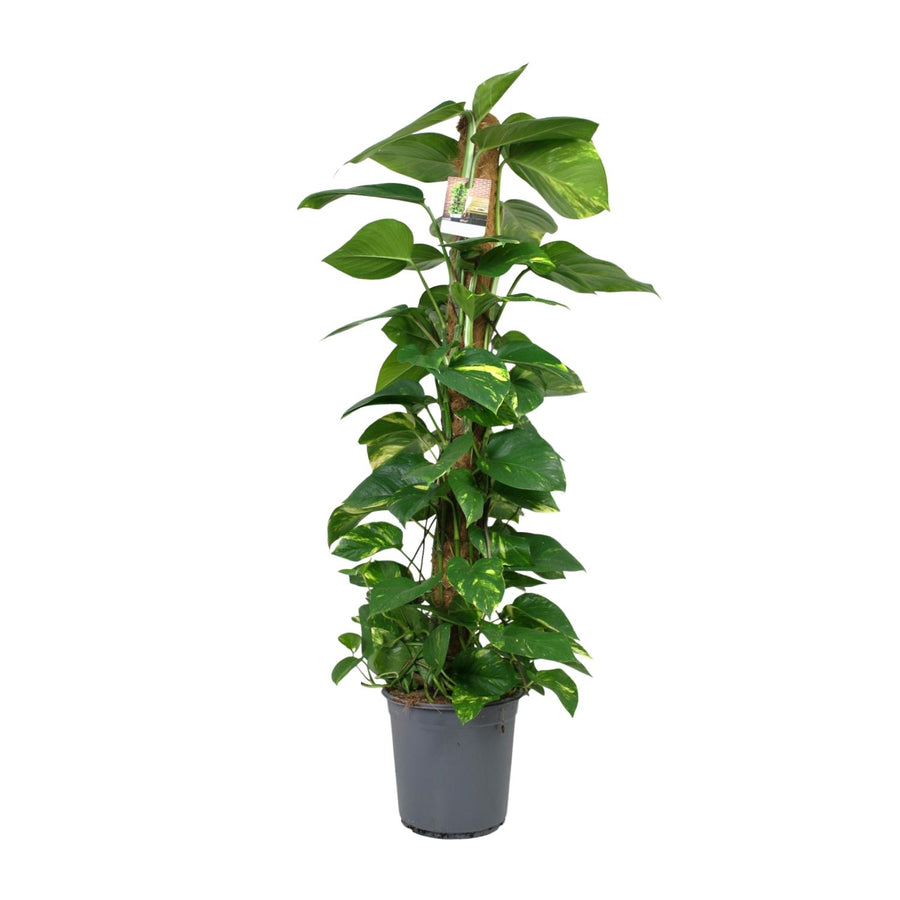
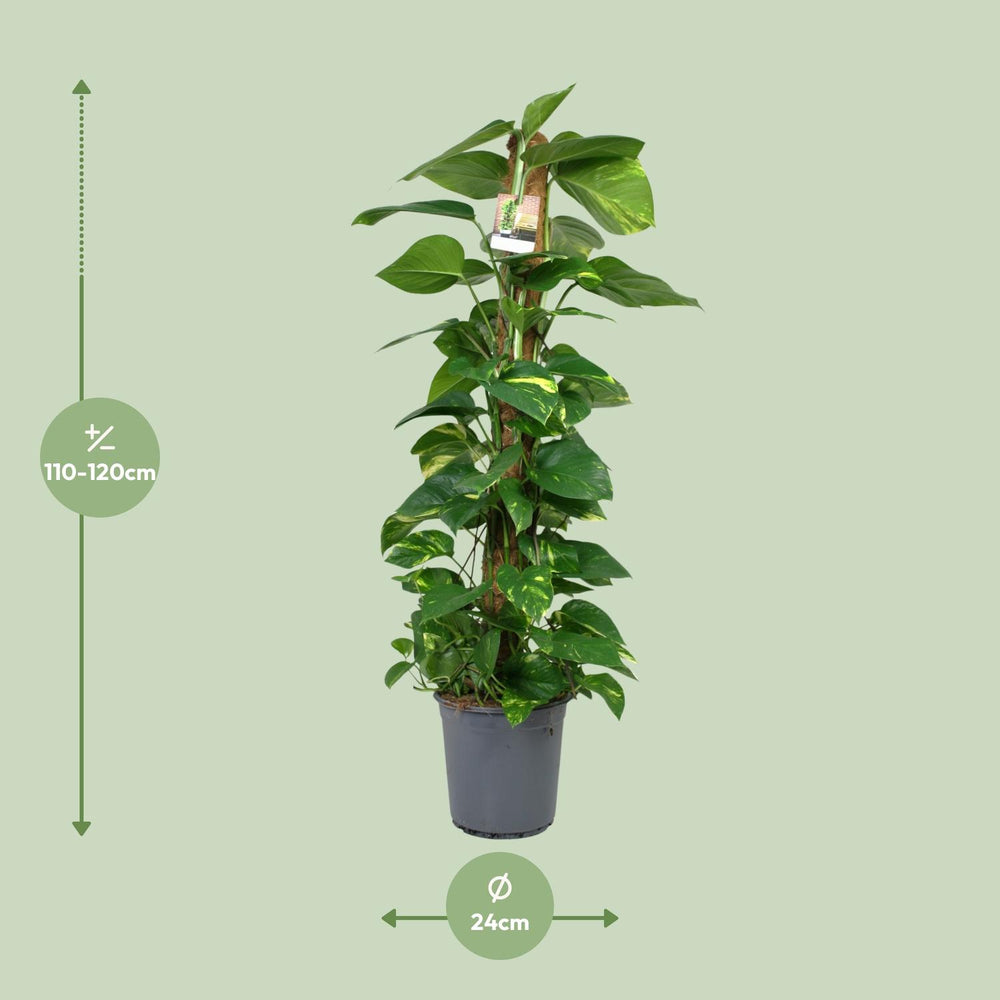
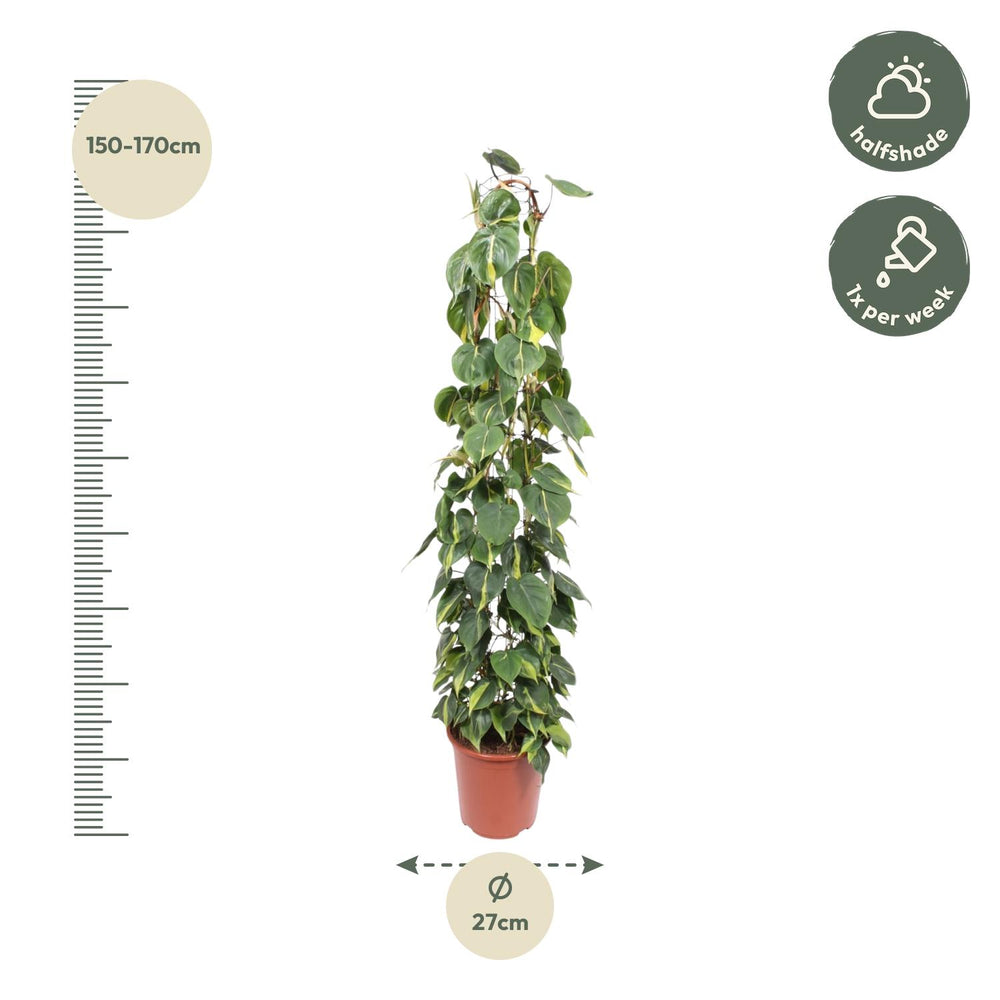
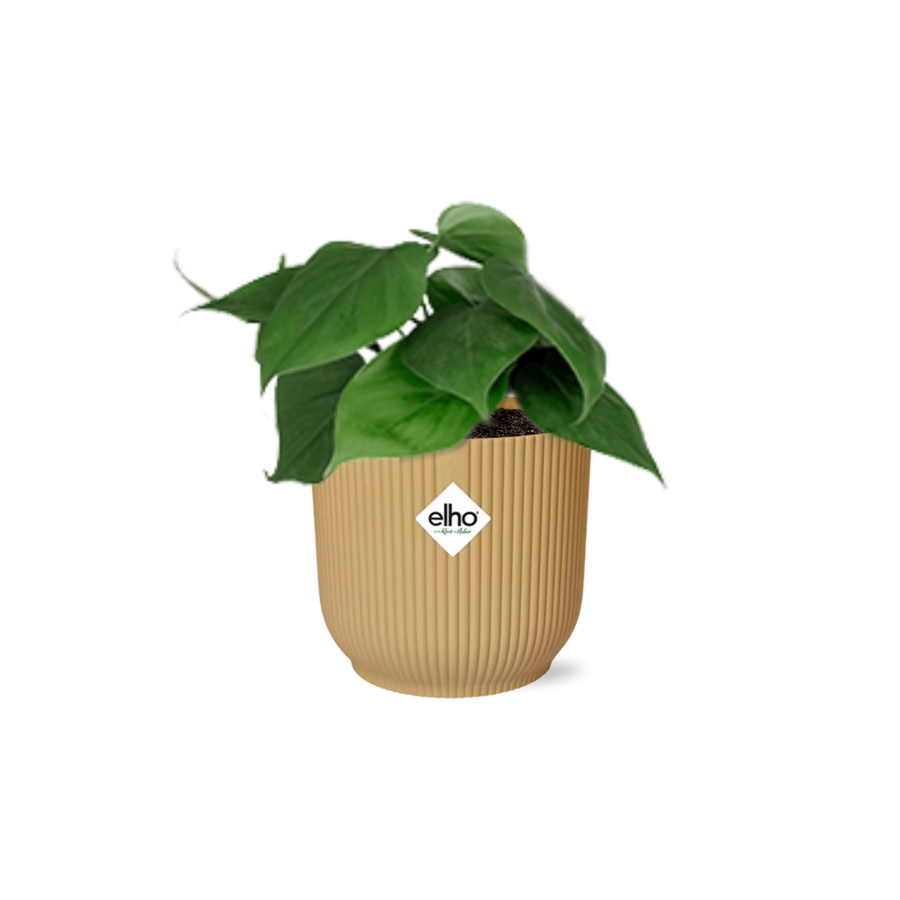
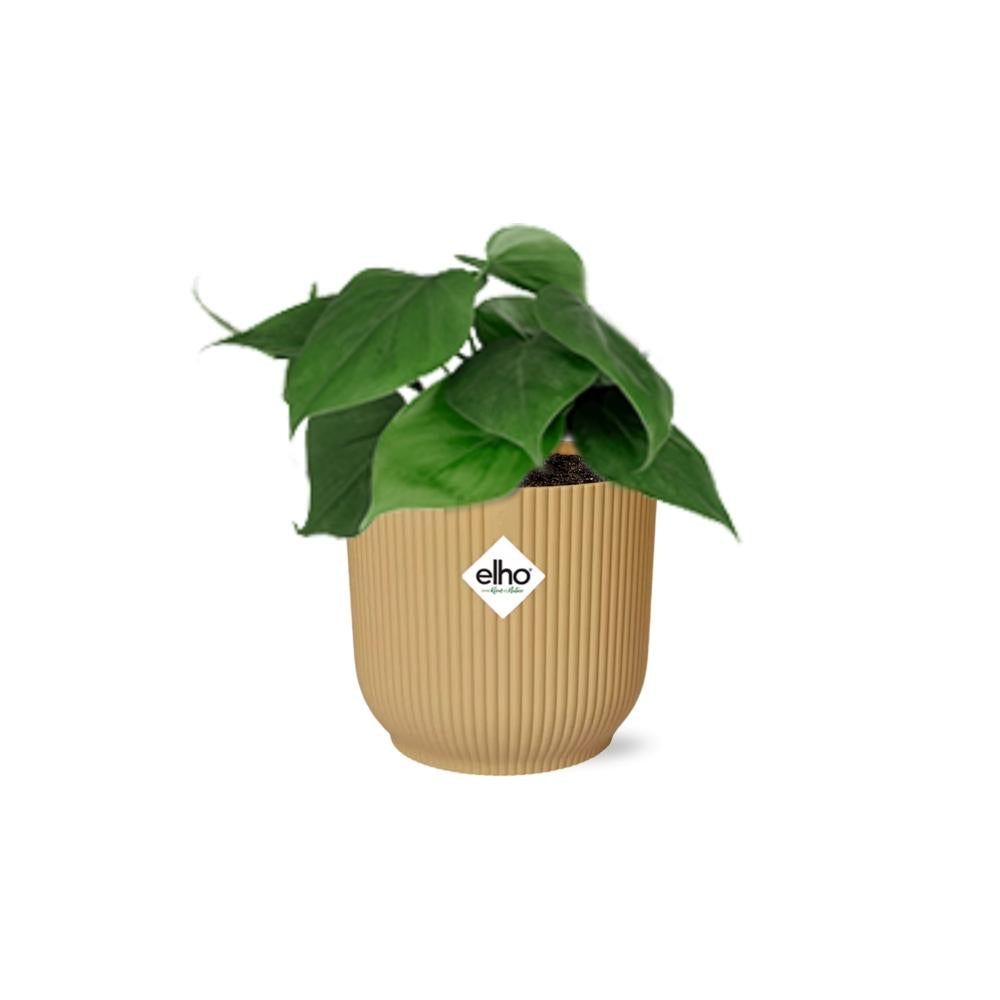
- Office — Pothos or Spider Plant: tolerate fluorescent lighting; effectively reduce CO₂ levels in enclosed spaces
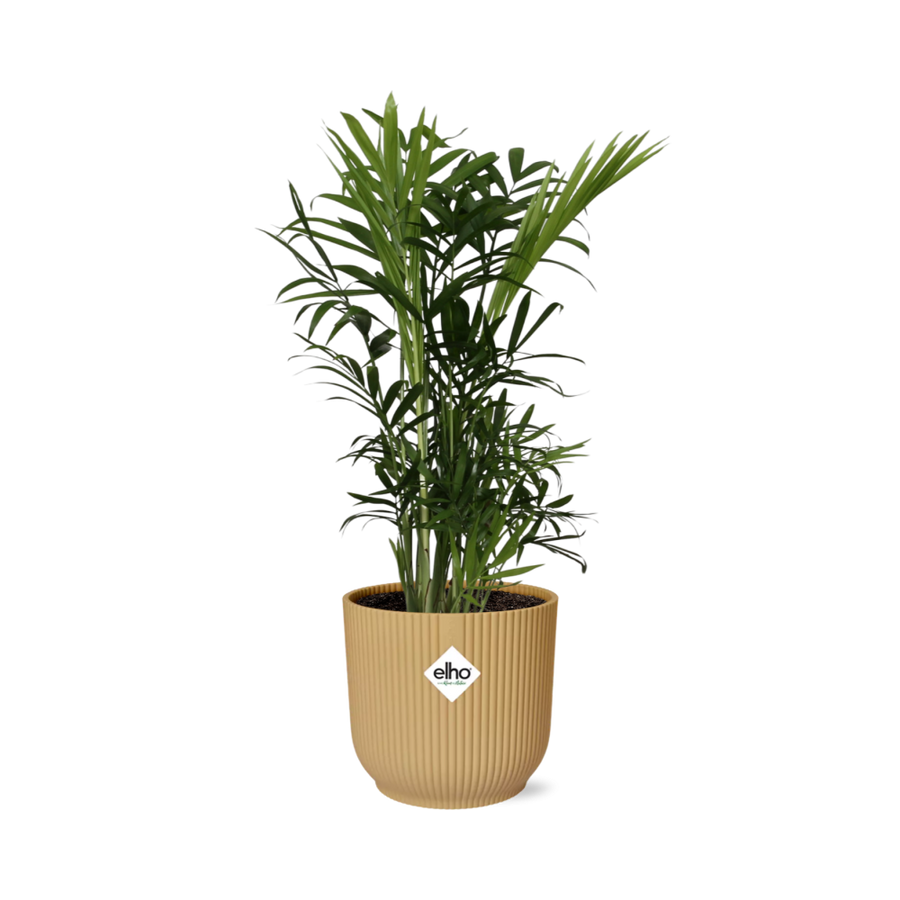
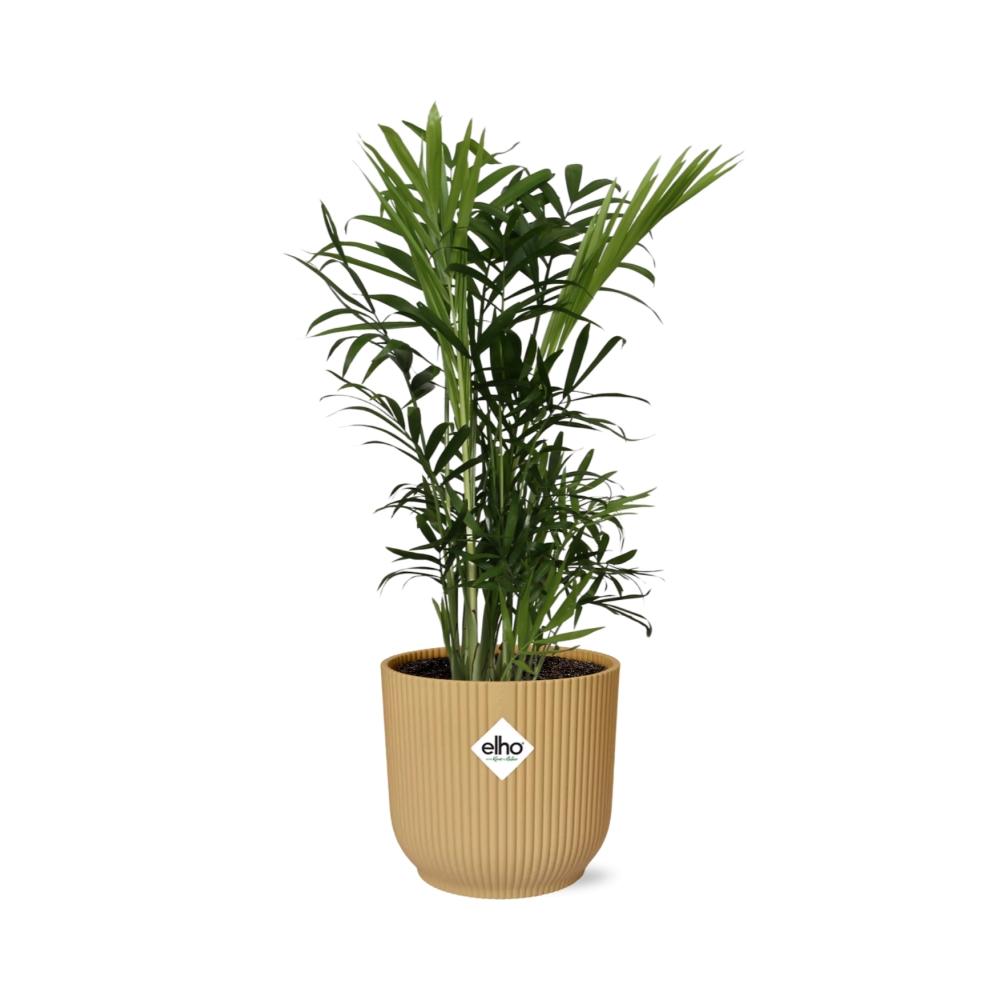
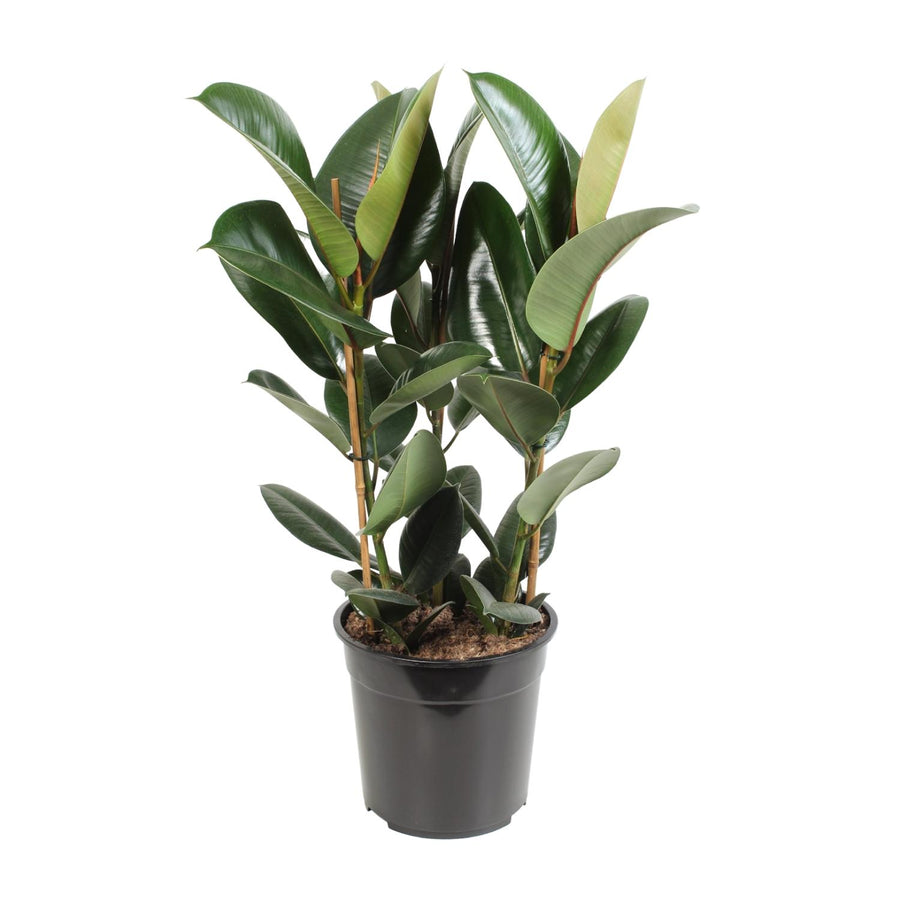
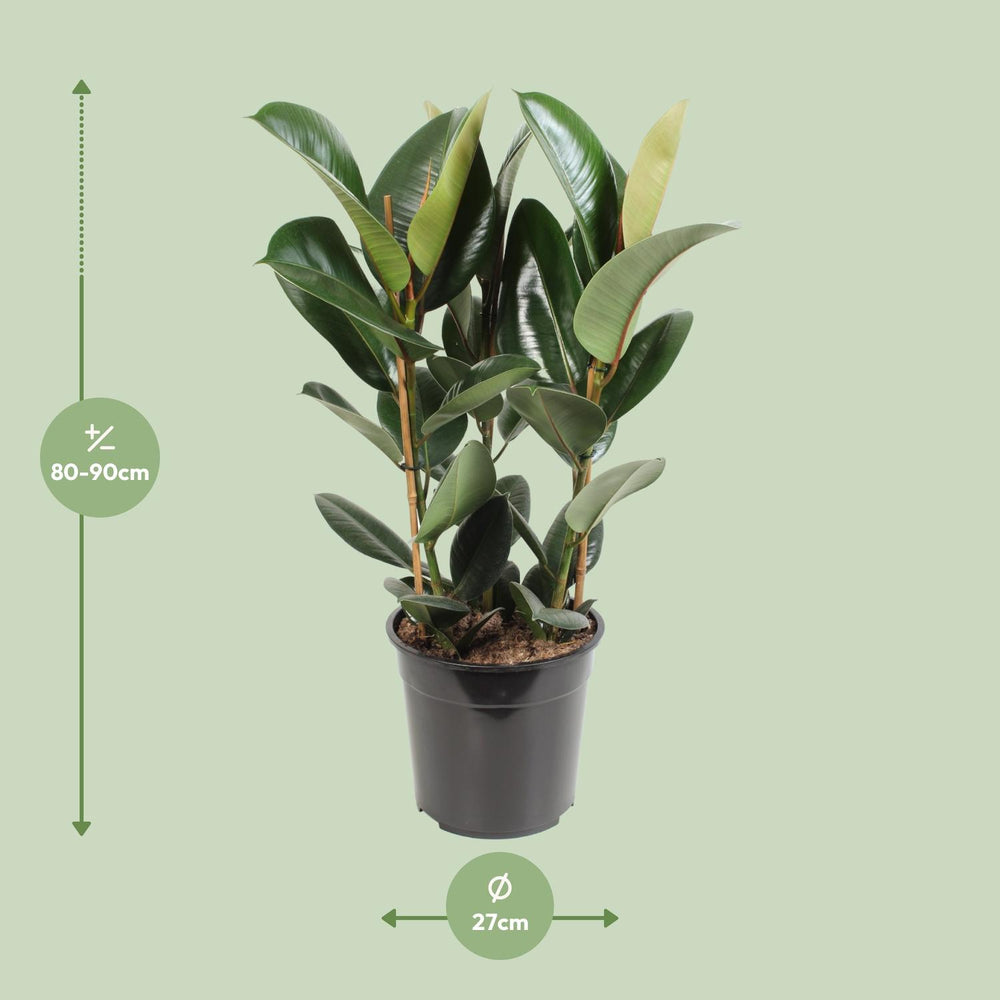
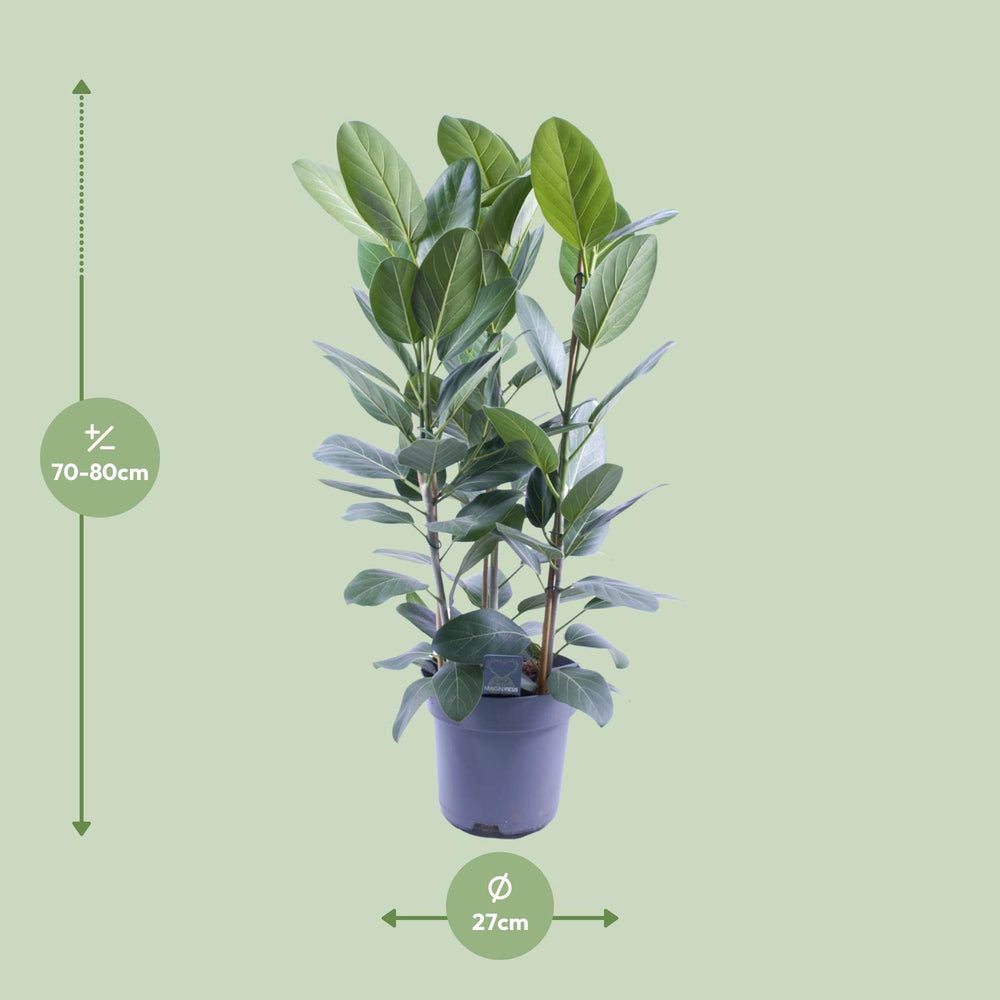
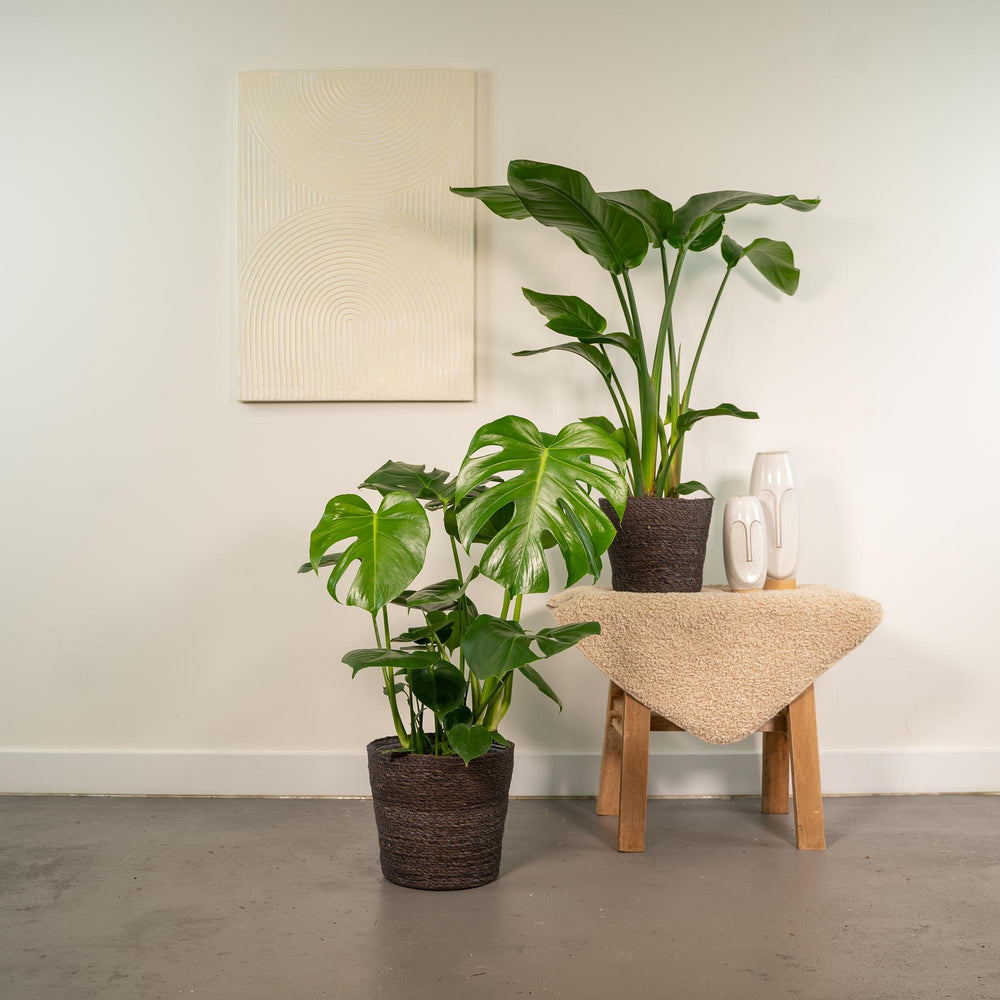
- Living room — Areca Palm or Rubber Plant: larger specimens move more air volume; more effective at scale
How Many Air Purifying Plants Do I Need?
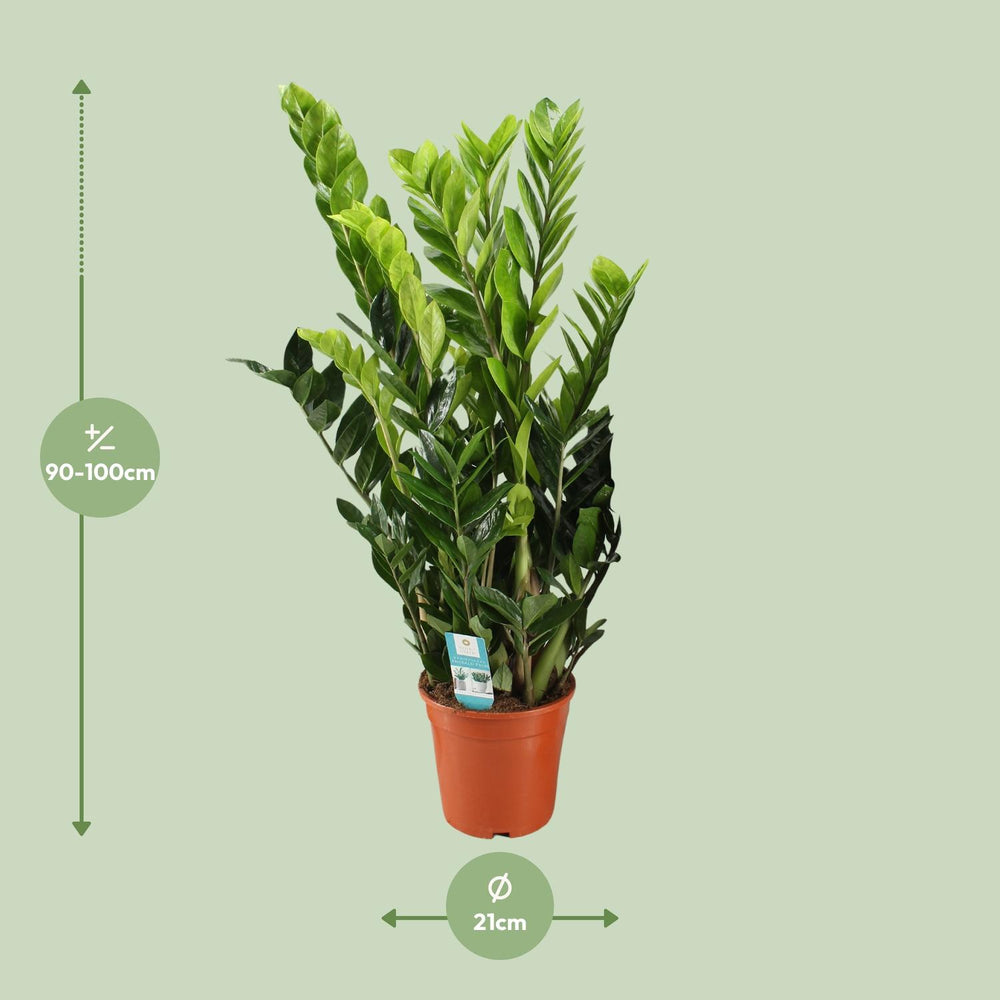
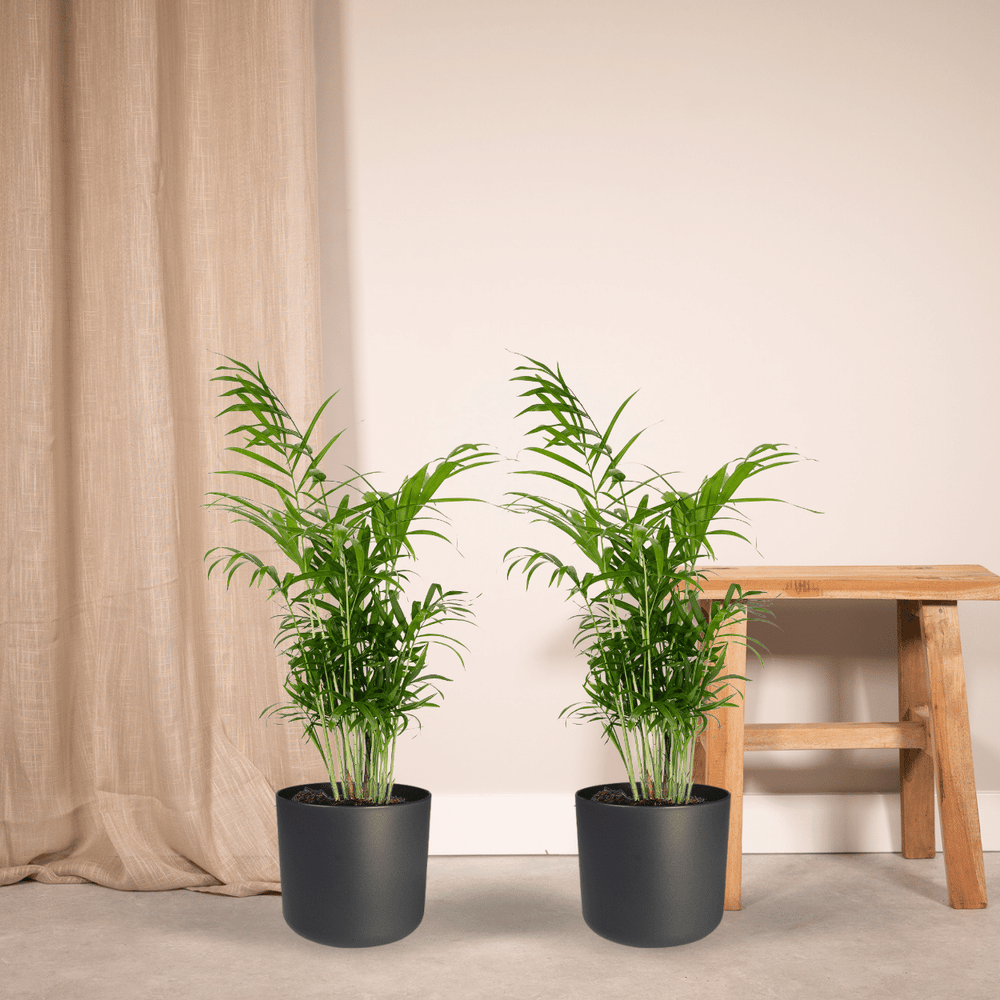
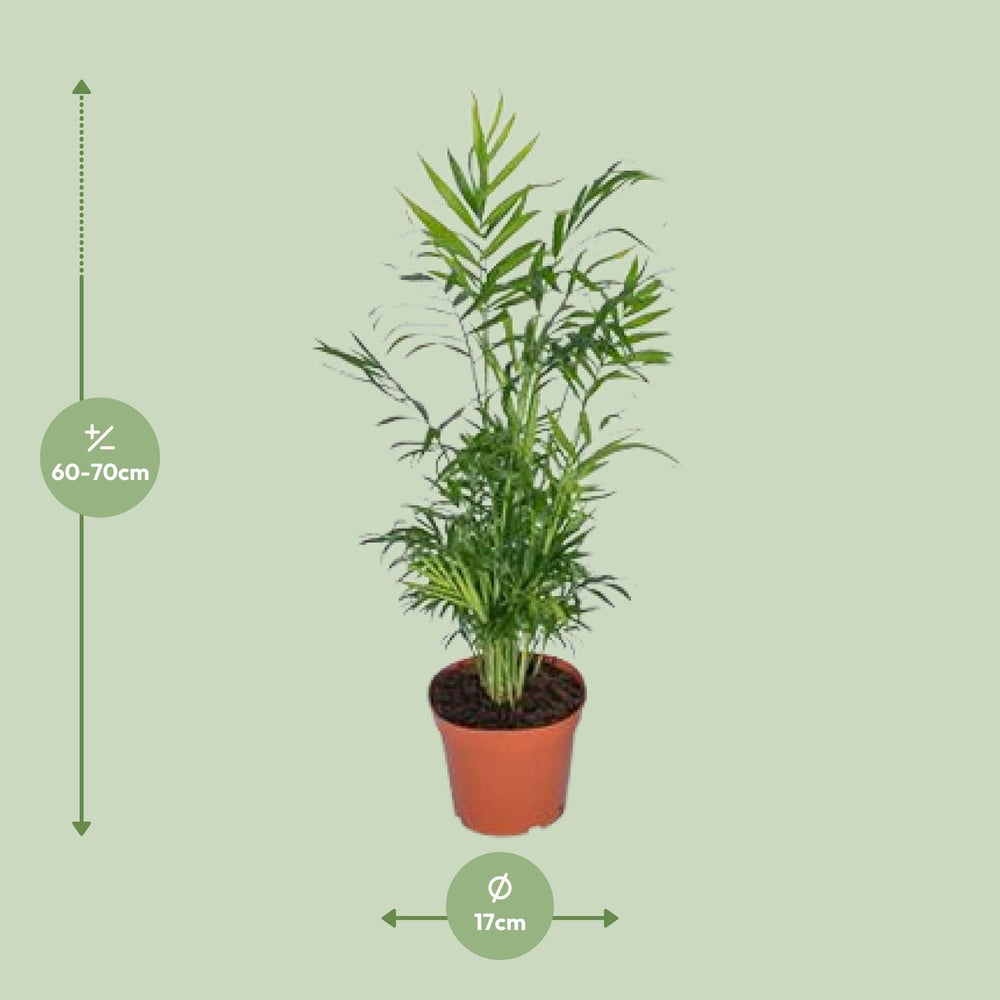
NASA's research suggested approximately one medium-to-large plant per 9–10 square metres of floor space for measurable air quality improvement. In a typical 15m² bedroom, 2 medium plants (pot diameter 17cm+) will provide meaningful benefit. Clustering plants together also increases local humidity — beneficial in centrally heated rooms where indoor air can drop to 20–30% relative humidity in winter.
Explore our bedroom plants, bathroom plants, and low light plants collections.