



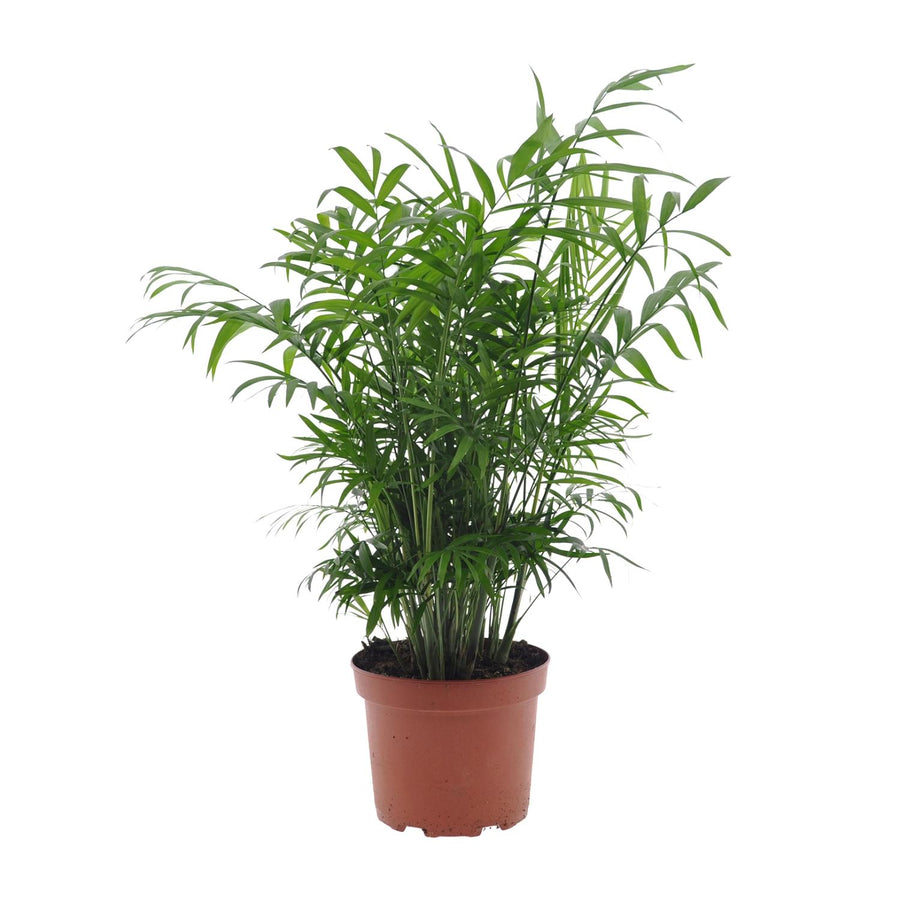
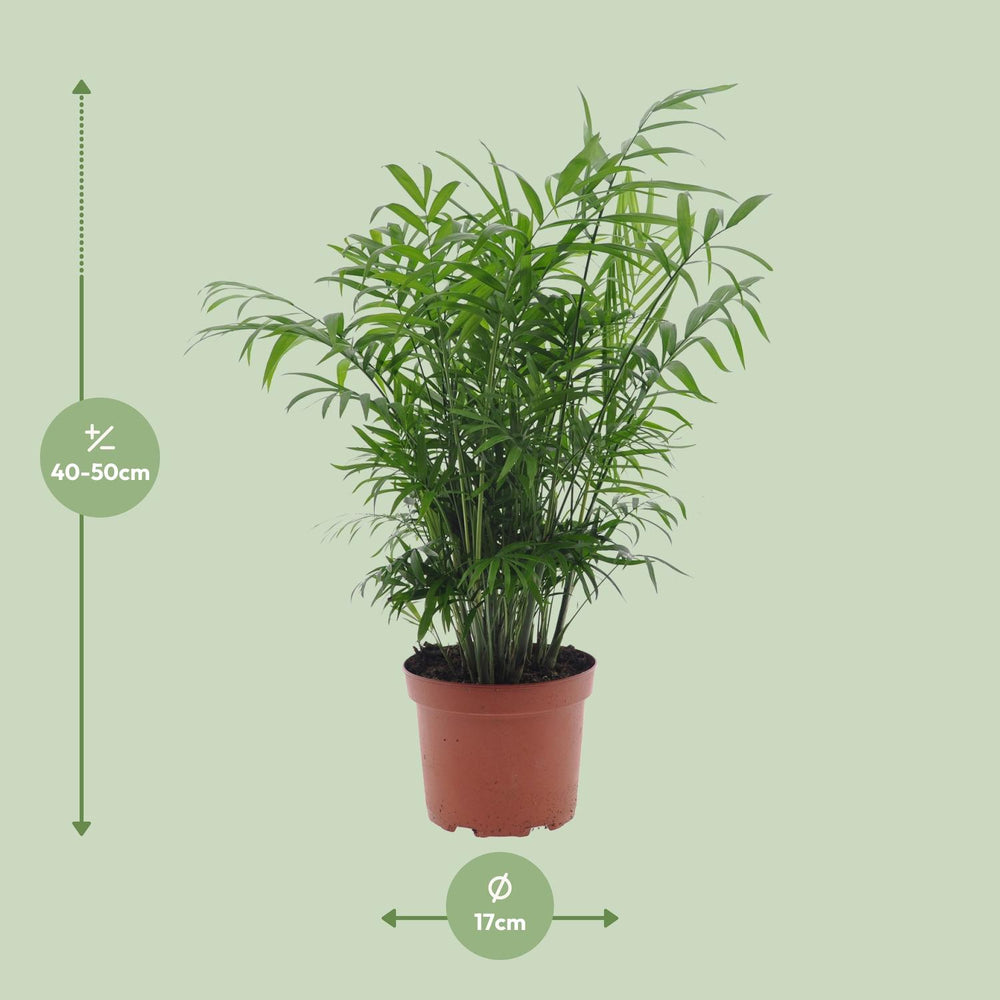
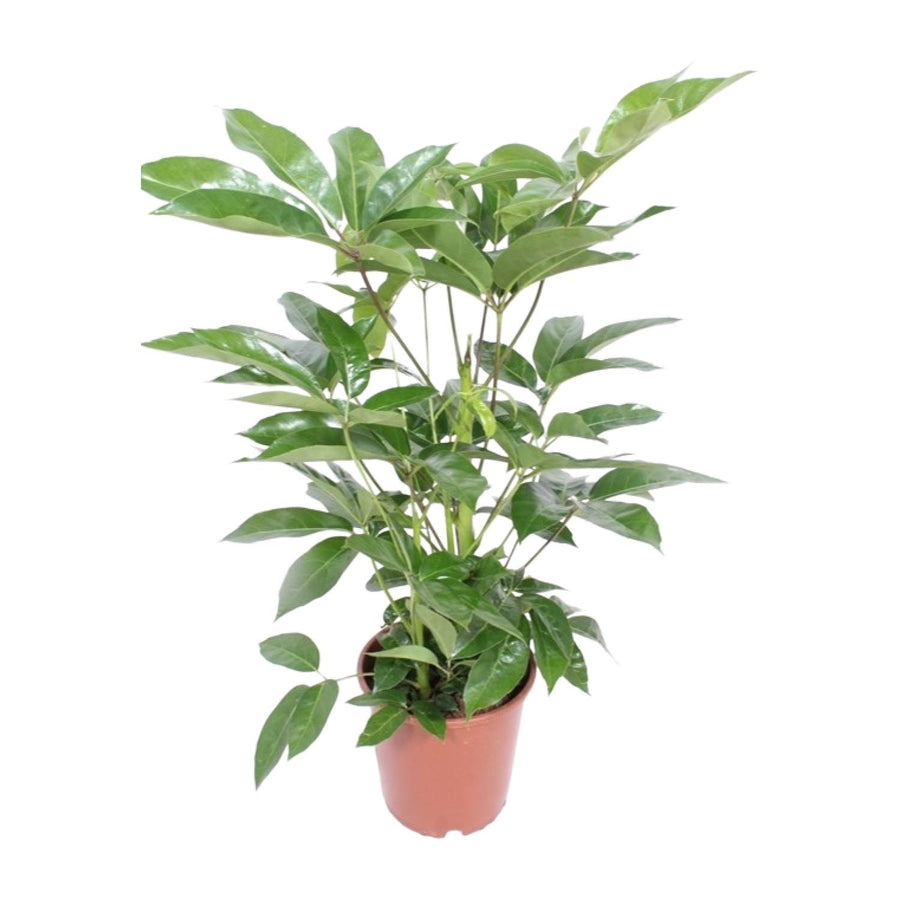
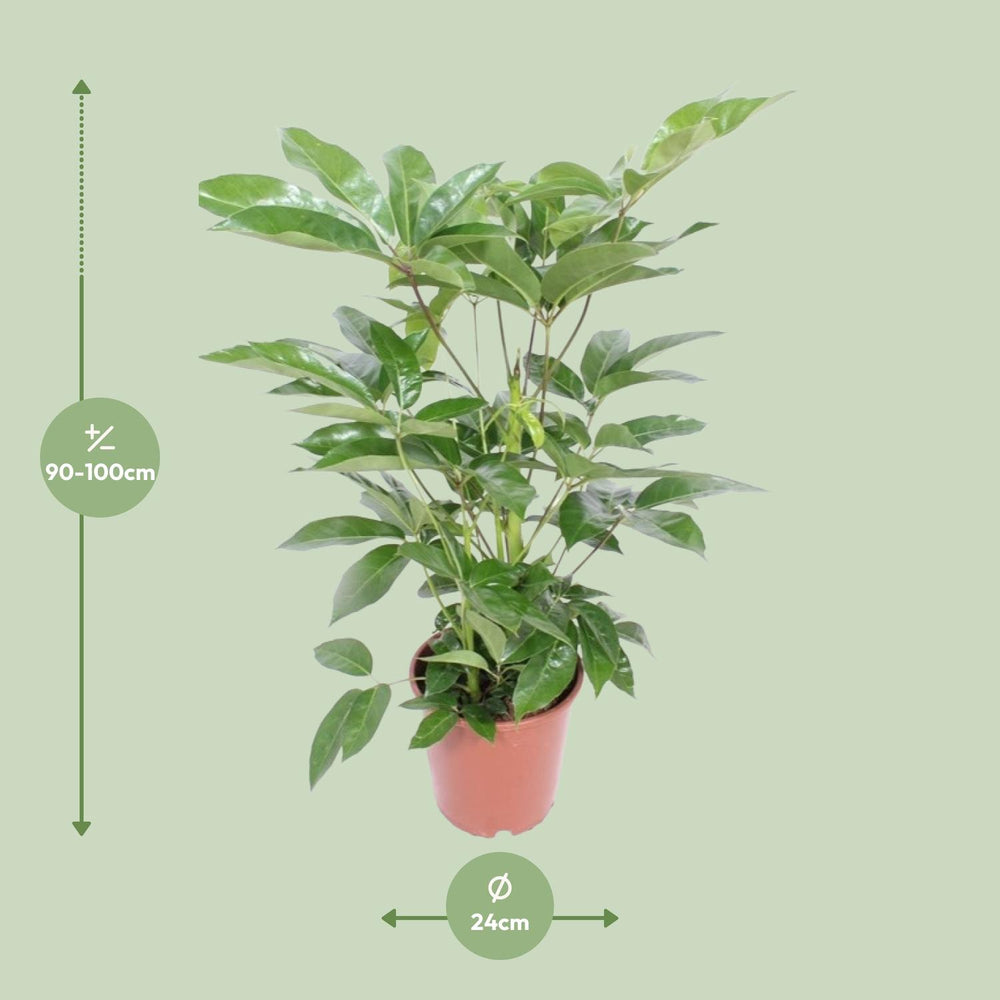
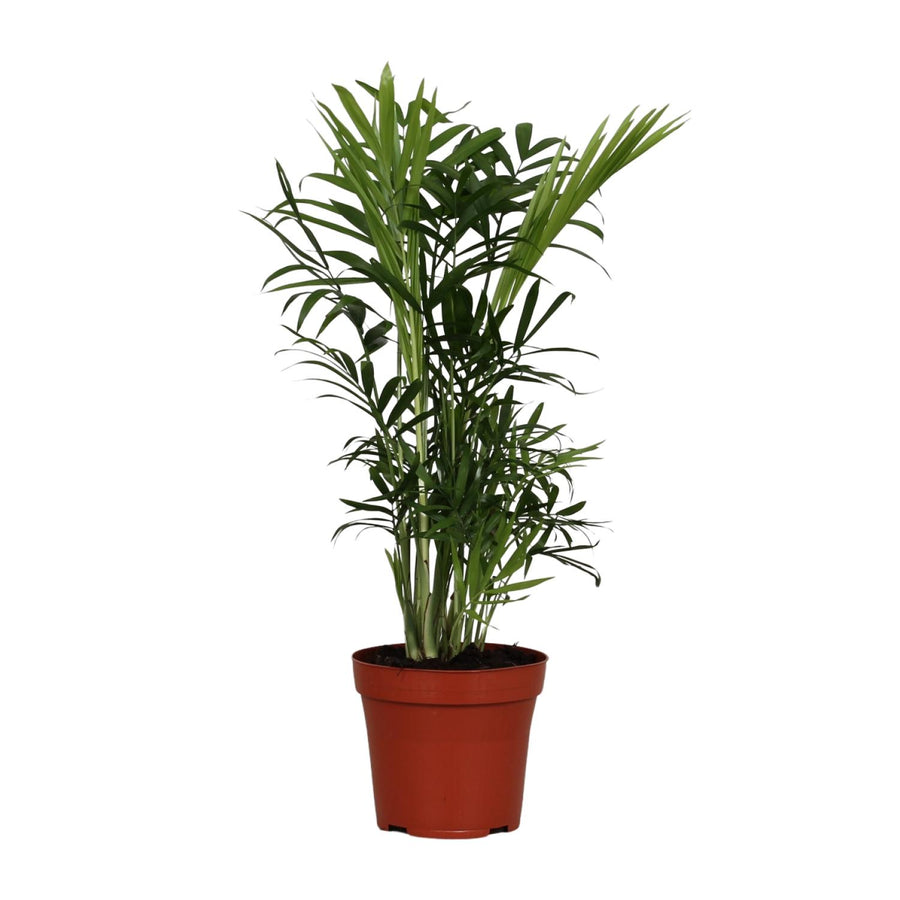
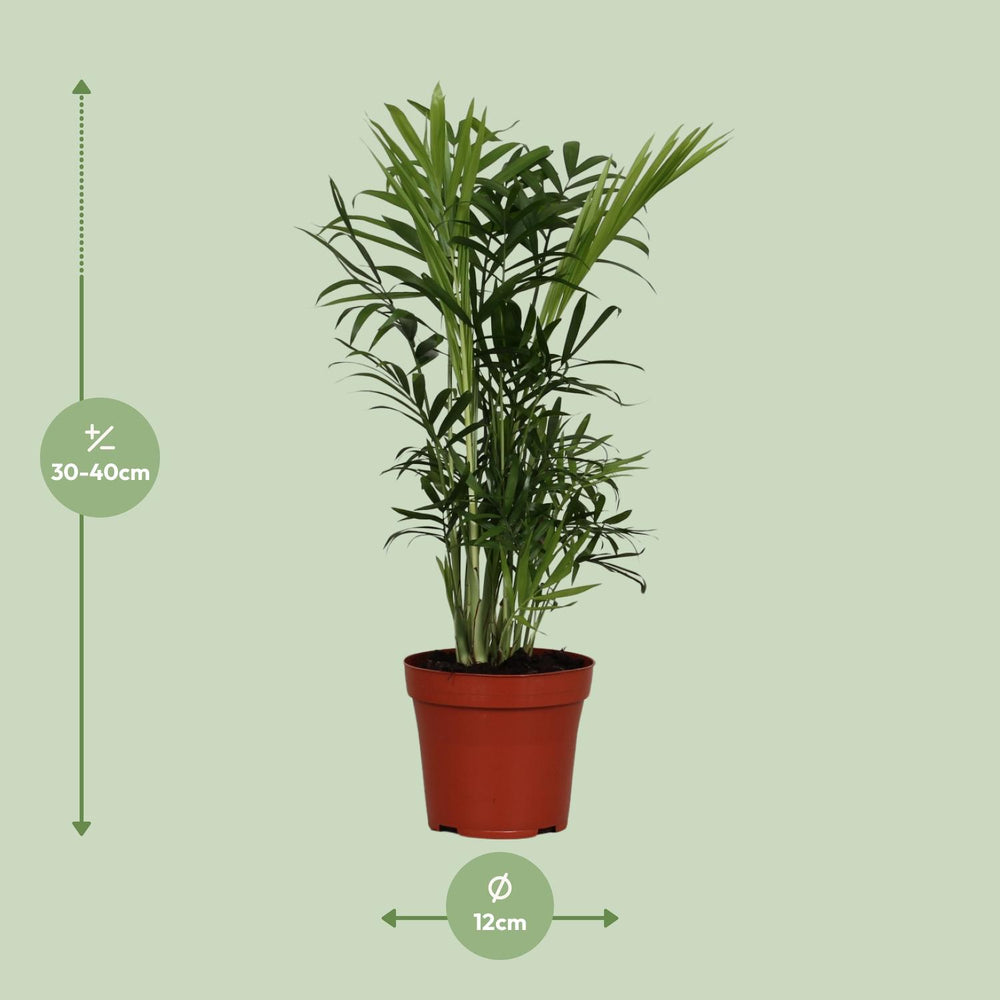
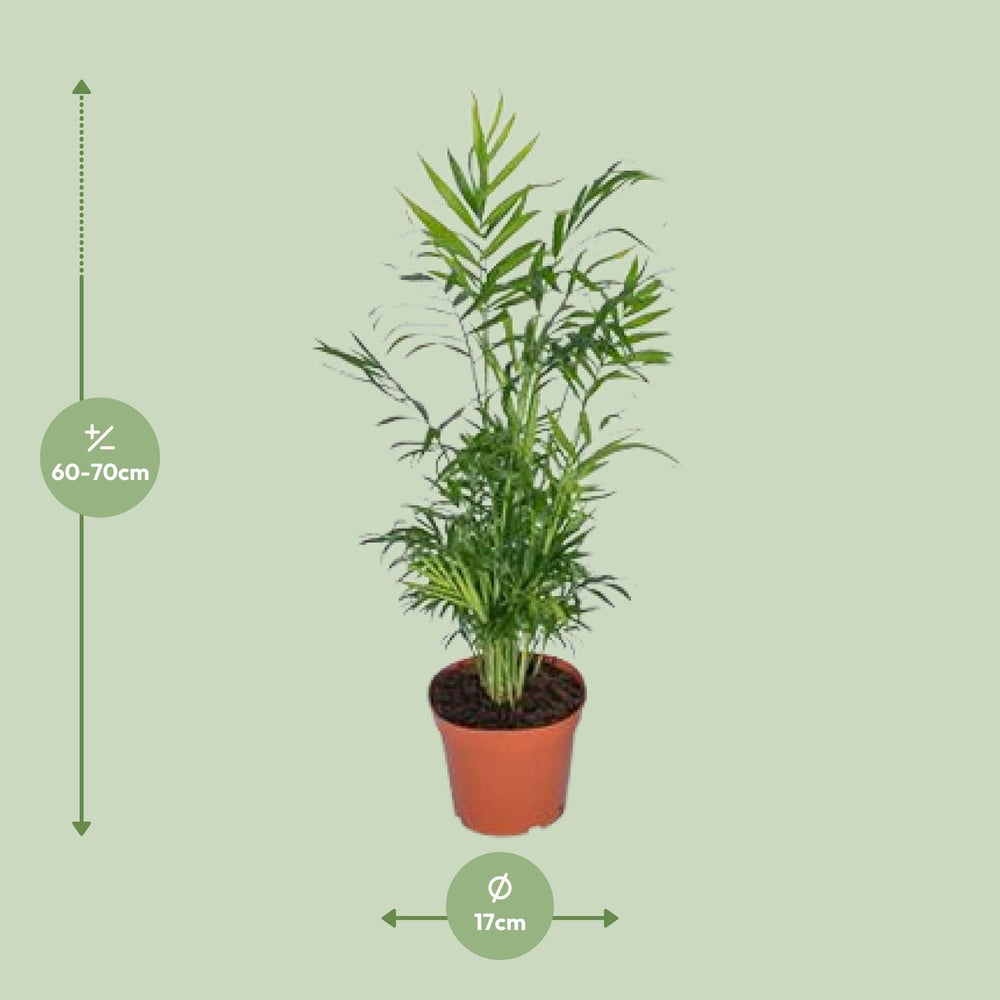
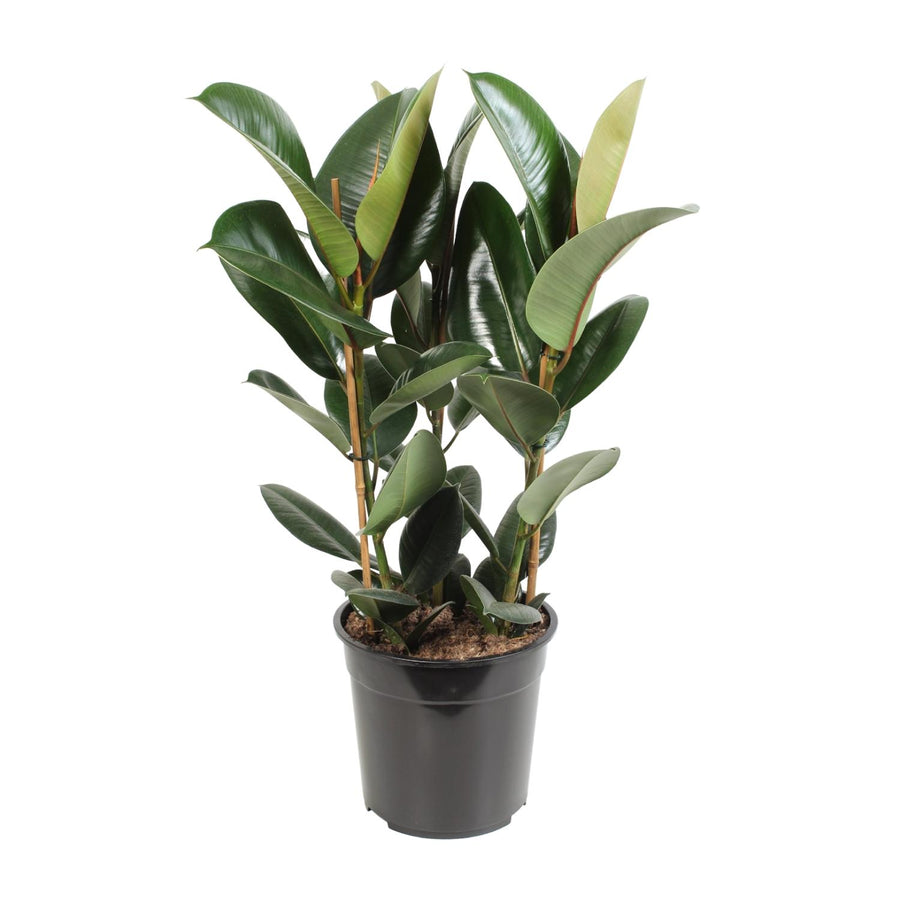
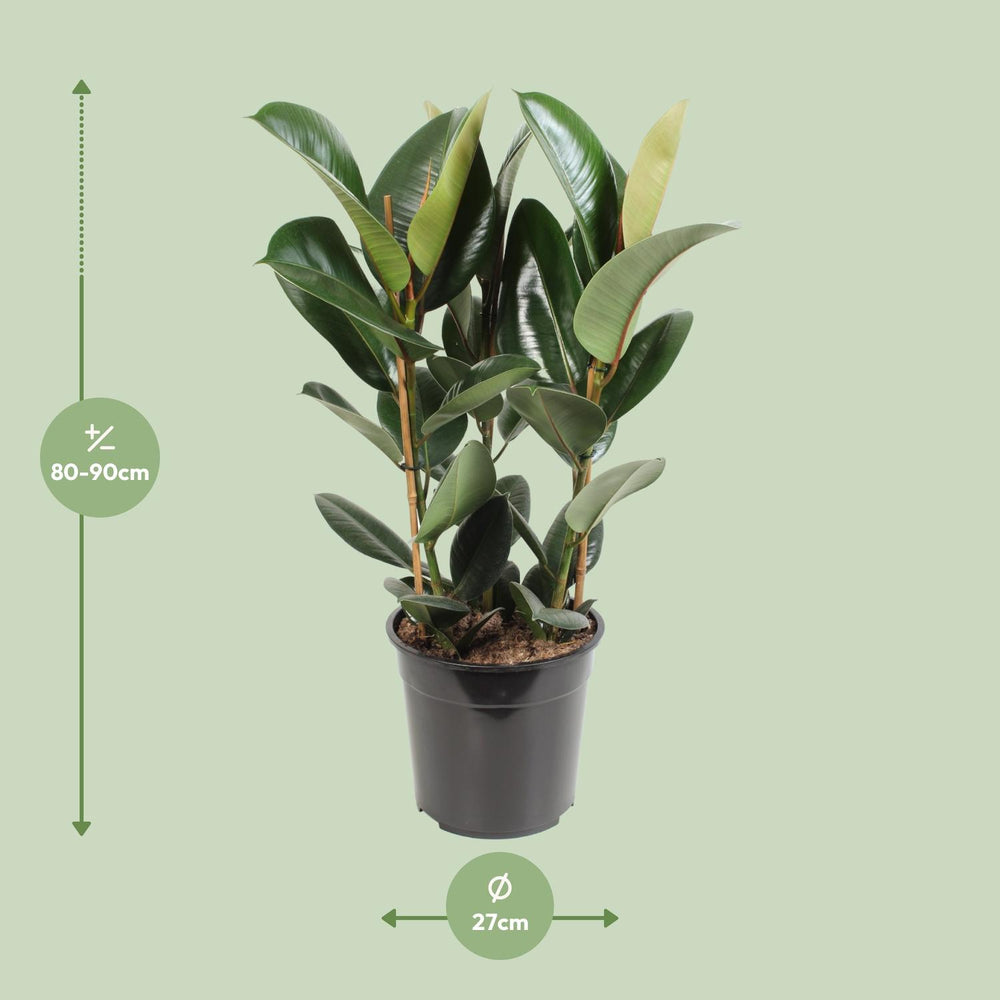
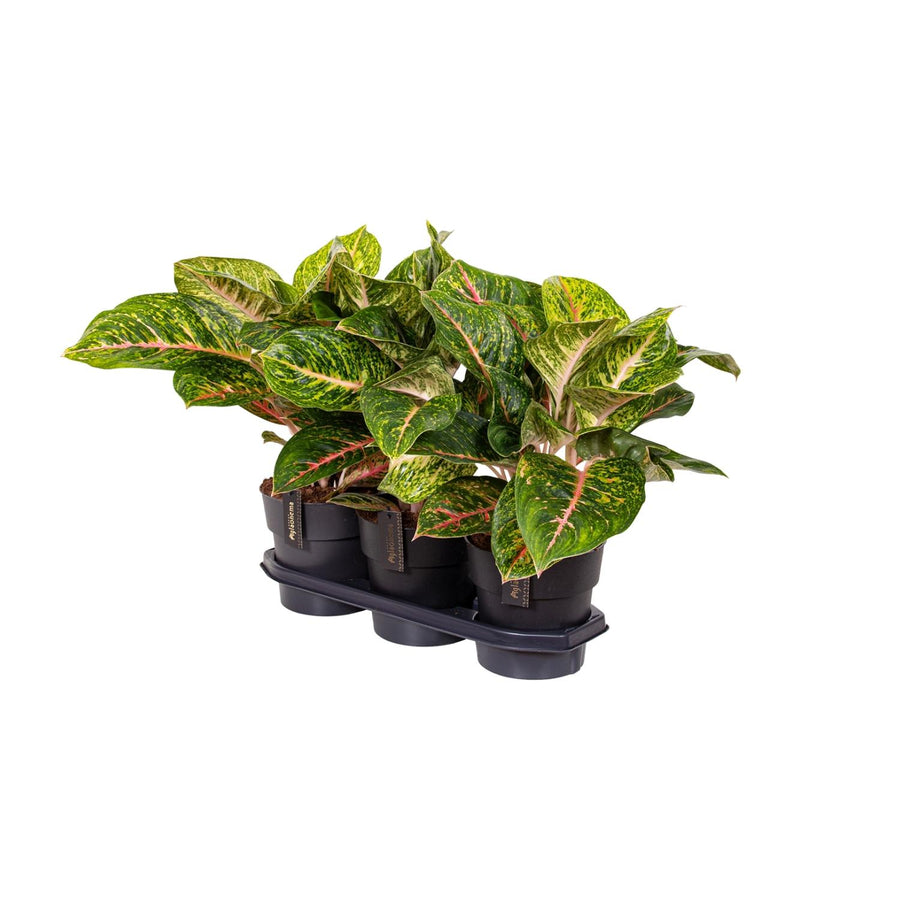
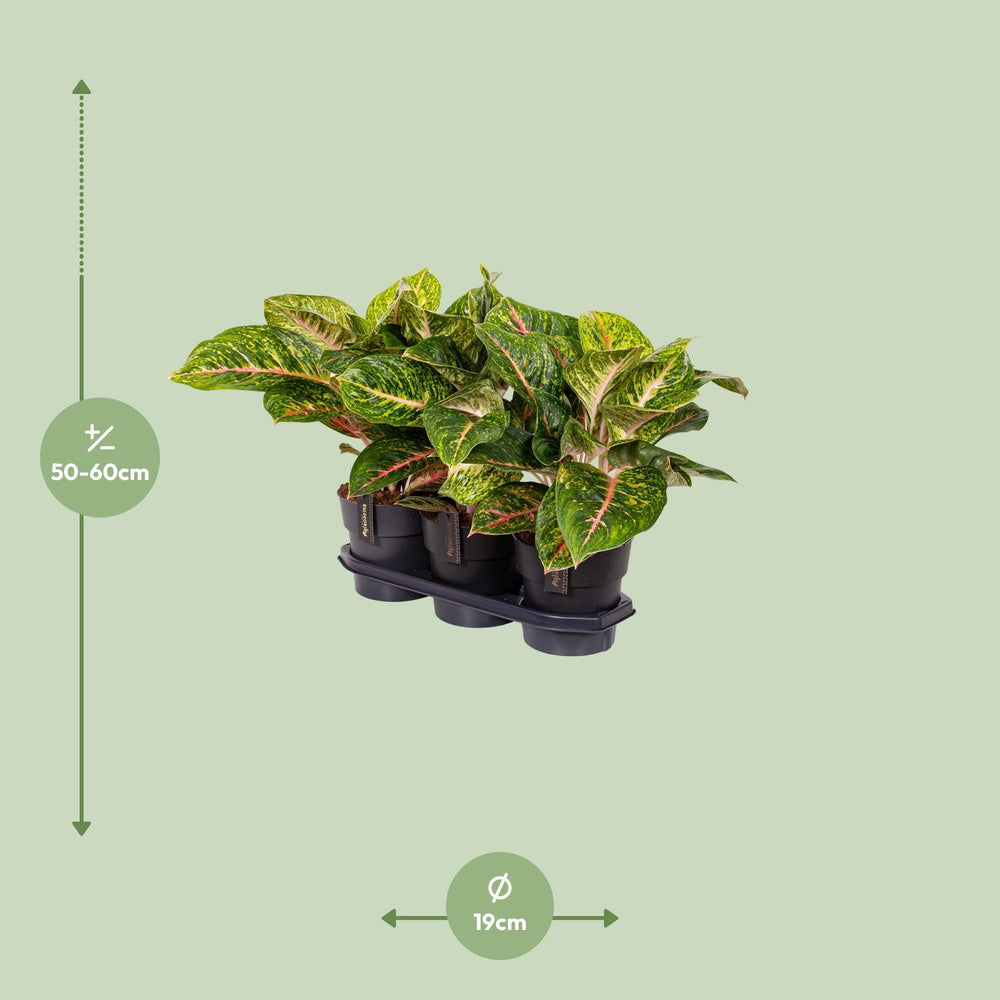
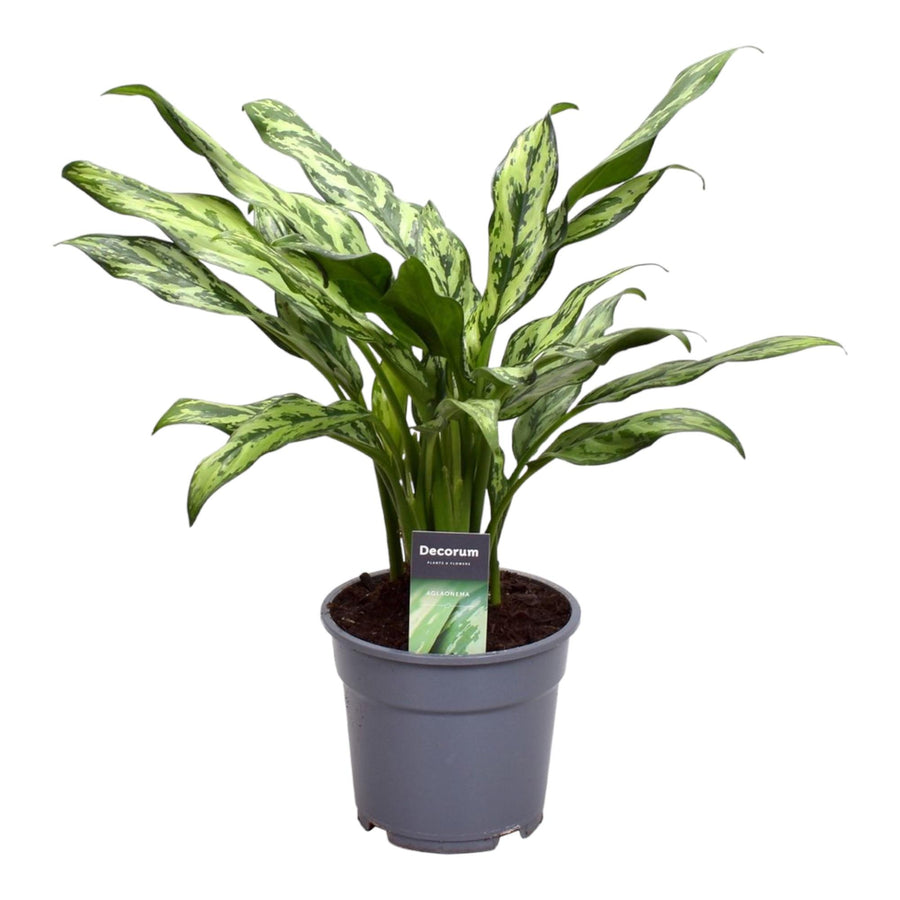
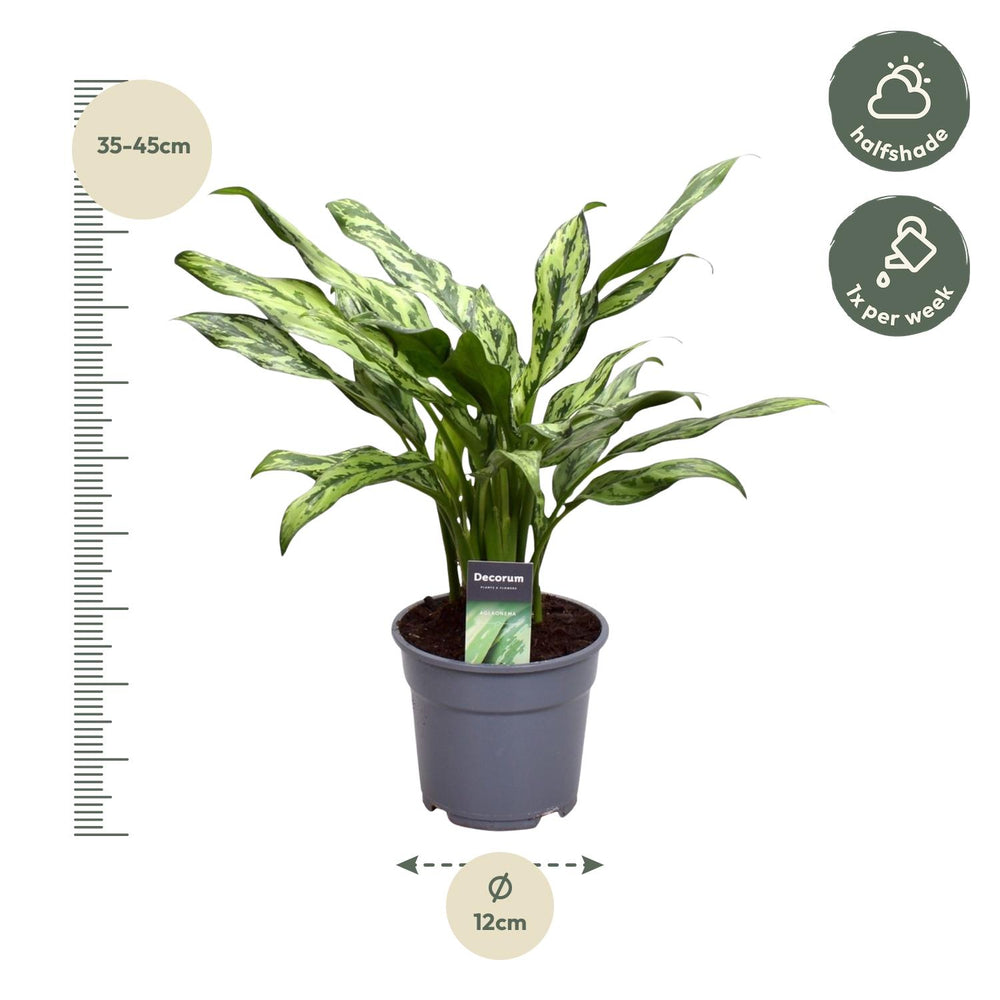
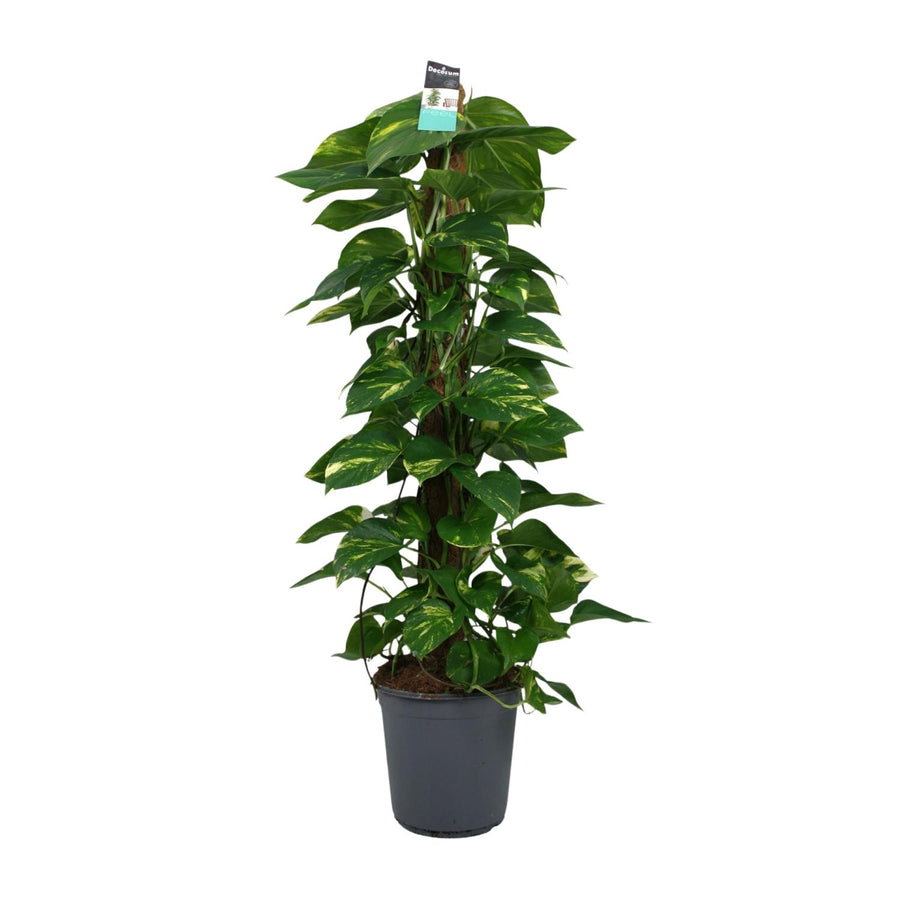
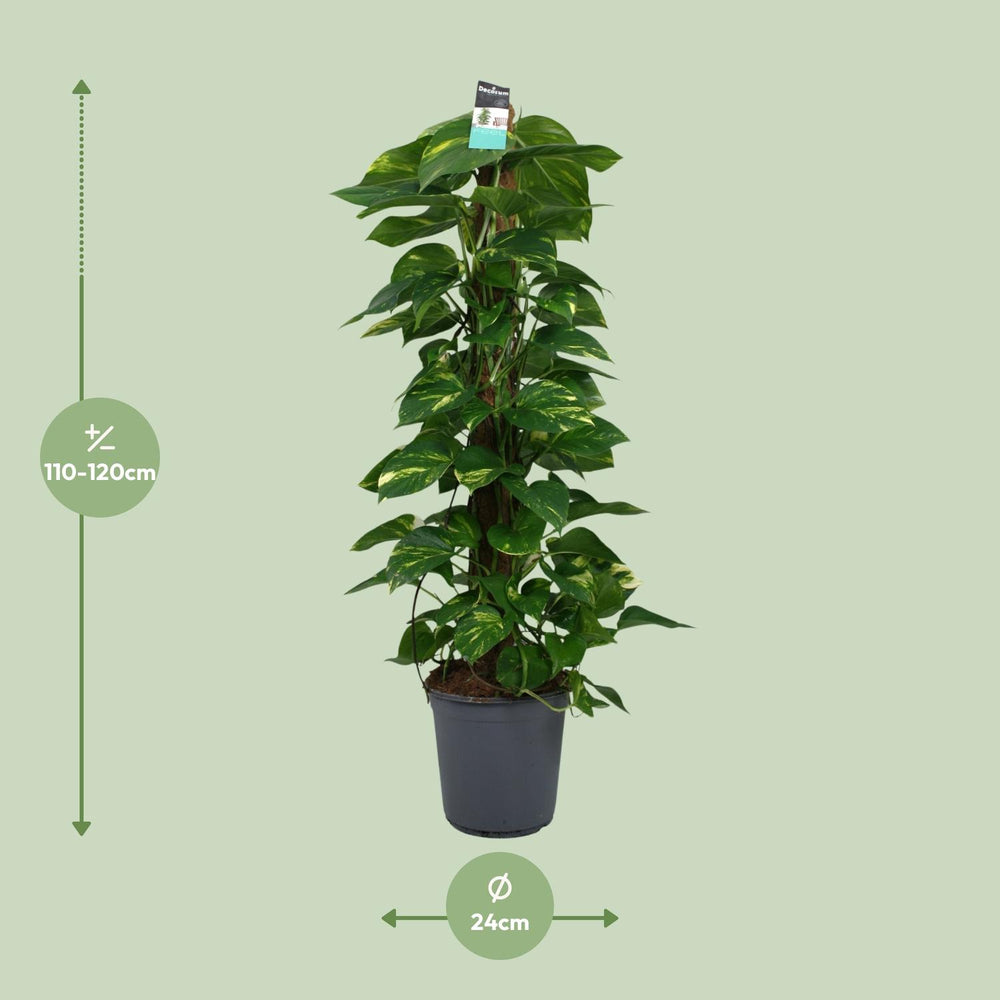
The best office plants survive the three challenges of office environments: low or fluorescent artificial light, dry centrally heated air (relative humidity often drops to 20–30%), and irregular watering when staff are away. Top performers are ZZ Plant (Zamioculcas zamiifolia), Pothos (Epipremnum aureum), Sansevieria (Snake Plant), Parlour Palm (Chamaedorea elegans), and Chinese Evergreen (Aglaonema). Browse our office plant collection with delivery across Ireland and 24 more EU countries.
Why Put Plants in an Office?
Because a planted office is a nicer place to work in. Research from the University of Exeter, published in the Journal of Experimental Psychology in 2014, found that staff in planted offices reported greater satisfaction and concentration than staff in bare, 'lean' offices, and later field studies have pointed the same way. Beyond the research, plants soften hard surfaces, break up open-plan sightlines, and give the eye somewhere restful to land between screens.
Best Office Plants by Placement
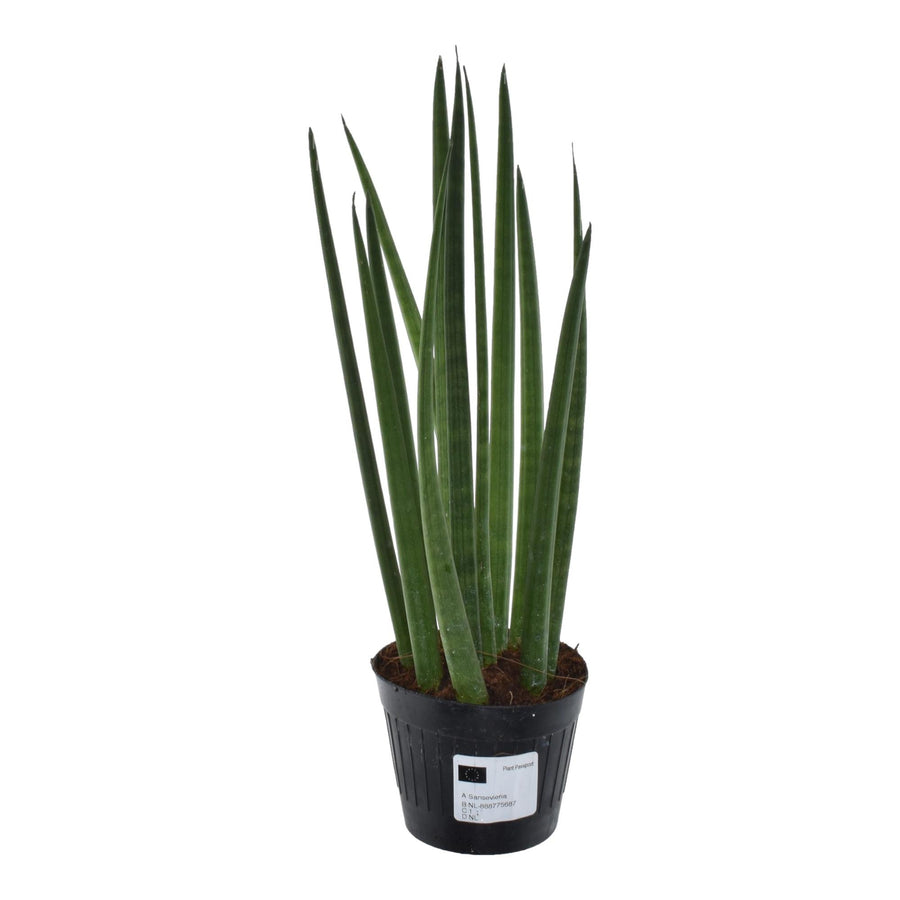
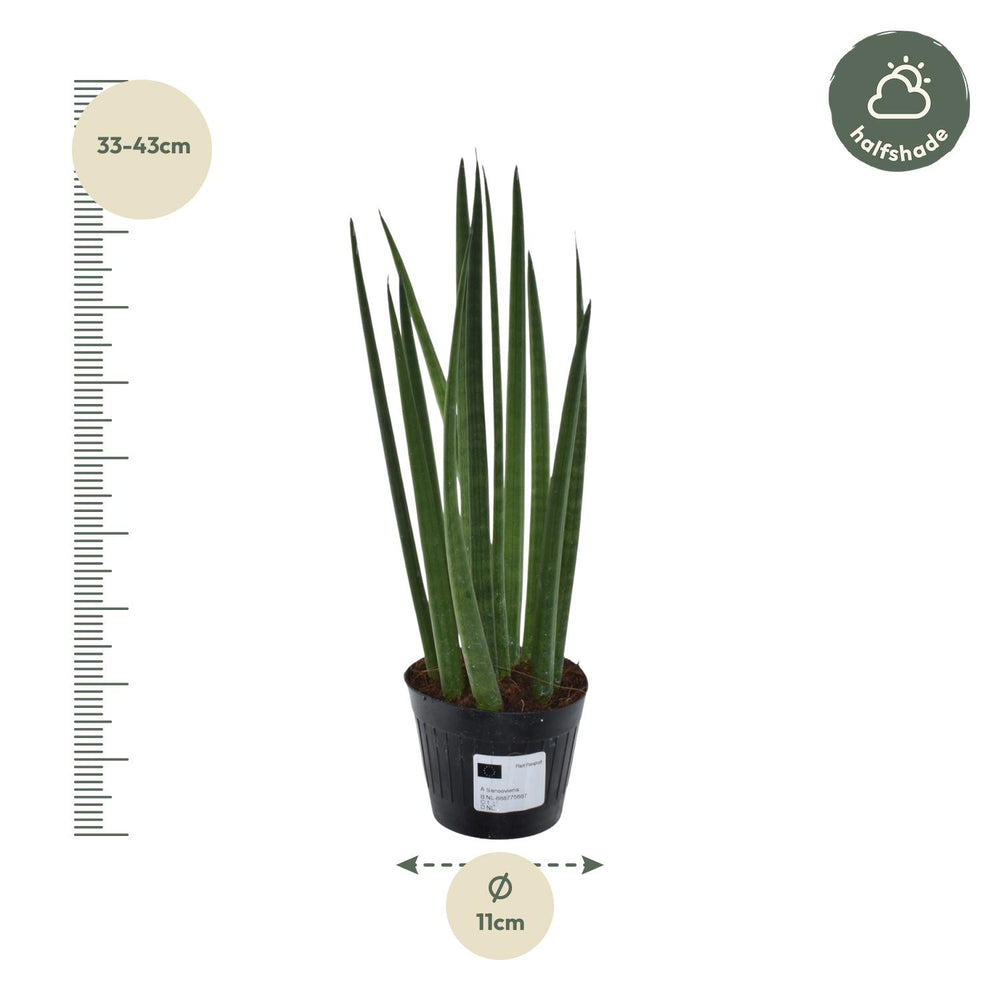
- Desktop plants — compact, slow-growing species: Sansevieria cylindrica, Haworthia, Air Plants (Tillandsia), small Pothos; require minimal space and watering every 2–4 weeks
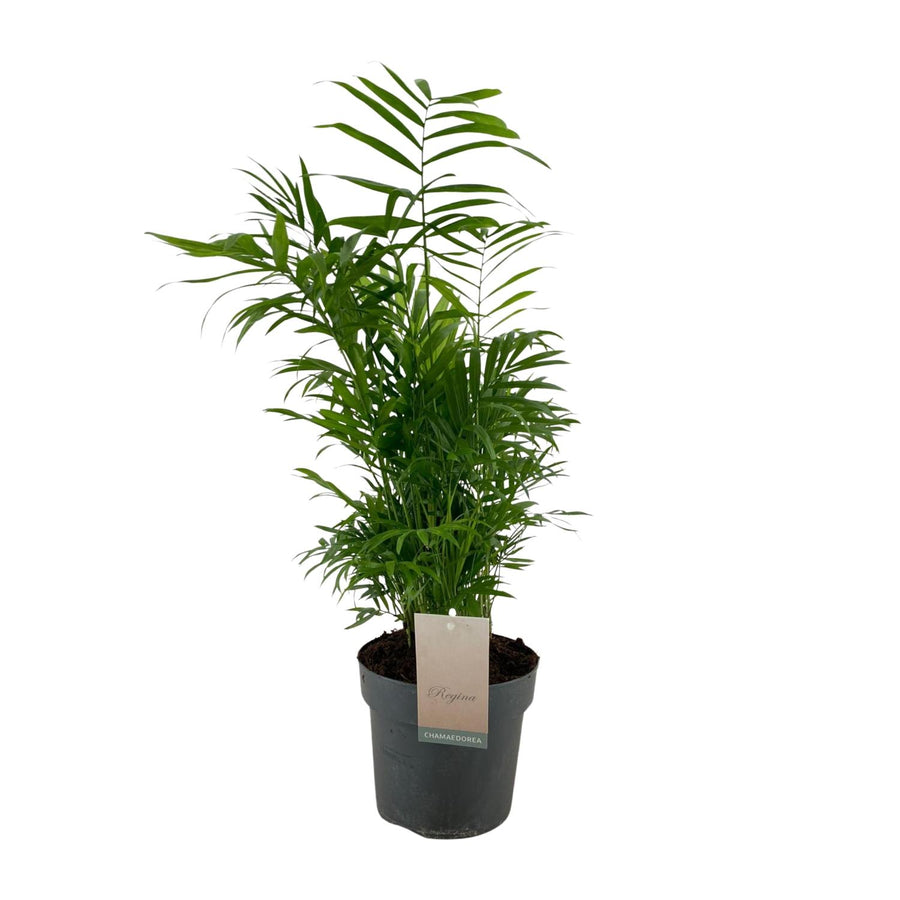
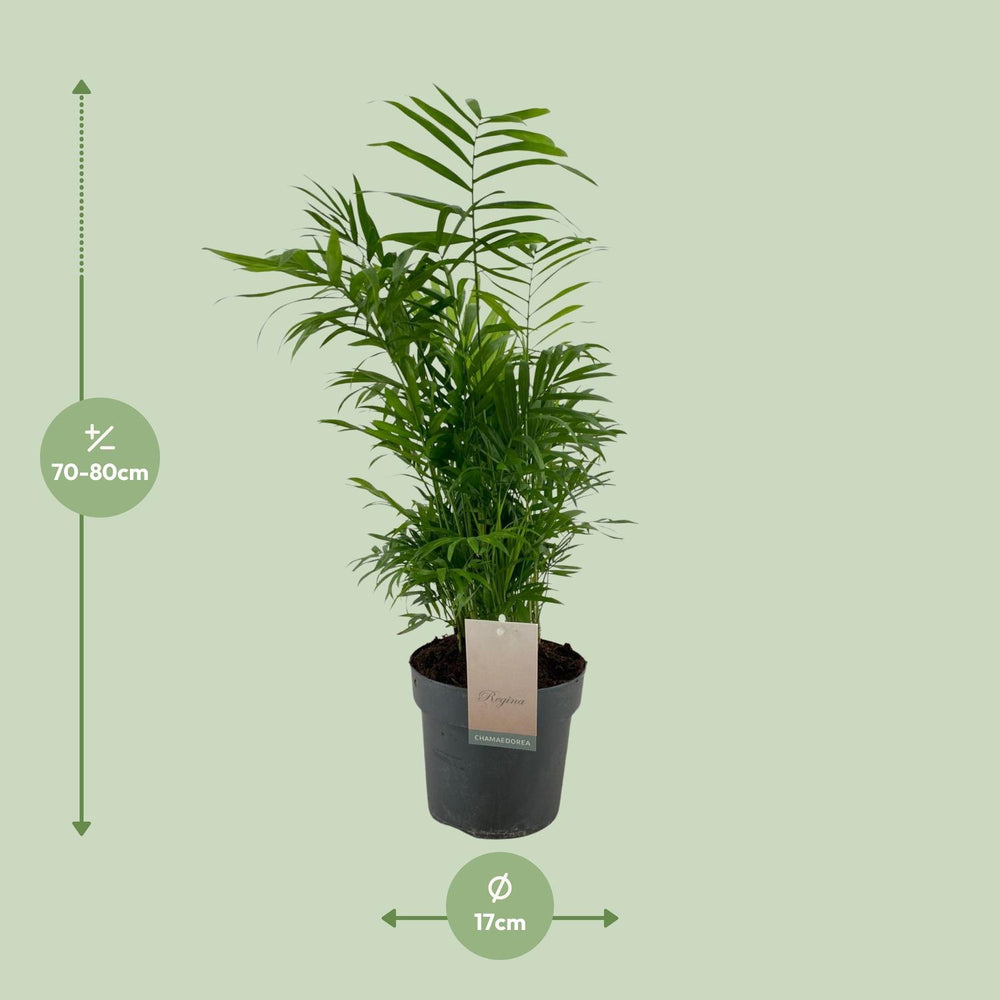
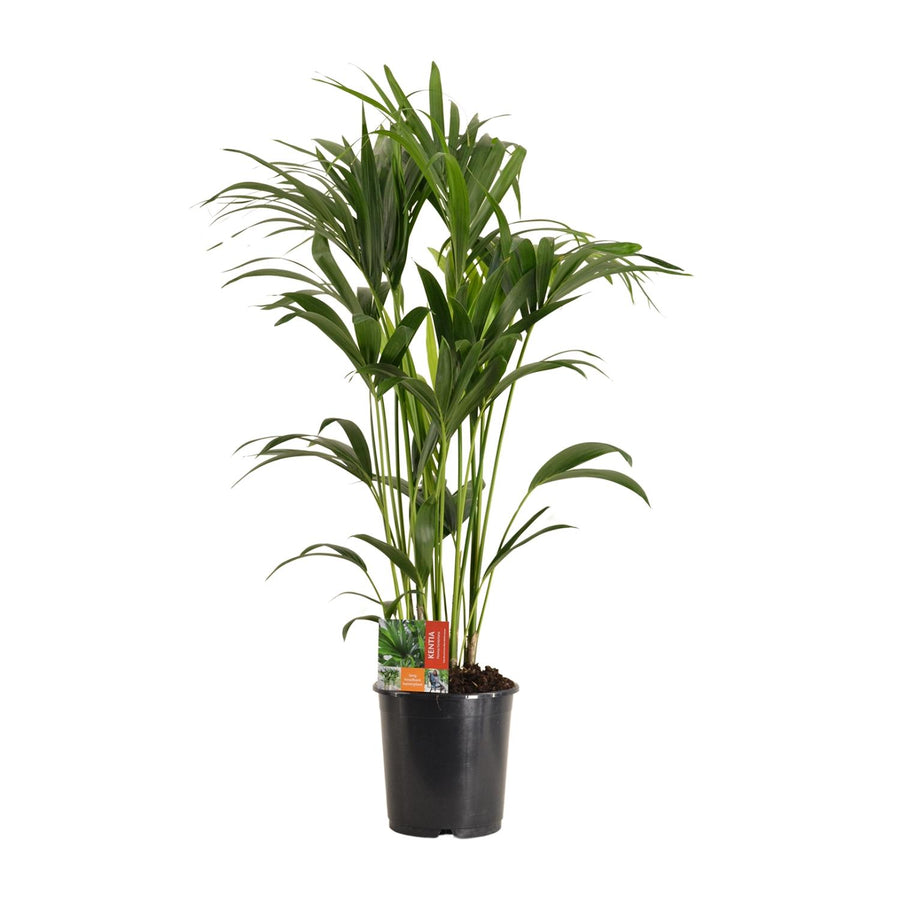
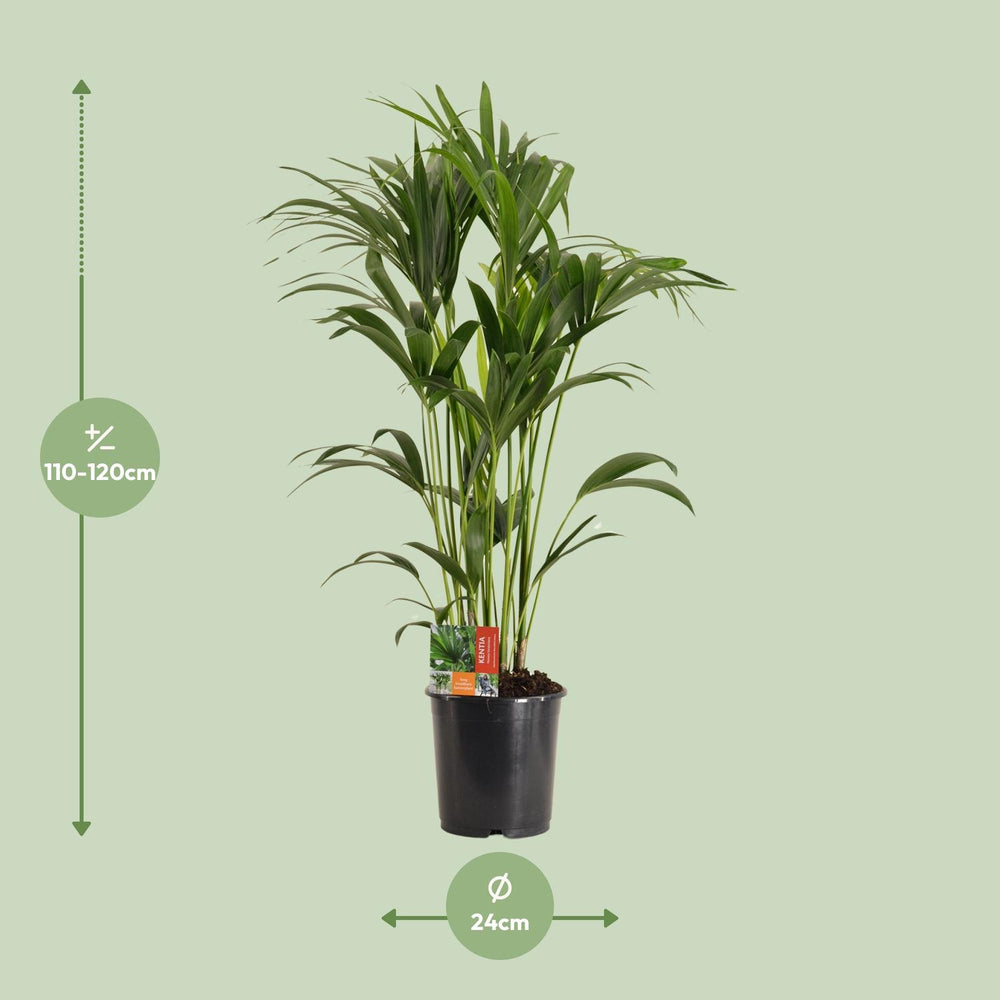
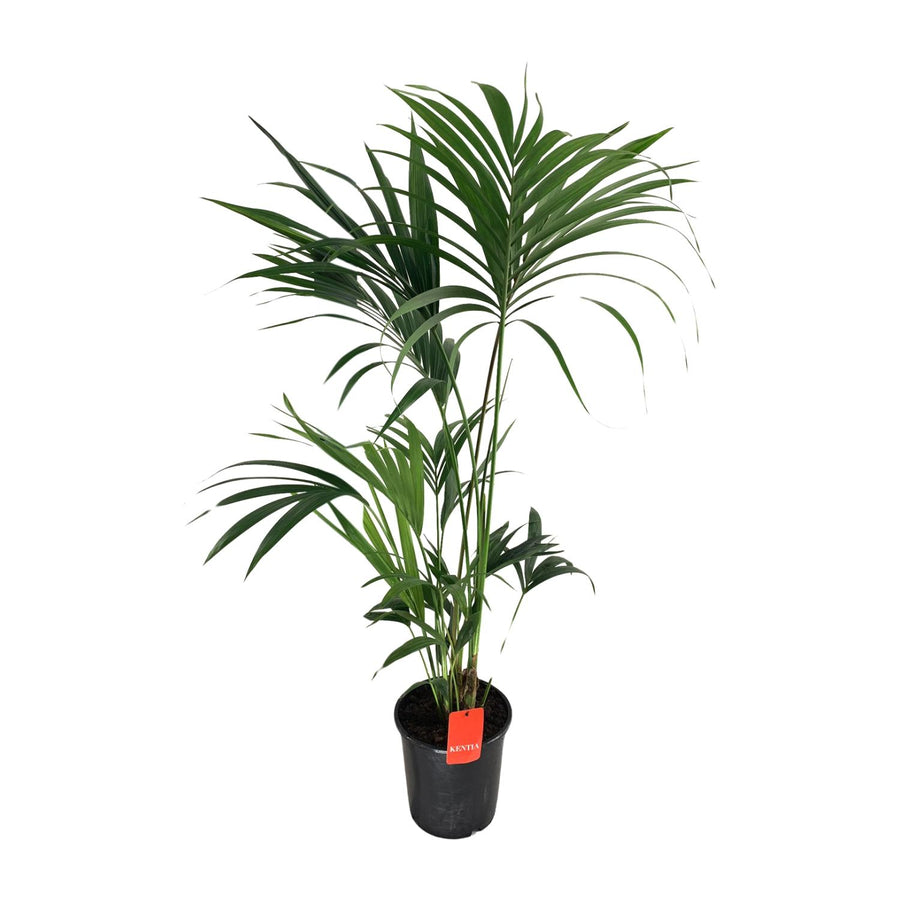
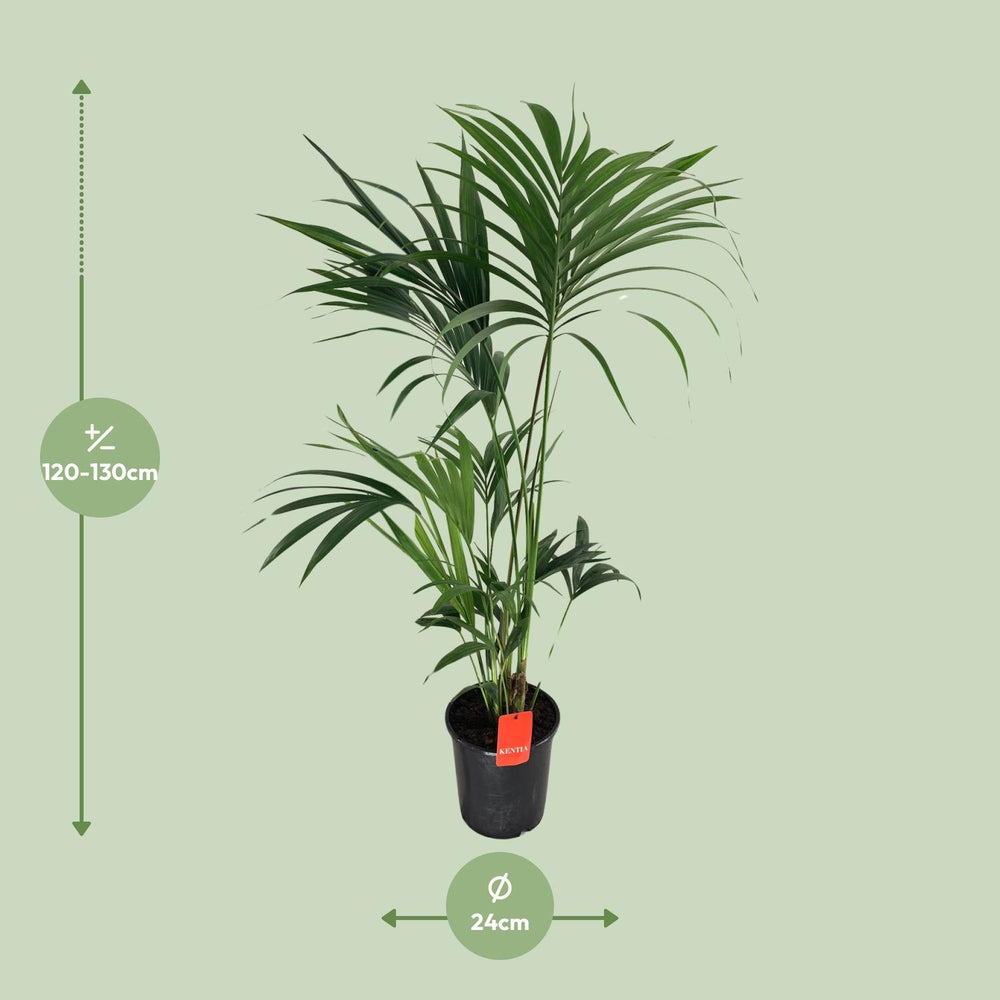
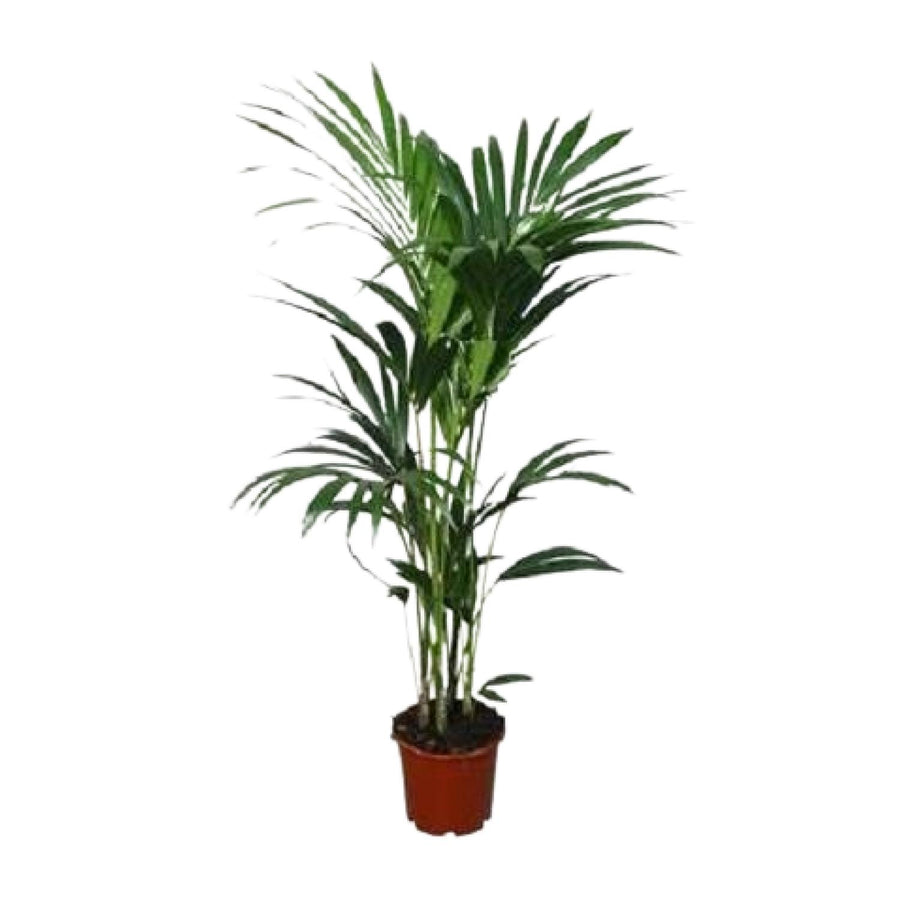
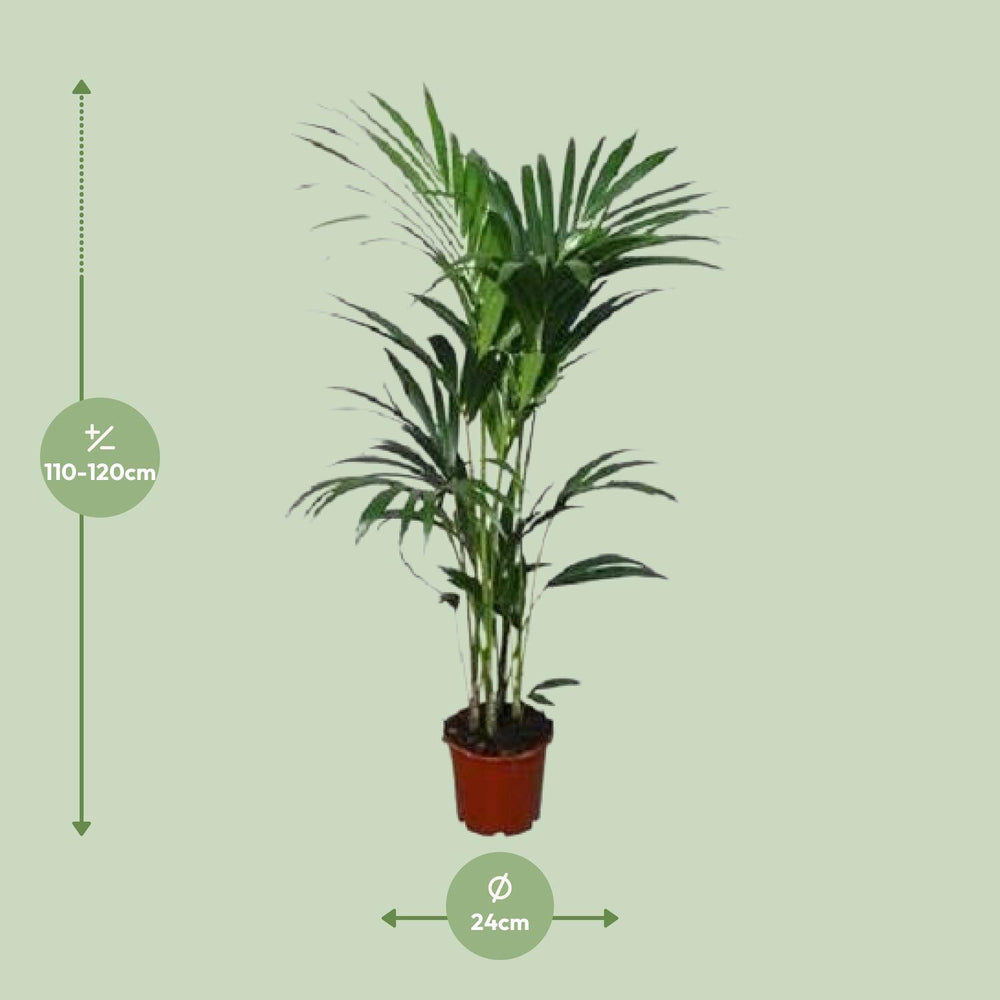
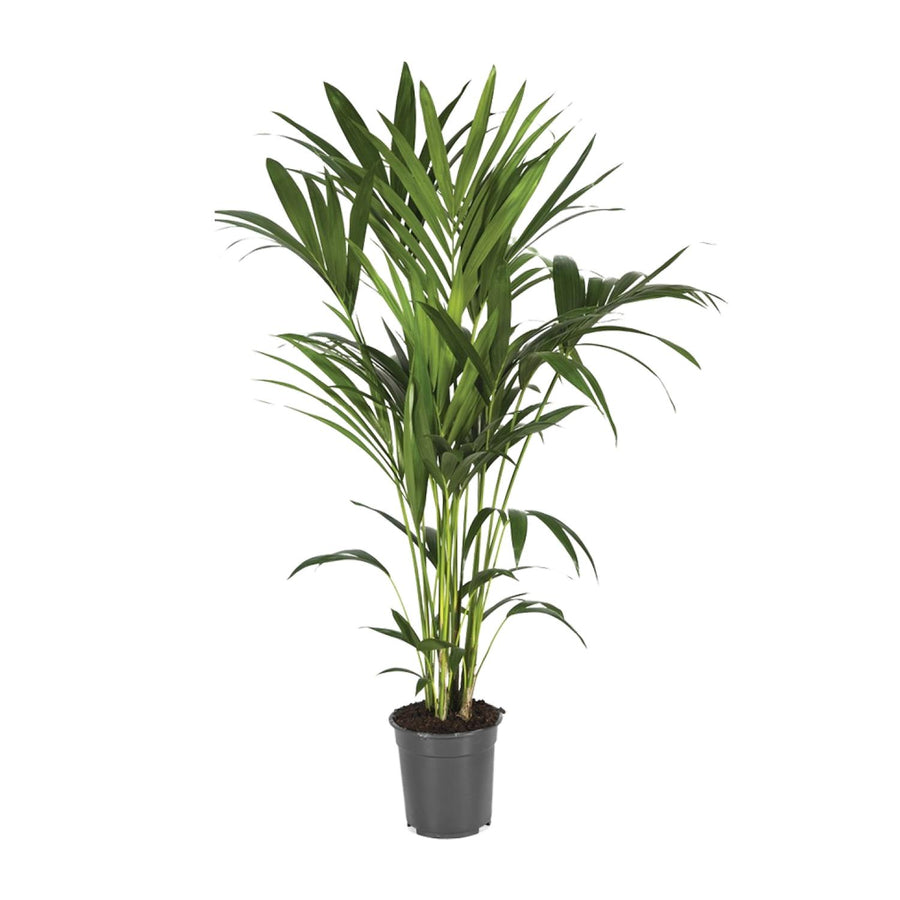
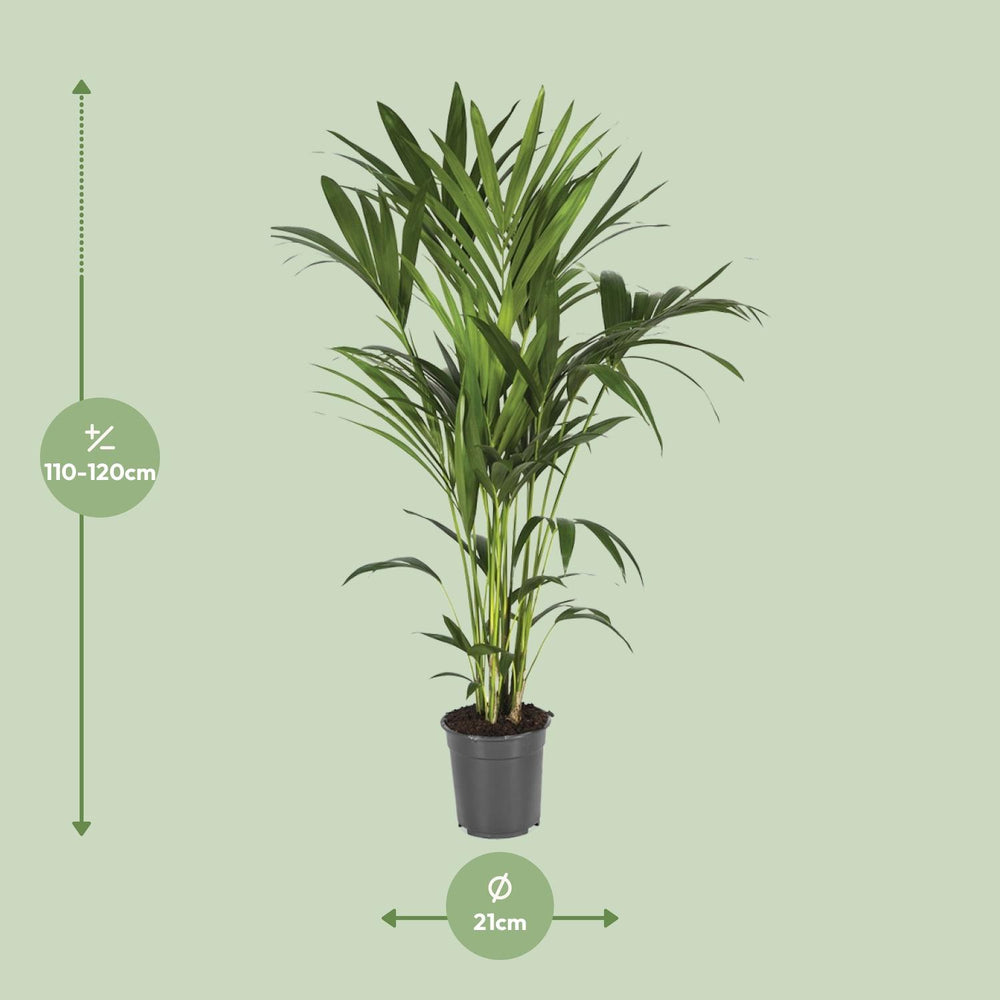
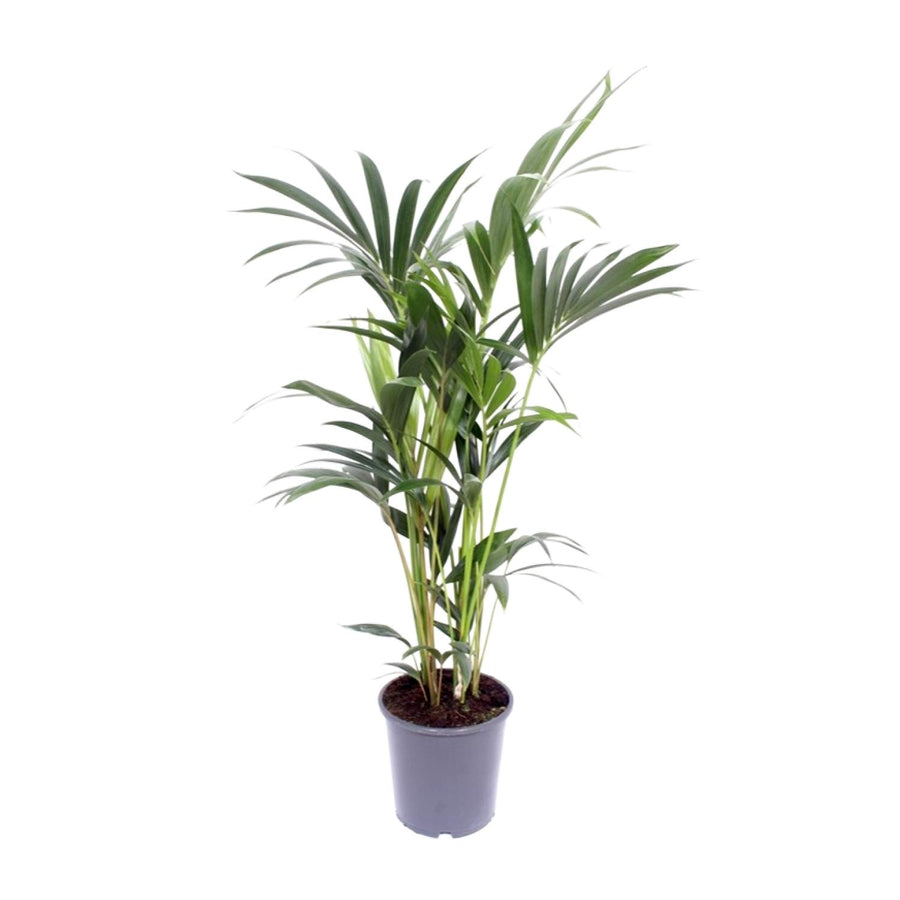
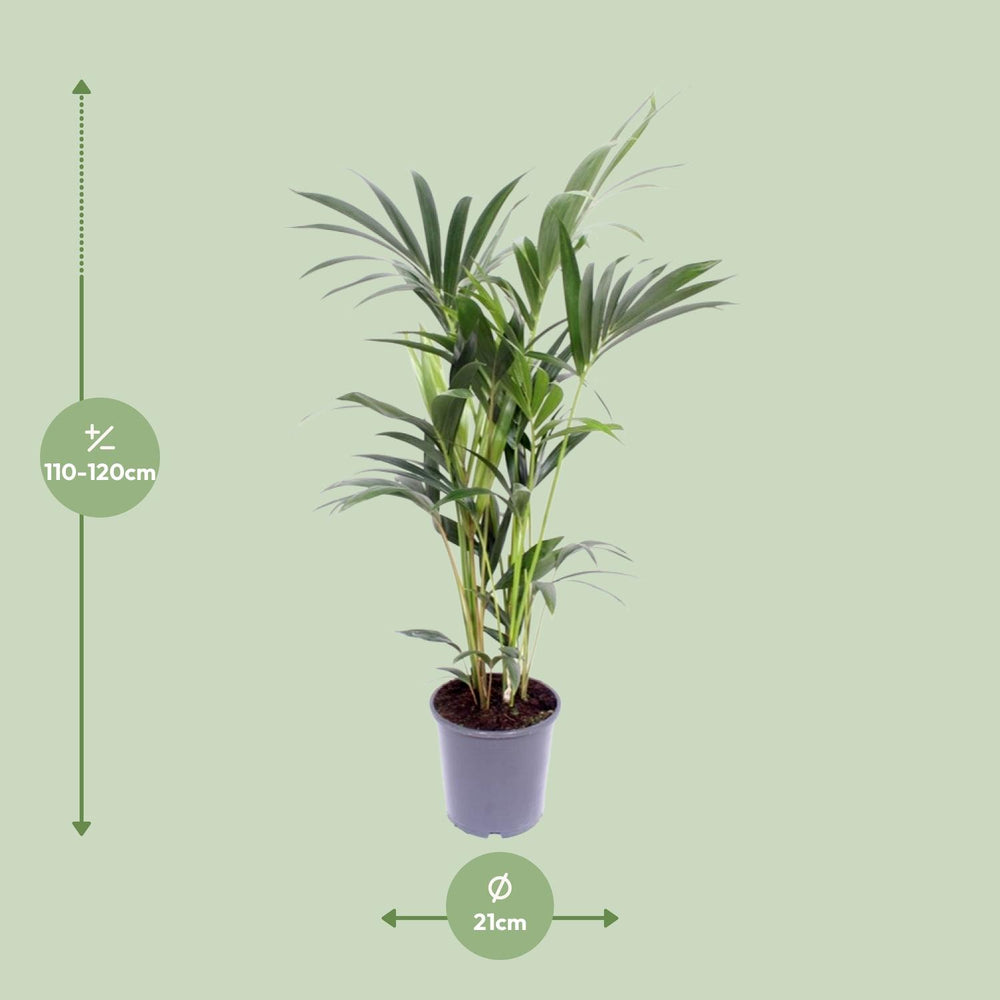
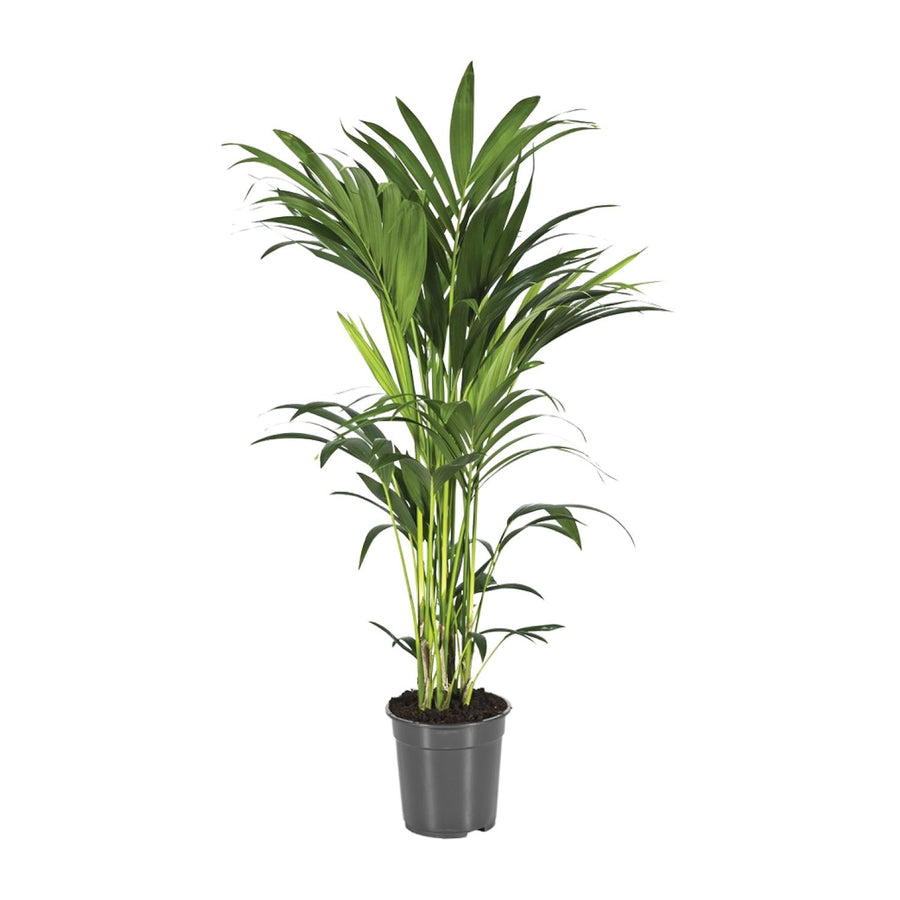
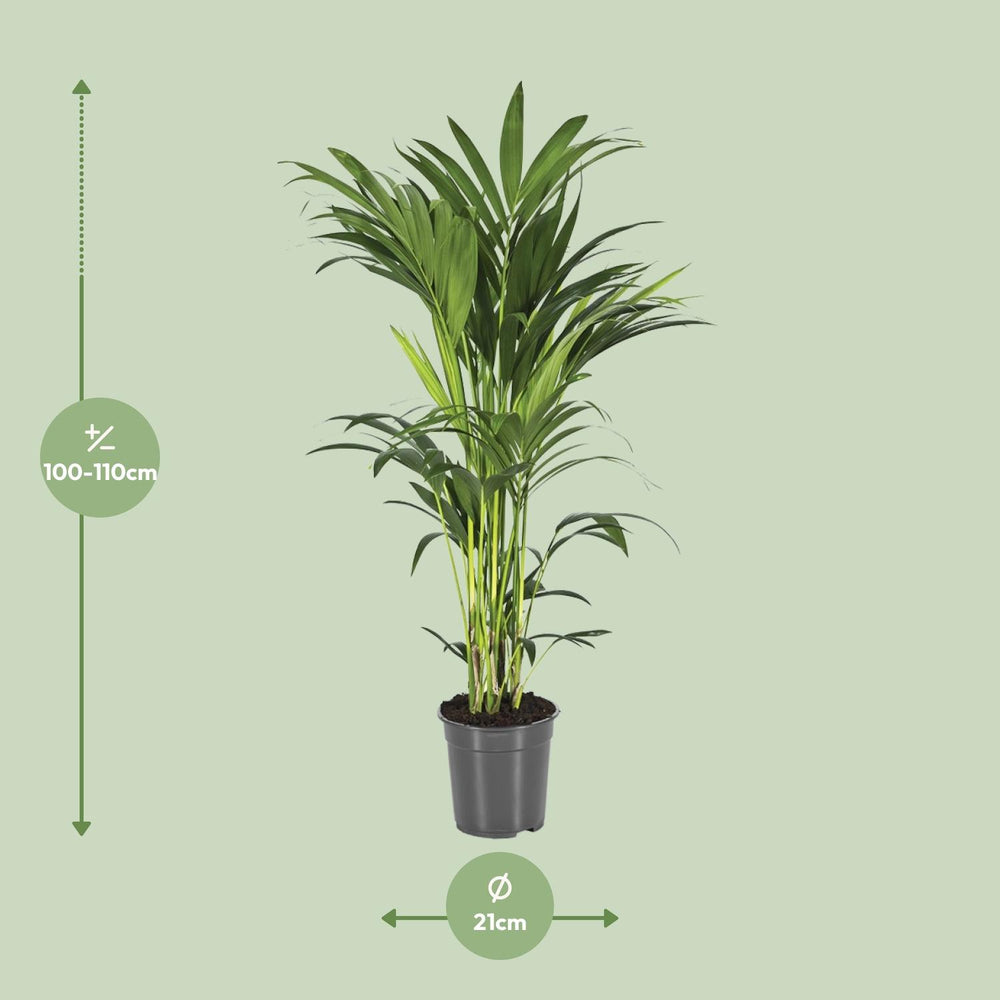
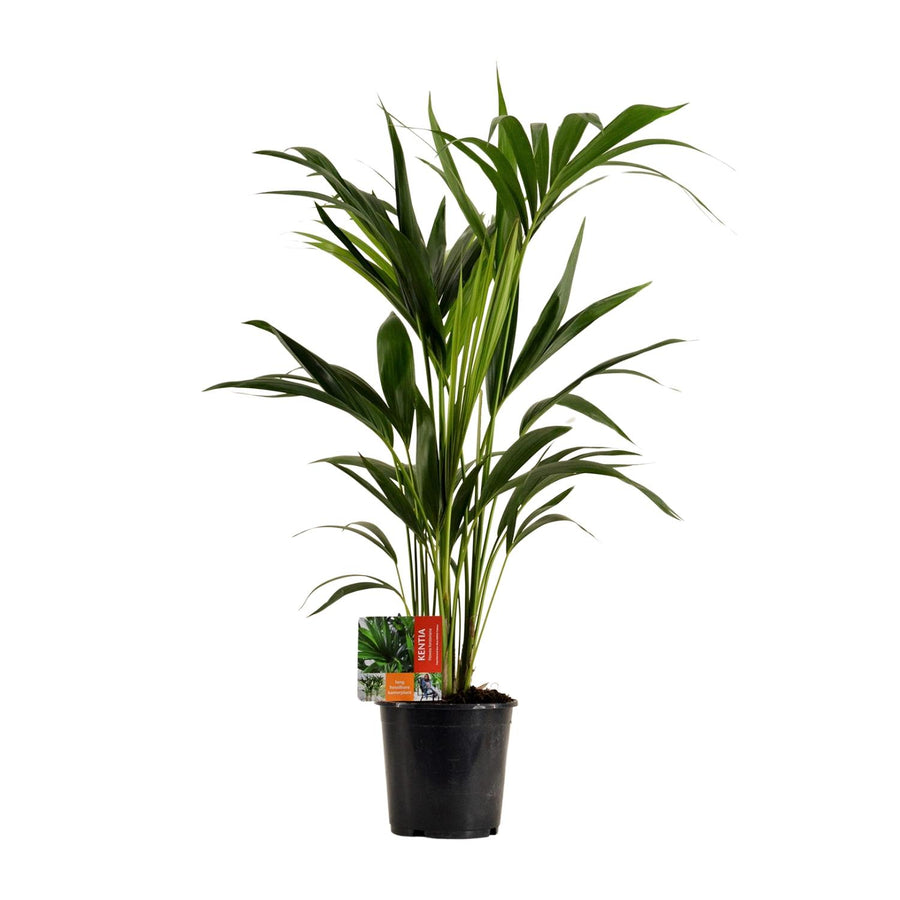
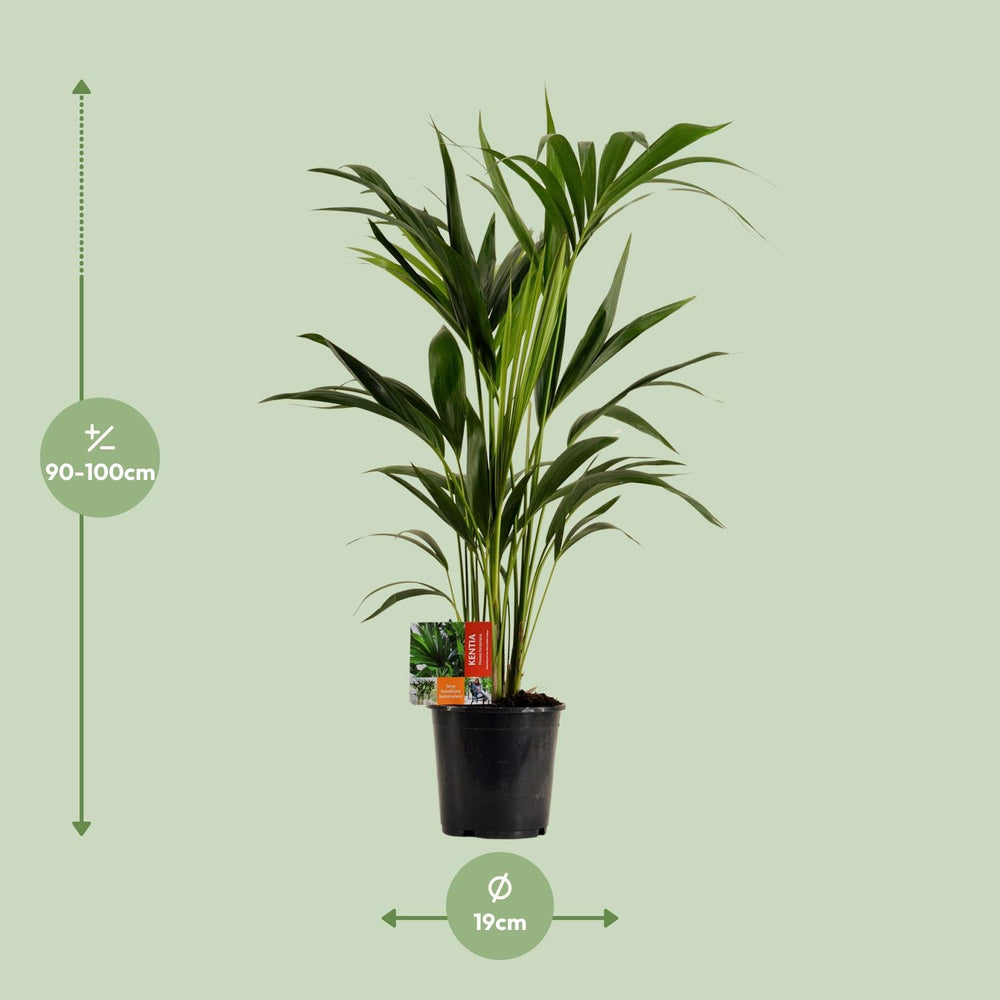
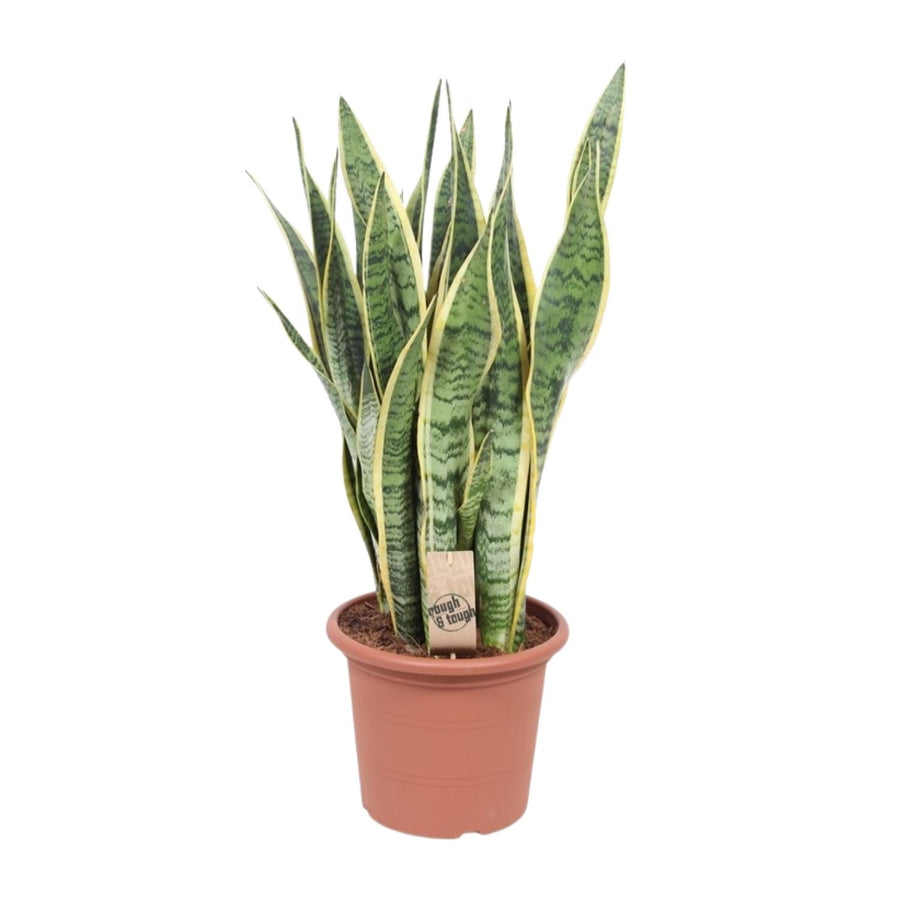
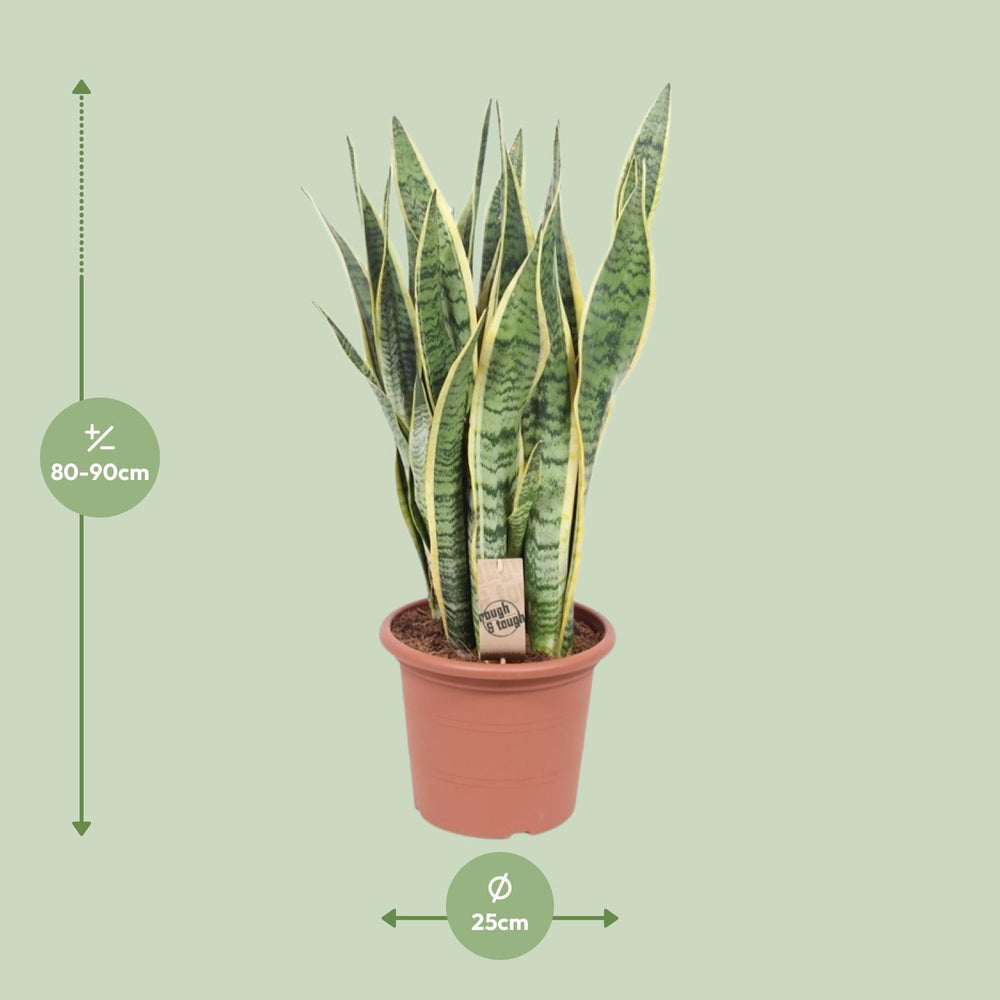
- Floor specimens for reception or lobby — Areca Palm, Parlour Palm, large Sansevieria, ZZ Plant; architectural presence; water every 2–3 weeks
- Shelf or bookcase plants — trailing Pothos or Tradescantia; self-display down the front; visual interest without occupying desk space
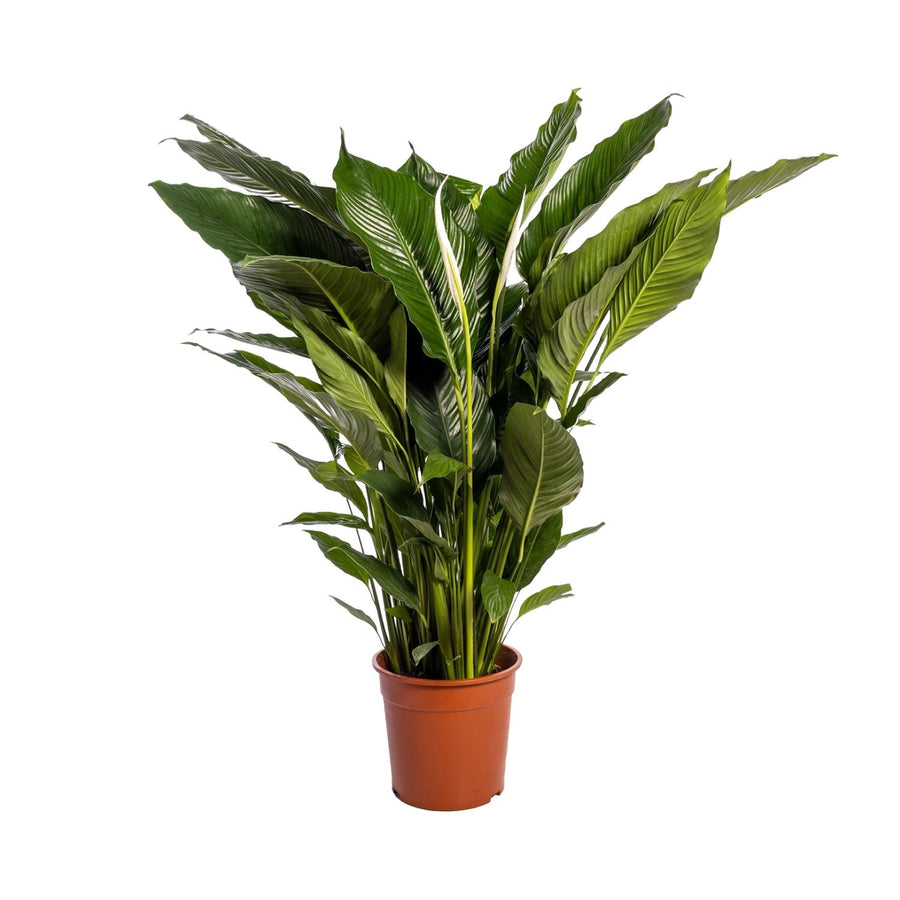
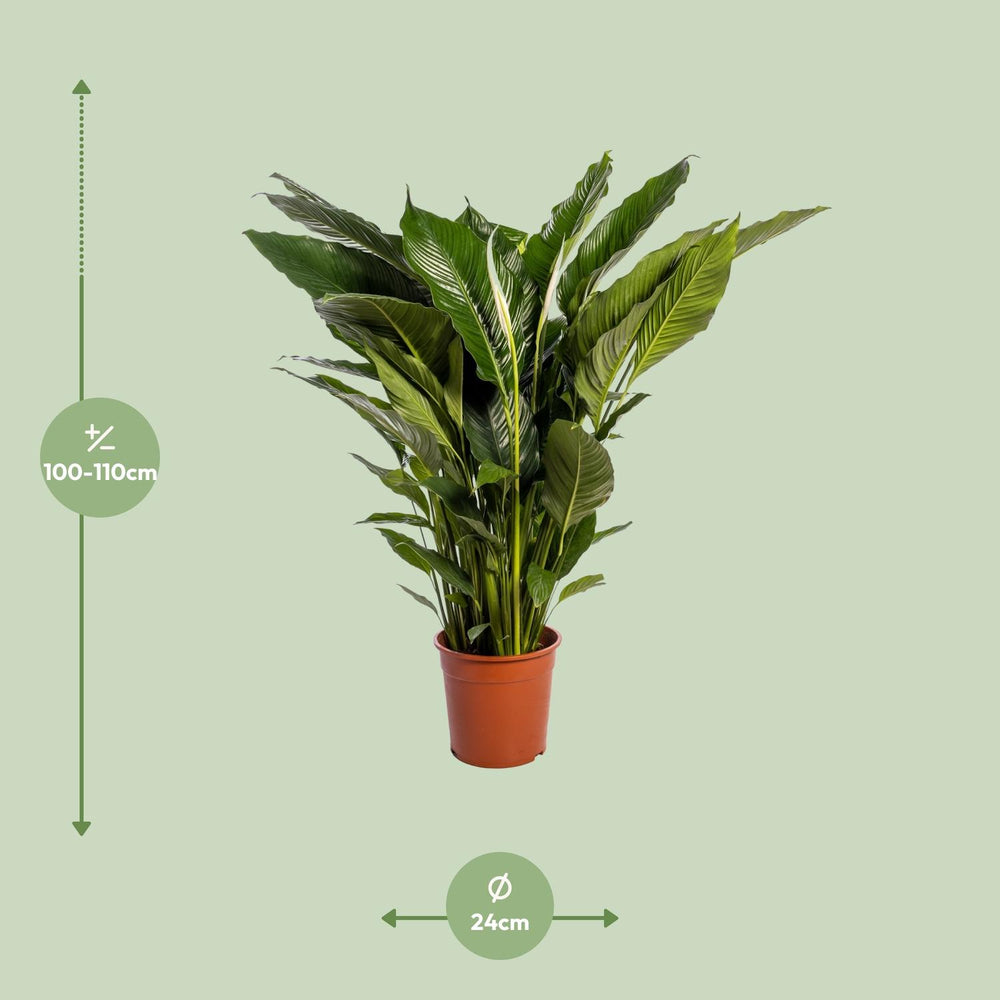
- Conference room — Peace Lily or large Chinese Evergreen; shade-tolerant; can survive 1–2 weeks unwatered when rooms are not in use
Watering Office Plants Over Weekends and Holidays
The most common cause of office plant death is overwatering before holiday rather than neglect. Most ZZ Plants, Sansevieria, and Pothos survive 2–4 weeks without watering if the soil is allowed to dry out beforehand. For longer periods, use self-watering pots with integrated reservoirs, or drainage saucers filled with water and clay pebbles (the roots draw water from the saucer via capillary action without sitting in water).
Explore related: Air Purifying Plants · Low Light Plants · Low Maintenance Plants

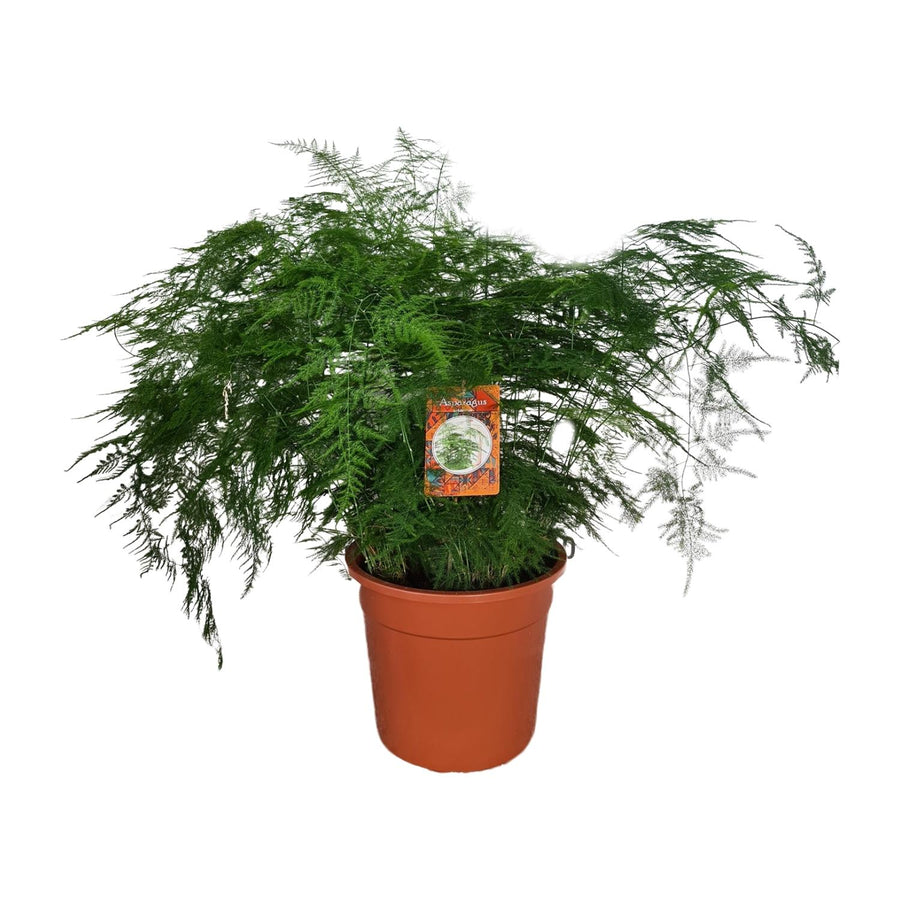
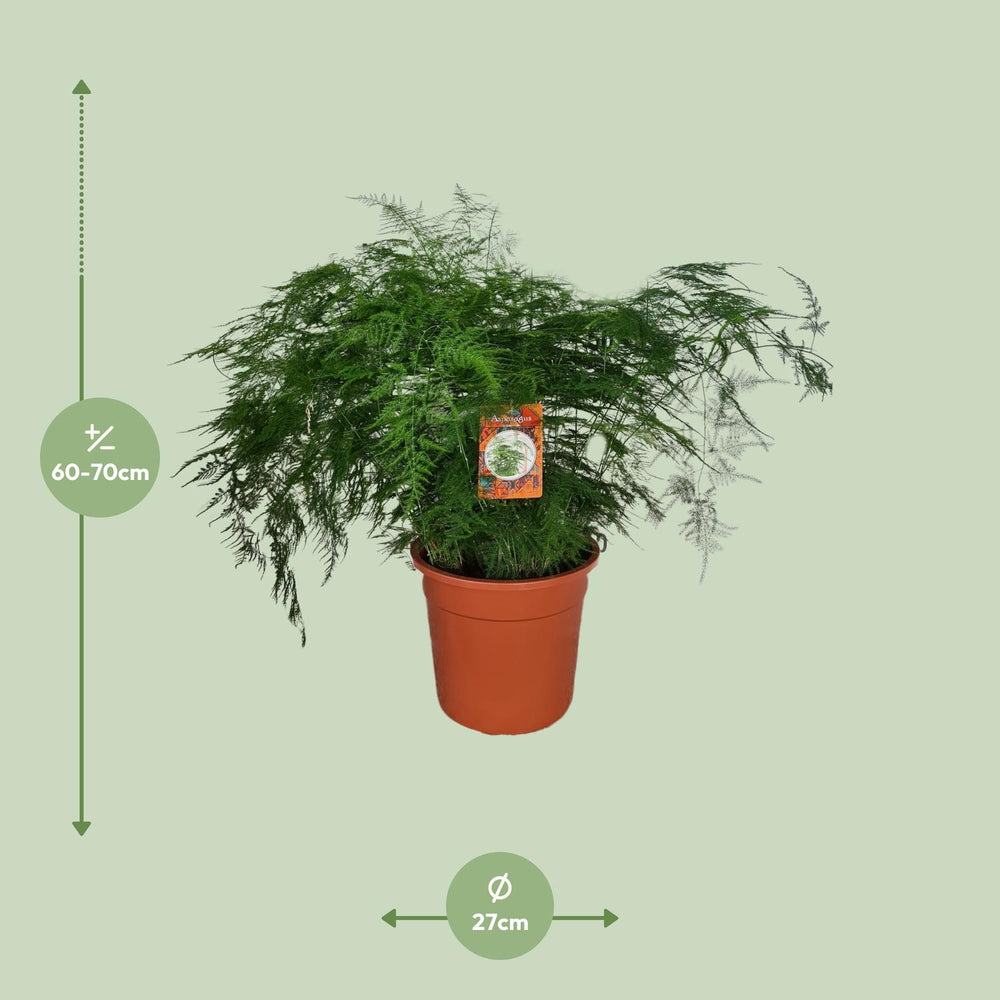


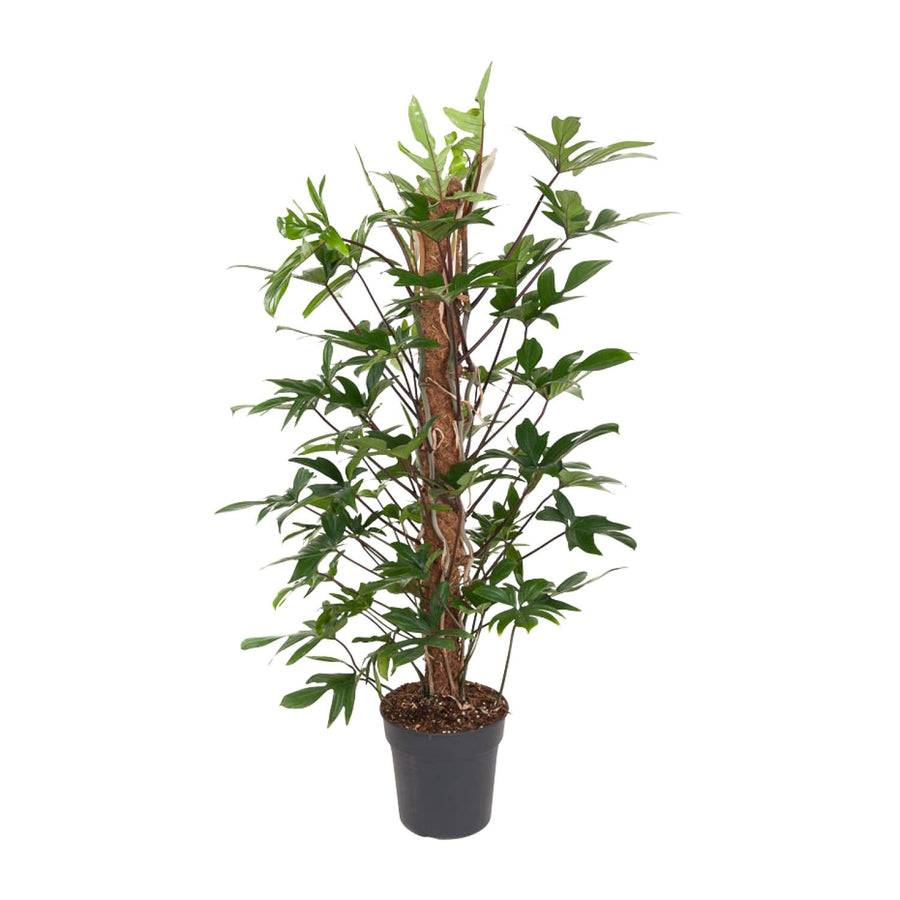
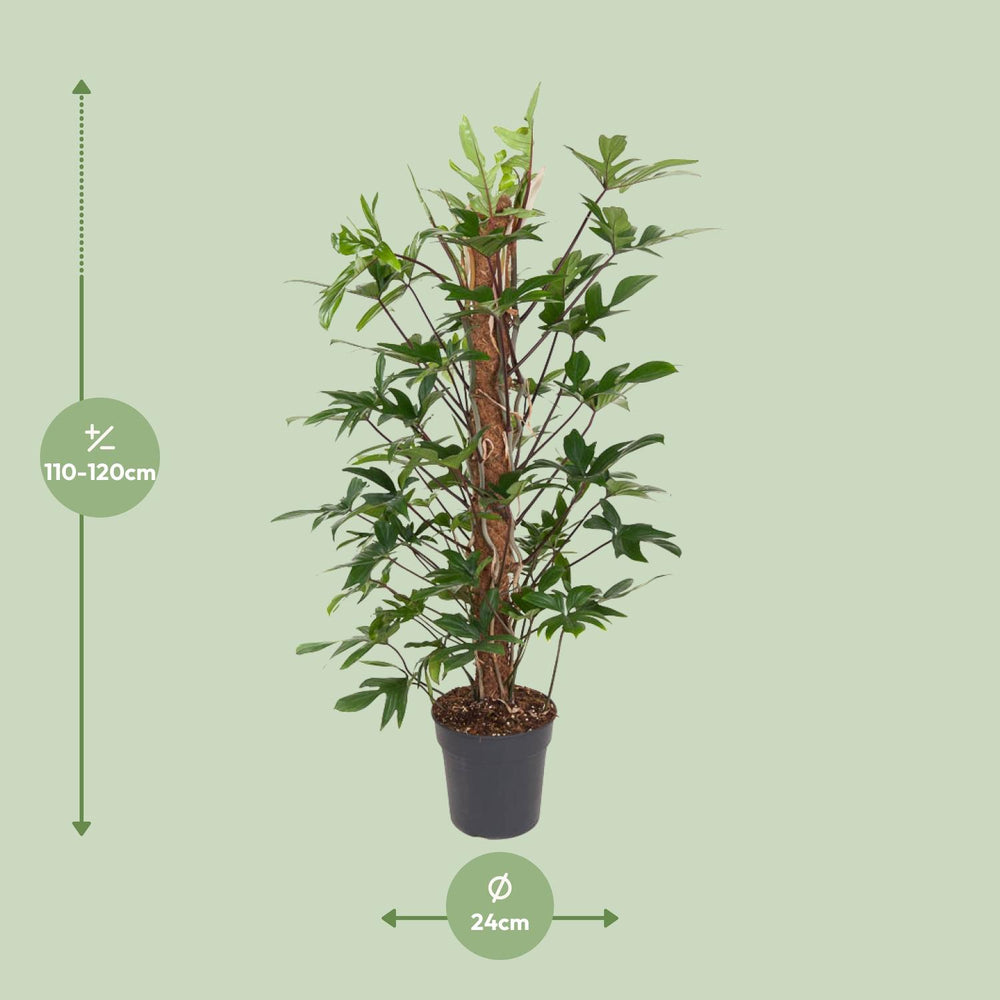













The best office plants survive the three challenges of office environments: low or fluorescent artificial light, dry centrally heated air (relative humidity often drops to 20–30%), and irregular watering when staff are away. Top performers are ZZ Plant (Zamioculcas zamiifolia), Pothos (Epipremnum aureum), Sansevieria (Snake Plant), Parlour Palm (Chamaedorea elegans), and Chinese Evergreen (Aglaonema). Browse our office plant collection with delivery across Ireland and 24 more EU countries.
Why Put Plants in an Office?
Because a planted office is a nicer place to work in. Research from the University of Exeter, published in the Journal of Experimental Psychology in 2014, found that staff in planted offices reported greater satisfaction and concentration than staff in bare, 'lean' offices, and later field studies have pointed the same way. Beyond the research, plants soften hard surfaces, break up open-plan sightlines, and give the eye somewhere restful to land between screens.
Best Office Plants by Placement
- Desktop plants — compact, slow-growing species: Sansevieria cylindrica, Haworthia, Air Plants (Tillandsia), small Pothos; require minimal space and watering every 2–4 weeks
- Floor specimens for reception or lobby — Areca Palm, Parlour Palm, large Sansevieria, ZZ Plant; architectural presence; water every 2–3 weeks
- Shelf or bookcase plants — trailing Pothos or Tradescantia; self-display down the front; visual interest without occupying desk space
- Conference room — Peace Lily or large Chinese Evergreen; shade-tolerant; can survive 1–2 weeks unwatered when rooms are not in use
Watering Office Plants Over Weekends and Holidays
The most common cause of office plant death is overwatering before holiday rather than neglect. Most ZZ Plants, Sansevieria, and Pothos survive 2–4 weeks without watering if the soil is allowed to dry out beforehand. For longer periods, use self-watering pots with integrated reservoirs, or drainage saucers filled with water and clay pebbles (the roots draw water from the saucer via capillary action without sitting in water).
Explore related: Air Purifying Plants · Low Light Plants · Low Maintenance Plants