








Rare & Exotic Plants — Unusual Collector's Plants
10 products
Rare and exotic plants are species outside the mainstream garden centre range — unusual tropical aroids, carnivorous plants, rare succulents, and botanical curiosities that experienced collectors seek out. These plants reward the grower with something genuinely distinctive: unusual leaf forms, rare flowering habits, or collector-grade specimens that few others grow. Browse our rare and exotic plant collection with delivery across Ireland and 24 more EU countries.
What Makes a Plant Rare or Exotic?
A plant is considered rare in horticulture when it is genuinely difficult to source through normal retail channels — either because it is slow to propagate, difficult to grow at commercial scale, newly introduced from a botanical collection, or simply not yet established in mainstream production. Exotic plants are those originating outside the European temperate climate zone — tropical aroids, Australasian species, South American cloud forest plants, and Southeast Asian species that require specific care to thrive in European homes and gardens. Many "exotic" houseplants — Monstera, Philodendron, Bird of Paradise — have become mainstream; true rarities are the species one step beyond these.
Rare Indoor Plants for Collectors
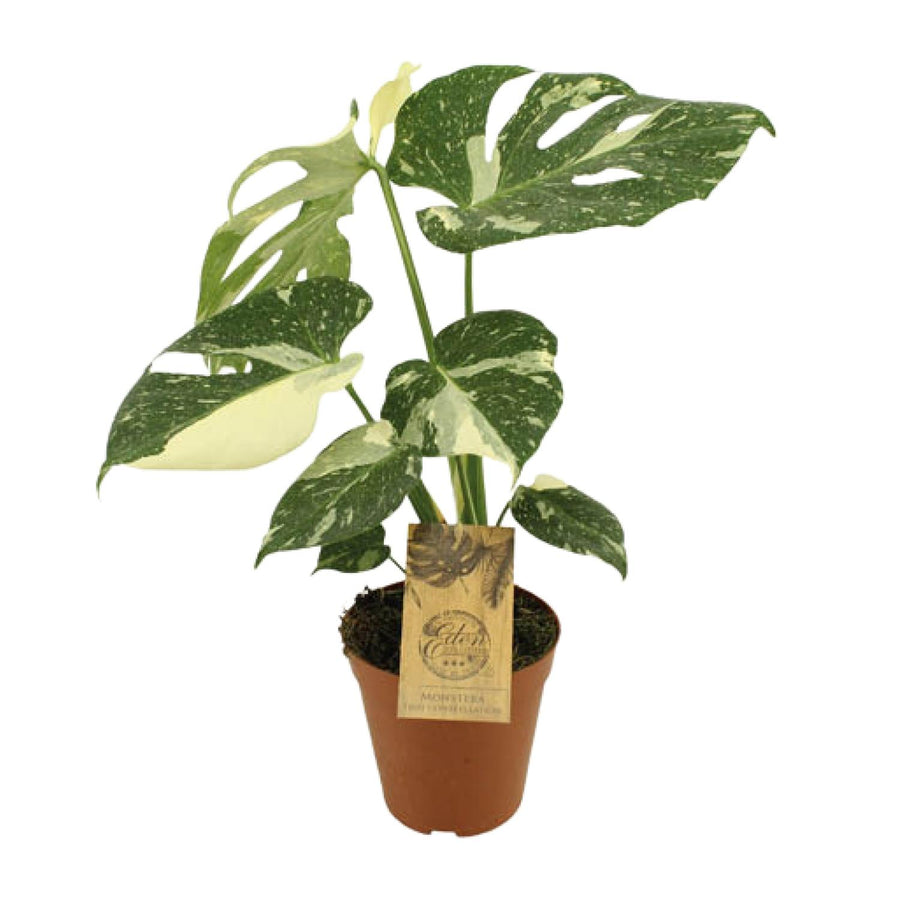
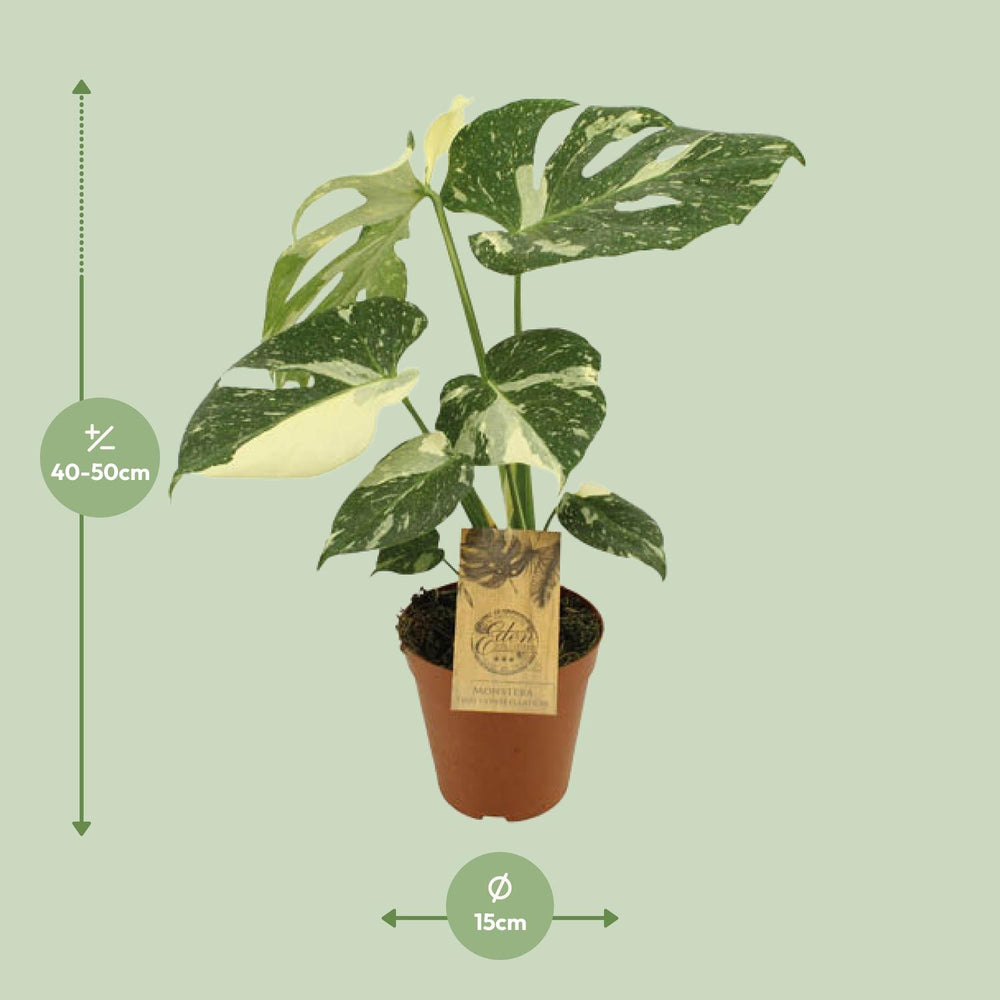
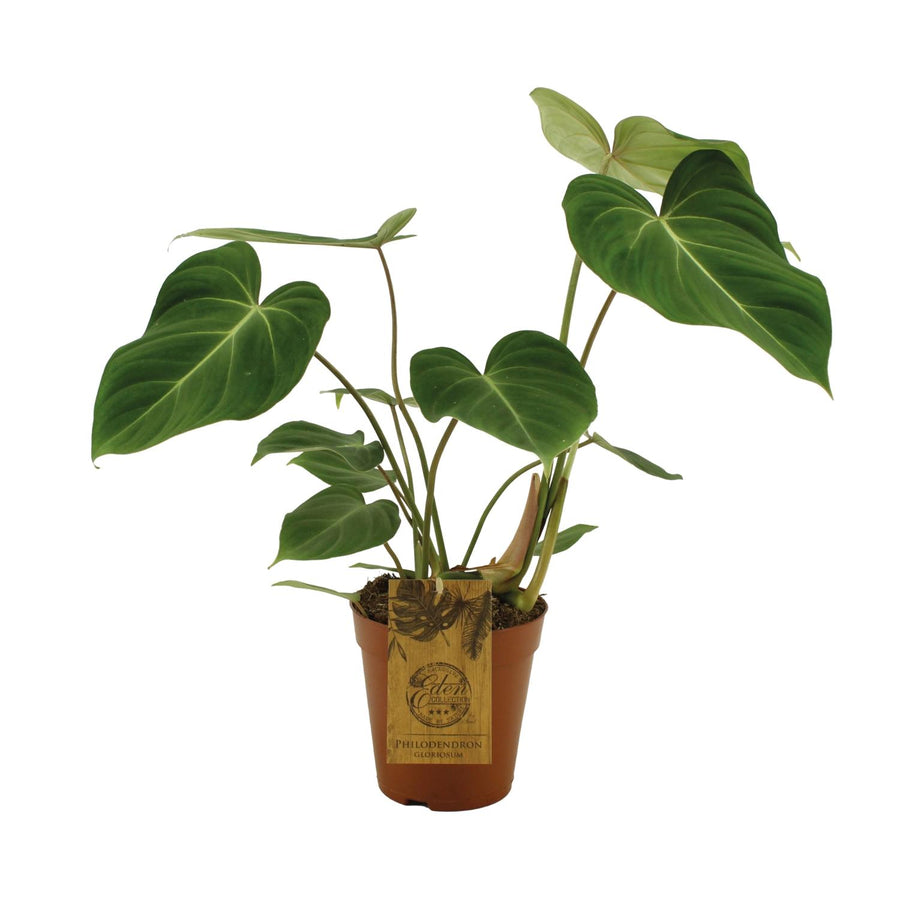
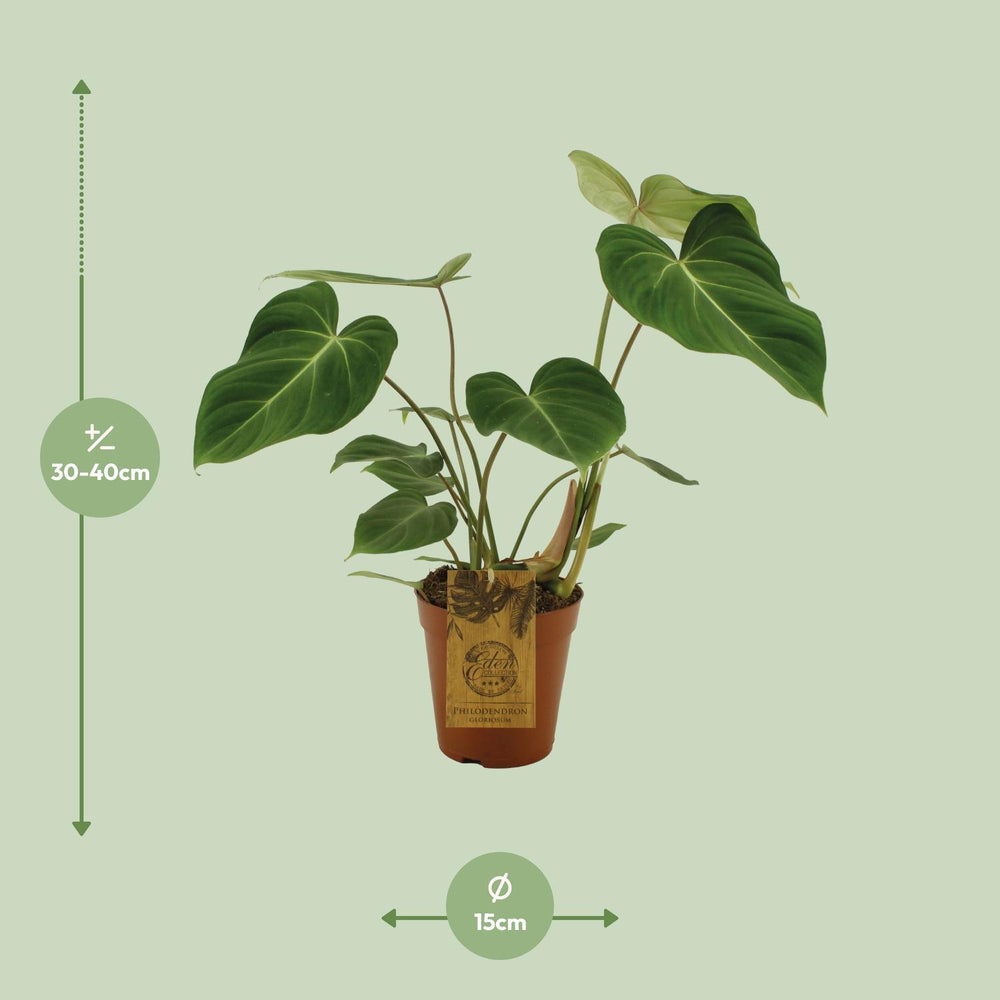
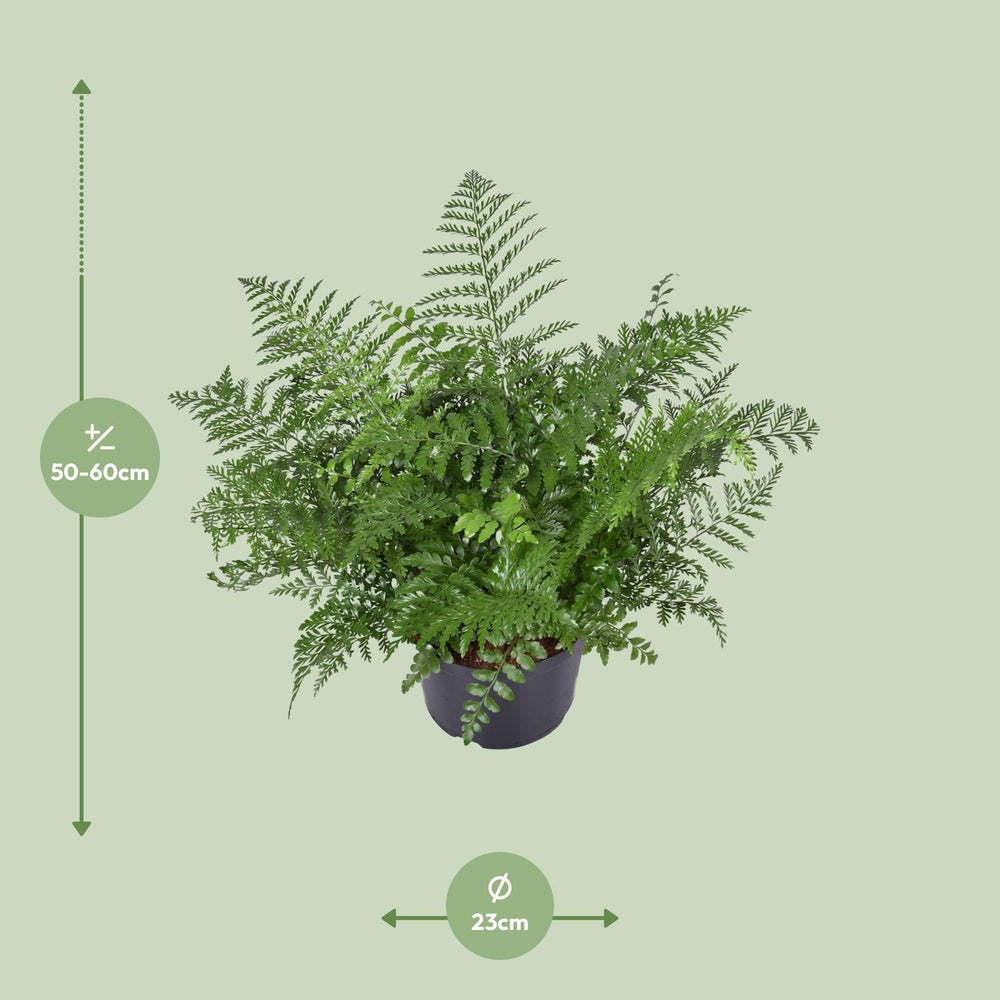
The most sought-after rare indoor plants include unusual Monstera varieties (fenestrated rarities beyond the common deliciosa), rare Philodendron species with unusual leaf colouration or form, Alocasia varieties beyond the standard 'Polly', carnivorous plants (Nepenthes, Sarracenia, Dionaea), and rare fern species from subtropical forests. For indoor growing, prioritise species suited to European home conditions: 18–24°C year-round, moderate to high humidity (50–70%), and consistent bright indirect light. Most true exotics struggle with central heating in winter — a humidity tray or small humidifier makes a significant difference.
Rare Garden Plants for Outdoor Spaces
For sheltered European gardens, rare outdoor plants include unusual Magnolia species, rare Camellias, botanical Roses not found in garden centres, unusual Clematis species beyond the standard large-flowered hybrids, and specimen-grade ornamental trees. Hardiness is the key selection criterion for European gardens — USDA hardiness zone 7 (−17°C minimum) covers most of northern Europe; zone 8 (−12°C) covers Atlantic coastal areas including Ireland and western Britain. Check cold hardiness before purchasing any exotic for outdoor planting.
Explore related: Indoor Plants · Tropical & Exotic Plants · Outdoor Garden Plants