



Wisteria Plants — Cascading Flowering Climbers
4 products
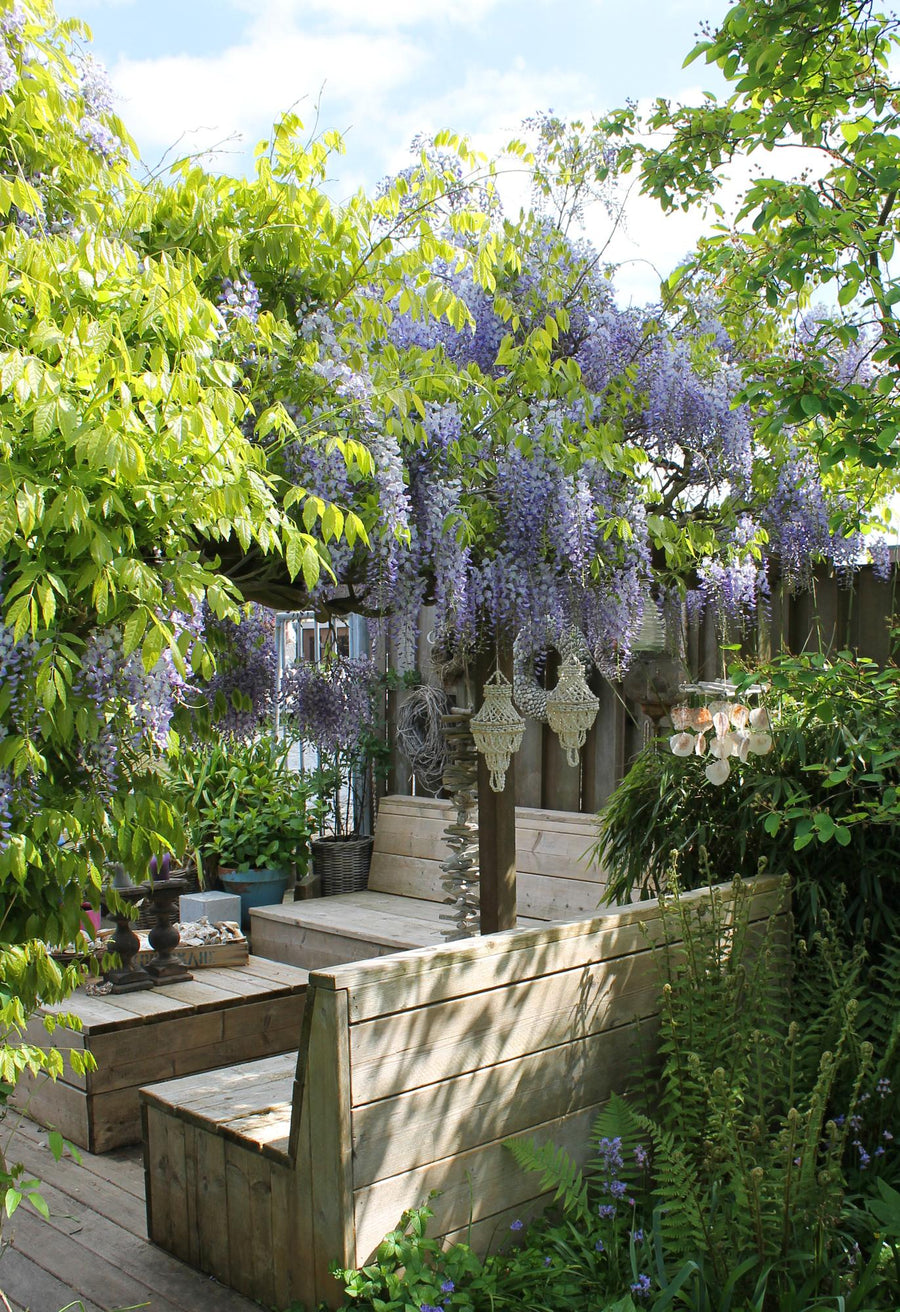
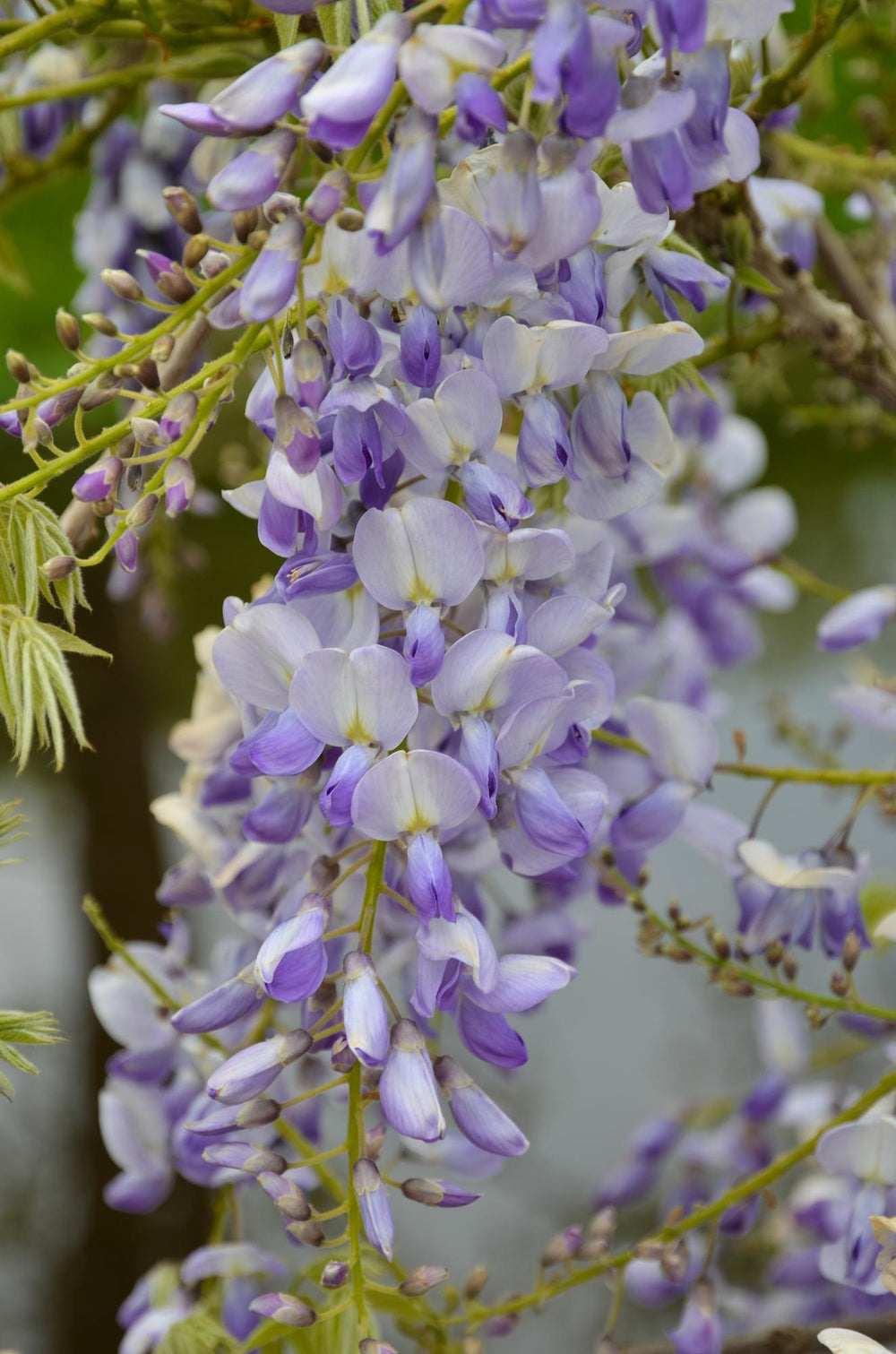
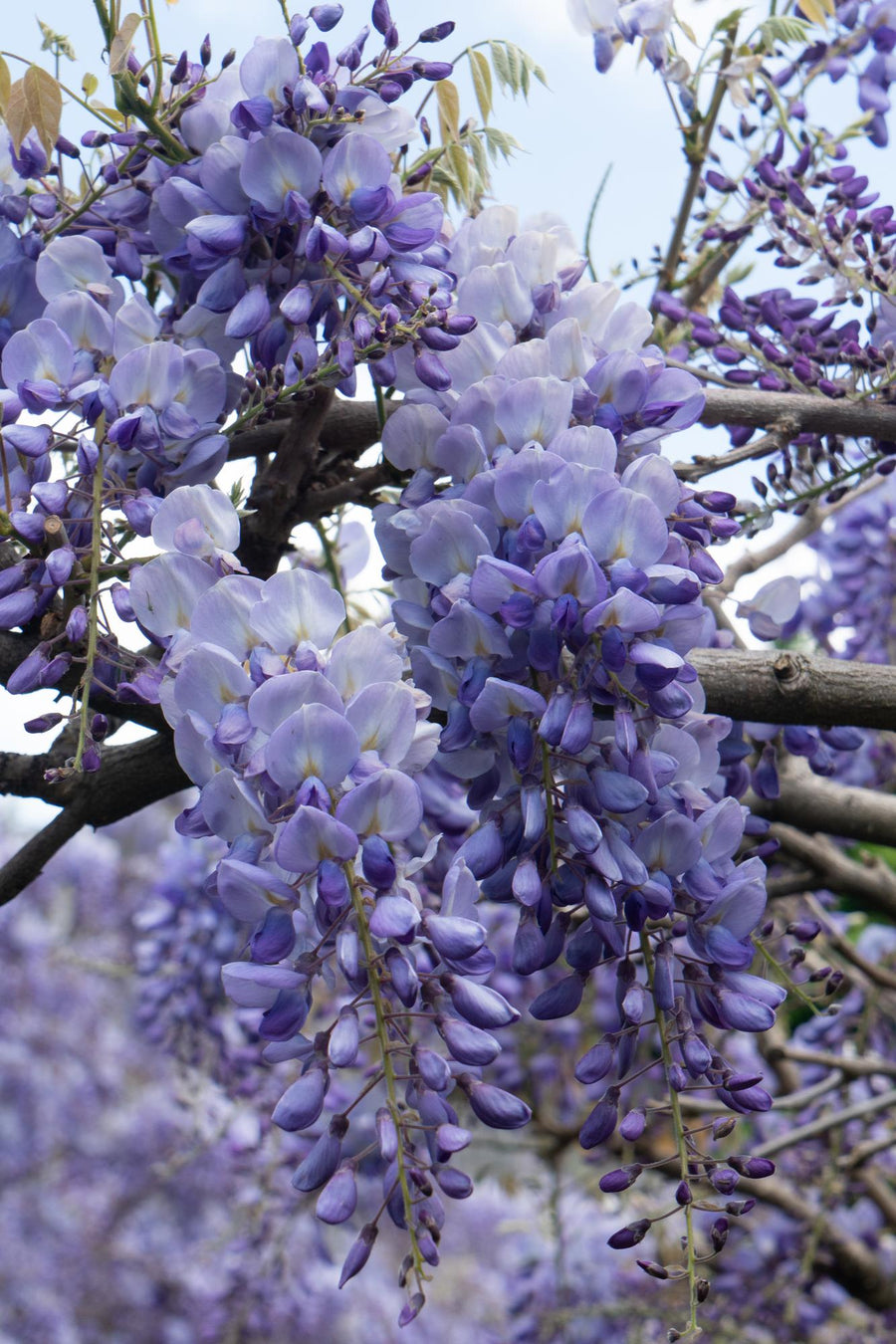
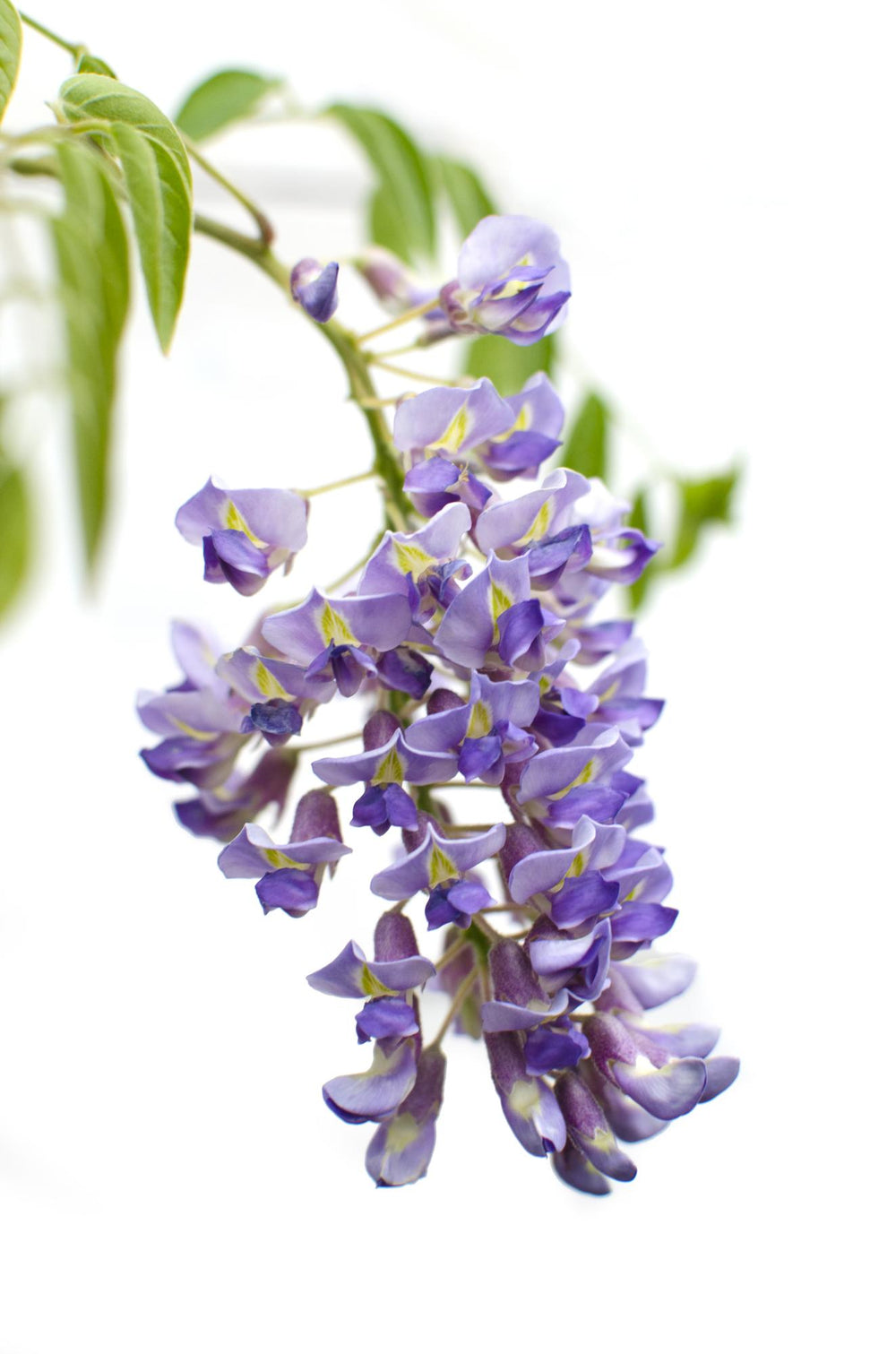
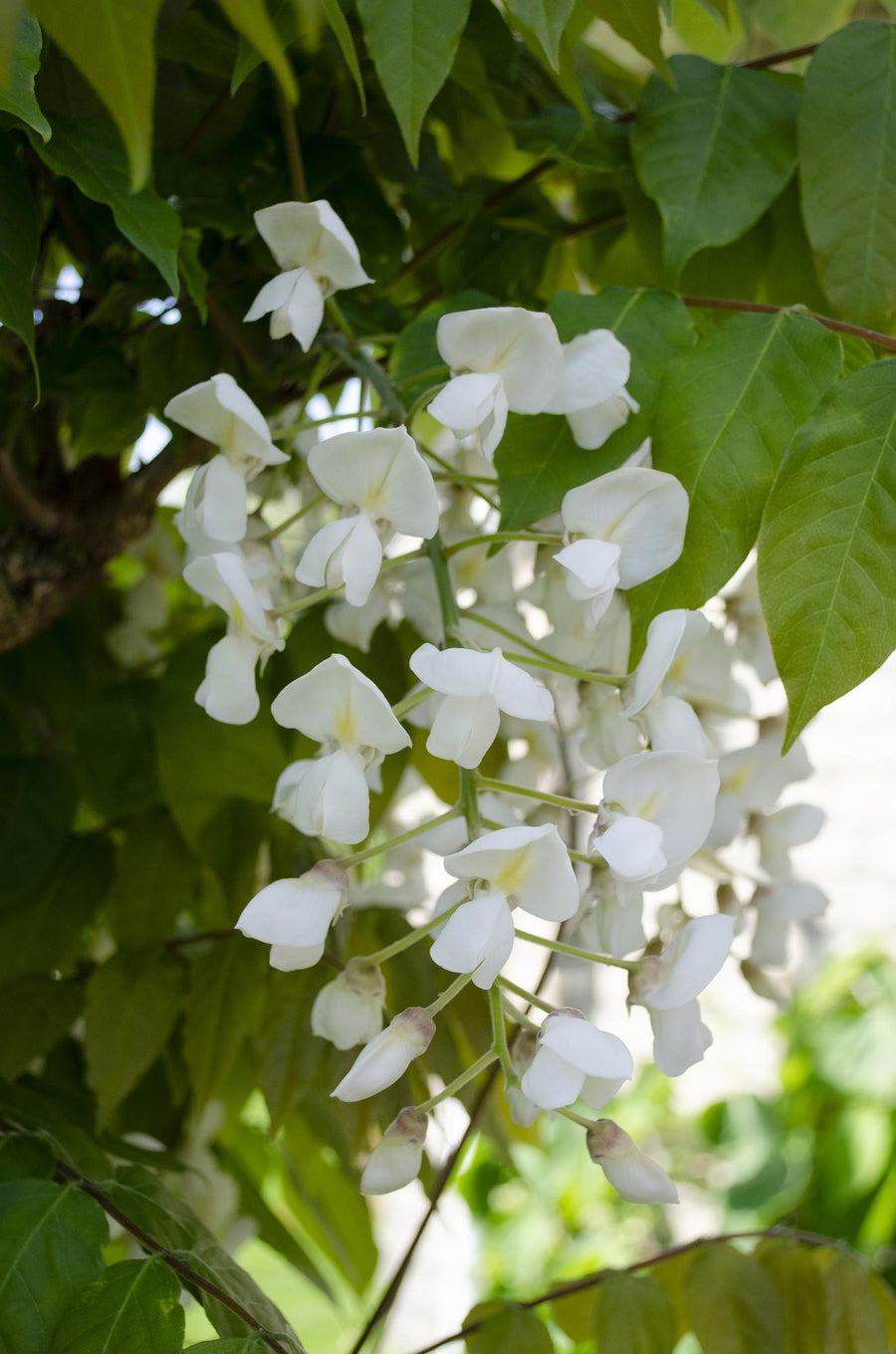
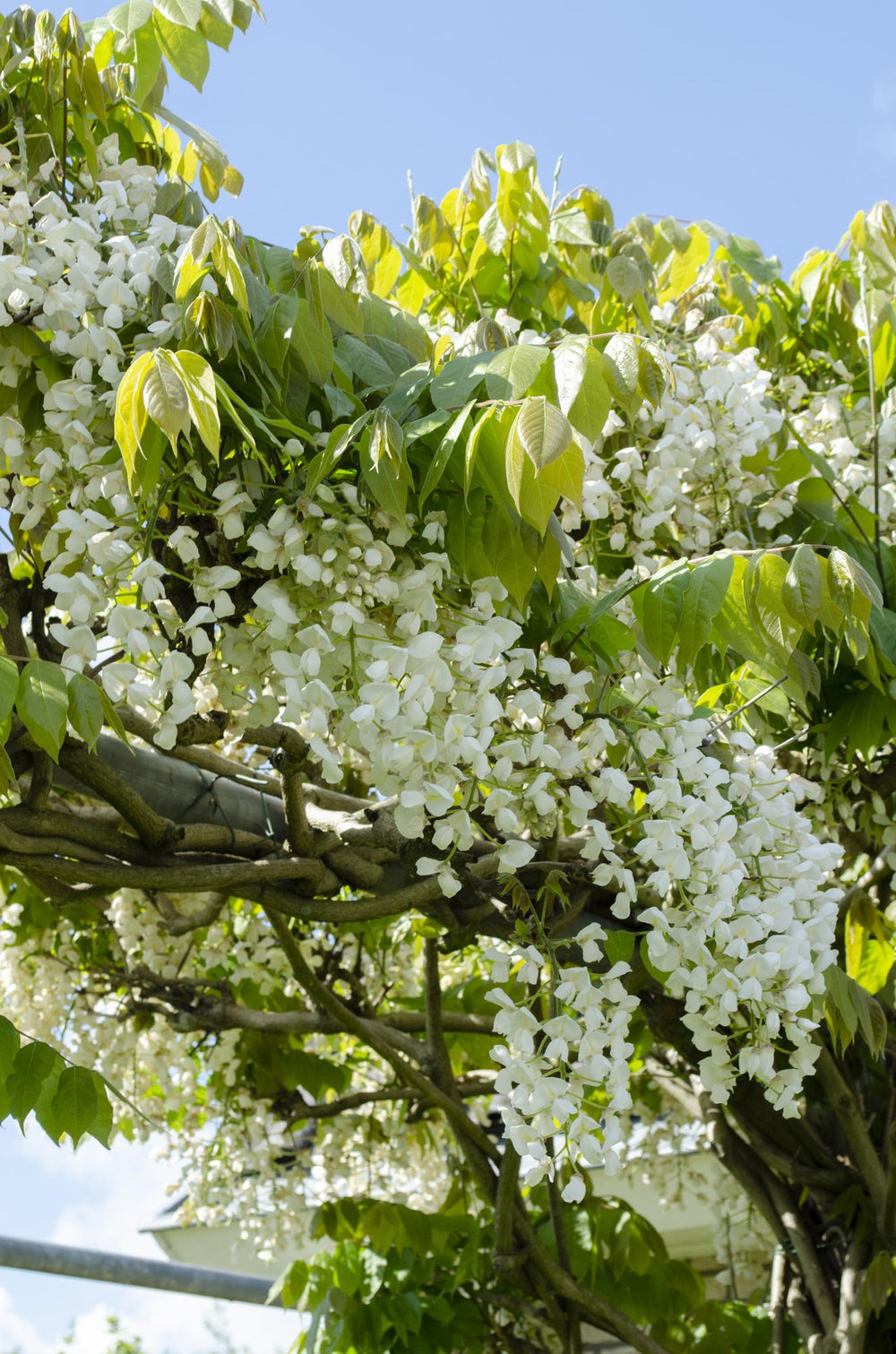
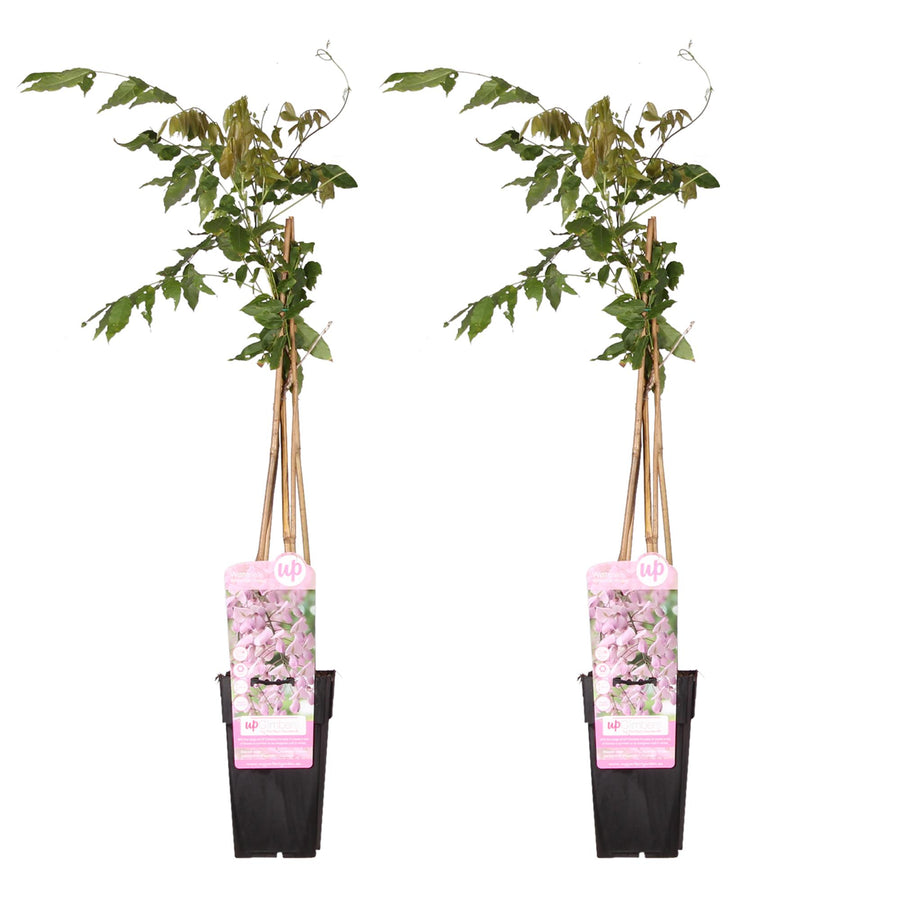
Wisteria is Europe's most spectacular flowering climbing plant — producing cascading clusters of fragrant purple, white, or pink flowers up to 50cm long in May and June, with many varieties reblooming in late summer. The two most widely grown species are Chinese Wisteria (Wisteria sinensis) and Japanese Wisteria (Wisteria floribunda). Browse our Wisteria collection with delivery across Europe.
Chinese vs Japanese Wisteria — What's the Difference?
Chinese Wisteria (Wisteria sinensis) twines anticlockwise, produces all its flowers at once before the leaves fully open, and has flower racemes of 20–30cm. Japanese Wisteria (Wisteria floribunda) twines clockwise, produces flowers and leaves together, and has longer racemes — up to 50–120cm in named cultivars. Both are fully hardy throughout most of Europe (RHS H5–H6, USDA zones 5–9).
How to Grow Wisteria Successfully
Wisteria requires full sun (minimum 6 hours direct sun per day), fertile well-drained soil, and a robust support structure — a mature Wisteria can weigh several hundred kilograms. The most common reason Wisteria fails to flower is insufficient sun or over-feeding with nitrogen fertiliser, which promotes foliage at the expense of flowers.
Wisteria Pruning — Two Cuts Per Year
- August pruning — cut all new shoots back to 5–6 leaves from the main framework; essential to build flowering spurs
- February pruning — cut the same shoots back further to 2–3 buds; this is what produces the flowers
- First 2–3 years — train main stems along the support framework before pruning hard; allow the plant to establish its structure first
Browse our full climbing plants collection and explore our guide to the best climbing plants for your garden.