



Young evergreen hedging plants in economical packs for low formal hedges, box-style edging and clumping bamboo screens in Irish and European gardens. Free tracked delivery across Ireland and 24 more EU countries.














What is the best replacement for a box hedge?
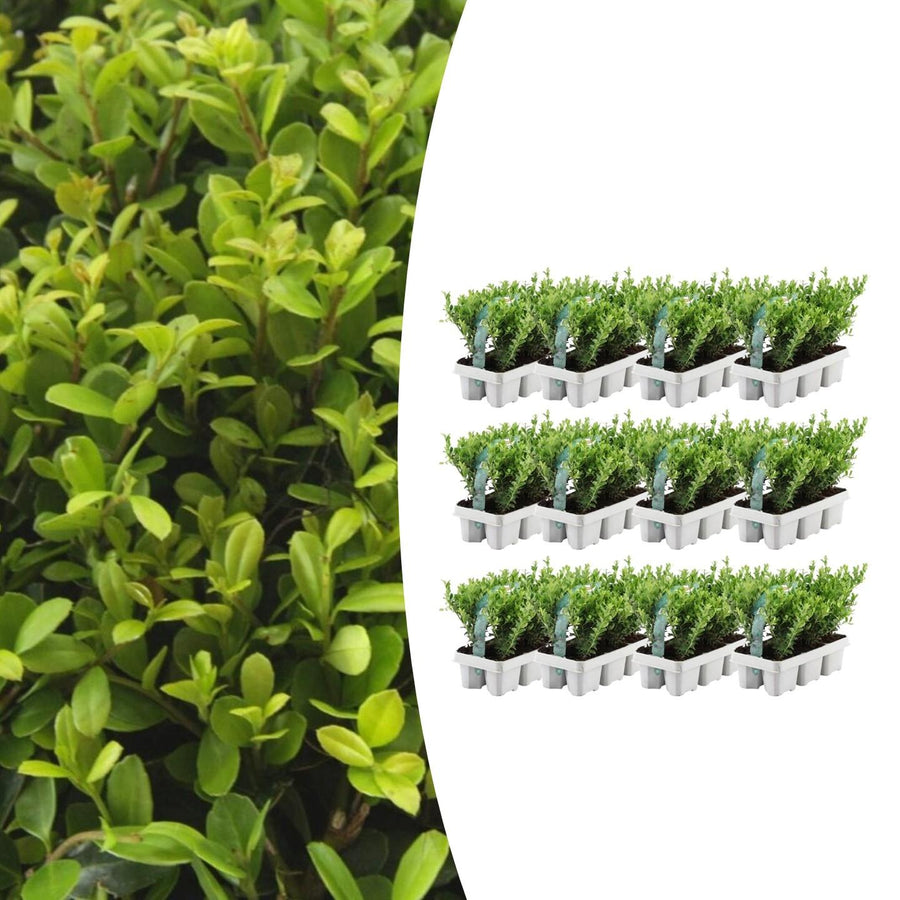
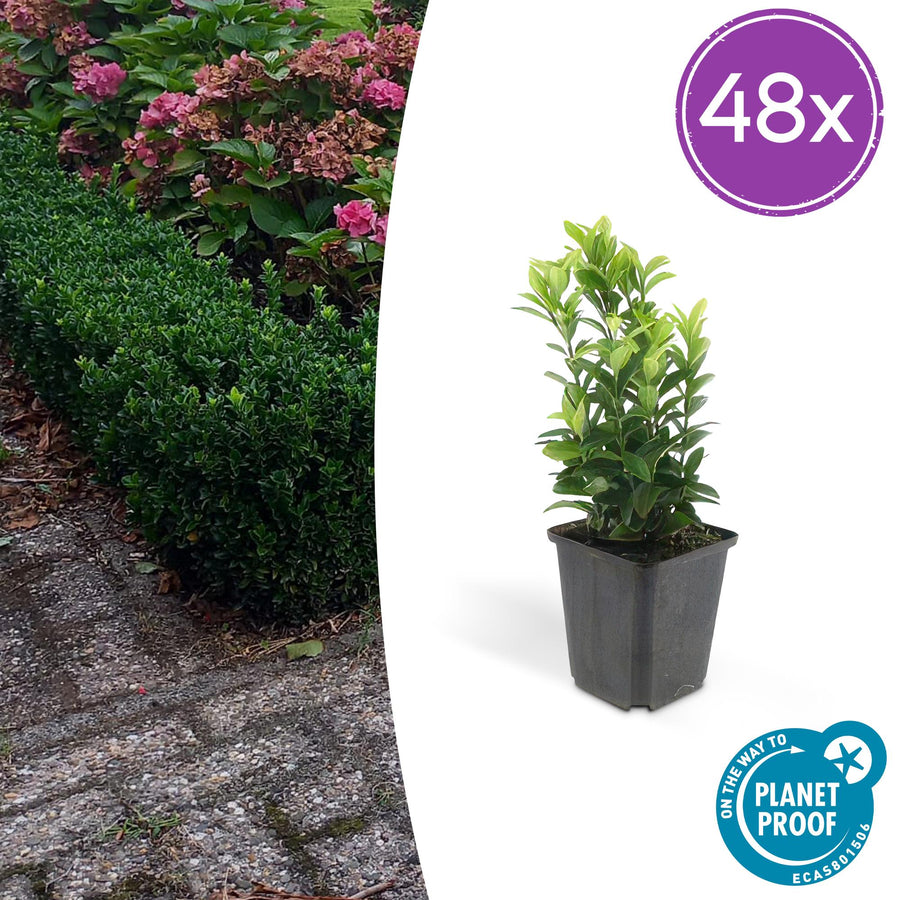
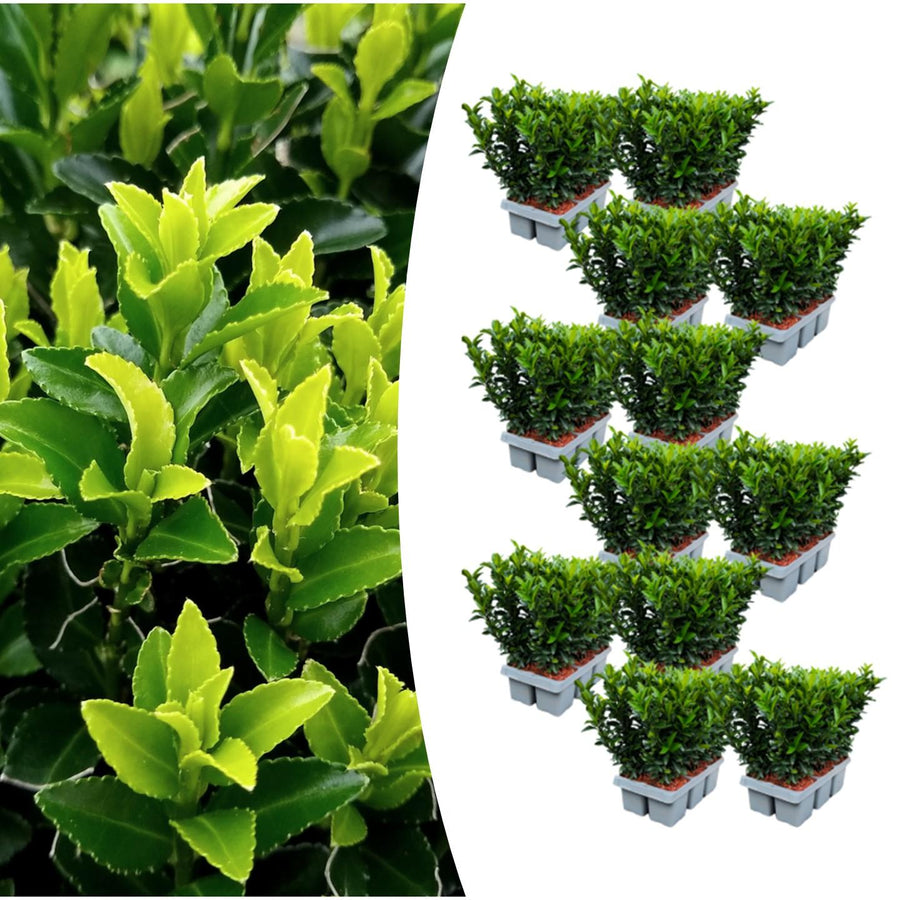
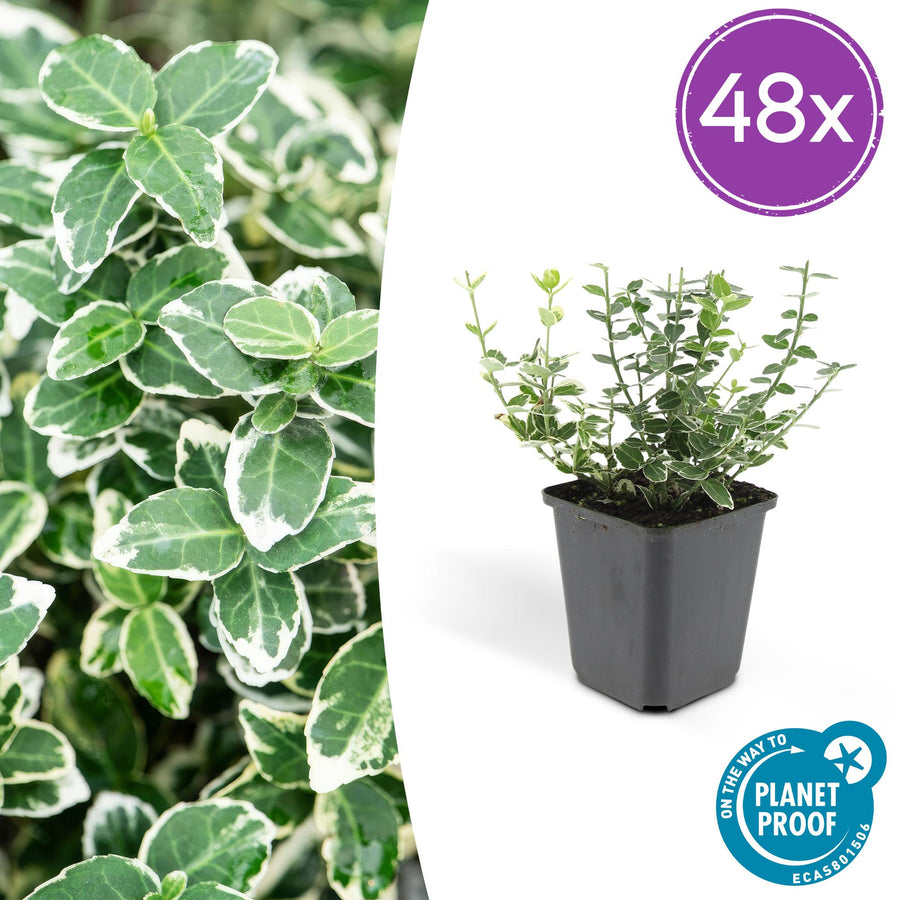
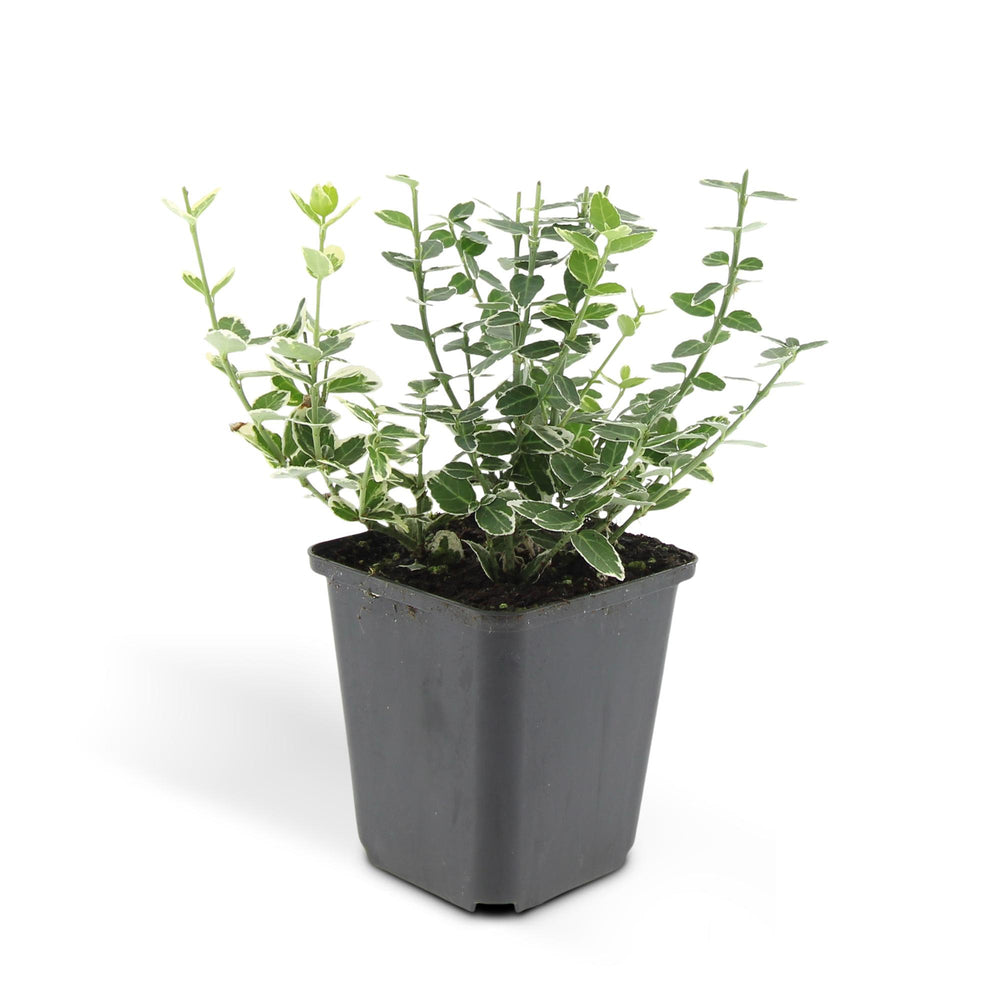
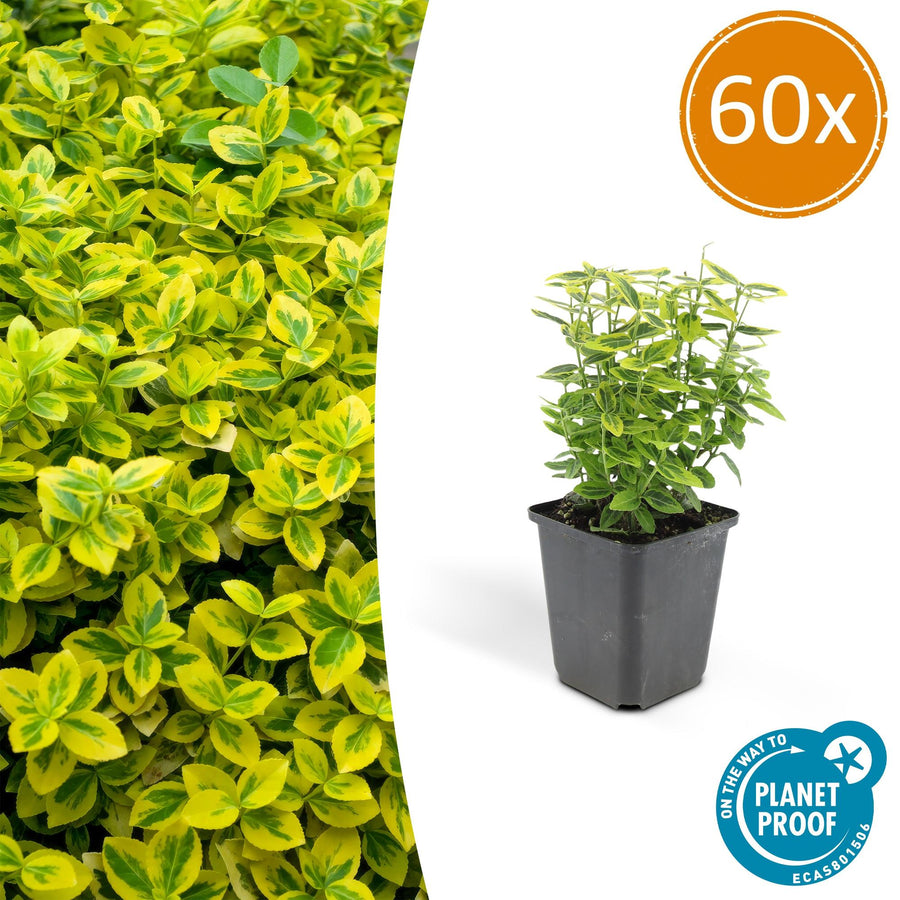
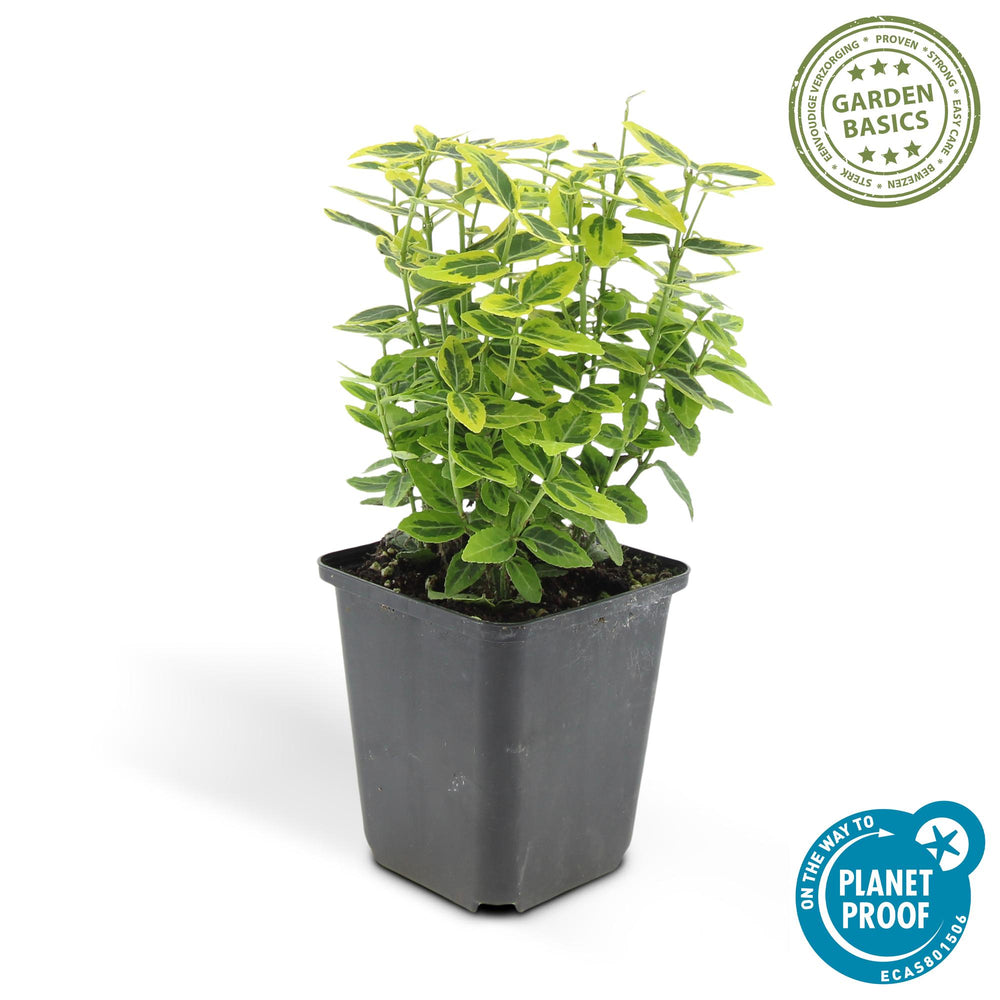
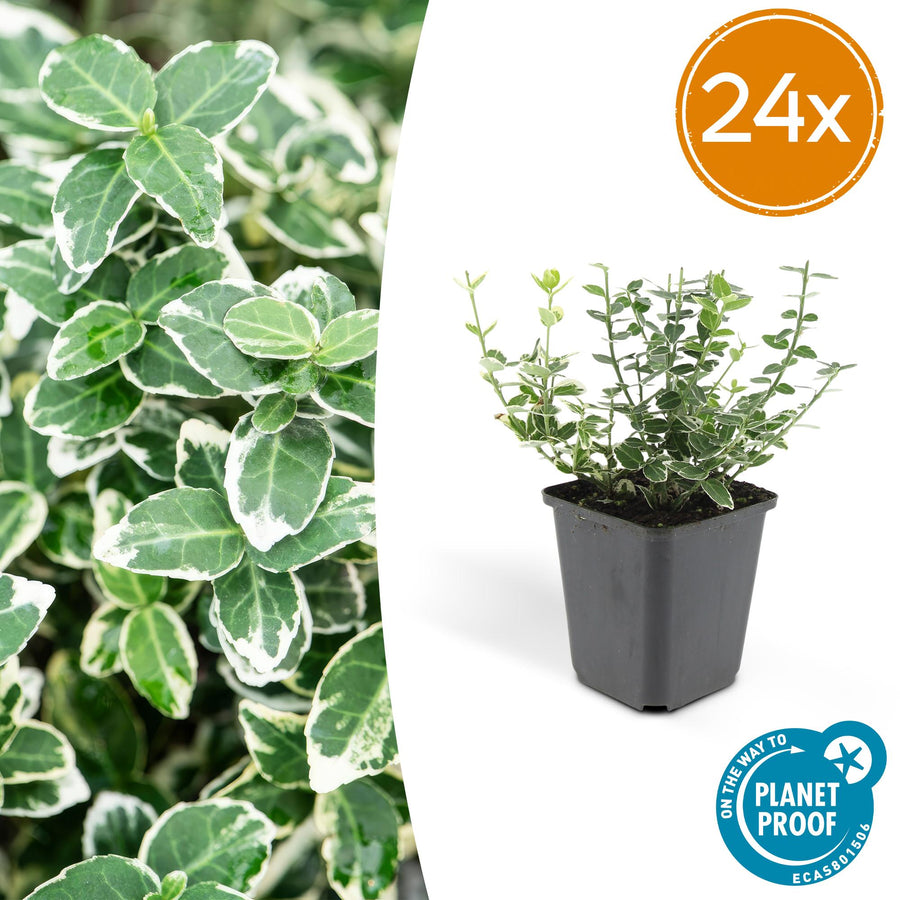
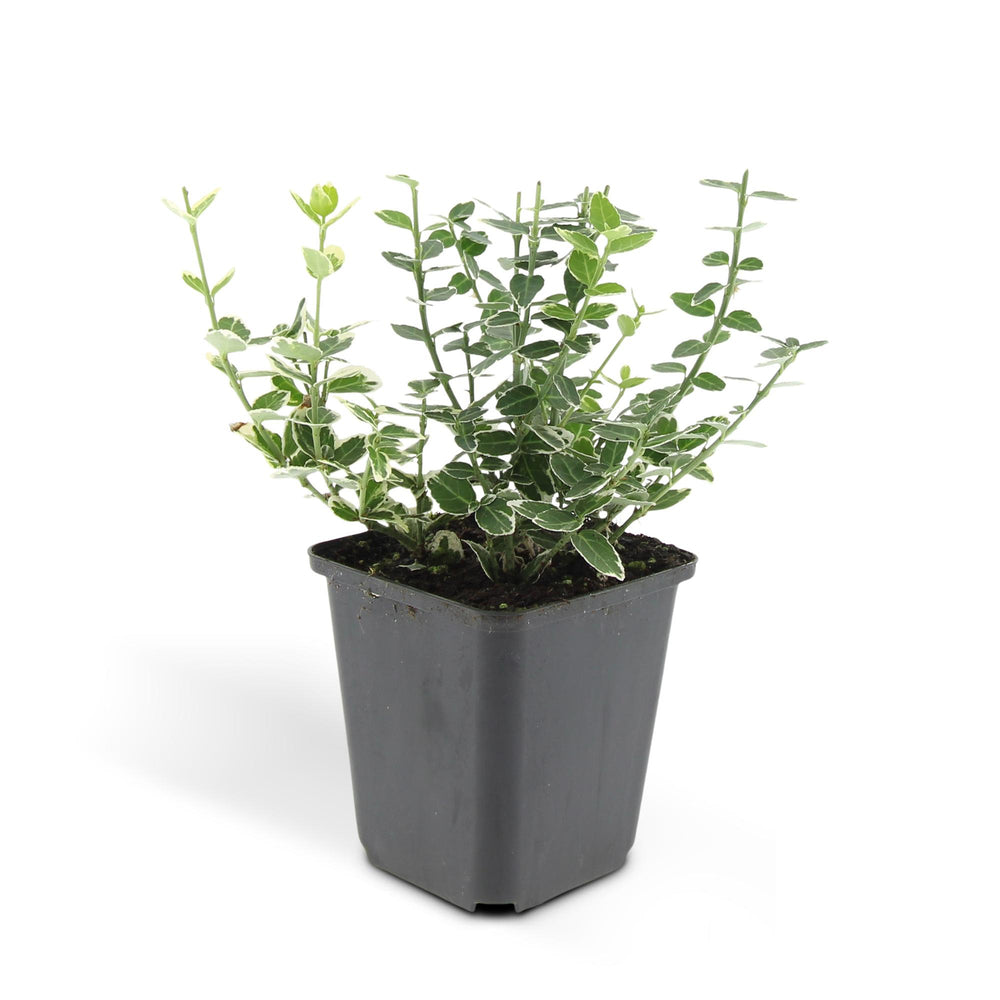
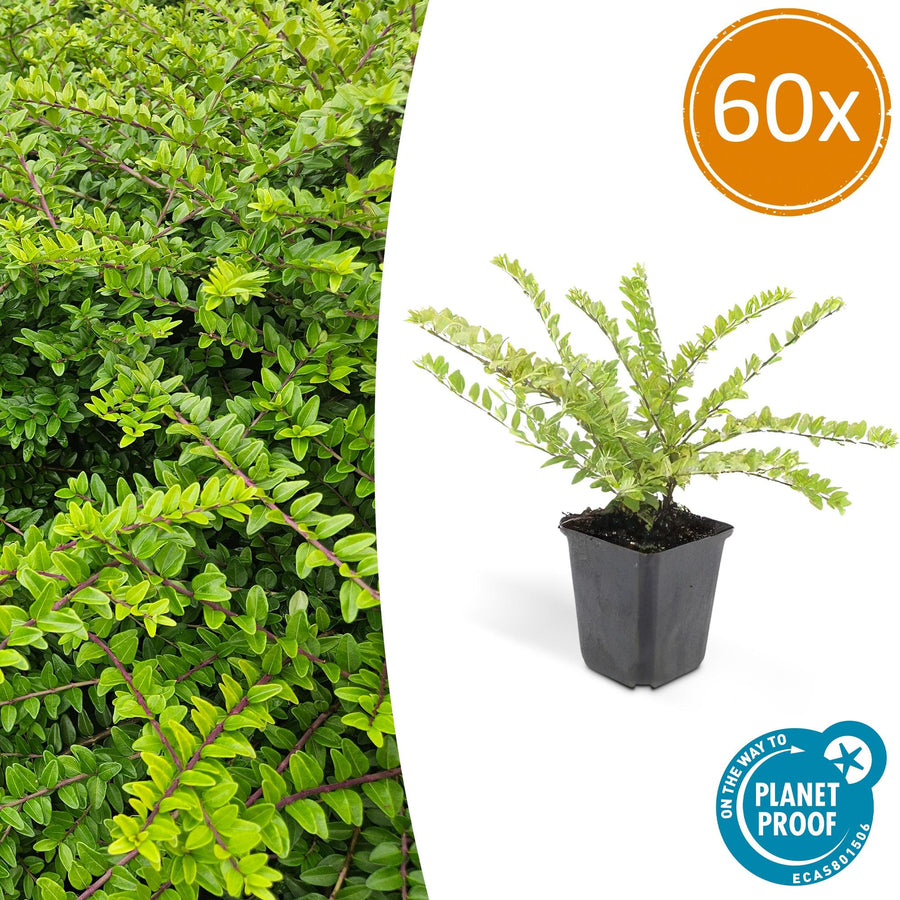
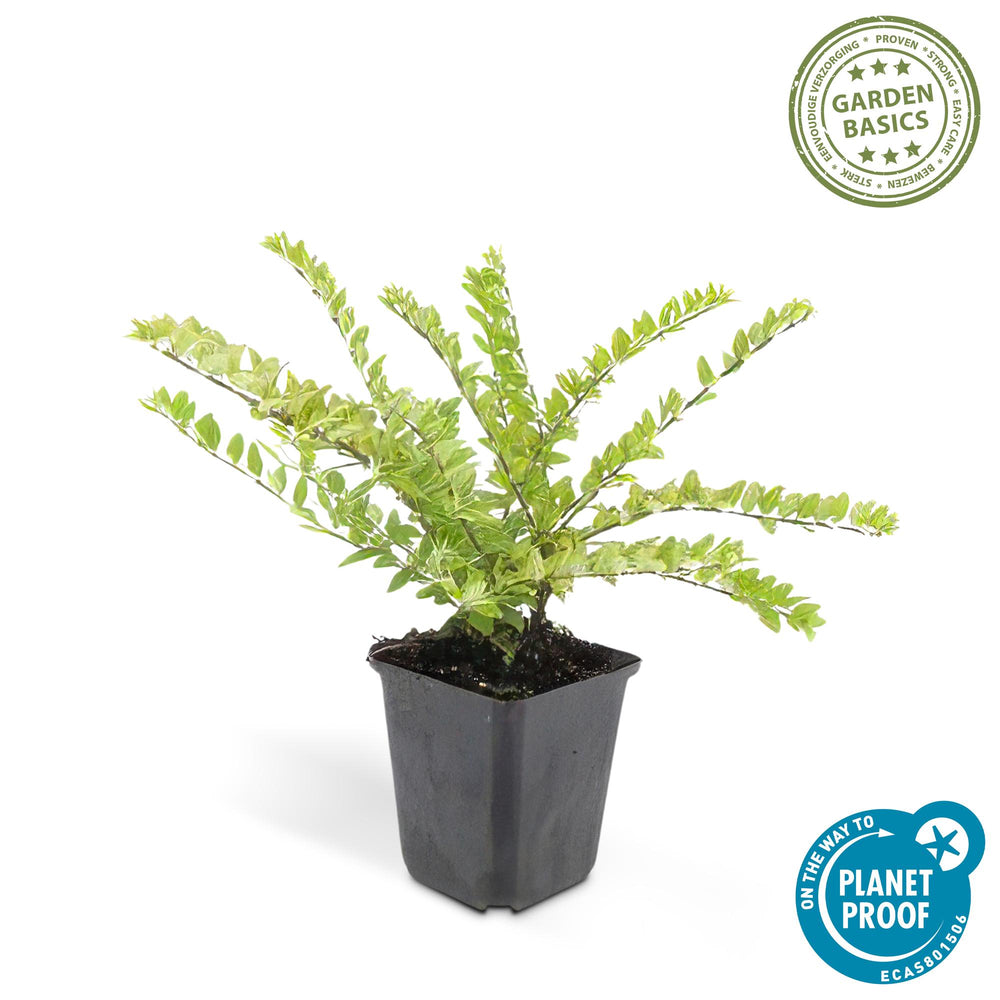
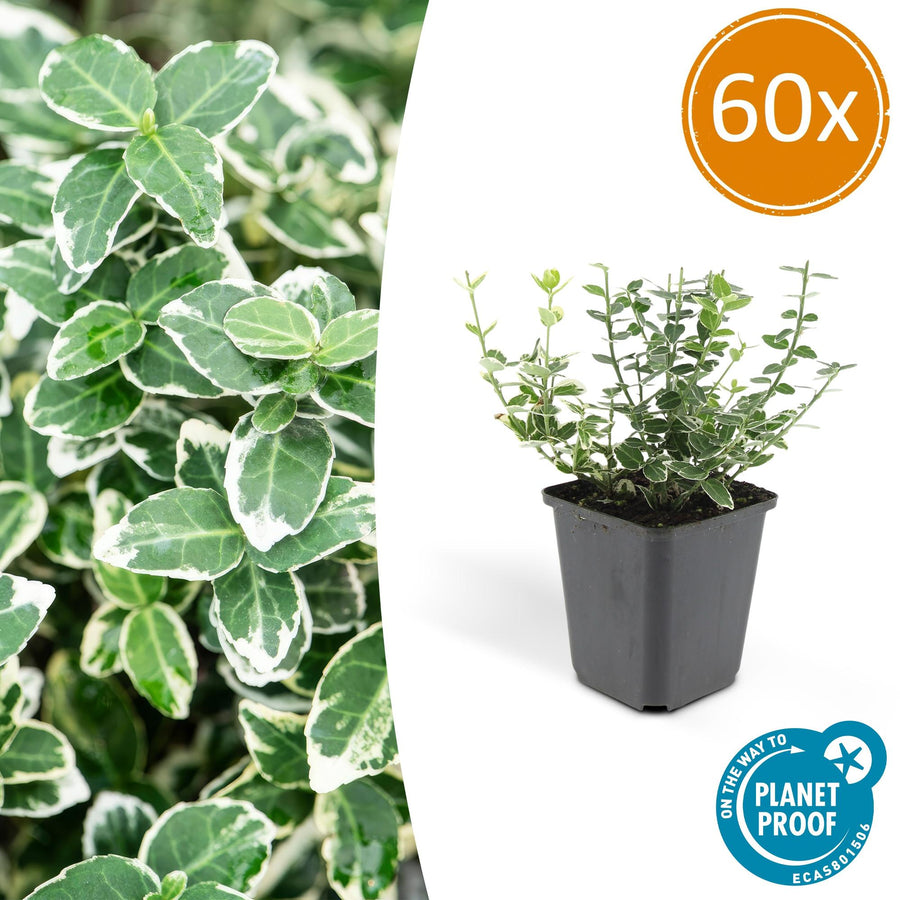
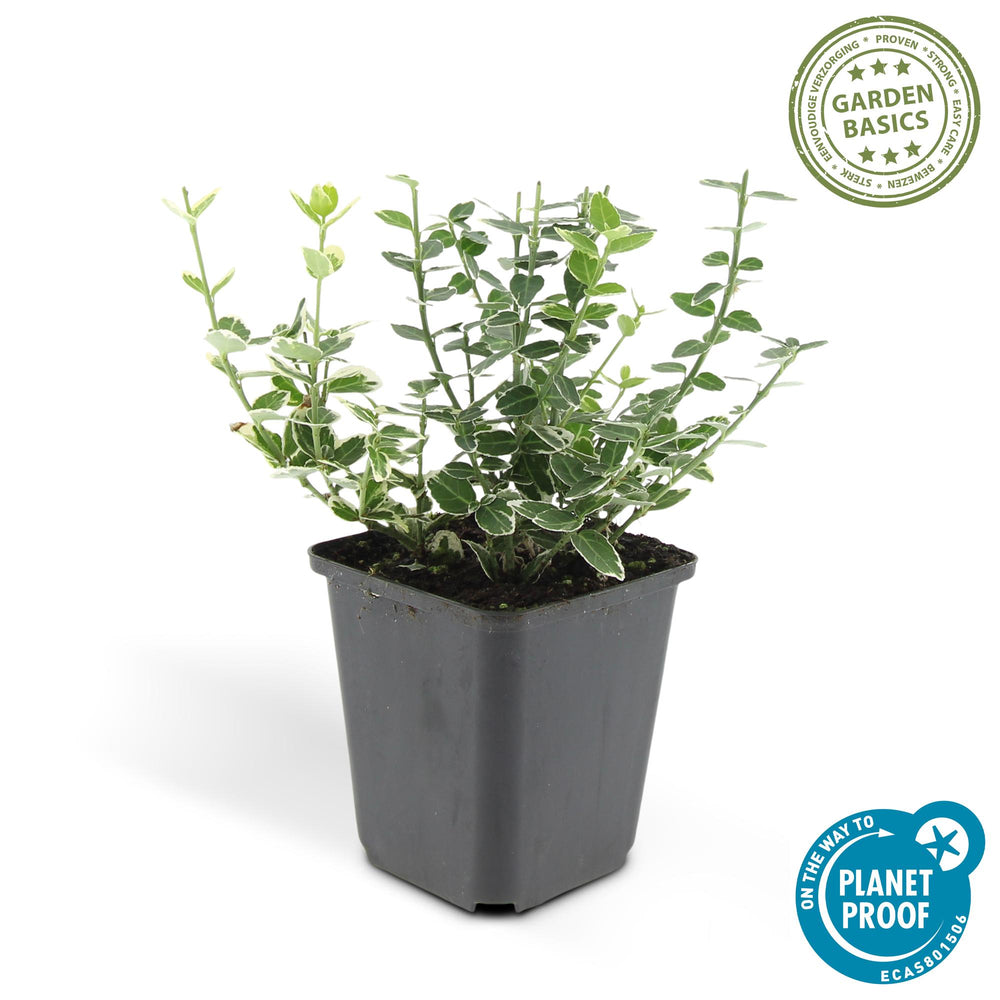
Box moth (Cydalima perspectalis) and box blight have devastated Buxus hedges across Ireland and Europe. The main alternatives are Euonymus japonicus 'Green Spire', 'White Spire' and 'Paloma Blanca', and Ilex crenata 'Jenny' (Japanese holly). They are not susceptible to box blight, the box tree moth has so far only been recorded on box in Europe, and all clip to the same neat, formal shape. Lonicera nitida 'Maigrün' is a faster, small-leaved option that needs clipping more often.
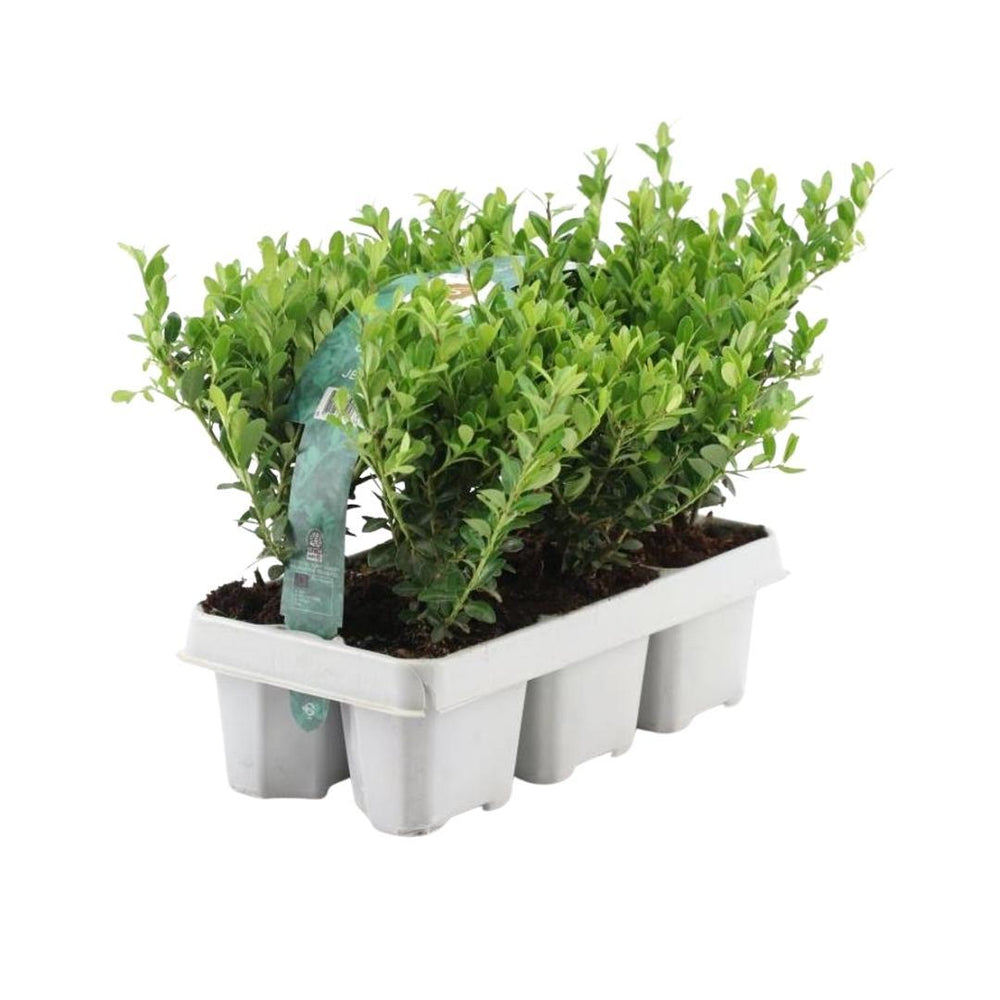
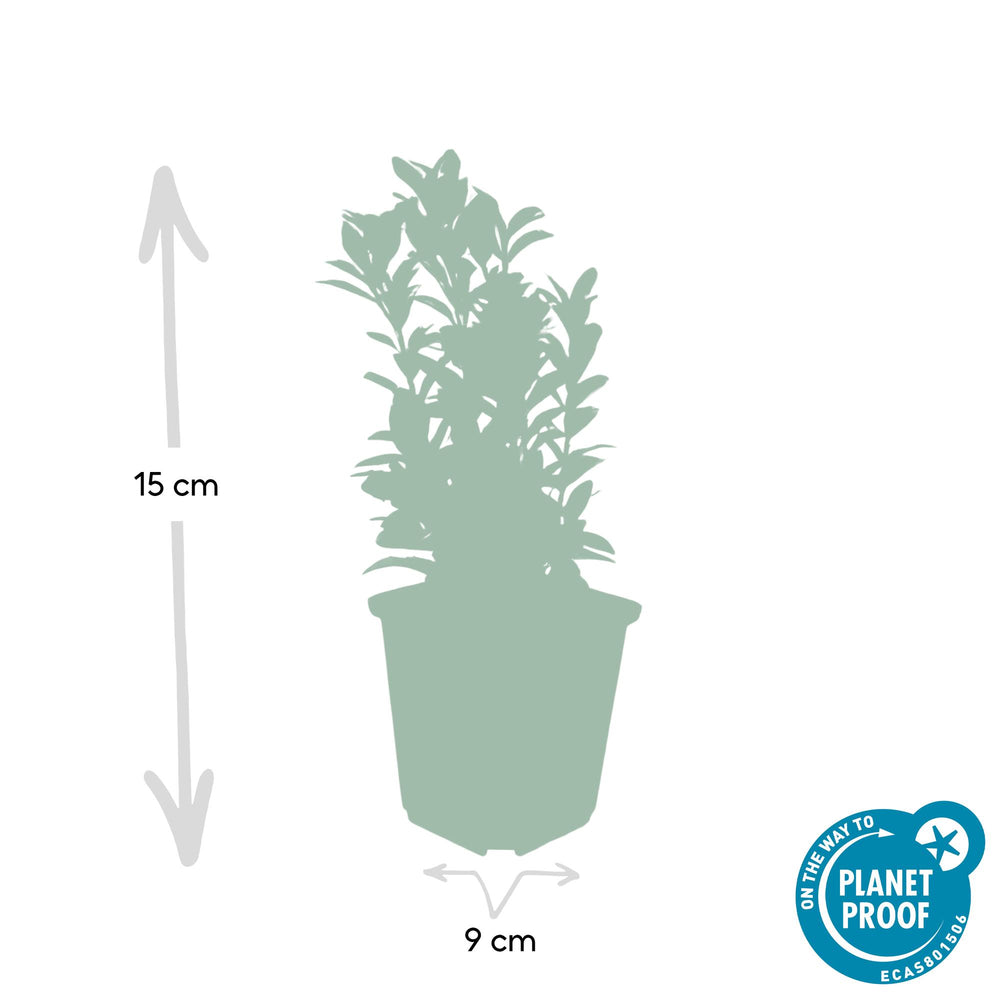
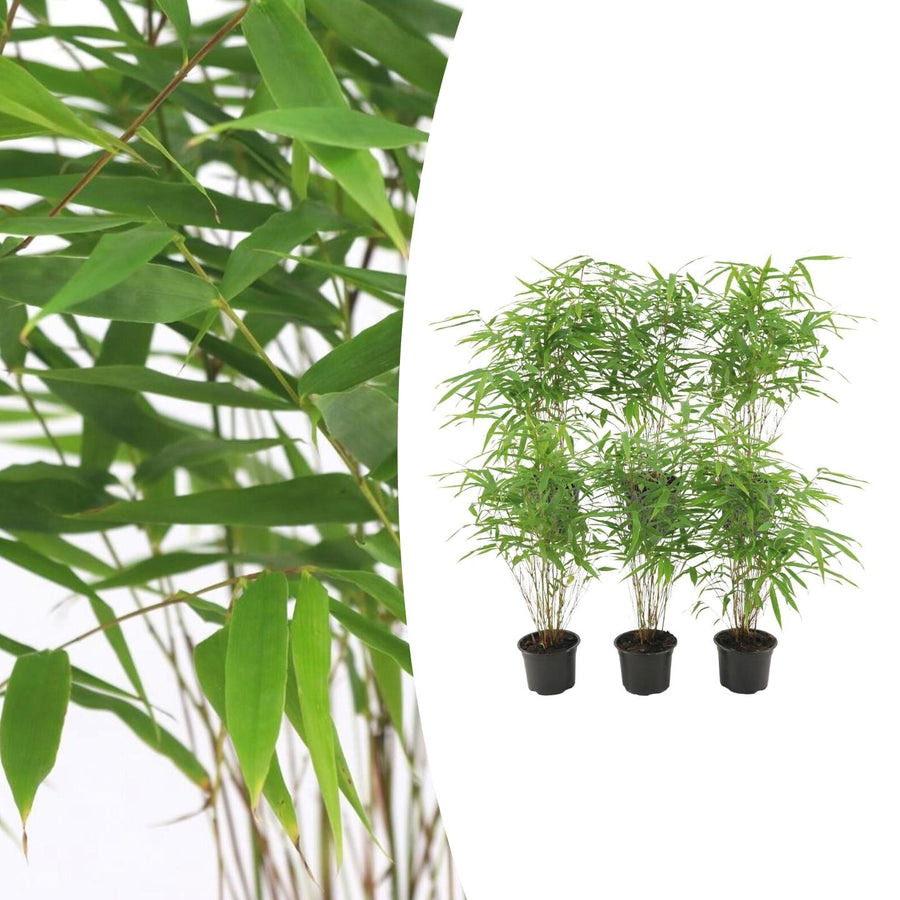
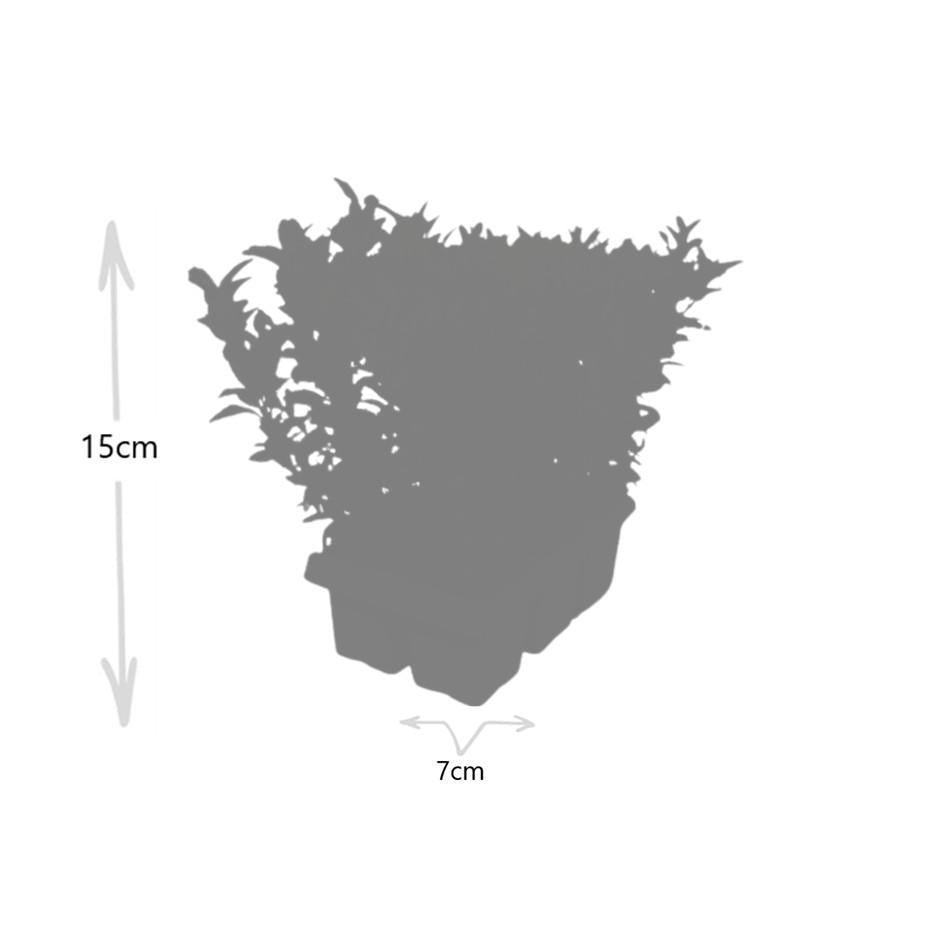
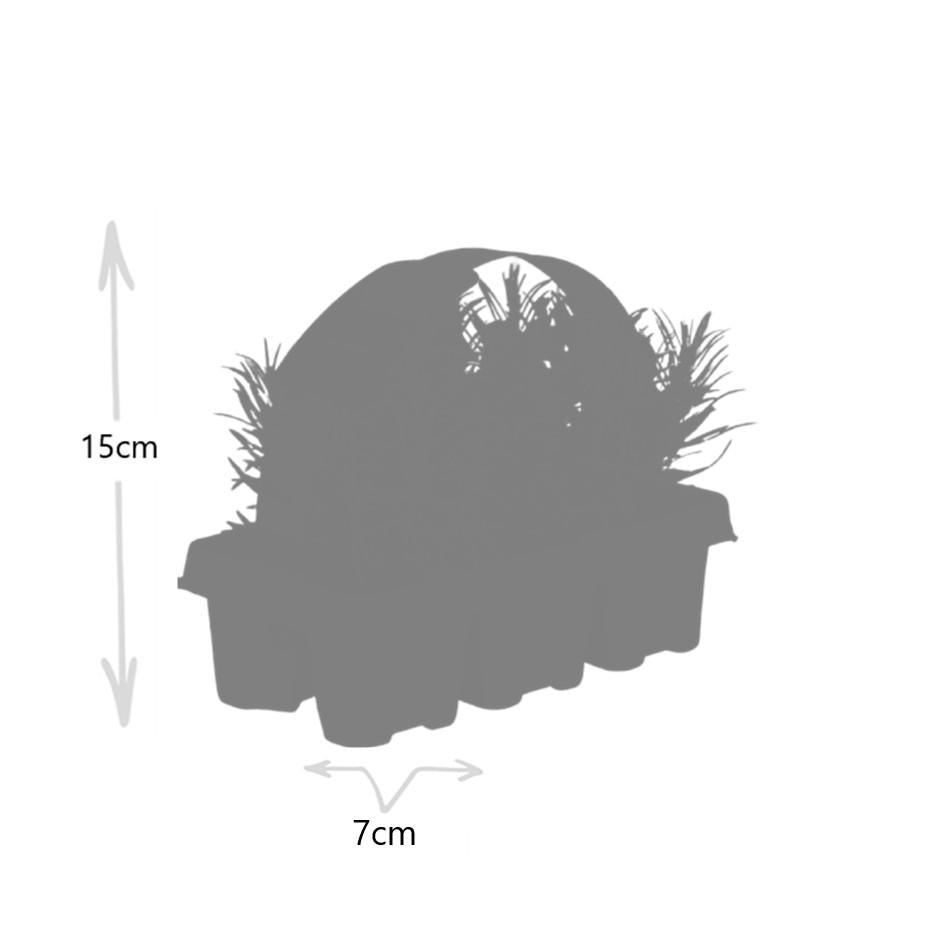
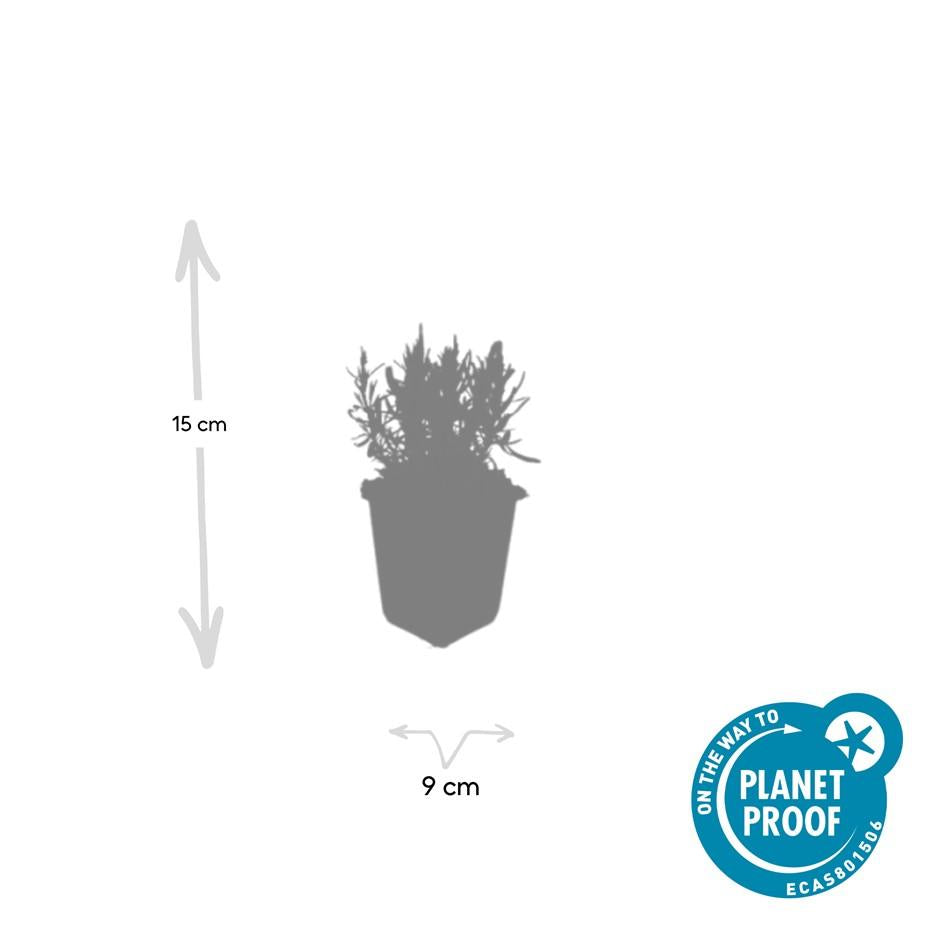
Most plants here are young plants in 9cm or 7cm pots, about 10–25cm tall, sold in packs of 6 to 72. That is the economical way to plant a long low hedge, but it is not instant privacy: young plants take a few growing seasons to knit together. Height for screening comes from clump-forming Fargesia bamboo, supplied larger, and from Photinia over time.
| Plant | Best use | Plants per metre |
|---|---|---|
| Euonymus 'Green Spire' (Euonymus japonicus) | Formal low hedge, box replacement | 6–7 (8–10 for edging) |
| Japanese holly 'Jenny' (Ilex crenata) | Small-leaved formal hedge | 7–8 |
| Box-leaf honeysuckle 'Maigrün' (Lonicera nitida) | Fast low hedge, frequent clipping | 3–4 |
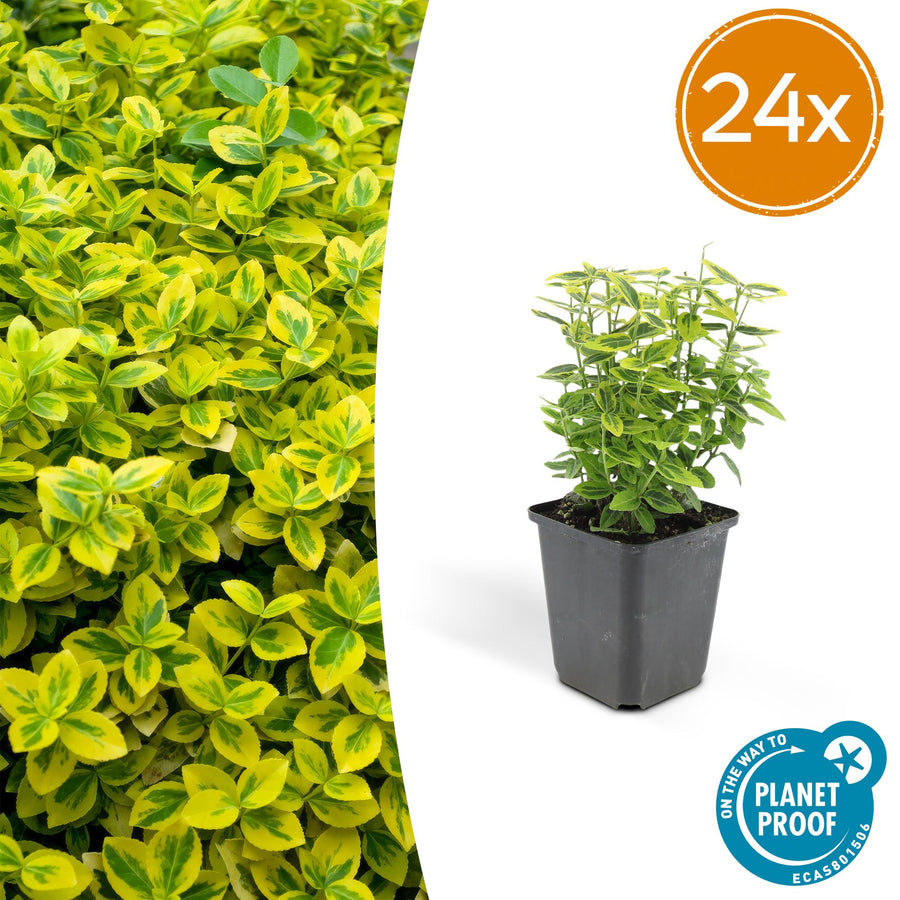
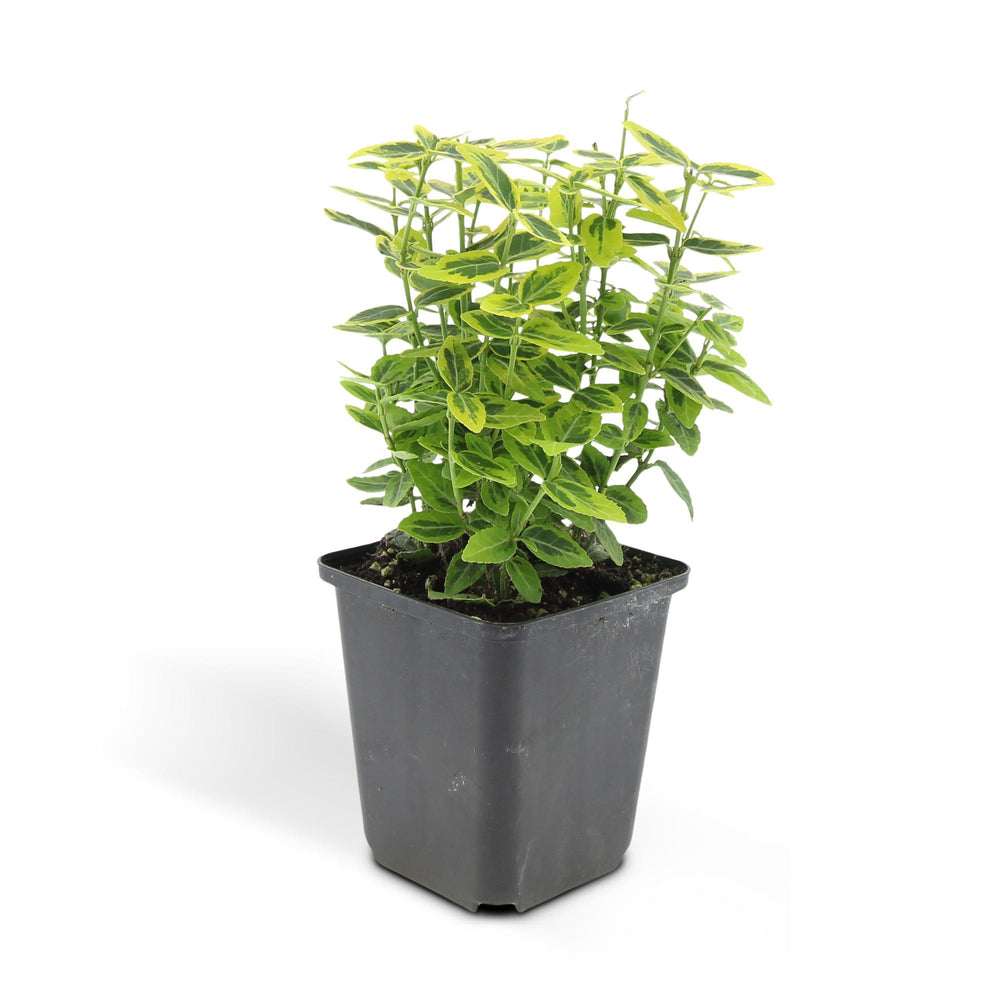
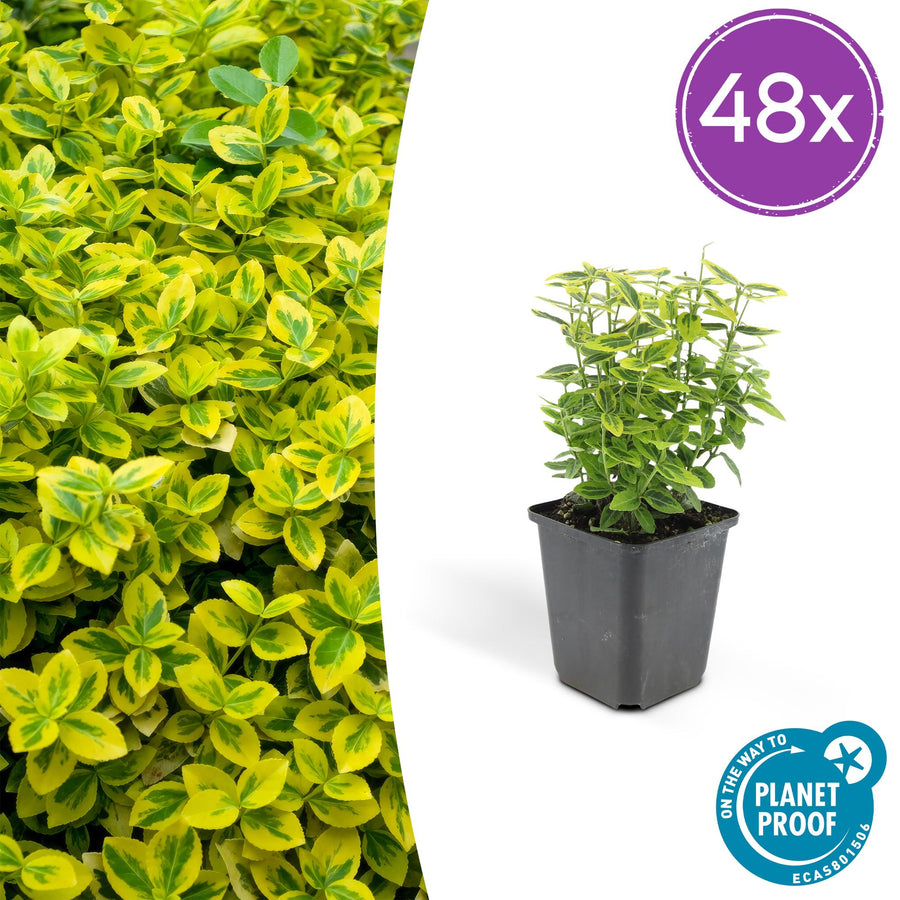
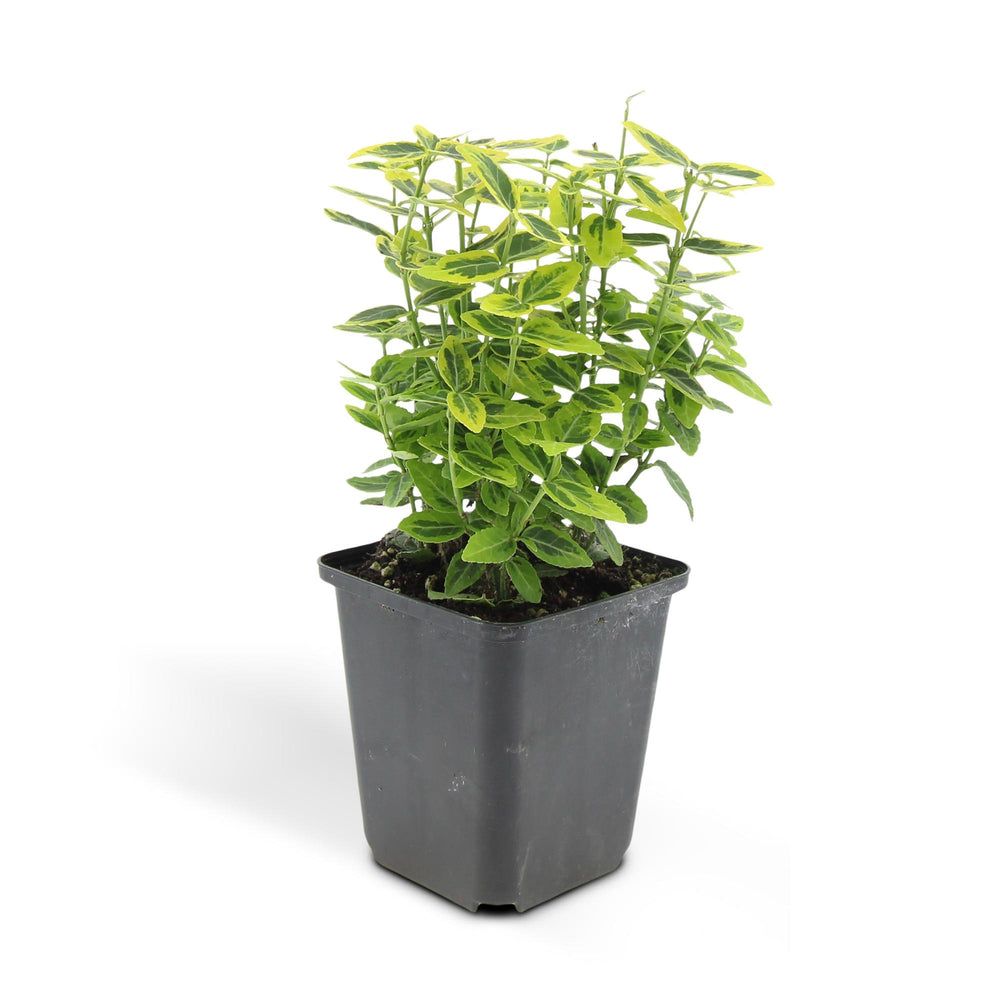
| Euonymus 'Emerald Gaiety' / 'Emerald 'n Gold' (Euonymus fortunei) | Variegated informal hedge and edging | 4–5 |
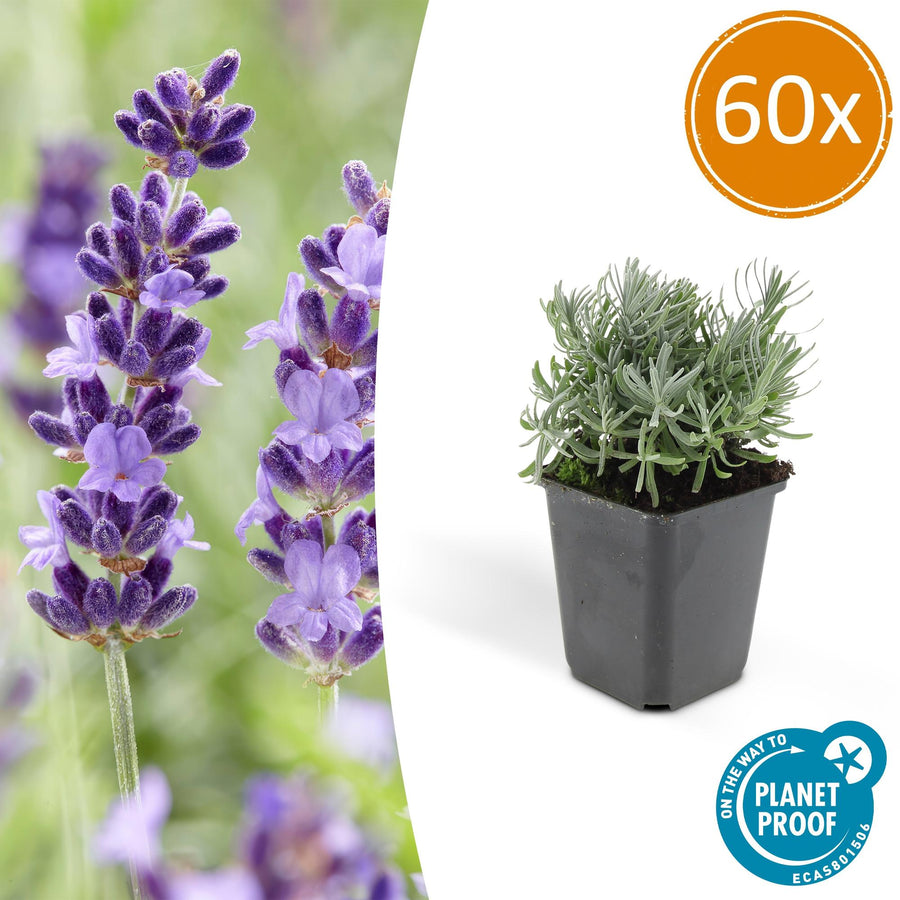
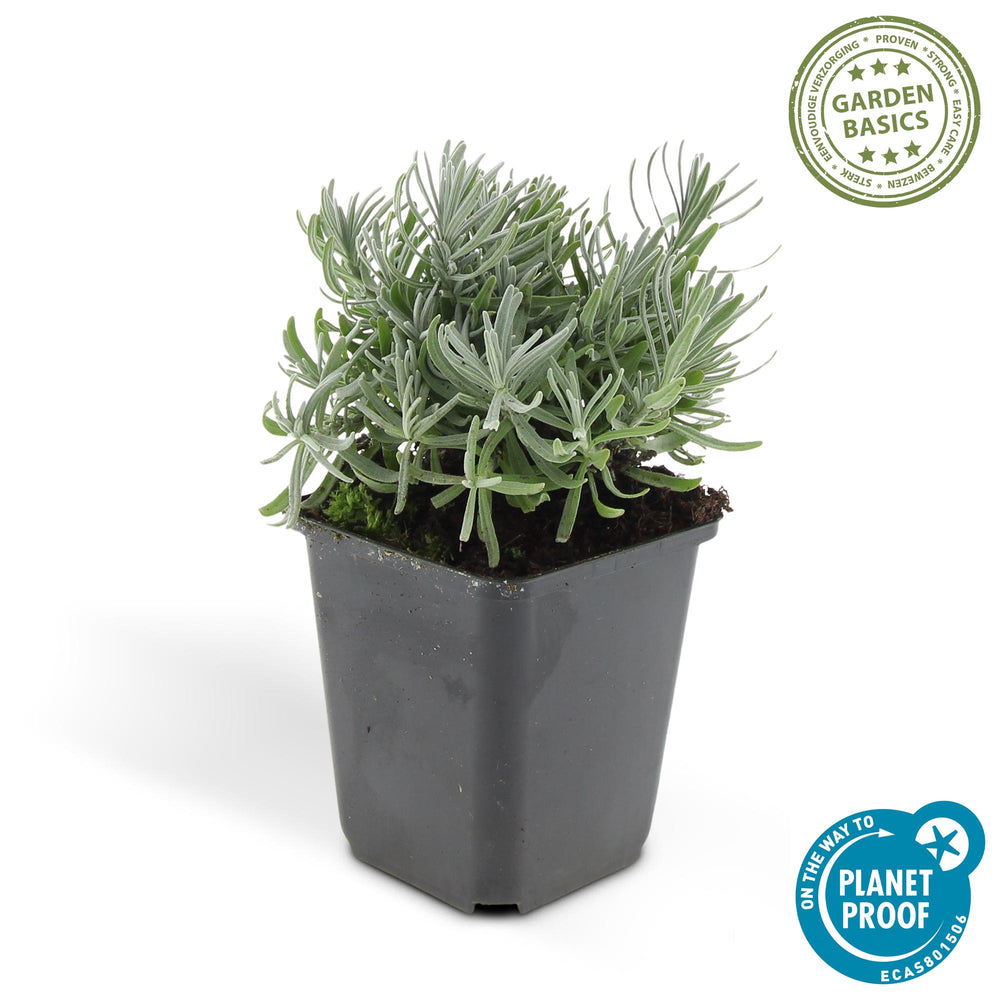
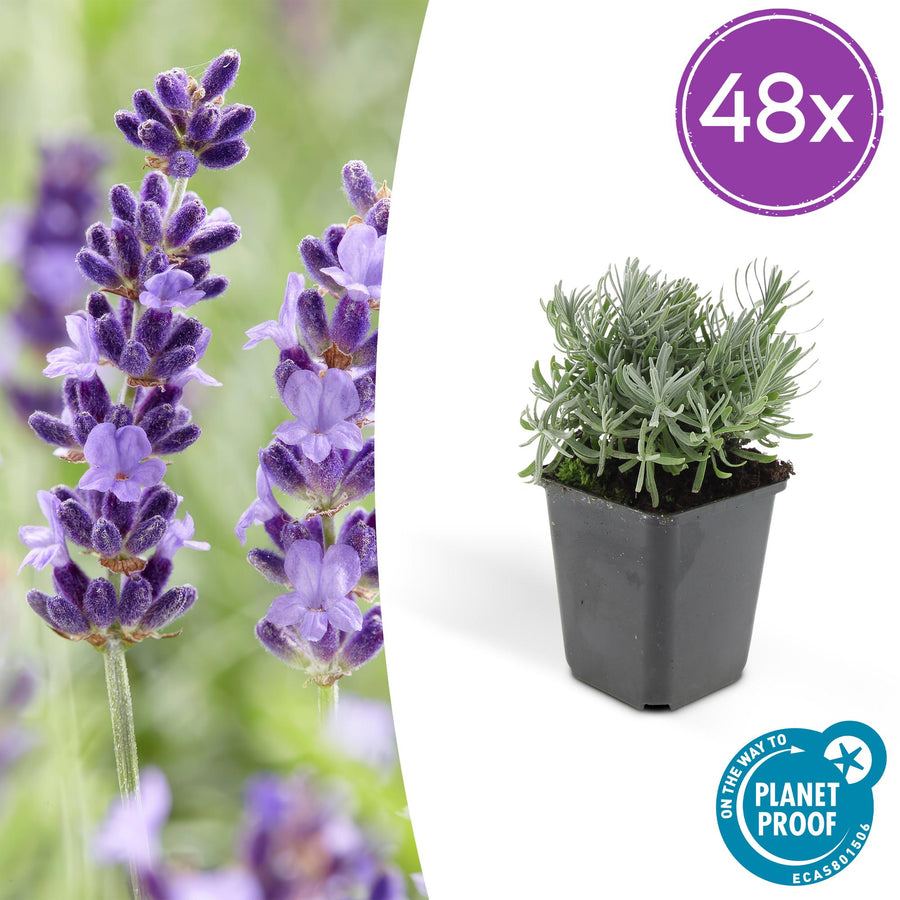
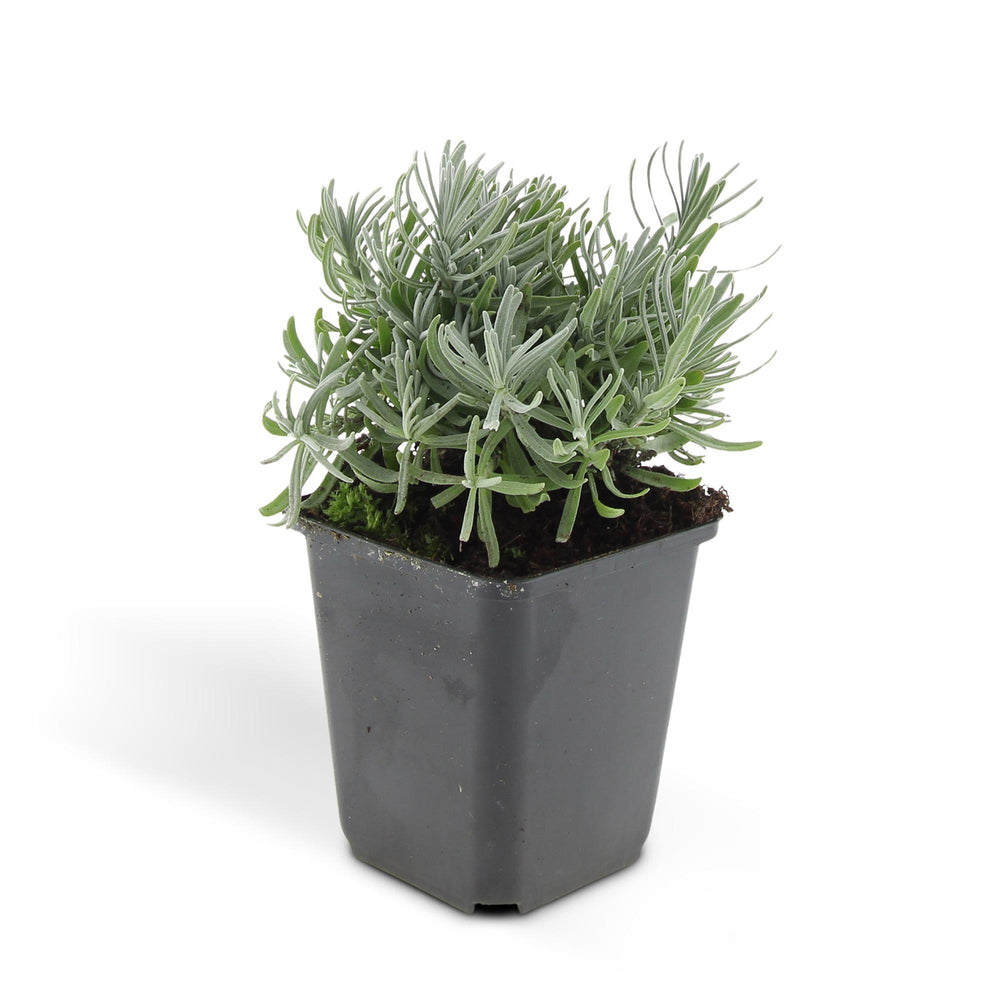
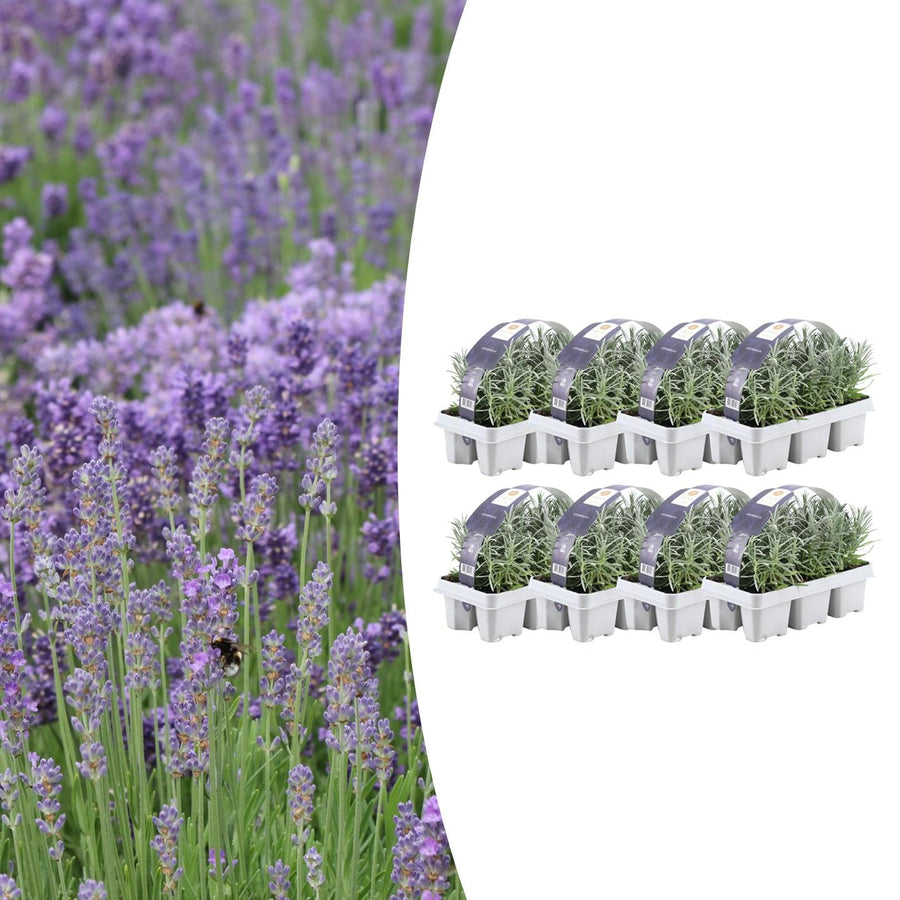
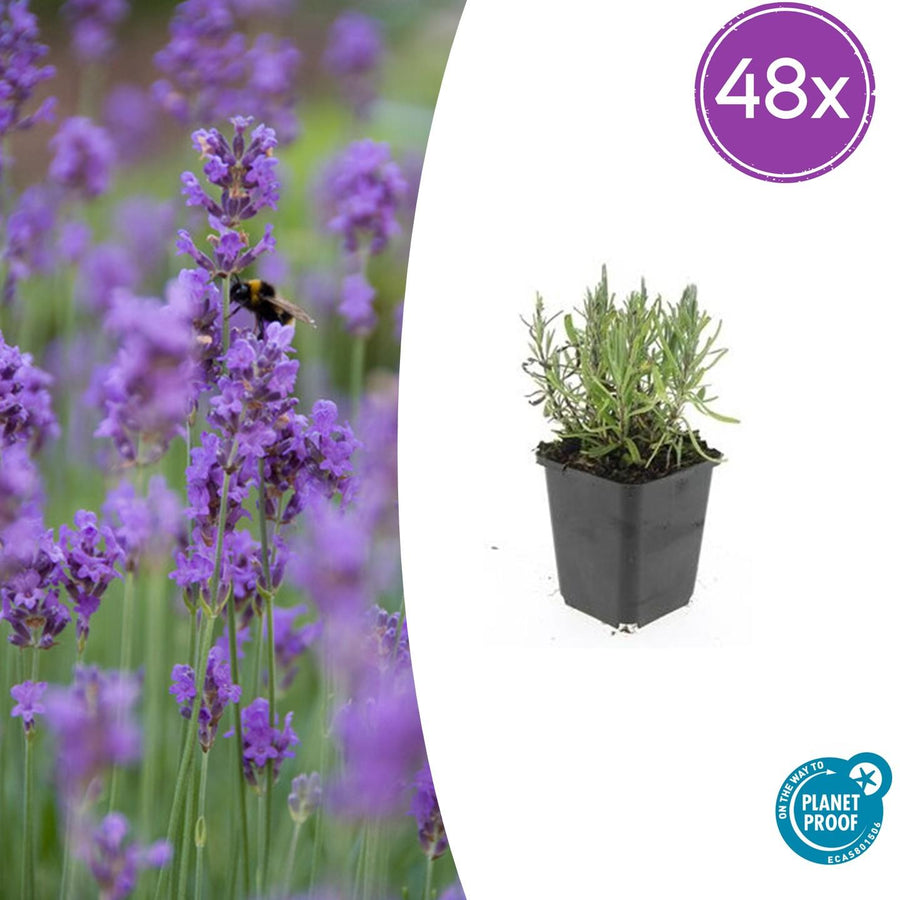
| Lavender 'Hidcote' / 'Munstead' (Lavandula angustifolia) | Scented, bee-friendly low hedge in full sun | About 3 |
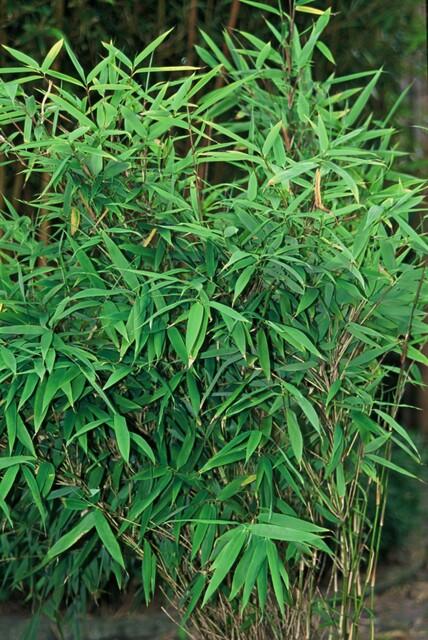
| Clumping bamboo (Fargesia rufa) | Non-invasive screen | About 2 |
How many hedge plants do I need?
At 6 plants per metre, a 24-pack plants about 4 m, a 48-pack about 8 m, a 60-pack about 10 m and a 72-pack about 12 m. 'Green Spire' grows roughly 15–30cm a year and typically closes into a solid low hedge in about two growing seasons at 6–7 per metre. Photinia 'Carre Rouge' adds red new growth, and lavender wants full sun and free-draining soil.
Planting a new hedge
Autumn and spring are the best times. Dig a trench rather than individual holes, and if you are replacing a box hedge, remove the old roots and leaf litter first, because blight spores persist in the soil. Water through the first summer and give light trims in year one to encourage bushy growth. See the step-by-step guide to planting a hedge.
Frequently asked questions
How fast does Euonymus Green Spire grow?
Roughly 15–30cm a year. Planted at 6–7 per metre, it usually forms a solid low hedge in about two growing seasons.
Is Japanese holly a good alternative to box?
Yes. Ilex crenata 'Jenny' has small, glossy leaves, clips to a formal shape and is not susceptible to box blight. Plant 7–8 per metre.
Which bamboo is best for a hedge in Ireland?
A clump-forming Fargesia, such as 'Rufa' or 'Black Dragon', which does not spread like running bamboo. Plant about 2 per metre for a screen.
Read more: Hedging in Ireland: the complete guide · Euonymus Green Spire spacing guide · low hedging compared · Bulk plants · Evergreen shrubs