



Ornamental grasses, sedges and grass-like lilyturf for borders, gravel, woodland edges and patio pots, chosen for Irish and northern European gardens. They bring movement, texture and winter shape with very little work. Free tracked delivery across Ireland and 24 more EU countries.


Which ornamental grass should I choose?
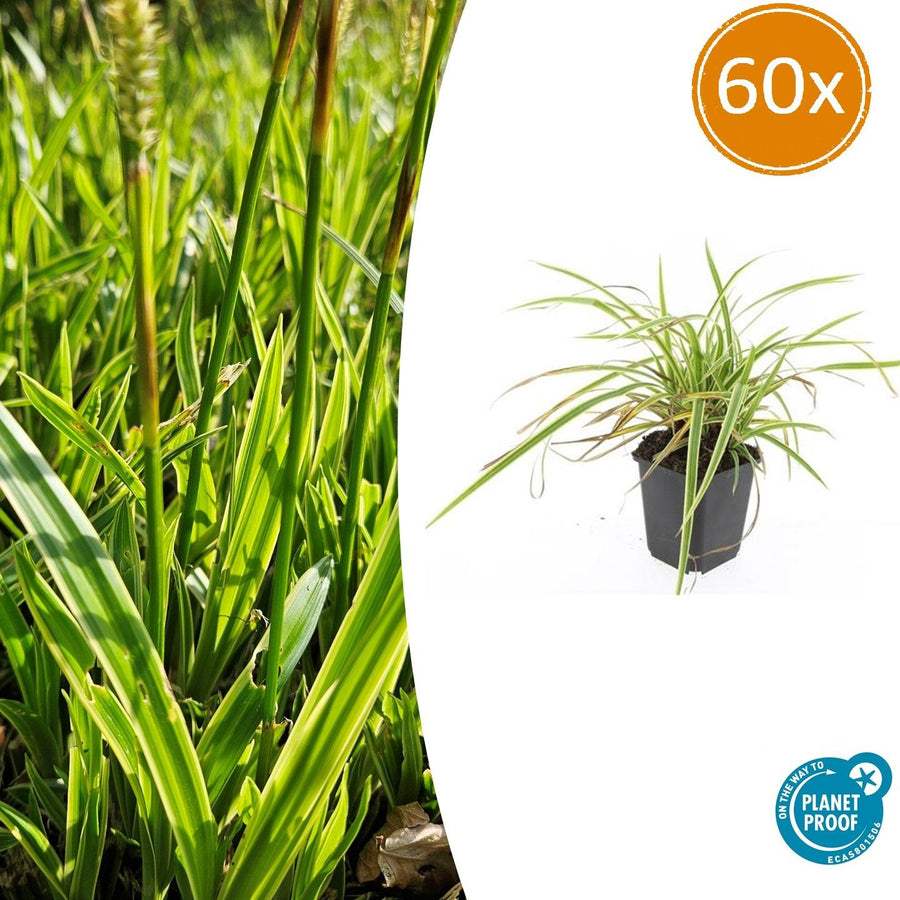
Match the grass to the spot. For sun and free-draining soil, pick upright or airy grasses such as feather reed grass and fountain grass. For shade and damp ground, choose evergreen sedges and wood-rushes, which stay green all winter and cope with the heavier soils common in Irish gardens. For pots, compact blue fescue and Japanese forest grass look good from spring to autumn.
| Plant | Best spot | Habit | Why grow it |
|---|---|---|---|
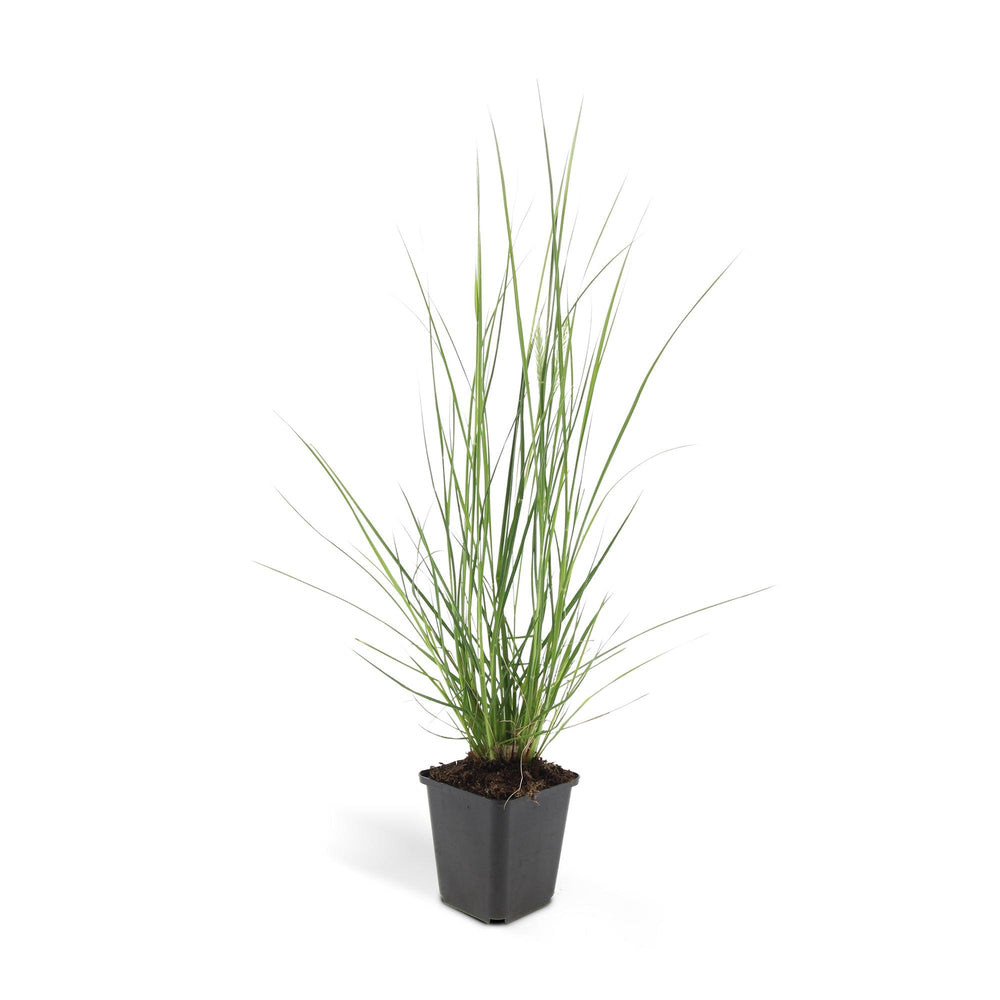
| Feather reed grass (Calamagrostis × acutiflora 'Karl Foerster') | Sun, most soils including clay | Upright, deciduous | Tall vertical accent, seed heads last into winter |
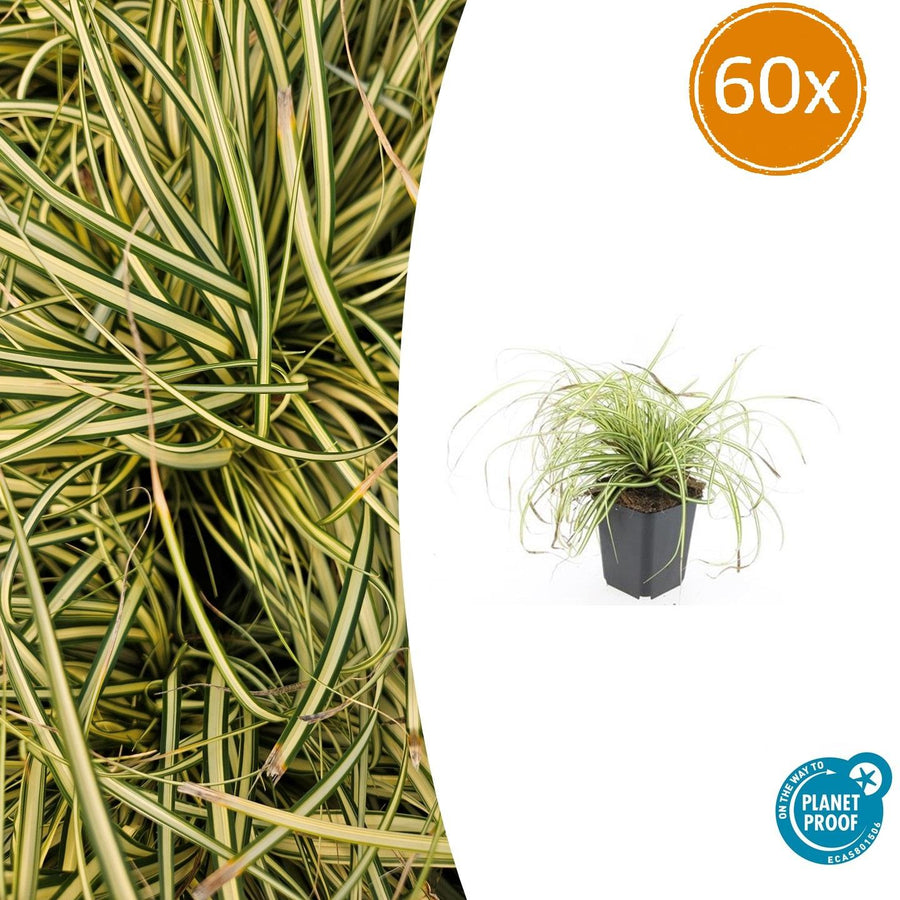
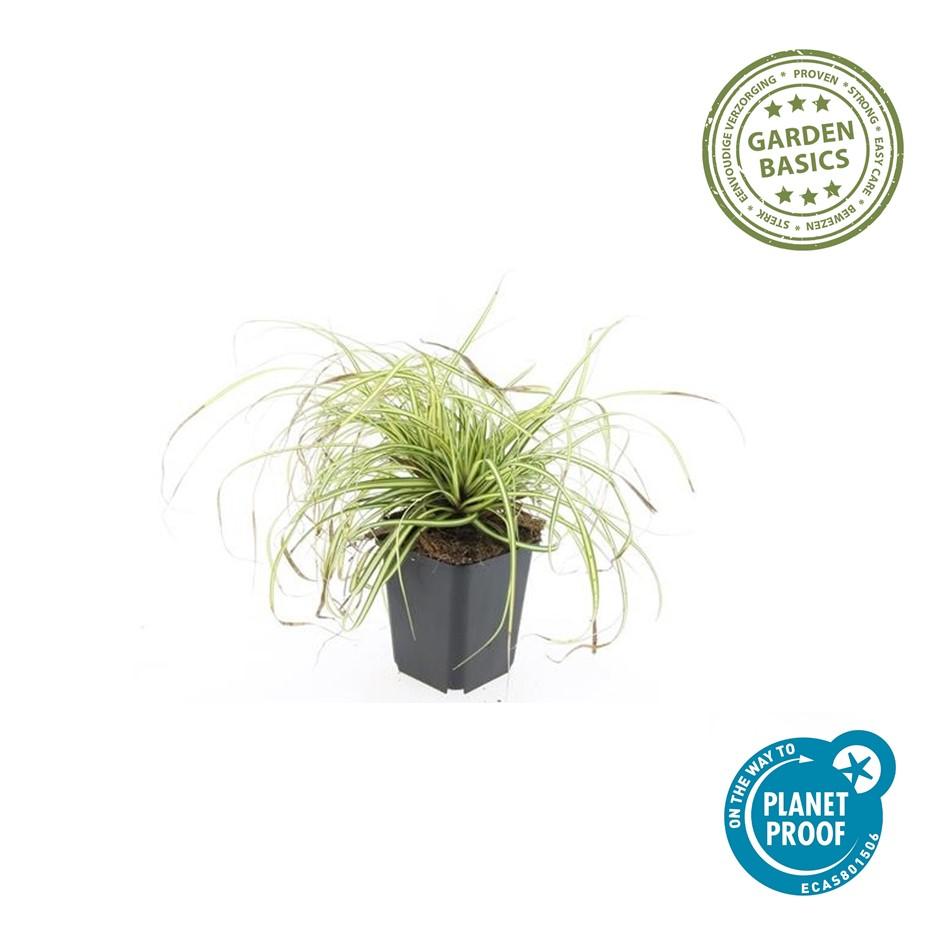
| Japanese sedge (Carex morrowii 'Ice Dance') | Part to full shade | Low clump, evergreen | Cream-edged leaves brighten dull corners all year |
| Japanese forest grass (Hakonechloa macra) | Part shade, moist soil | Soft cascading mound | Graceful in pots and along path edges |
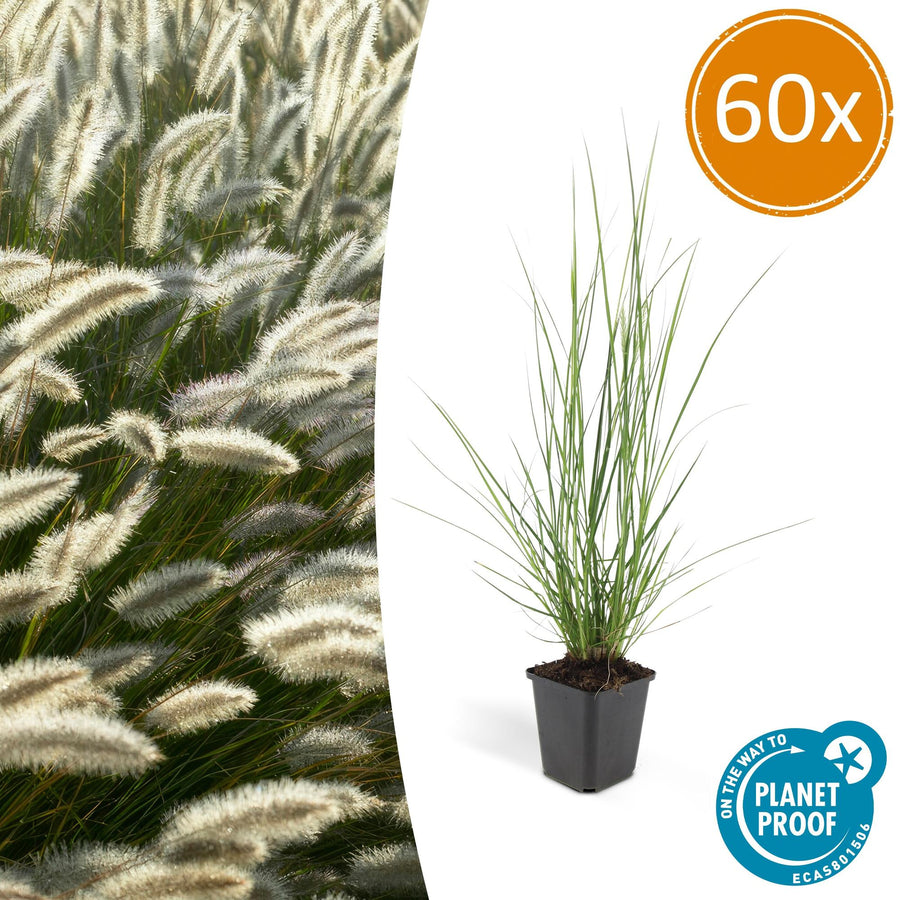
| Fountain grass (Pennisetum alopecuroides 'Hameln') | Full sun, well-drained | Arching clump | Fluffy bottlebrush flowers in late summer |
| Mexican feather grass (Stipa tenuissima 'Ponytails') | Sun, gravel or light soil | Fine, airy tufts | Sways in the lightest breeze; lovely with lavender |
| Blue fescue (Festuca glauca 'Elijah Blue') | Full sun, sharp drainage | Small blue tuft, evergreen | Silver-blue colour for rockeries and pots |
| Snowy wood-rush (Luzula nivea) | Dry or damp shade | Loose clump, evergreen | White flower heads under trees |
Planting grasses in Irish soil
Plant pot-grown grasses in autumn (September to November) or spring (March to May). Deciduous types such as Hakonechloa and Pennisetum establish best from spring planting. On heavy wet clay, dig in grit or plant on a slight mound so the crown never sits in water over winter. Leave deciduous grasses standing over winter for shape and insect shelter, then cut back to a few centimetres in early spring before new shoots appear. Evergreen sedges just need tired leaves combed out.
Using grasses in packs
Many grasses here come in packs of six or twelve, which is enough to repeat a single variety along a border edge or fill a gravel bed in drifts. Evergreen lilyturf (Liriope muscari) is not a true grass, but its strappy leaves and purple or white autumn flower spikes make it a useful edging plant for dry shade.
Frequently asked questions
Which ornamental grasses stay green in winter?
Sedges such as Carex morrowii and Carex oshimensis 'Evergold', wood-rushes (Luzula), blue fescue and lilyturf keep their leaves all year. Use the Evergreen filter above to see them.
What ornamental grass grows well in shade?
Choose Carex, Luzula and Hakonechloa macra. Great wood-rush (Luzula sylvatica) grows wild in Irish woodland and copes with dry shade under trees.
Can ornamental grasses grow in pots?
Yes. Compact grasses such as Festuca glauca, Hakonechloa and Carex 'Evergold' do well in containers. Use a loam-based compost with added grit and water regularly in dry spells.
Pair grasses with garden perennials, plant up a shade garden, or cover a large area with bulk plants.
Shortlists: Best Ornamental Grasses for Small Gardens