



Periwinkle, sedges, thyme, Japanese spindle and border perennials: plants that the RHS Plant Finder lists as suitable for exposed positions. Browse the range below, with free tracked delivery to Ireland and 24 more EU countries.






Which plants are listed for exposed gardens?
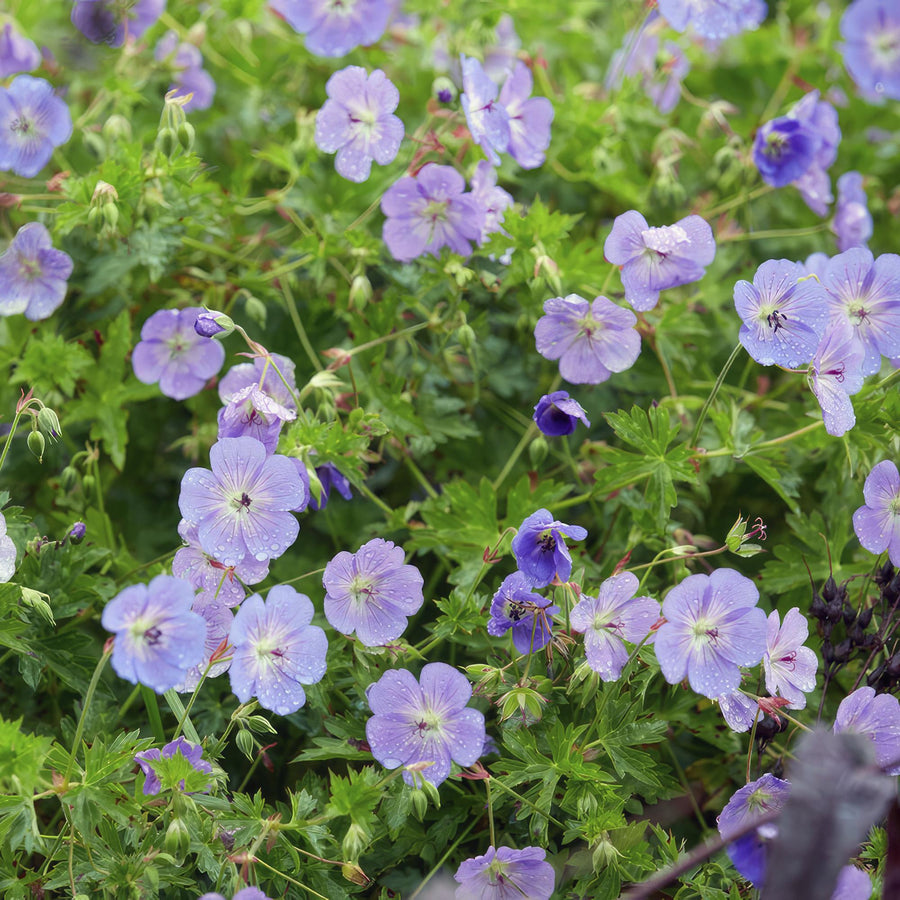
The RHS Plant Finder lists the plants in this collection as suitable for exposed positions, from periwinkle and sedges to thyme, Japanese spindle and border perennials. A listing is not a promise that a plant will thrive in a gale, so shelter and good planting still matter.
| Plant | RHS hardiness | Soil and pH | Good to know |
|---|---|---|---|
| Periwinkle (Vinca minor) | H6 (to about -15 °C) | Clay, sandy, loam or chalky; acid to alkaline; dry to moist | Listed for exposed and sheltered positions |
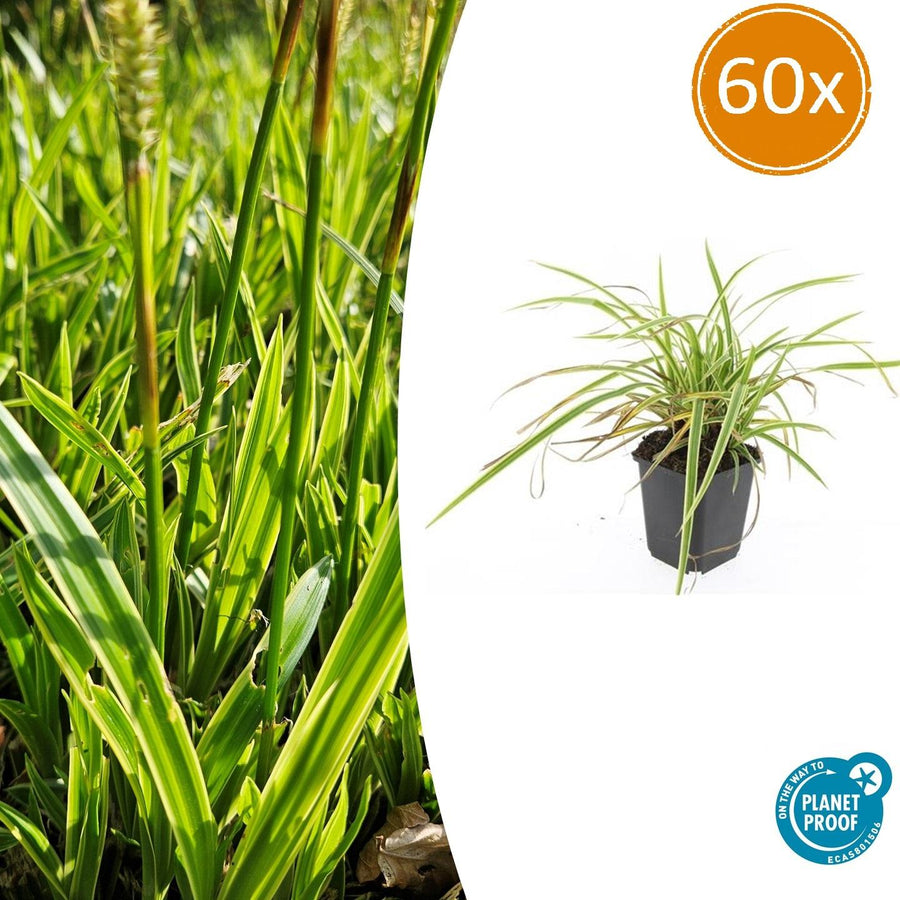
| Sedge (Carex morrowii) | H7 (to about -20 °C) | Clay, sandy, loam or chalky; acid to alkaline; moist | Listed for exposed and sheltered positions |
| Thyme (Thymus) | H5 (to about -10 °C) | Sandy or loam; neutral to alkaline; dry to moist | Three thymes in the range, all listed as suitable for exposed positions |
| Japanese spindle (Euonymus japonicus) | H5 (to about -10 °C) | Clay, sandy, loam or chalky; acid to alkaline; dry to moist | Also listed for coastal sites, with high salt tolerance on PFAF |
| Japanese holly (Ilex crenata) | H6 (to about -15 °C) | Sandy or loam; acid to neutral; moist | Listed for moist, acid to neutral soil |
| Rose of Sharon (Hypericum calycinum) | H5 (to about -10 °C) | Clay, sandy, loam or chalky; acid to alkaline; dry to moist | Wide soil range |
| Globe thistle (Echinops ritro) | H7 (to about -20 °C) | Sandy or loam; acid to alkaline; dry to moist | Listed for exposed positions only |
| Lavender (Lavandula angustifolia) | H5 (to about -10 °C) | Sandy or loam; neutral to alkaline | Also listed for coastal sites |
Hardiness ratings and soil ranges come from the RHS Plant Finder and PFAF, and each product page lists its sources.
How wind harms plants
Wind strips moisture from leaves and stems, so plants in exposed gardens lose water faster than the same plants in shelter. Young plants with shallow roots can also suffer windrock, where the plant is rocked and its roots are loosened. The RHS suggests tying the stem to a sturdy support, firming the plant back in and providing more shelter if this happens.
Give young plants shelter
The RHS advises a windbreak that filters the wind rather than blocks it: aim for a barrier that lets through about half of the wind, such as a hedge or a porous fence. A solid wall or fence causes damaging eddies on both sides. A windbreak reduces wind significantly on its leeward side for a distance of about ten times its height. Netting gives temporary protection while a hedge establishes. See our guide to choosing and planting a hedge in Ireland.
Planting, staking and aftercare
- Timing: in Ireland, plant in autumn (October to November) or in spring (February to April). The RHS recommends small, young plants for windbreaks.
- Spacing: the RHS suggests planting shrubs for a windbreak 30 to 90 cm apart within the row, so they knit together and shelter one another.
- Staking: taller or top-heavy young plants may need a stake until the roots are anchored. Tie them firmly but not too tightly, and check ties before winter gales, as the RHS advises.
- Mulch and water: keep new plantings mulched and water them in dry spells during the first season.
What this list does and does not mean
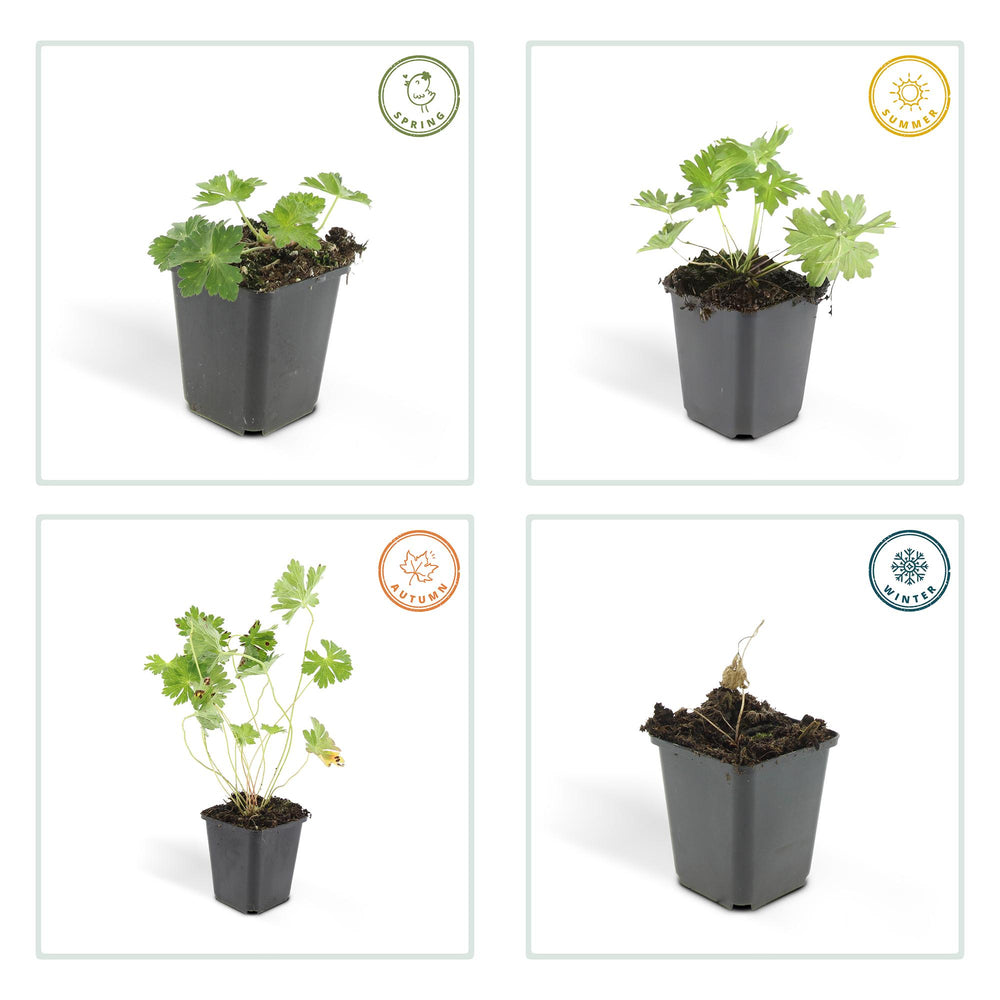
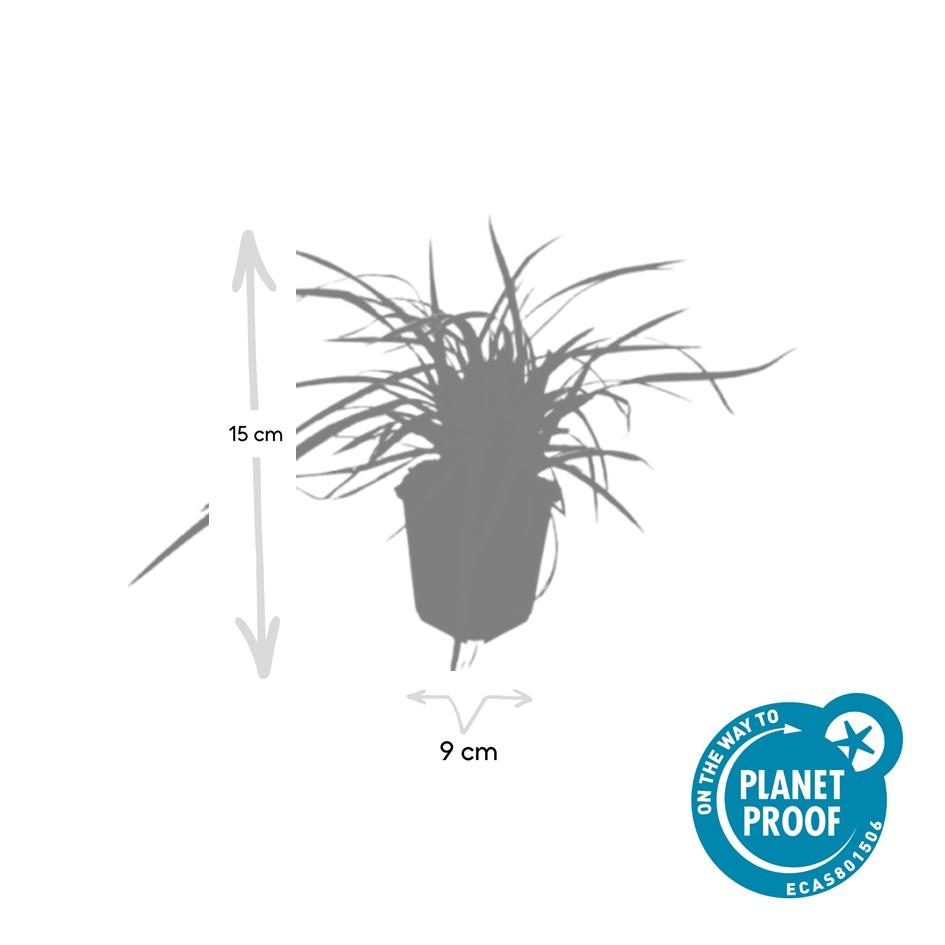
These plants are listed as suitable for exposed positions, which means they tolerate wind, not that they thrive on it. Our plants are young plants in 7 to 9 cm pots, which are the most vulnerable to wind, so plan some shelter. Data comes from the RHS Plant Finder and PFAF, checked October 2026. For coastal gardens, see our coastal garden plants.
Frequently asked questions
Do plants for exposed sites need shelter?
Young plants usually do. The RHS notes that a windbreak widens the range of plants you can grow.
What is the best windbreak for a windy garden?
One that filters the wind rather than blocking it. The RHS recommends a barrier that lets about half of the wind through, such as a hedge or a porous fence.
Do I need to stake young plants?
Tall or top-heavy plants may. A stake and a firm tie hold the roots still while they anchor.
Can I use these plants near the sea?
Japanese spindle and lavender are also listed for coastal sites in our data, so see our coastal garden plants.
What else should I read before planting an exposed site?
Wind dries plants and soil, so see our collections of drought-tolerant plants and plants for sandy soil, as well as our coastal garden plants.