



Periwinkle, Japanese spindle, cranesbill, pachysandra and sedge: plants that the RHS Plant Finder and PFAF list as tolerating clay soil. Heavy ground is hard work, so this page sticks to plants with published soil data behind them, with free tracked delivery to Ireland and 24 more EU countries.




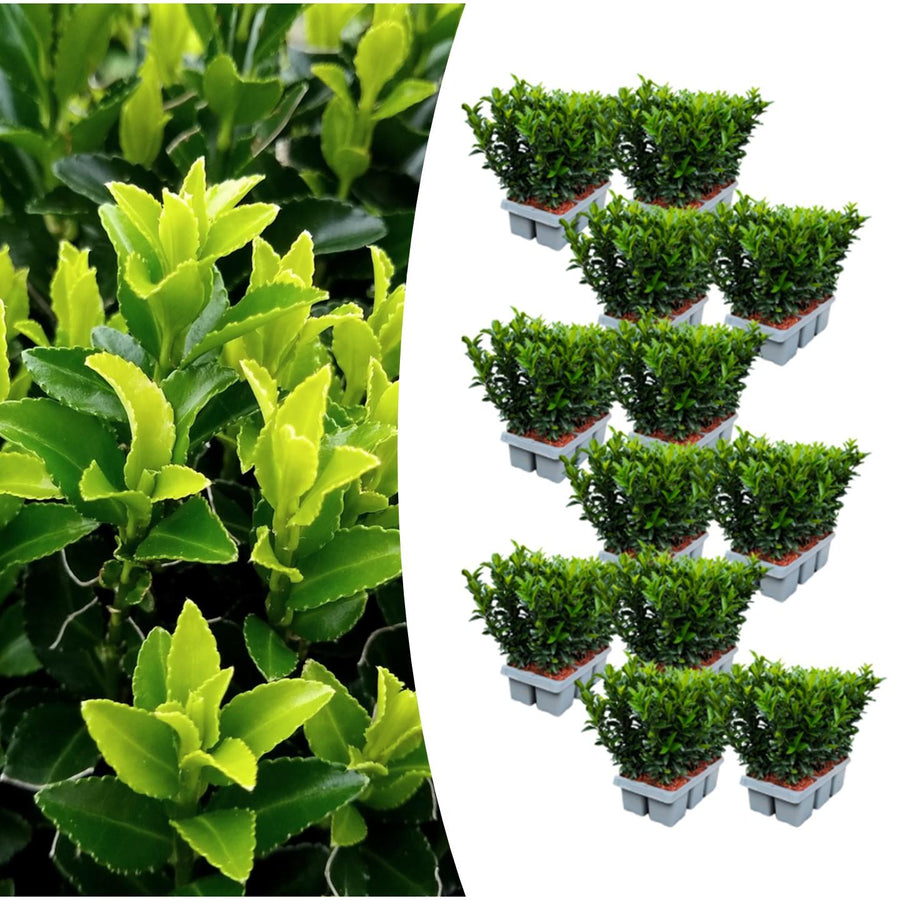


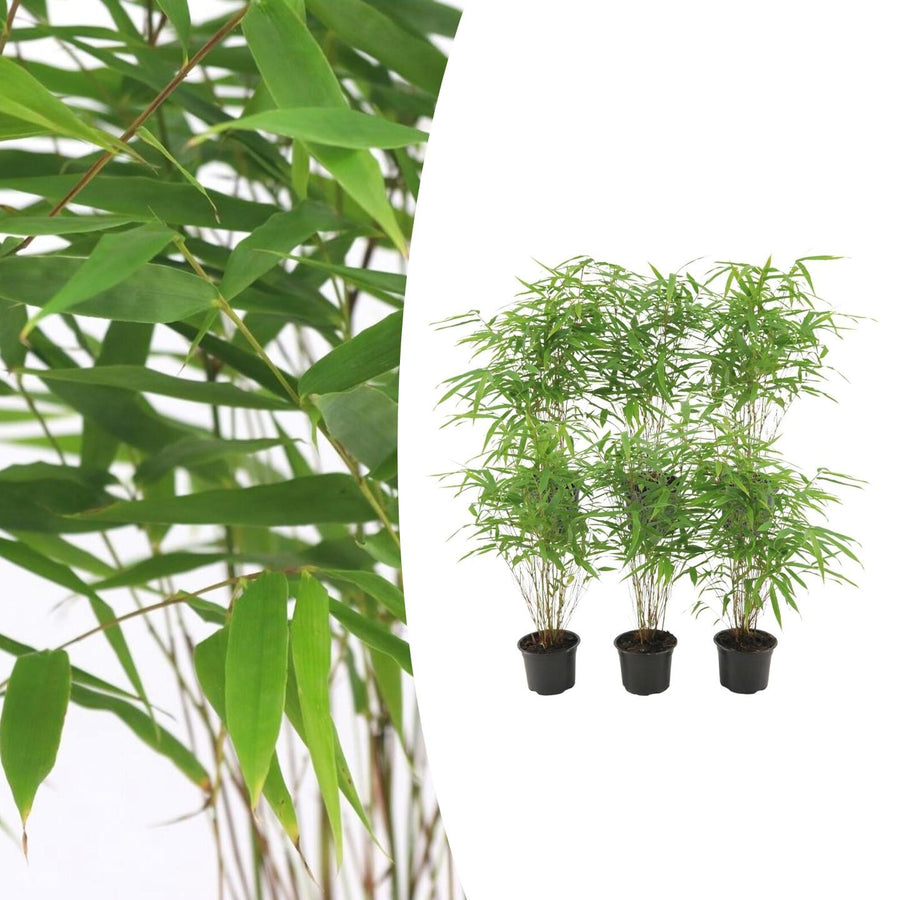
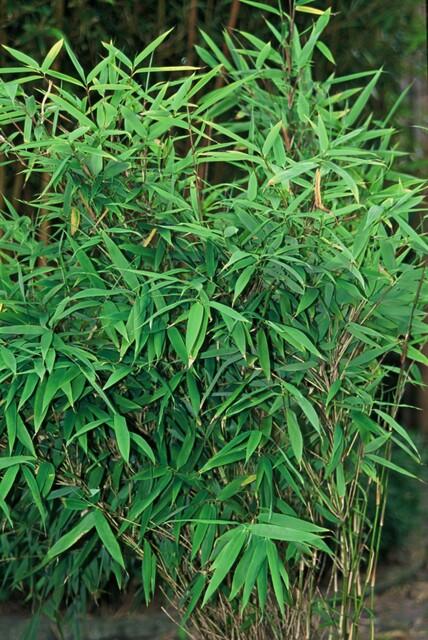


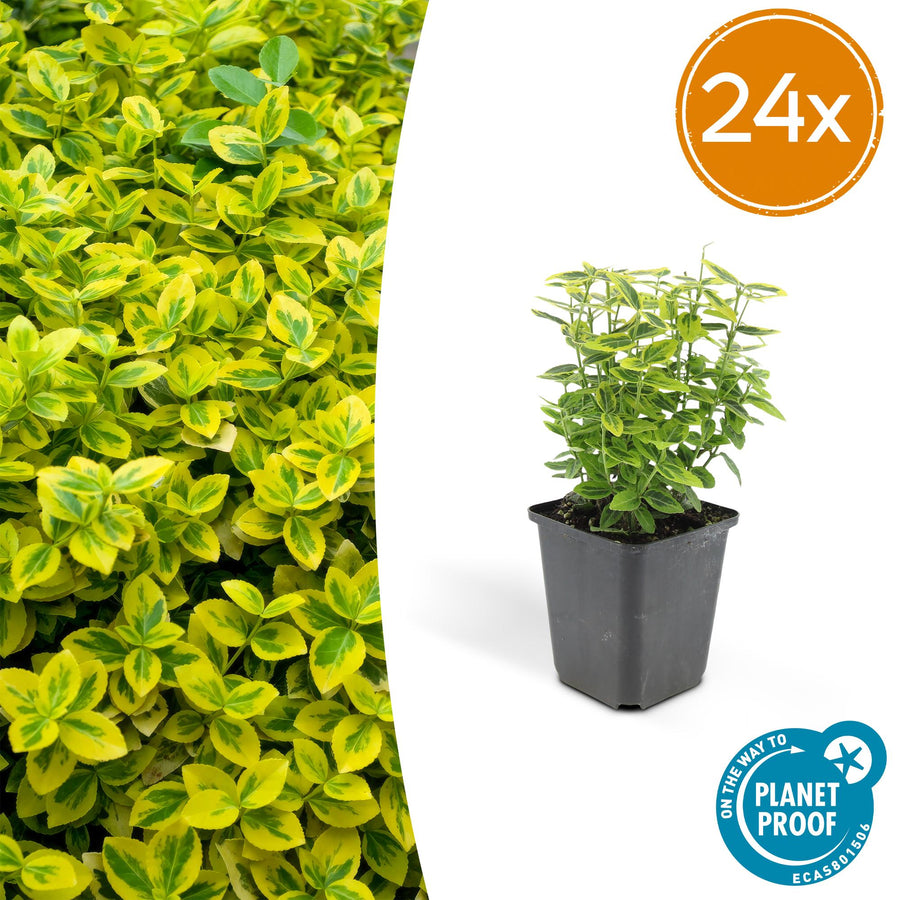
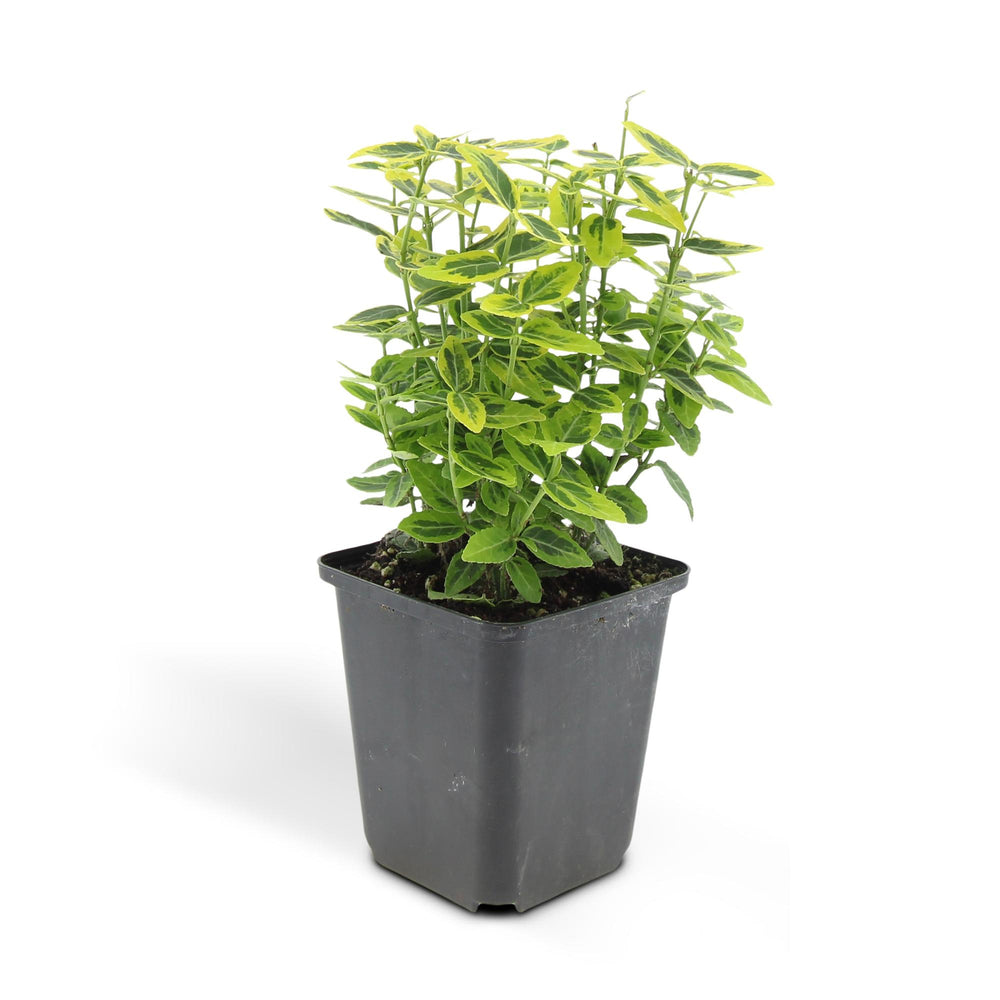




Which plants tolerate clay soil?
Plants listed by the RHS Plant Finder and PFAF as tolerating clay include periwinkle (Vinca), euonymus, cranesbill (Geranium), pachysandra, sedge (Carex), bugle (Ajuga), hellebore and bistort (Persicaria). The RHS rates them H4 to H7.
| Plant | RHS hardiness | Soil / pH and moisture | Good to know |
|---|---|---|---|
| Periwinkle (Vinca minor, V. major) | H6 (to about -15 °C) | Clay, sandy or loam; acid to alkaline; dry to moist | Evergreen ground cover; sources list exposed or sheltered sites |
| Euonymus (E. fortunei, E. japonicus) | H5 (to about -10 °C) | Clay, sandy or loam; acid to alkaline; dry to moist | E. japonicus is also listed as coastal-tolerant |
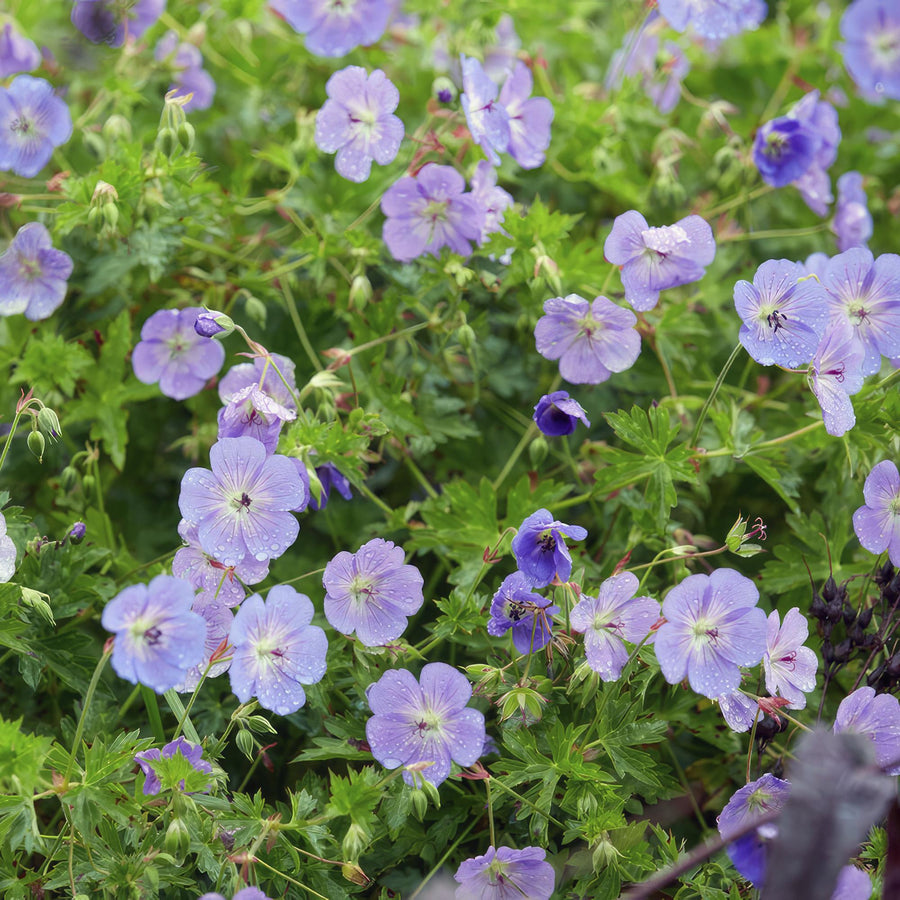
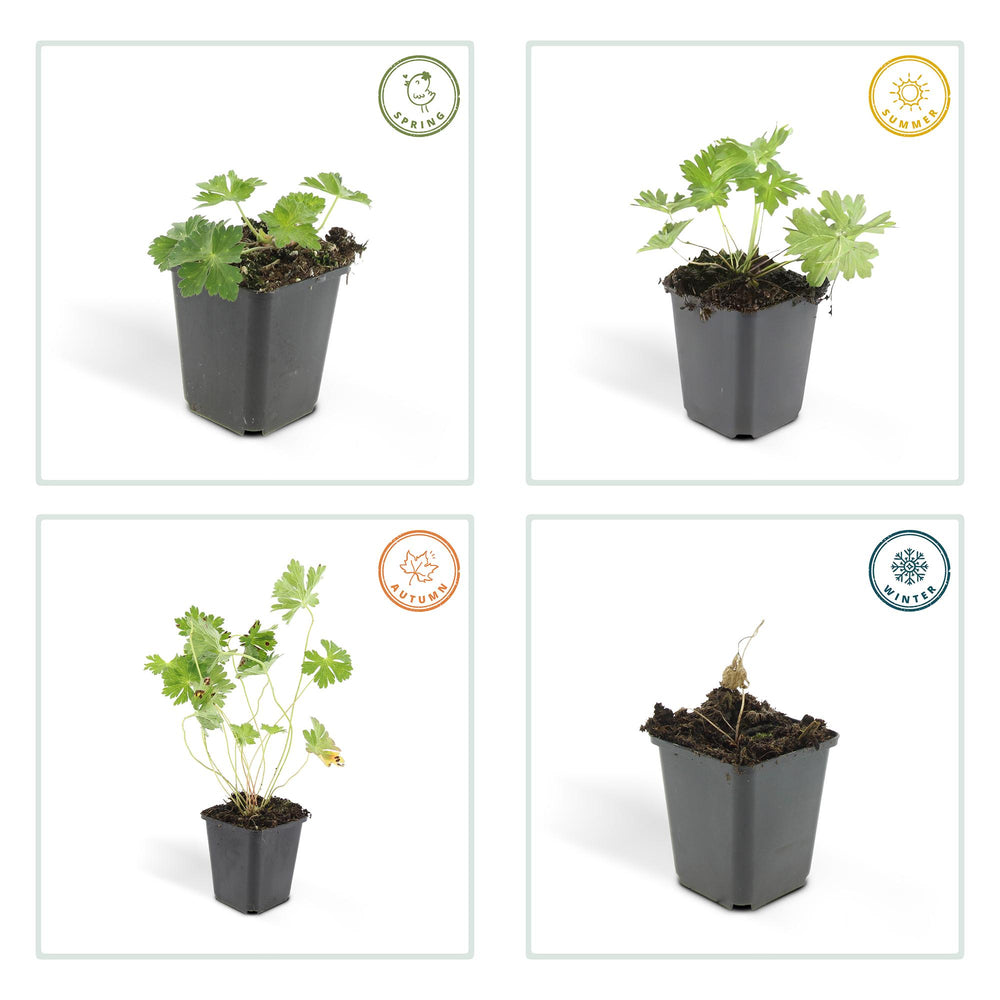
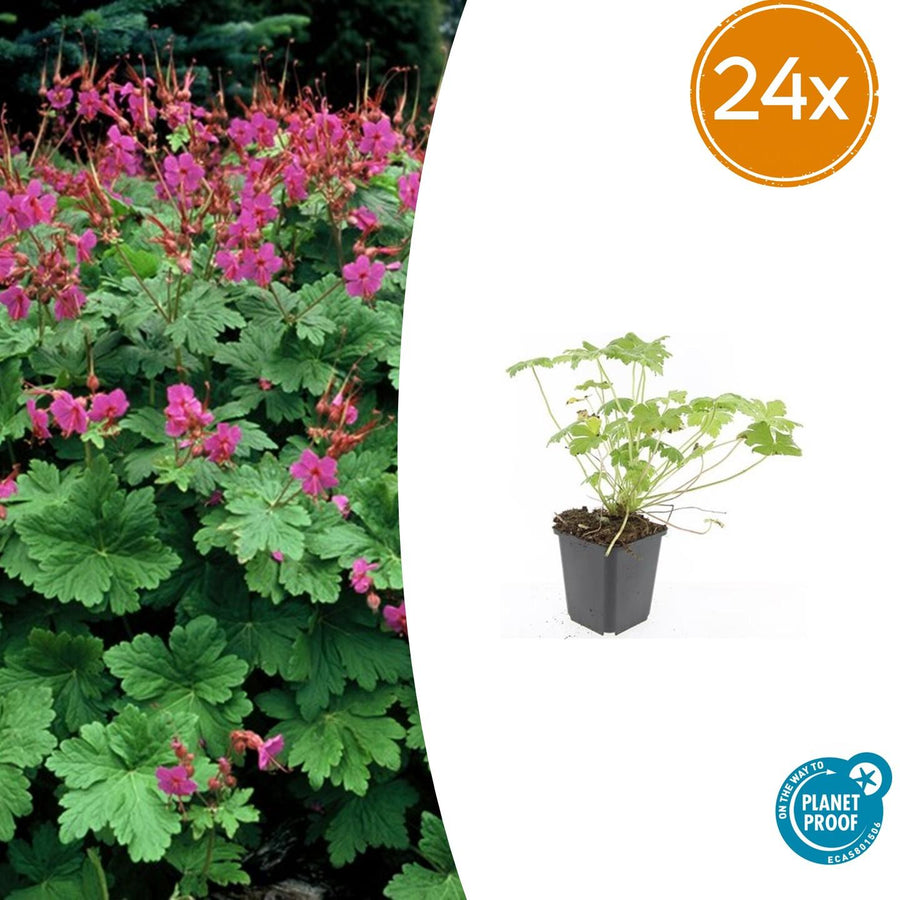
| Cranesbill (Geranium) | H7 (to about -20 °C) | Clay, sandy or loam; G. macrorrhizum is neutral to alkaline, 'Rozanne' acid to alkaline | 'Rozanne' is listed for exposed or sheltered sites |
| Pachysandra (P. terminalis) | H5 (to about -10 °C) | Clay, sandy or loam; acid to alkaline; moist | Listed for sheltered sites |
| Sedge (Carex morrowii) | H7 (to about -20 °C) | Clay, sandy or loam; acid to alkaline; moist | Listed for exposed or sheltered sites |
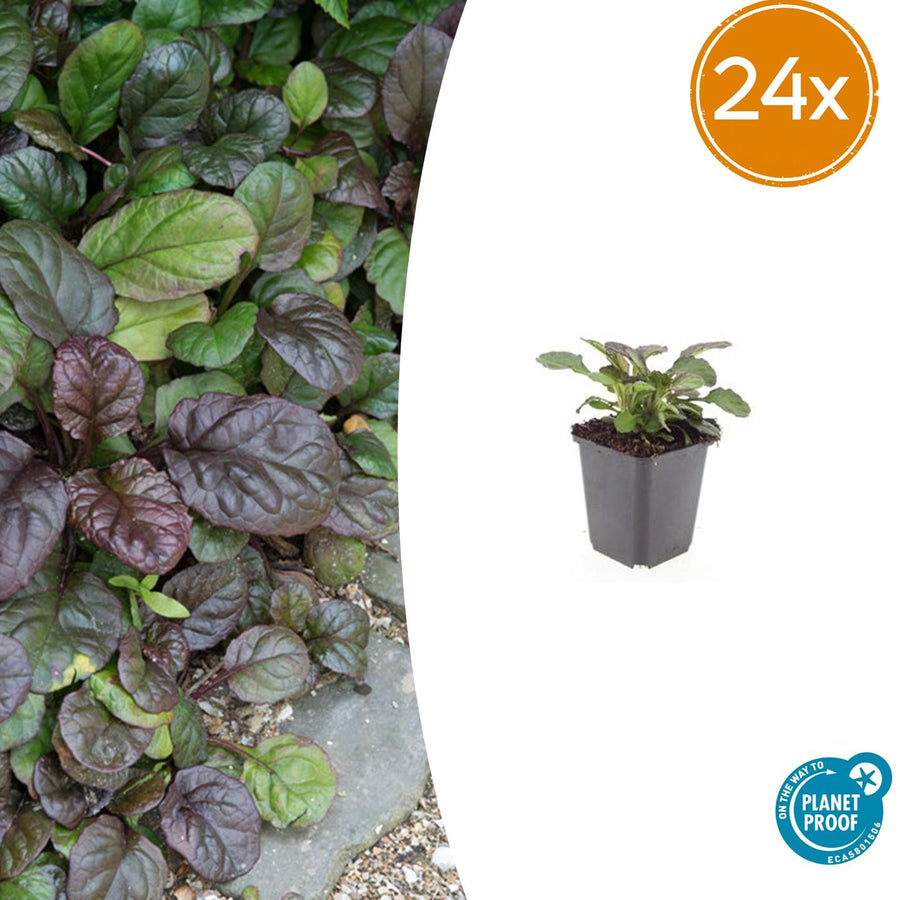
| Bugle (Ajuga reptans) | H7 (to about -20 °C) | Clay or loam; acid to alkaline; moist | Sources list clay and loam only, not sand |
| Hellebore (Helleborus) | H4 to H7 (about -5 to -20 °C) | Clay or loam; neutral to alkaline; moist | Sources list neutral to alkaline soil only; listed for sheltered sites |
| Bistort (Persicaria bistorta 'Superba') | H7 (to about -20 °C) | Sandy, loam or clay; acid to alkaline; moist to wet | Sources list moist to wet ground |
Minimum temperatures are the warm end of each RHS band, so they err on the cautious side.
What makes clay soil hard to garden
The RHS describes clay soil as heavy, high in nutrients, wet and cold in winter and baked dry in summer. It drains slowly, warms up later in spring than sandy soil, and is easily compacted if you tread on it when wet. Handled well, it is potentially very fertile.
Improving clay before and after planting
The RHS advises adding organic matter to break clay up into crumbs. That makes the water and nutrients in the clay easier for roots to reach, and leaves the soil warmer, easier to work and less prone to compaction. A mulch of at least 5 cm, applied from late autumn to late winter, is the RHS's suggested way to keep adding organic matter over time. Keep off the bed when it is wet.
Planting and timing
- When: in Ireland, plant in autumn (October to November) or in spring (February to April). Clay is slowest to warm in spring, so autumn planting gives roots time to settle.
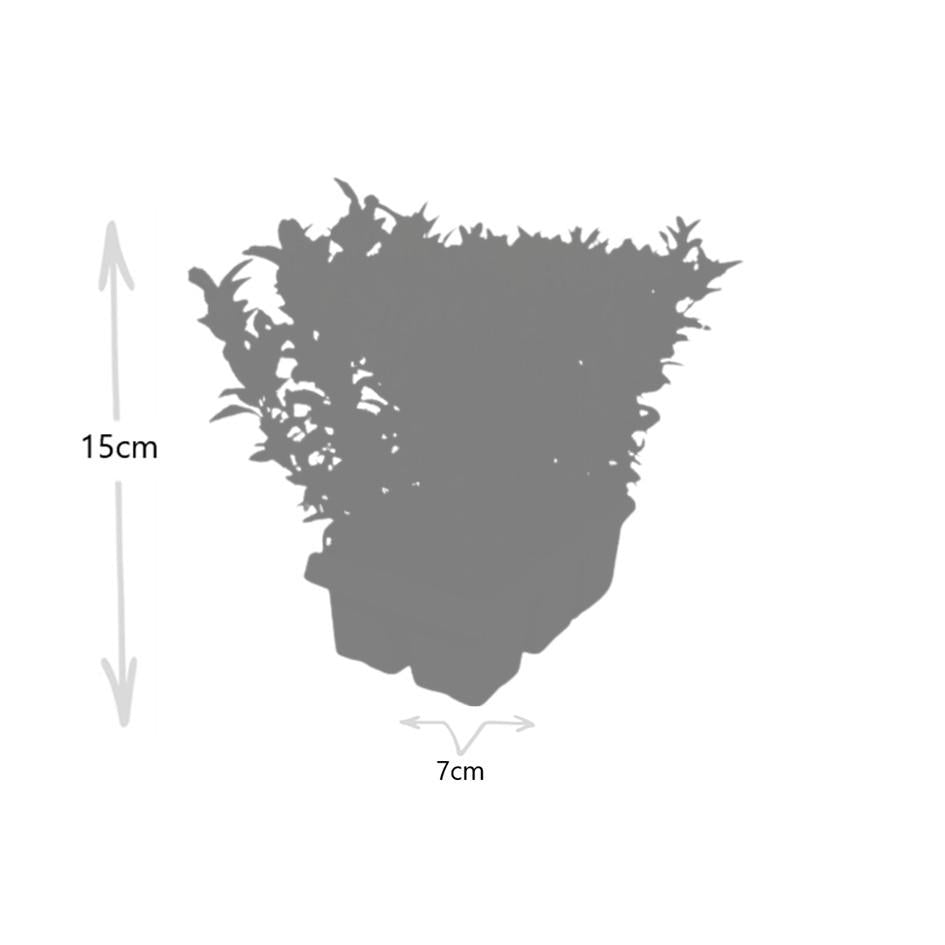
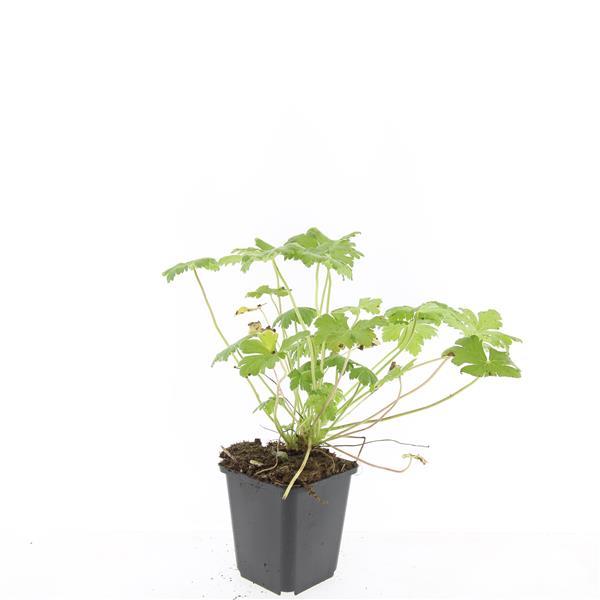
- Size: our plants are young plants in 7 to 9 cm pots, so allow a few seasons to fill out.
- Aftercare: water young plants until they are established, because clay can bake dry in summer even though it is wet in winter.
What this list does and does not mean
A plant that tolerates clay is not the same as one that thrives in it. The sources show a plant can grow in clay, not that clay is its ideal. The pH matters as much as texture: hellebores and Geranium macrorrhizum are listed for neutral to alkaline soil, so check yours before you buy. Data is from the RHS Plant Finder and PFAF, checked October 2026.
Frequently asked questions
What plants grow well in heavy clay soil in Ireland?
The RHS Plant Finder and PFAF list periwinkle, euonymus, cranesbill, pachysandra, sedge, bugle, hellebore and bistort as tolerating clay, all rated H4 to H7 by the RHS.
Do I need to dig in organic matter before planting?
The RHS recommends adding organic matter to break clay into crumbs, which makes it warmer, easier to work and less prone to compaction. A mulch of at least 5 cm in late autumn to late winter keeps that going.
Is clay soil good or bad for plants?
Both. The RHS says clay is rich in nutrients and potentially very fertile, but it is slow to drain, cold in winter and hard in summer. Choosing plants that tolerate it, and improving the soil, works with those traits rather than against them.
Will these plants cope with wet winters?
Their listed moisture range is mostly moist, and some also tolerate dry conditions. Bistort is listed as moist to wet. Sources list tolerance of clay, not of standing water, so for ground that floods see our plants for wet soil.
What else should I read before planting?
See our collections of plants for wet soil, acid-soil plants and plants for chalky soil, or our guide to choosing and planting a hedge in Ireland.