



Periwinkle, euonymus, cranesbill, thyme, lilyturf, lavender and ornamental grasses: plants that the RHS Plant Finder and PFAF list as tolerating dry soil. Choose from young plants for dry beds, banks, borders and gravel, with free tracked delivery to Ireland and 24 more EU countries.








Which plants tolerate dry soil?
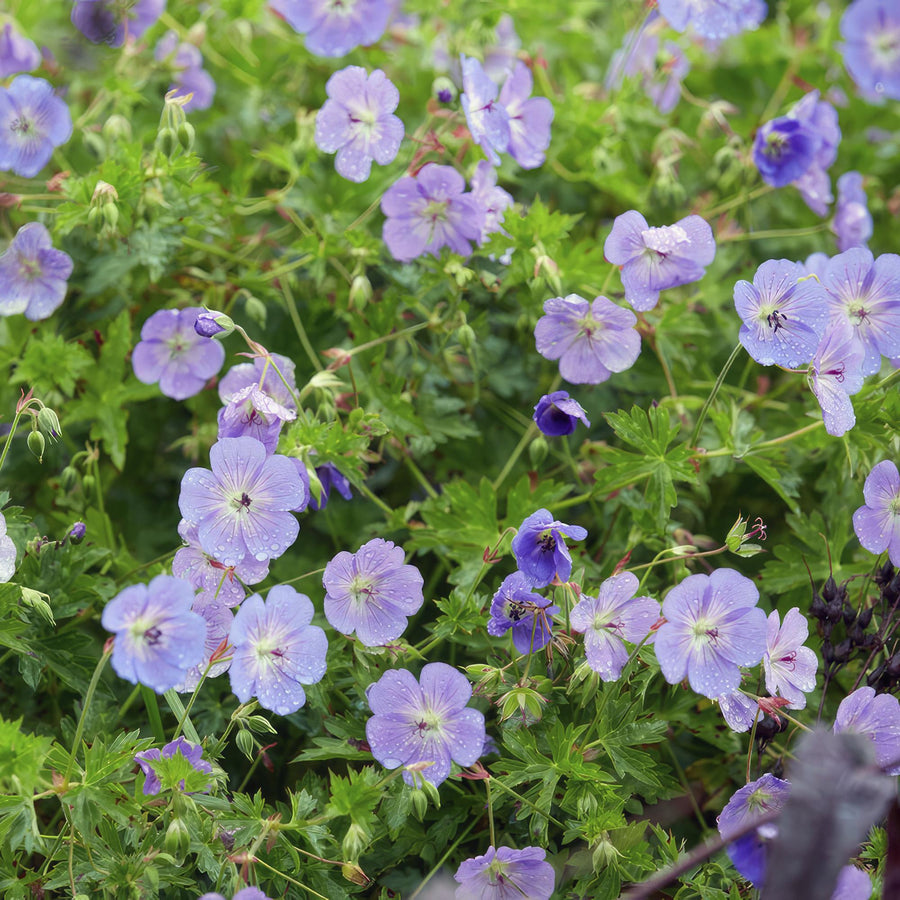
Eight groups of plants in this collection are listed by the RHS Plant Finder and PFAF as tolerating dry soil: periwinkle (Vinca), euonymus, cranesbill (Geranium macrorrhizum), thyme, lilyturf (Liriope muscari), lavender, blue fescue and fountain grass. "Tolerates" is the key word. These plants cope with dry spells once their roots are established; it does not mean they never need water.
| Plant | RHS hardiness | Soil and pH | Moisture | Good to know |
|---|---|---|---|---|
| Periwinkle (Vinca minor, Vinca major) | H6 (to about -15 °C) | Clay, sandy or loam; acid to alkaline | Dry to moist | Vinca minor is listed for exposed and sheltered sites |
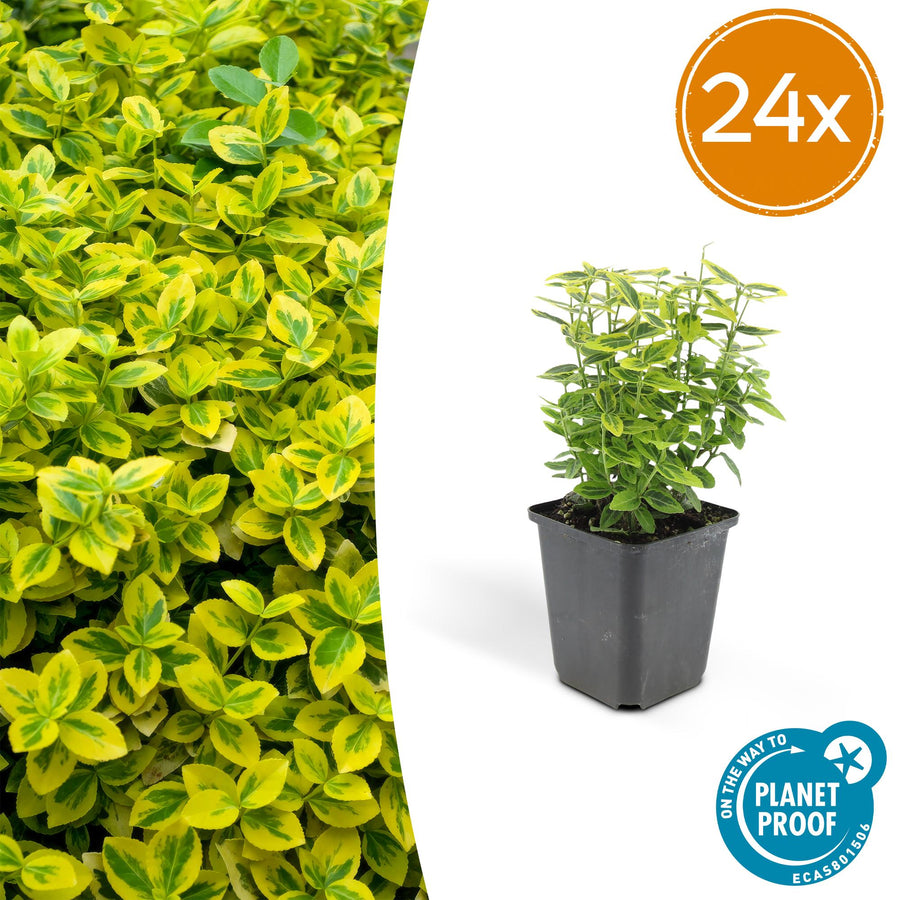
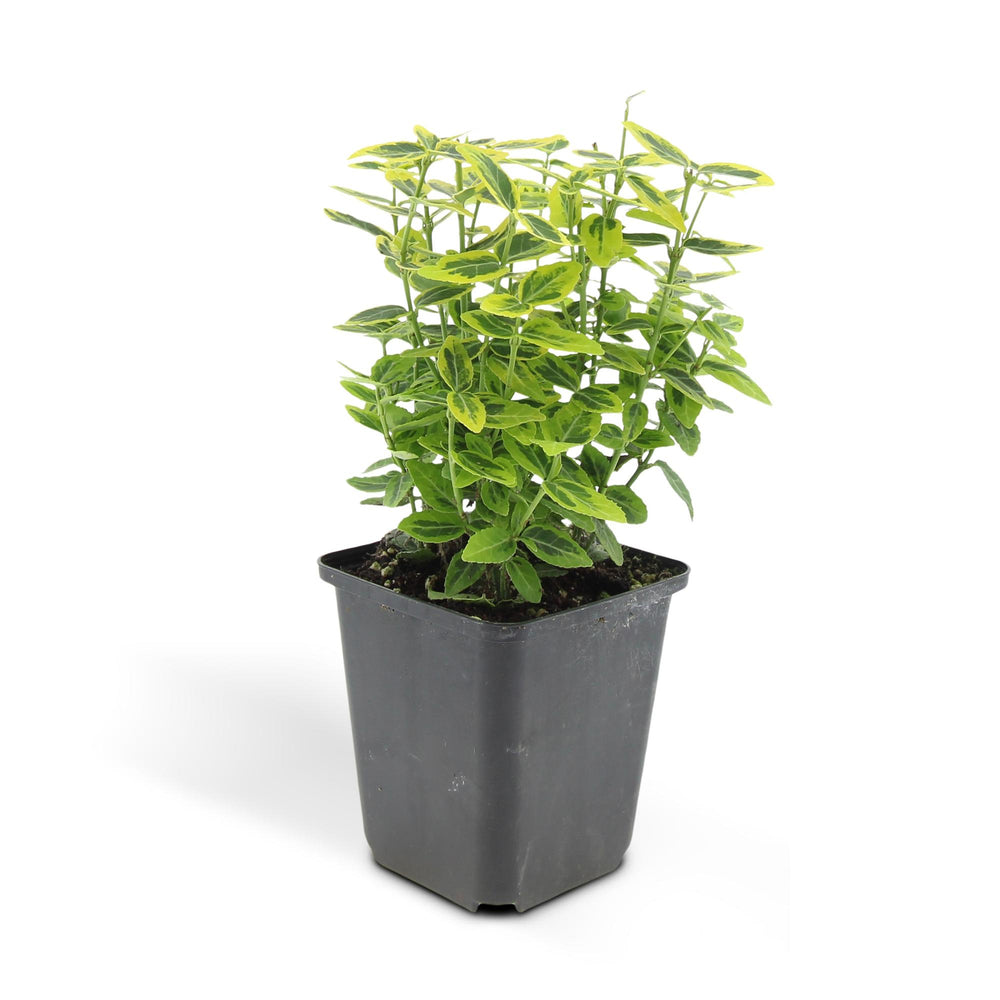
| Euonymus (Euonymus japonicus, E. fortunei) | H5 (to about -10 °C) | Clay, sandy or loam; acid to alkaline | Dry to moist | E. japonicus also tolerates coastal exposure |
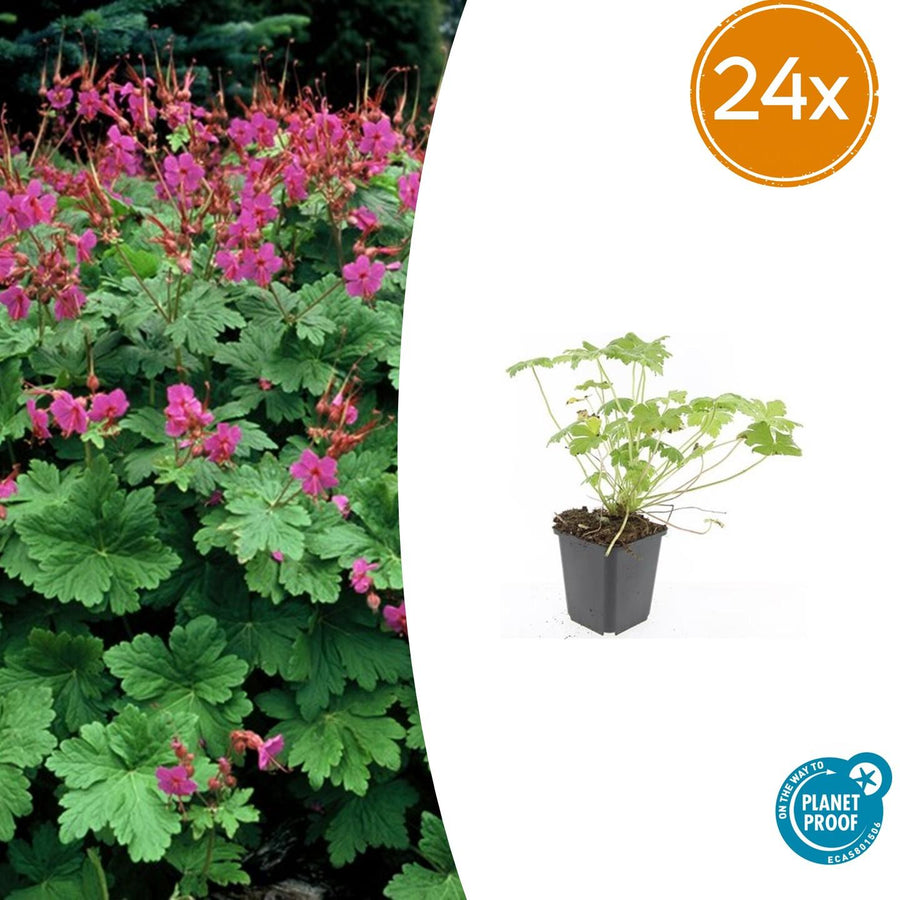
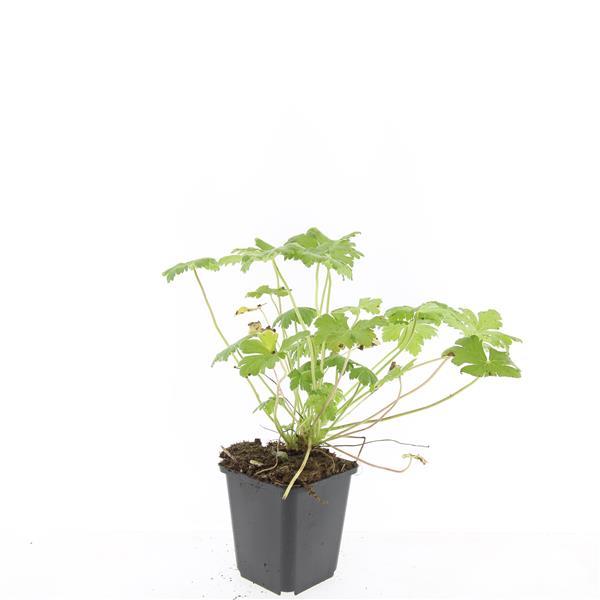
| Cranesbill (Geranium macrorrhizum) | H7 (to about -20 °C) | Clay, sandy or loam; neutral to alkaline | Dry to moist | Several named cultivars are available |
| Thyme (Thymus) | H4 to H5 (about -5 to -10 °C) | Sandy or loam; neutral to alkaline | Dry to moist | Includes serpyllum, praecox and vulgaris |
| Lilyturf (Liriope muscari) | H5 (to about -10 °C) | Sandy or loam; acid to neutral | Dry to moist | Listed for sheltered sites |
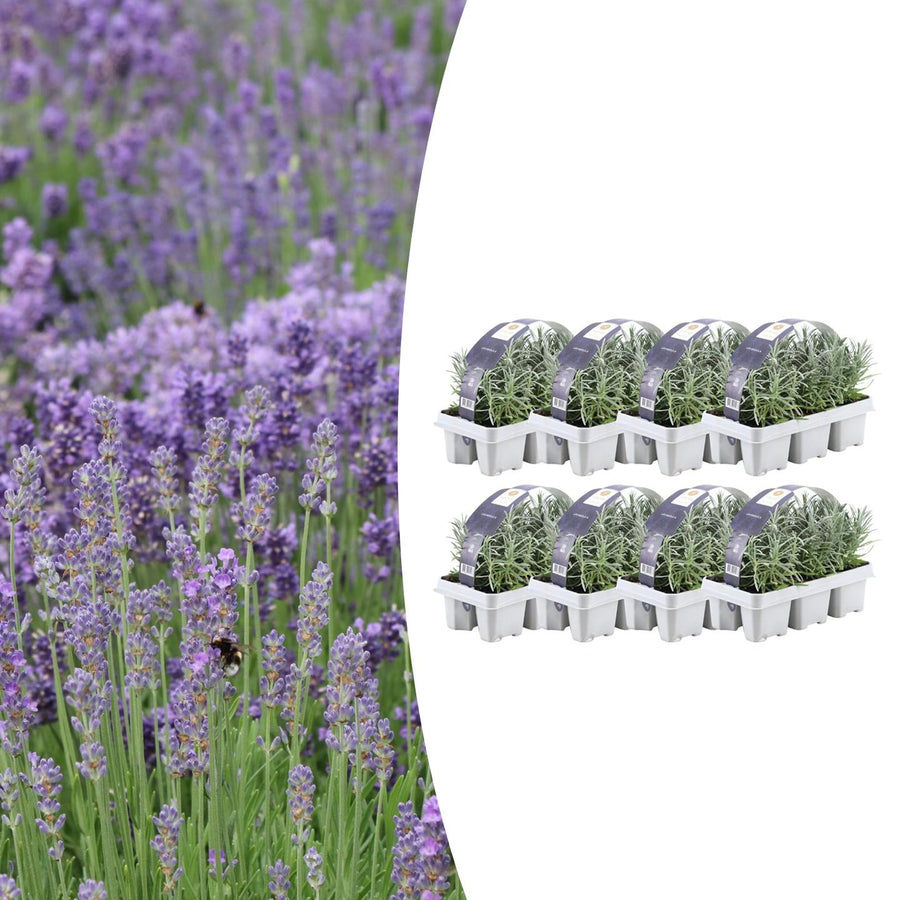
| Lavender (Lavandula angustifolia) | H5 (to about -10 °C) | Sandy, loam or chalky; acid to alkaline | Dry to moist | Also tolerates coastal exposure |
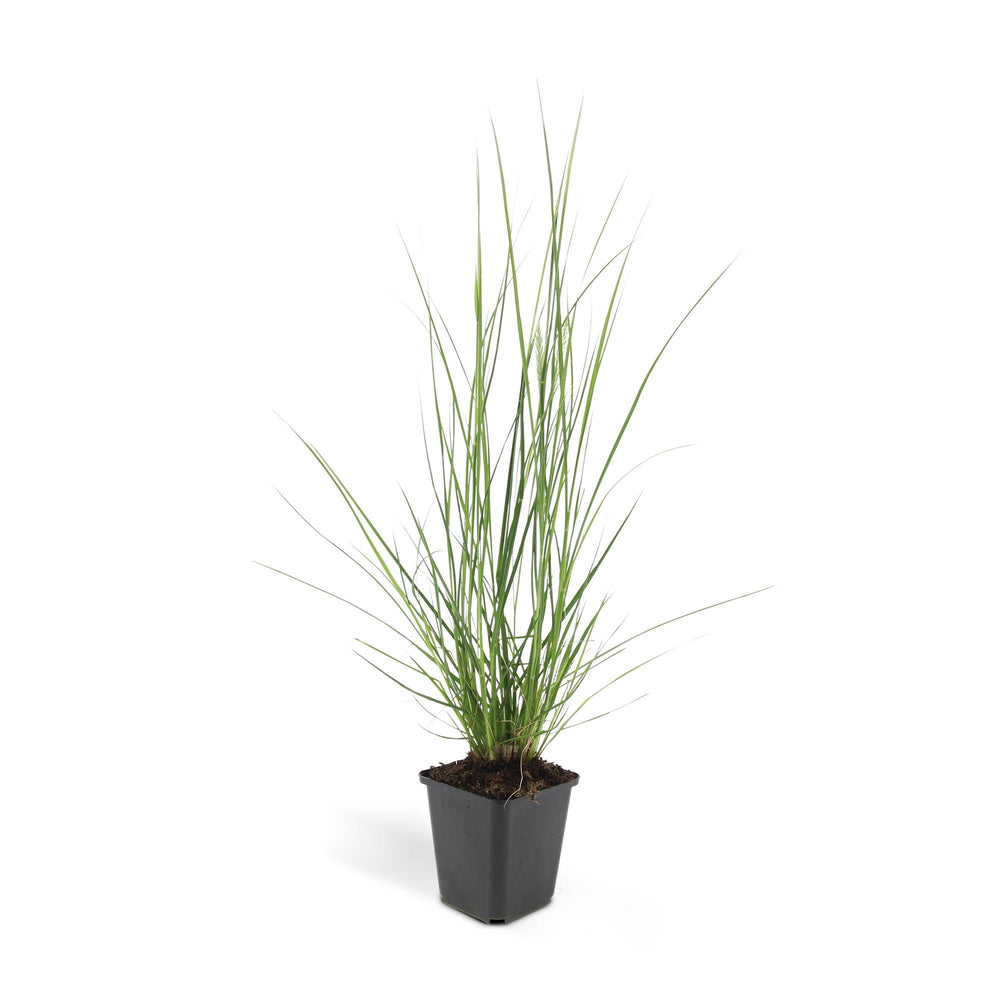
| Blue fescue (Festuca glauca) | H5 (to about -10 °C) | Sandy, loam or chalky; acid to alkaline | Dry to moist | Listed for exposed and sheltered sites |
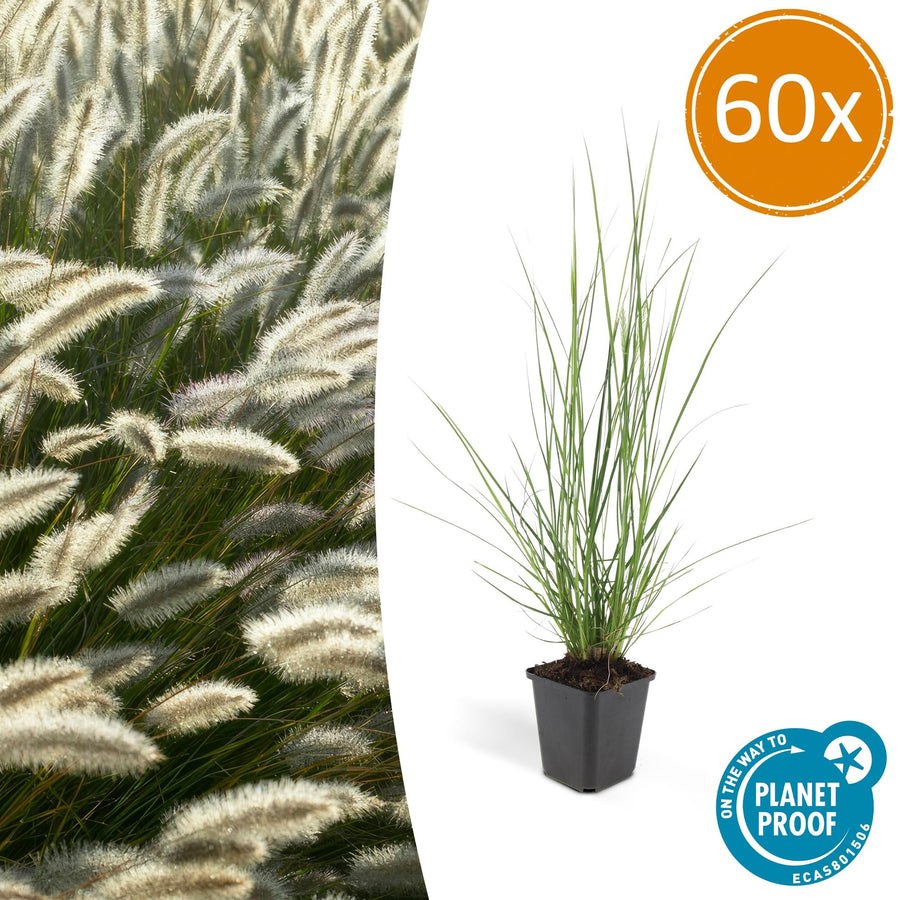
| Fountain grass (Pennisetum alopecuroides) | H3 (about 0 °C) | Sandy or loam; acid to alkaline | Dry to moist | Half-hardy: give shelter and winter protection |
Minimum temperatures are the warm end of each RHS band, so they err on the cautious side.
Why dry soil is a problem, and how to help it
The RHS describes sandy soils as light, quick to drain and low in nutrients, so they dry out fast and plant food washes through. Heavy clay can bake hard in summer. The RHS suggests choosing the right plant for the right place, adding garden compost to improve the soil, and mulching borders. A mulch layer of at least 5 cm (2 in), applied from late autumn to late winter, reduces water loss from the soil. Keep it clear of the stems of woody plants.
Watering new plants until they establish
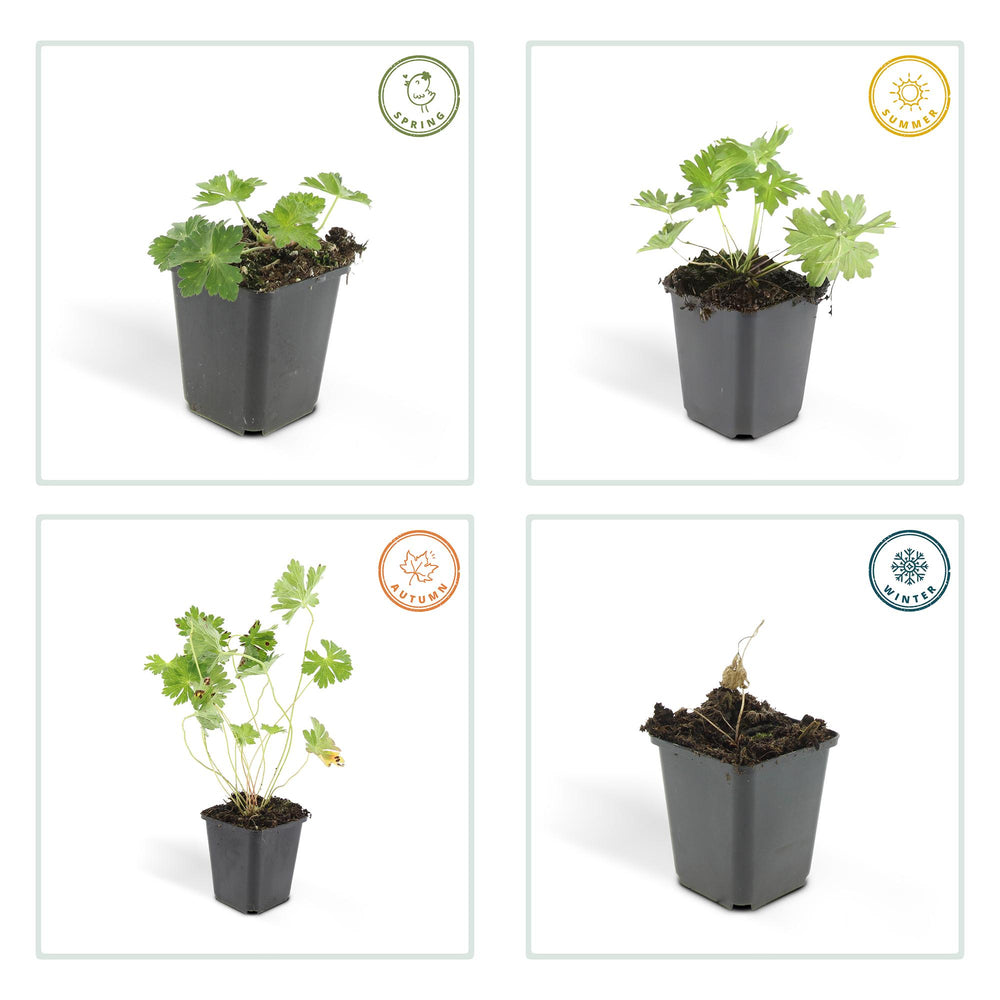
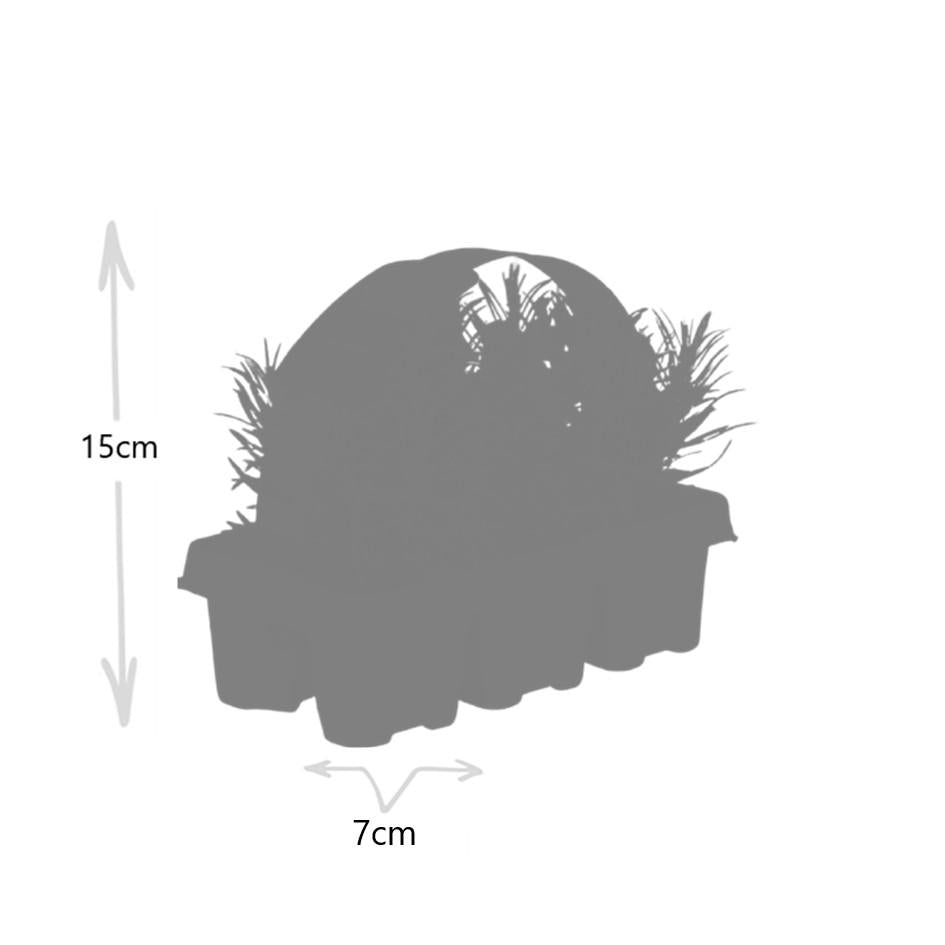
A drought-tolerant plant is only drought-tolerant once its roots have spread. Our plants are young plants in 7 to 9 cm pots, so they are small and shallow-rooted at first and need watering in dry weather through their first growing season. The RHS advises watering new shrubs in dry spells from spring to autumn in their first year, and perennials until the soil is moist to root depth. Water slowly and thoroughly, not on a fixed "once a week" routine, because the amount depends on weather, soil and plant size. After the first year, established perennials usually need no regular watering.
Planting and timing
- When: in Ireland, plant in autumn (October to November) or in spring (February to April).
- Where: match the plant to your soil using the table above, and give half-hardy plants such as fountain grass a sheltered spot.
What this list does and does not mean
Tolerates is not the same as thrives. A plant that tolerates dry soil can survive it, but may grow more slowly than in moister ground. The ratings on this page comes from the RHS Plant Finder and PFAF, checked October 2026, and ratings can vary with cultivar, rainfall and soil depth.
Frequently asked questions
Do drought-tolerant plants need watering?
Yes, while they are young. New plants have small root systems and need regular watering in dry weather during their first year. Once established, perennials usually need little or none, though a long dry spell can still stress them.
What is the best time to plant drought-tolerant plants in Ireland?
Autumn (October to November) and spring (February to April) both work well. Planting then gives roots time to establish before a dry summer.
Will these plants cope with very sandy soil?
The sources list sandy soil as suitable for each group in the table, but it drains quickly and holds few nutrients, so add garden compost and mulch. See our plants for sandy soil.
Can I grow these plants by the sea?
Euonymus japonicus and lavender are listed as tolerating coastal exposure. See our coastal garden plants.
Where can I read more about tough sites?
See our plants for exposed sites, or our guide to choosing and planting a hedge in Ireland.