

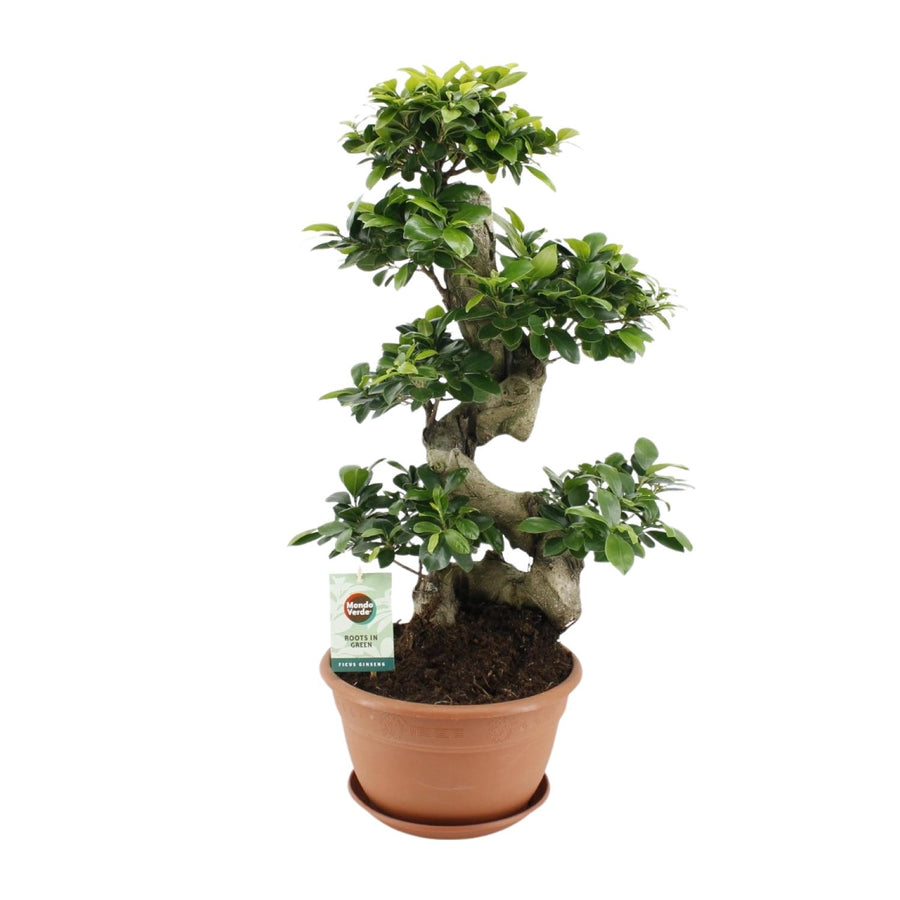
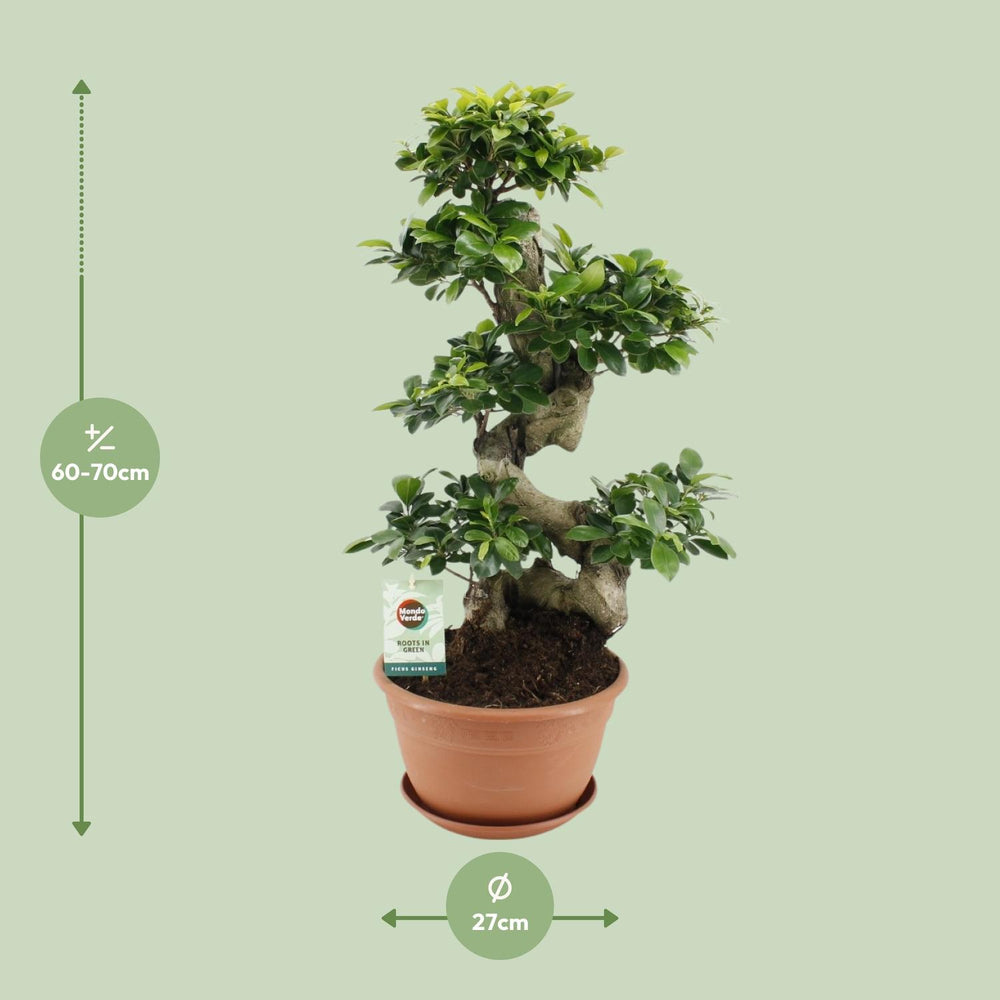


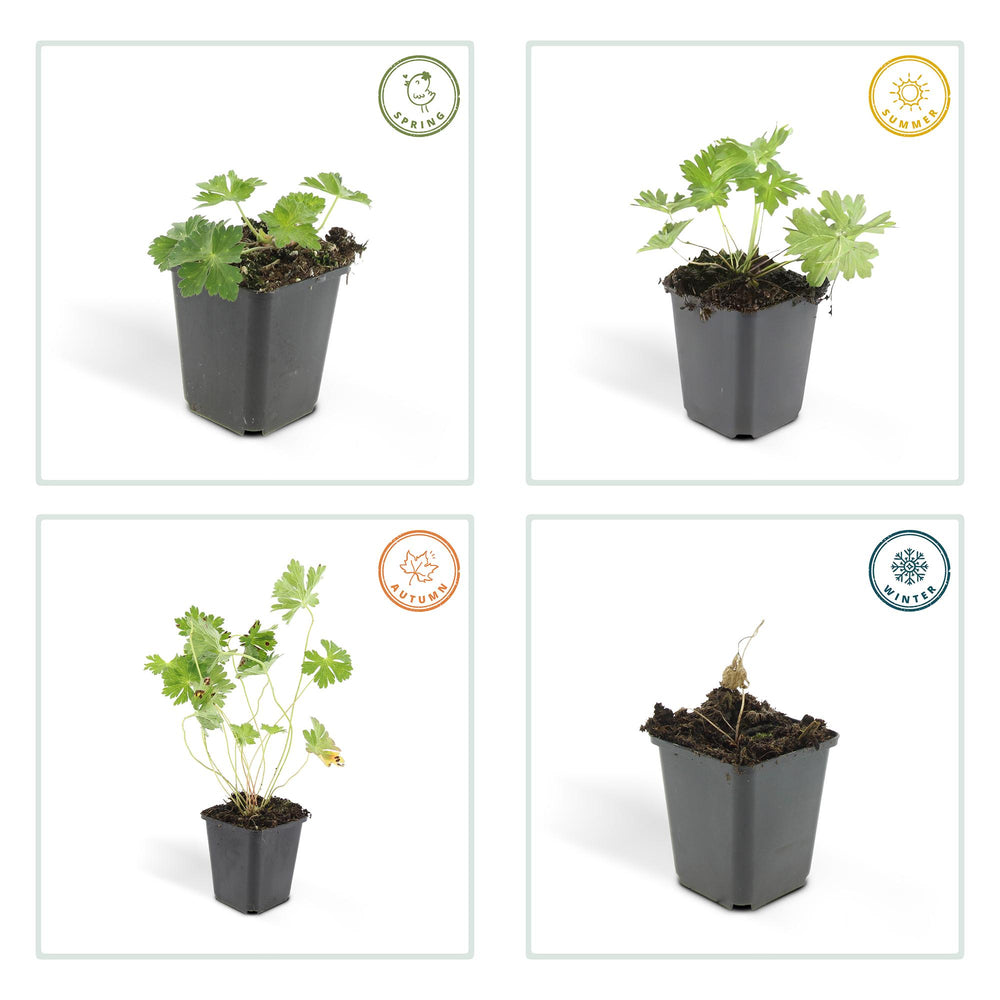
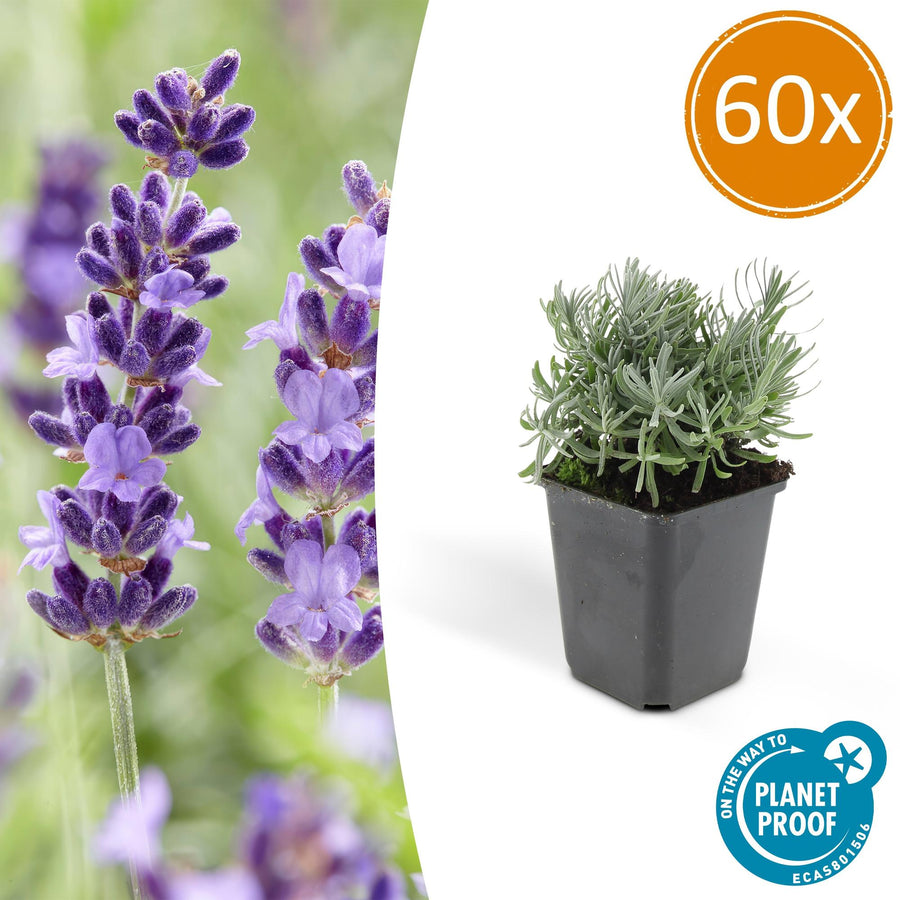
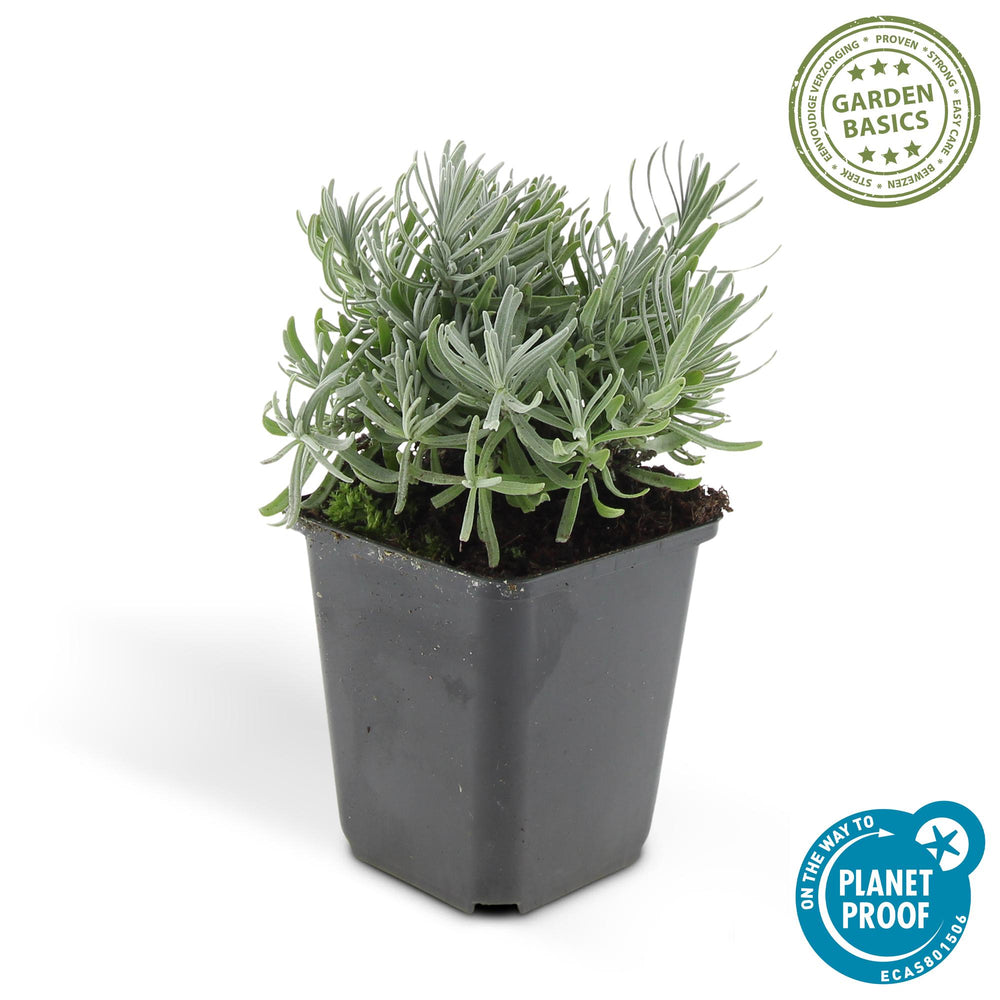
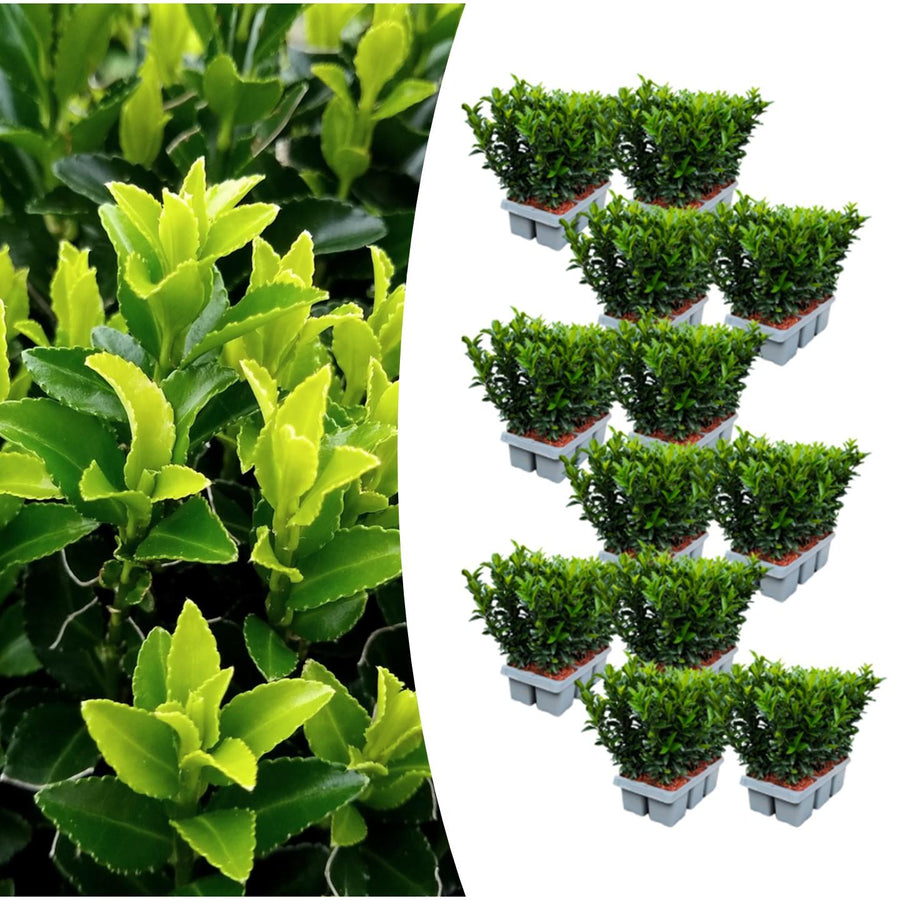
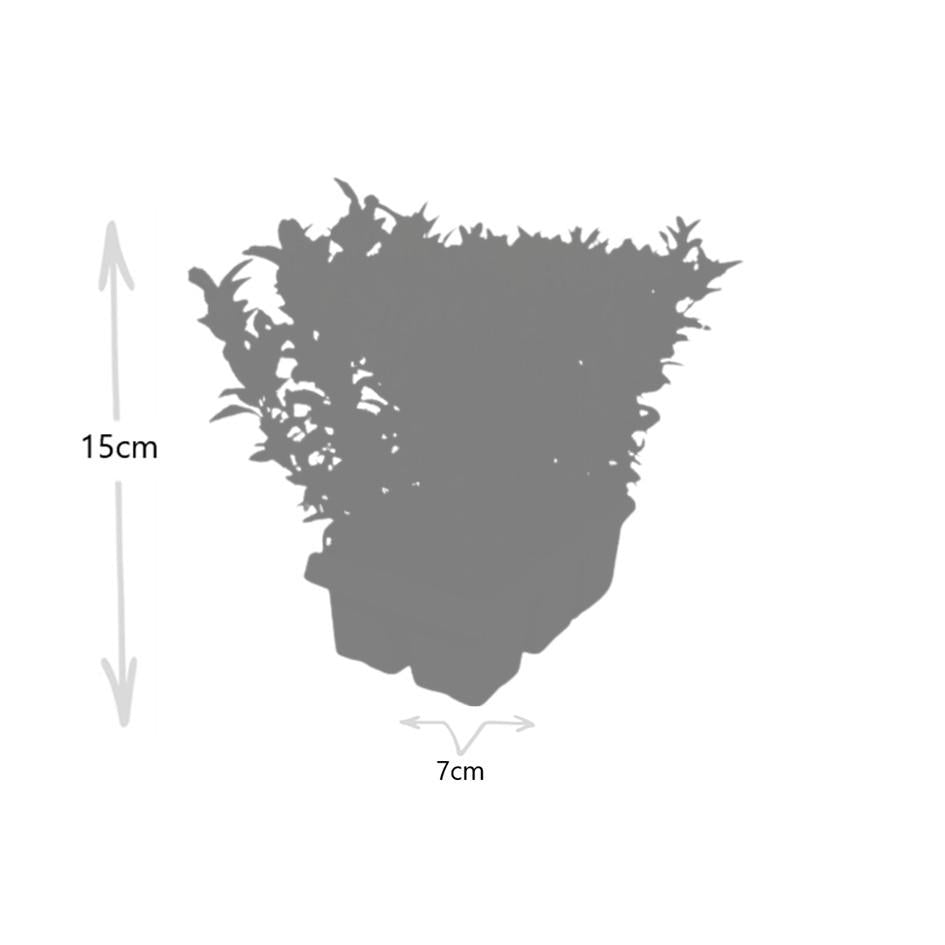
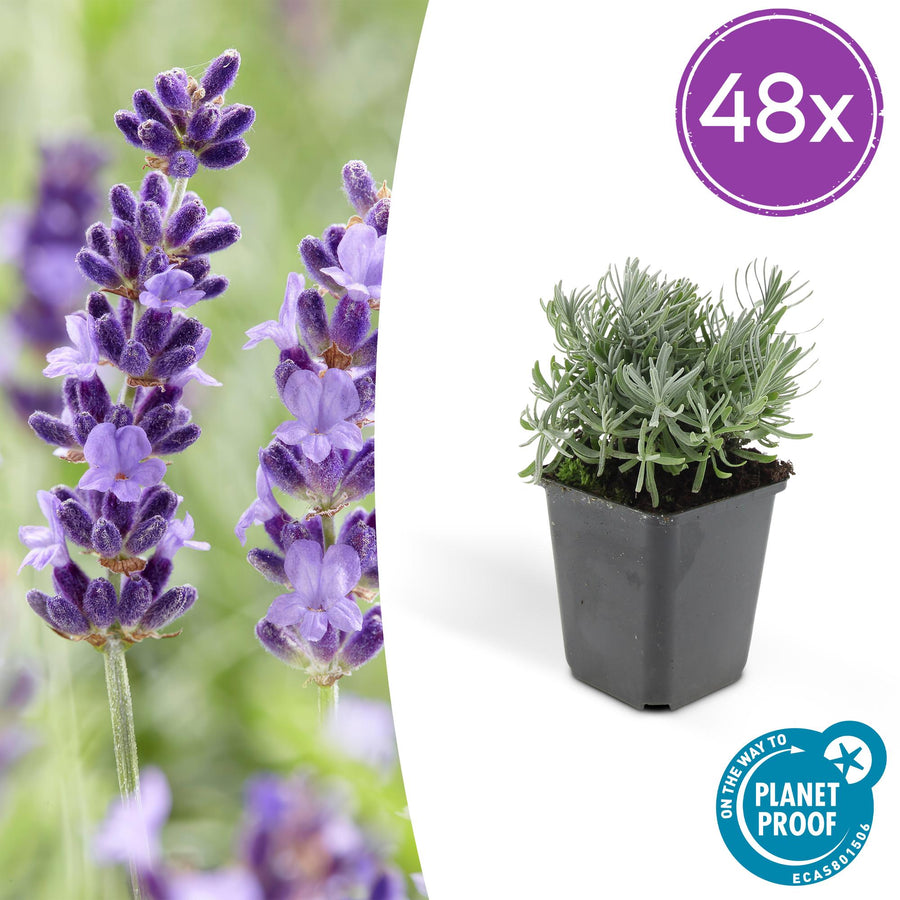
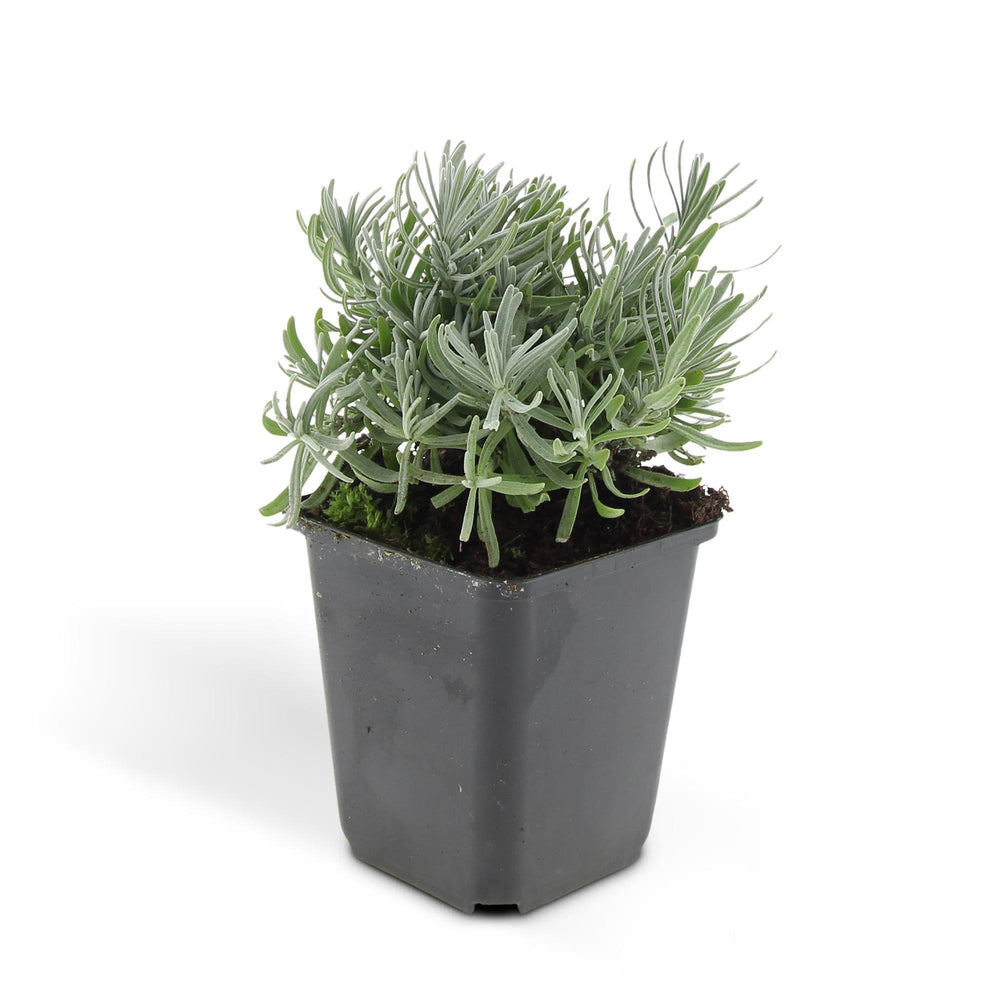
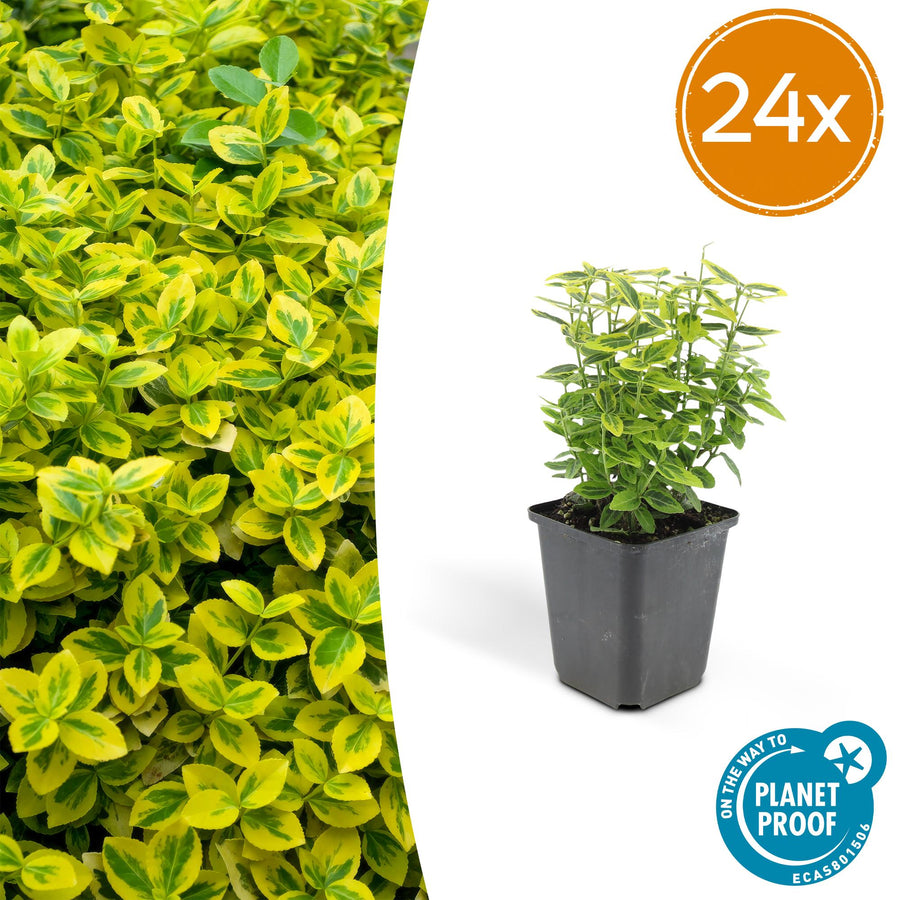
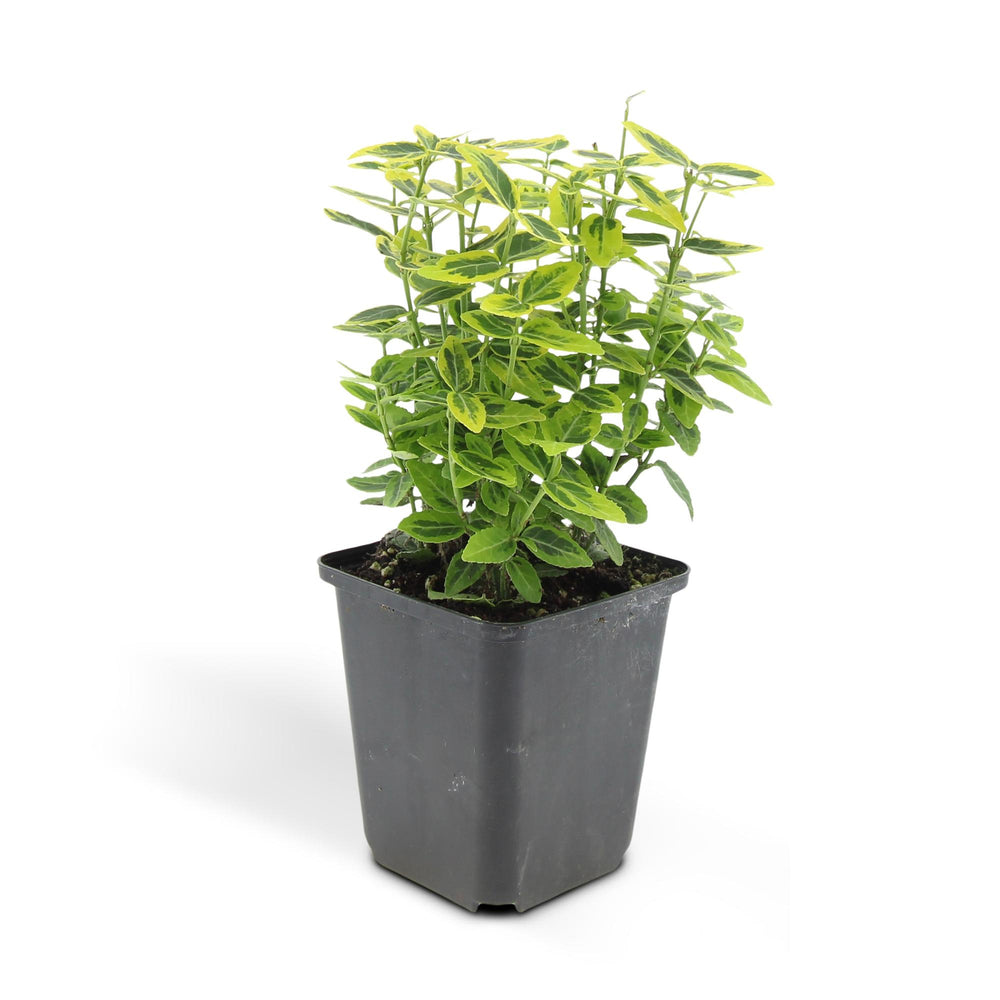
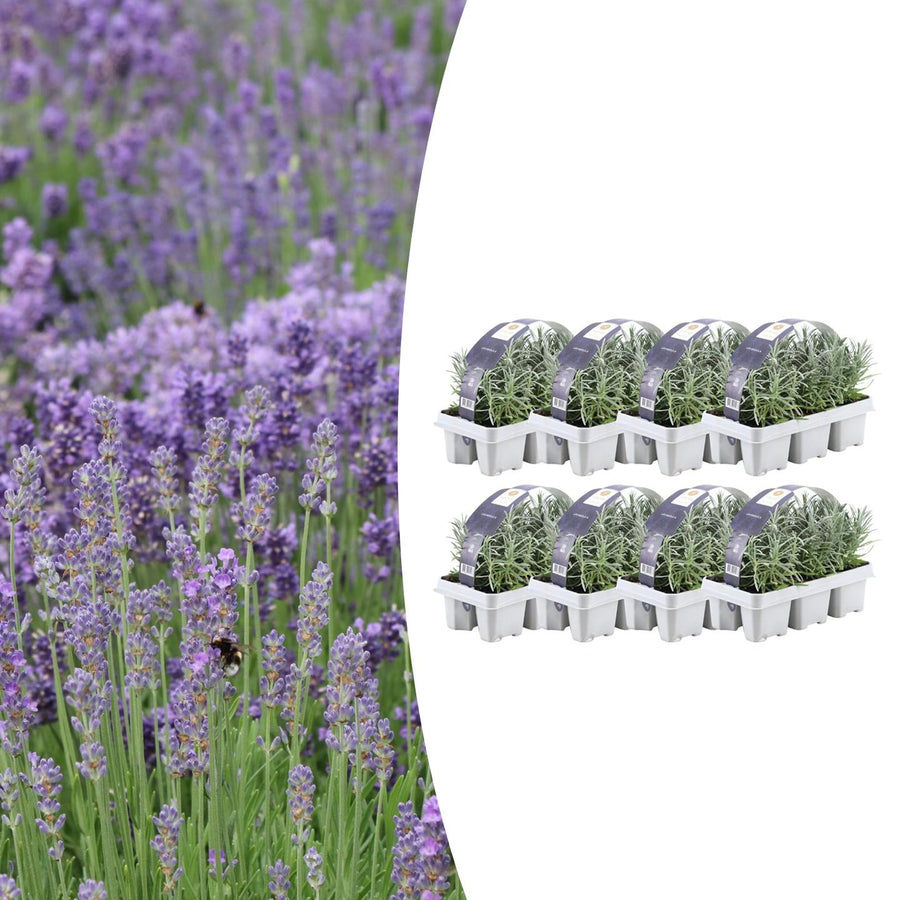
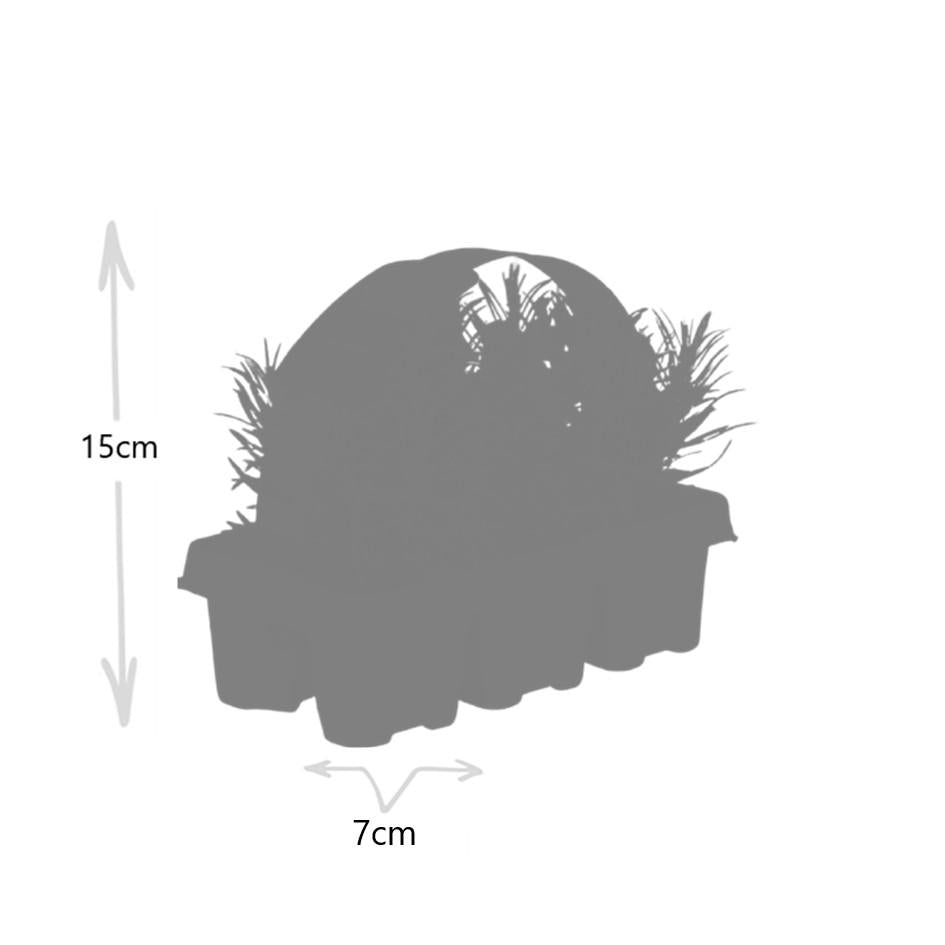
Periwinkle, Euonymus, hardy geraniums, lavender and thyme are among the plants that the RHS Plant Finder and PFAF list as suited to sandy soil. Light, free-draining ground suits many tough, low-maintenance plants, and these are young plants in 7 to 9 cm pots that settle in well in autumn or spring. Free tracked delivery to Ireland and 24 more EU countries.




















Which plants suit sandy soil?
Sandy soil drains fast and holds little water or food, so choose plants that tolerate dry to moist, free-draining ground: periwinkle, Japanese spindle and other Euonymus, hardy geraniums, lavender, thyme, Carex, bellflowers and lilyturf are all listed for sandy soil by the RHS Plant Finder and PFAF.
| Plant | RHS hardiness | Soil / pH or moisture | Good to know |
|---|---|---|---|
| Periwinkle (Vinca minor, Vinca major) | H6 (to about -15 °C) | Sandy, clay, loam or chalky; acid to alkaline; dry to moist | Evergreen groundcover; tolerates exposed and sheltered sites |
| Euonymus (Euonymus japonicus, Euonymus fortunei) | H5 (to about -10 °C) | Sandy, clay, loam or chalky; acid to alkaline; dry to moist | Japanese spindle is listed with high salt tolerance and coastal exposure |
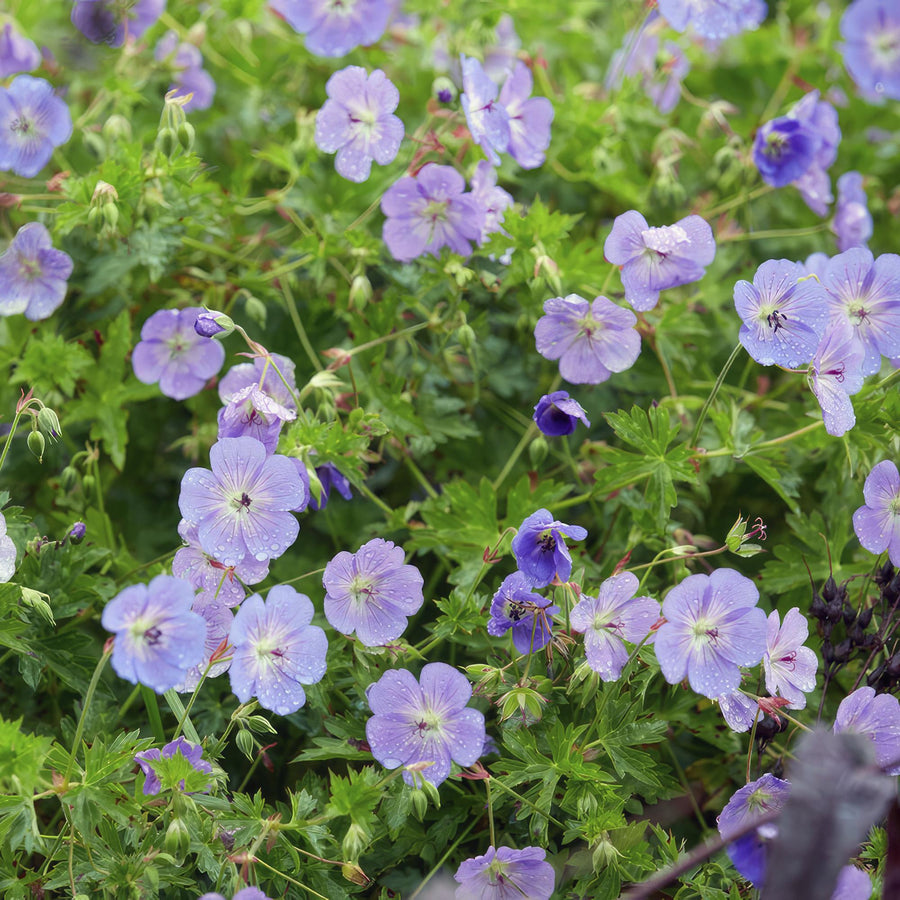
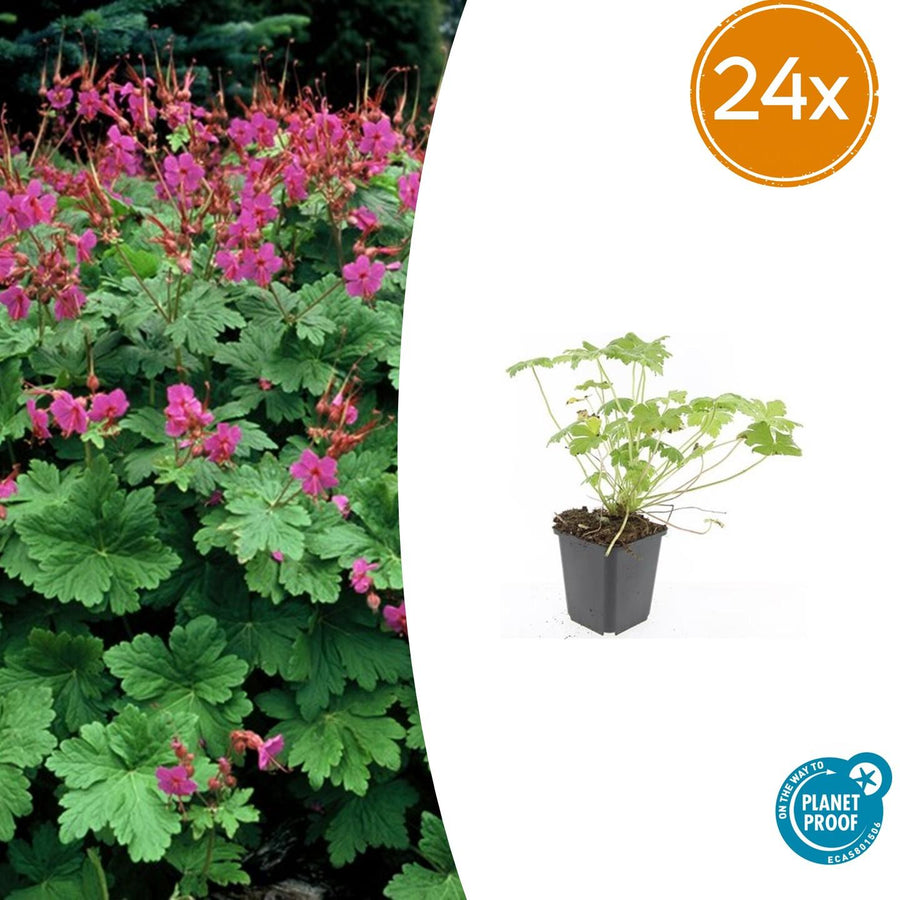
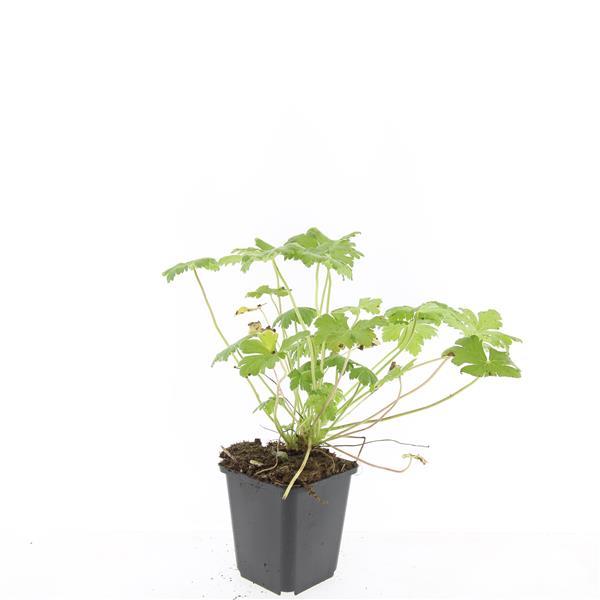
| Hardy geranium (Geranium 'Rozanne', Geranium macrorrhizum) | H7 (to about -20 °C) | Sandy, clay or loam; 'Rozanne' acid to alkaline, G. macrorrhizum neutral to alkaline | 'Rozanne' is listed for moist soil; G. macrorrhizum for dry to moist |
| Lavender (Lavandula angustifolia) | H5 (to about -10 °C) | Sandy, loam or chalky; dry to moist | Listed for coastal and sheltered sites; named cultivars lean neutral to alkaline |
| Thyme (Thymus serpyllum, Thymus vulgaris) | H4 to H5 (about -5 to -10 °C) | Sandy or loam; neutral to alkaline; dry to moist | Several are listed as suiting exposed sites |
| Japanese sedge (Carex morrowii) | H7 (to about -20 °C) | Sandy, clay, loam or chalky; acid to alkaline; moist | Listed for exposed and sheltered sites |
| Bellflower (Campanula poscharskyana, Campanula portenschlagiana) | H5 (to about -10 °C) | Sandy or loam; neutral to alkaline; moist | Low, spreading habit |
| Lilyturf (Liriope muscari) | H5 (to about -10 °C) | Sandy or loam; acid to neutral; dry to moist | Listed for sheltered sites |
Hardiness ratings and soil ranges come from the RHS Plant Finder and PFAF. Minimum temperatures are the warm end of each RHS band, so they err on the cautious side.
What sandy soil is like
The RHS describes sandy soils as light: they drain quickly, are easy to cultivate and warm up faster in spring than clay. The downsides are that they dry out quickly and are low in plant nutrients, which rain washes out. They are also often acidic.
Improving sandy soil before you plant
The RHS advises adding plenty of compost or other well-rotted material to bind loose sand into crumbs that hold more water and nutrients; fertiliser may also be needed. A mulch layer at least 5 cm thick helps the soil keep moisture and cuts down on watering. The RHS gives late autumn to late winter as the usual mulching time, or any time around new plantings. Gravel and grit also count as mulches.
Planting and watering
- Timing: in Ireland, plant in October to November or February to April.
- Watering: the RHS says light, sandy soils need a lot of watering. Water young plants well until they are established, even those listed as tolerating dry soil.
- Check the pH: sandy soil is often acidic, but thyme, lavender cultivars, bellflowers and Geranium macrorrhizum are listed for neutral to alkaline ground. On acid soil, choose plants listed for acid to alkaline conditions, such as periwinkle, Euonymus or Carex.
What this list does and does not mean
These plants are listed by the RHS Plant Finder and PFAF as tolerating sandy soil. Tolerates is not the same as thrives: a plant that tolerates sandy ground may still grow better with added compost, a mulch and regular watering in its first seasons. Several plants here are also listed for moist soil, so do not leave them to dry out completely. Data from RHS Plant Finder and PFAF, checked October 2026.
Frequently asked questions
What grows well in sandy soil in Ireland?
Periwinkle, Euonymus, hardy geraniums, lavender, thyme, Carex and bellflowers all list sandy soil. Most are rated H5 to H7 by the RHS.
Do I need to improve sandy soil before planting?
The RHS recommends adding plenty of compost or well-rotted material to improve water and nutrient holding, and mulching afterwards. It is not essential for each plant here, but it helps young plants establish.
Which hedging plants suit sandy soil?
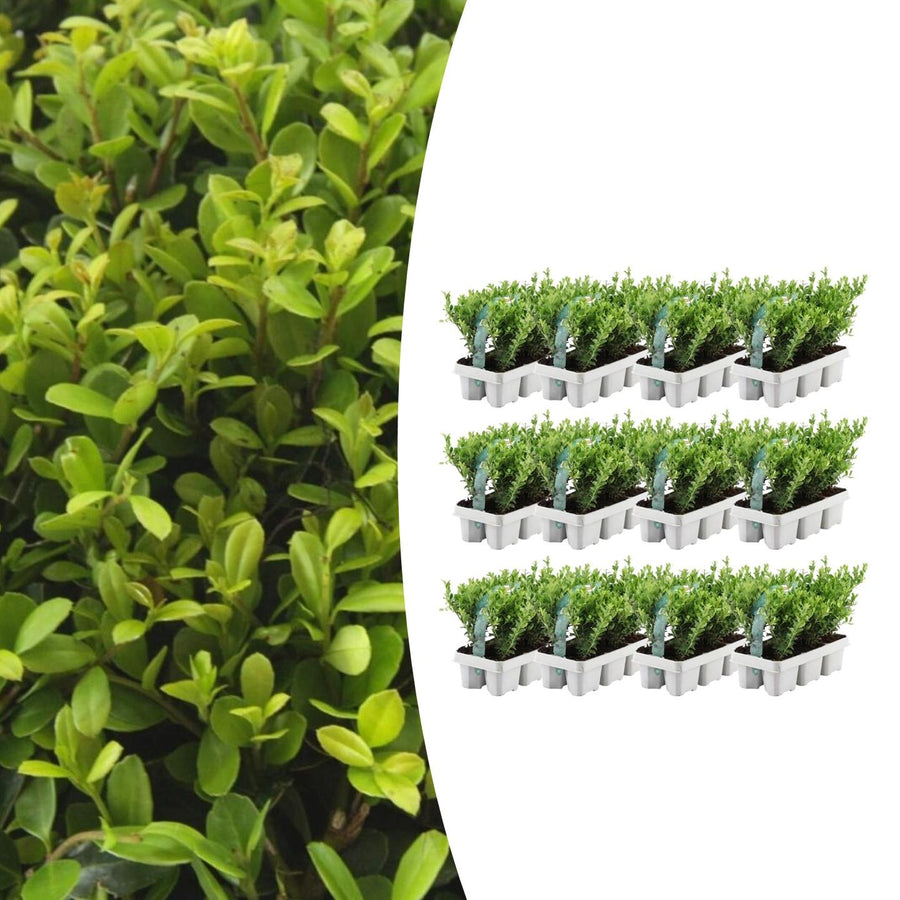
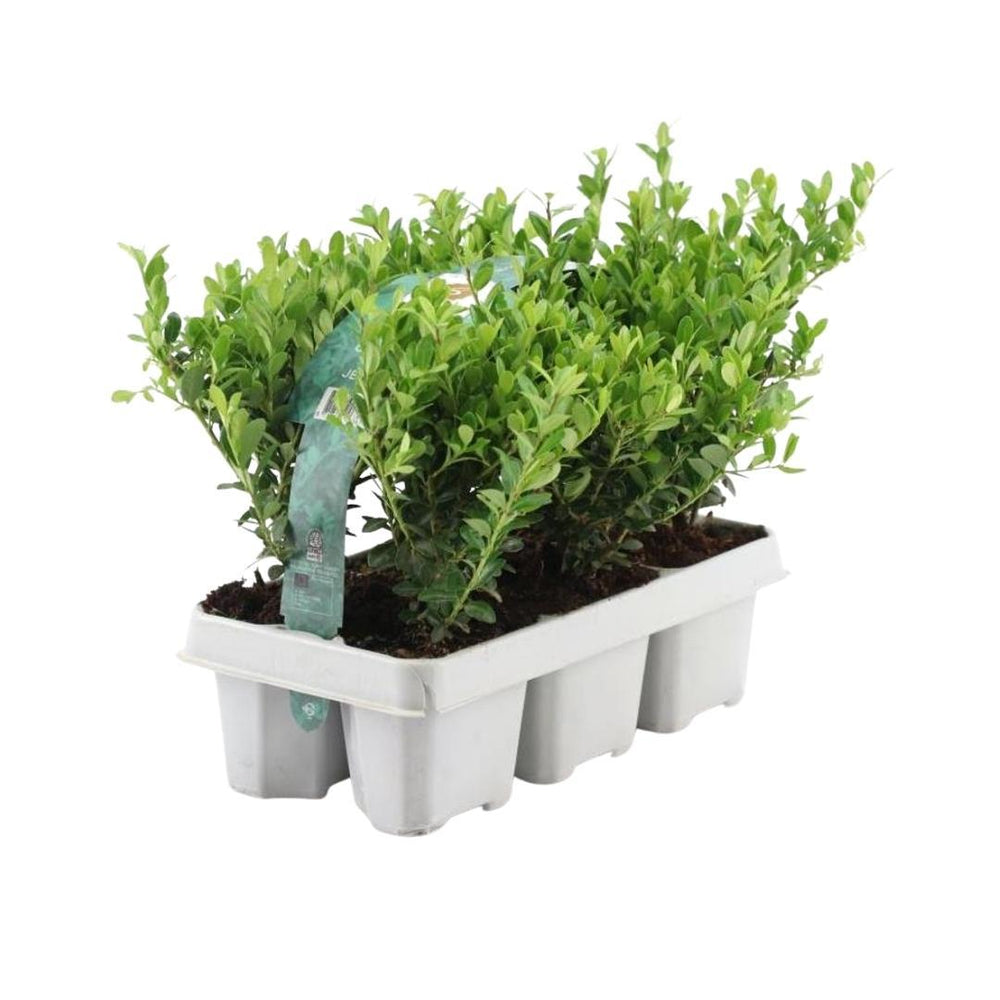
Japanese spindle (Euonymus japonicus) is listed for sandy soil, is rated H5 and is listed with high salt tolerance. Box (Buxus sempervirens) and Lonicera nitida 'Maigrün' are also listed for sandy soil, at H6. See our guide to choosing and planting a hedge in Ireland.
Is sandy soil acidic?
Often, according to the RHS, but not always. Test your soil with a simple kit, then match plants to the pH ranges in the table above.
Where can I find plants for other conditions?
Try our collections of drought-tolerant plants, coastal garden plants and acid soil plants.