



Best Plant Gifts for Plant Lovers in Ireland: A Collector's Guide
The best plant gifts for someone who already loves plants are genera they are unlikely to own yet: a patterned Alocasia such as 'Zebrina' or 'Regal Shield', a refined lady palm (Rhapis excelsa), a sculptural ponytail palm (Beaucarnea recurvata), a fishtail palm (Caryota mitis), or a large white bird of paradise (Strelitzia nicolai). This guide is for buying for enthusiasts and collectors. It explains what each plant needs, so you can be confident your gift is something new, not a duplicate they will struggle to keep alive.
Buying for a beginner or for a particular occasion instead? Our indoor plant gifts guide covers every type of recipient, and the plant gifts for every occasion index covers birthdays, housewarmings and more. If you want the gift itself to be the showpiece, whatever the recipient knows about plants, see our statement and specialty plant gifts guide.
How do you choose a plant gift for someone who already has lots of plants?
Choose a genus rather than a species they are missing, and match it to the light they have. Most plant lovers already own the common starter plants: a monstera, a pothos, a snake plant, perhaps a peace lily. What they rarely have is an Alocasia cultivar, a Rhapis or a Caryota, because these are harder to find in Irish garden centres.
- Look at their shelves first. Note which families they already grow. If there are three Calatheas, a different Calathea species will be welcome; if there are none, one of our palms is a safer bet.
- Know their light. A south- or west-facing living room can take a Strelitzia or Beaucarnea; a cooler, dimmer room suits a Rhapis or Kentia palm.
- Check for pets. Alocasia, Strelitzia and Ficus should be kept away from pets that chew leaves; Calathea, Rhapis and Beaucarnea are listed as non-toxic to cats and dogs by the ASPCA.
- Think about size. Enthusiasts often run out of floor space before they run out of enthusiasm. A 45cm Alocasia 'Polly' or a terrarium fits anywhere; a 130cm Strelitzia needs a corner.
Which Alocasia makes the best gift for a plant collector?
For a collector, Alocasia 'Zebrina' (zebra-striped stems) and 'Regal Shield' (huge, dark leaves) are the showpiece choices, while 'Polly' and 'Silver Dragon' are compact options for a shelf. Alocasia is a genus that many collectors seek out.
Alocasia (elephant ear) profile: native to tropical Asia and eastern Australia, Alocasias grow dramatic, arrow-shaped leaves. They need bright indirect light and evenly moist compost in summer, drier in winter. In an Irish home the key is warmth: keep them above 15°C and away from draughts from October to April, so no cold porches or windowsills next to single glazing. Alocasias should be kept away from pets that chew leaves. The genus suits an enthusiast because it rewards attention. Collectors enjoy watching each new leaf unfurl, and a plant that pauses in winter is normal, not a sign of failure.


For a deeper look at each cultivar, read the best Alocasia plants for Irish homes or browse the Alocasia collection.
Is a white bird of paradise or a fiddle-leaf fig a good gift for an experienced plant owner?
Yes. The white bird of paradise (Strelitzia nicolai) and the fiddle-leaf fig (Ficus lyrata) are ideal for experienced owners, because both reward a consistent routine and a well-chosen spot, which a beginner may not yet be able to give them.
Strelitzia nicolai: from the coastal forests of eastern South Africa, it produces huge, paddle-shaped leaves. It is the ultimate statement plant. It needs bright light, including some direct sun, and evenly moist compost in summer, drier in winter. In Ireland it needs a bright south- or west-facing room to thrive. Ficus lyrata: from western Africa, it has large, violin-shaped leaves and wants bright indirect light, with water when the top 5cm is dry on a steady routine. It dislikes draughts and being moved, which is exactly why it suits someone who already keeps plants and will find it a permanent spot. Both should be kept away from pets that chew leaves.


Care details: our Strelitzia care guide and Ficus guide for Irish homes.
Which Calathea varieties do plant enthusiasts want?
Enthusiasts who already have a common prayer plant will appreciate a larger or more unusual Calathea: the round, silver-striped Calathea orbifolia, the Calathea warscewiczii, or the wavy-edged rattlesnake plant (Calathea lancifolia). All are listed as non-toxic to cats and dogs by the ASPCA.
Calathea profile: from the tropical Americas, Calatheas are grown for their painted, patterned leaves that fold up at night. They want medium indirect light with no direct sun, and evenly moist compost, ideally watered with rain or filtered water. In Ireland, a bathroom or kitchen gives them the humidity they love, and rainwater is easy to collect. They are a good test of an enthusiast's skill: crisp leaf edges show when the air is too dry, which is useful feedback for someone who likes to fine-tune their care.


Humidity-loving plants are grouped in our bathroom plants guide.
Which unusual palms make good gifts for plant lovers?
The lady palm (Rhapis excelsa), the round-leaf fountain palm (Livistona rotundifolia) and the fishtail palm (Caryota mitis) are three palms most collections lack, and each has a leaf shape unlike the common areca or parlour palm.
Rhapis excelsa: from southern China and Taiwan, a refined, slow-growing statement palm with fan-shaped leaves on bamboo-like canes. It takes medium to bright indirect light and evenly moist compost that is never waterlogged, tolerates cooler rooms well, and is listed as non-toxic to cats and dogs by the ASPCA. That combination makes it the best palm gift for an Irish enthusiast with pets. Livistona rotundifolia: from Malaysia, Indonesia and the Philippines, it has glossy, circular fan leaves. It needs bright indirect light, water when the top layer dries, and the brightest indoor spot you have in winter. Caryota mitis: from Southeast Asia, it has unusual leaflets shaped like a fish's tail. It needs bright indirect light and evenly moist compost in summer. Keep it away from cold draughts and front doors in winter.


See the full palm plants collection.
What is a good unusual plant for a collector who travels or is often away?
The ponytail palm (Beaucarnea recurvata) is the answer: a quirky, sculptural plant that stores water in its swollen base and needs almost no attention, so it survives a fortnight's holiday without a plant-sitter.
Despite its name it is not a true palm. It comes from eastern Mexico and needs bright light, including some direct sun, so a sunny windowsill suits it. Water sparingly, every 2–4 weeks. It is almost impossible to kill through neglect, and it is listed as non-toxic to cats and dogs by the ASPCA. For a collector whose home is already full of thirsty tropicals, it adds a completely different shape to the collection.

Are terrariums and bonsai good gifts for plant lovers?
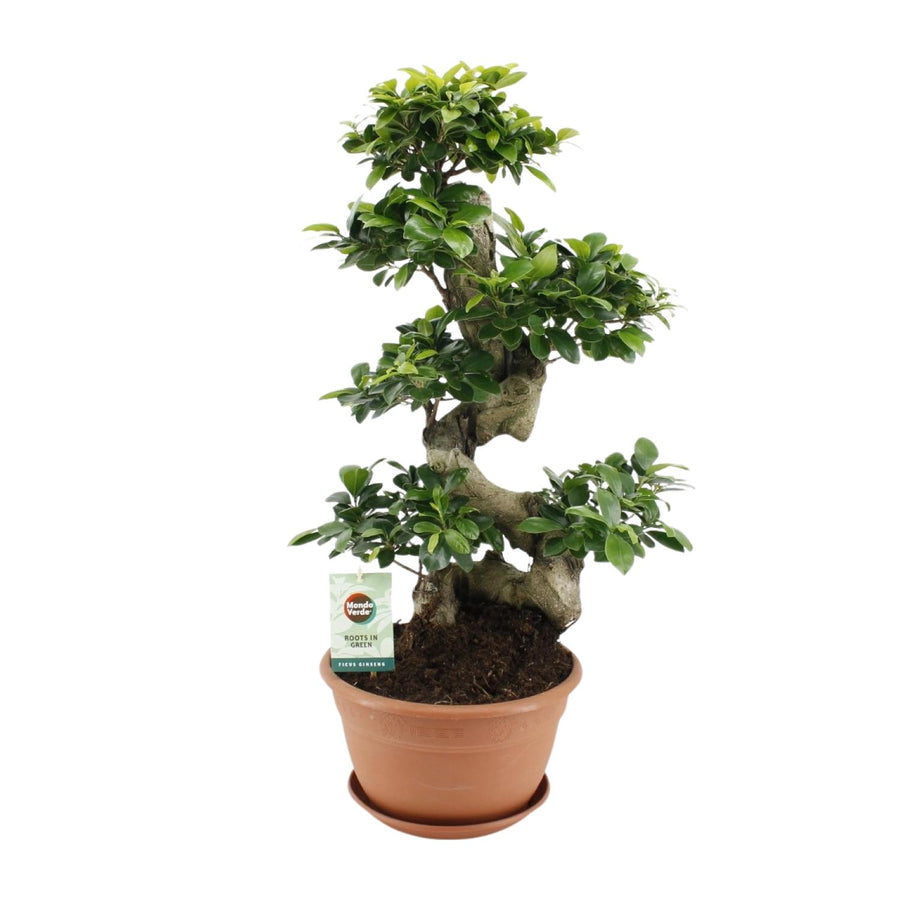
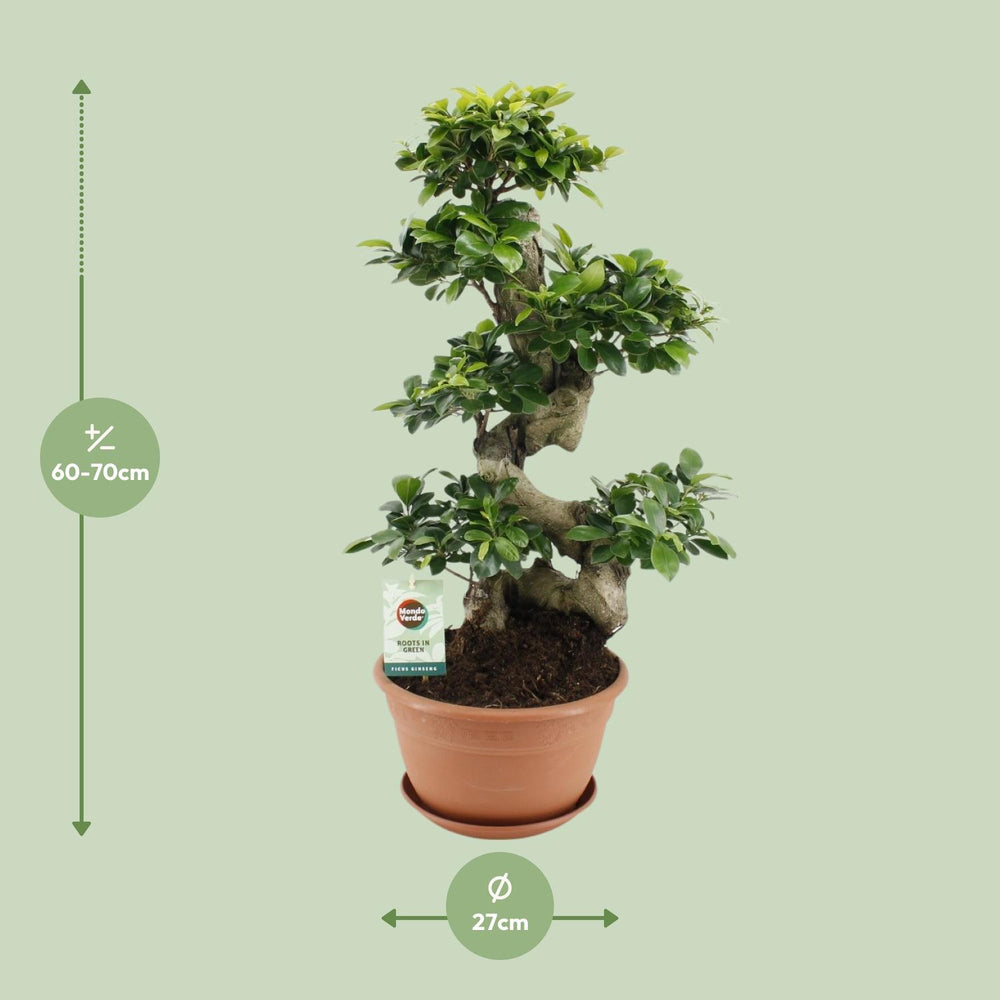
Yes. A terrarium or a ginseng fig bonsai (Ficus microcarpa) gives an enthusiast a new technique to master rather than just another pot on the windowsill.
Terrariums are usually built around the nerve plant (Fittonia), from Peru and neighbouring South America. Its vivid veined leaves thrive in the humidity held inside glass, and it is listed as non-toxic to cats and dogs by the ASPCA. A kit with its own light frees the terrarium from the windowsill, which is useful in a dim Irish winter. The ginseng fig is the classic beginner bonsai: Ficus from South and Southeast Asia, happy in bright indirect light with water when the top layer is dry. It may drop leaves after a move, then settles within a few weeks. Ficus should be kept away from pets that chew leaves. For moss-ball plants, see our kokedama guide.


Browse more in terrariums and glass ecosystems.
How do these plant-lover gifts compare?
Use this table to match a gift to the recipient's light, routine and pets.
| Plant | Latin name | Light | Watering | Pet-safe? | Best for |
|---|---|---|---|---|---|
| Alocasia 'Zebrina' | Alocasia | Bright indirect | Moist in summer, drier in winter | No — keep from chewing pets | The collector with a warm, bright room |
| White bird of paradise | Strelitzia nicolai | Bright, some direct sun | Moist in summer, drier in winter | No — keep from chewing pets | South- or west-facing homes with space |
| Fiddle-leaf fig | Ficus lyrata | Bright indirect | When top 5cm is dry | No — keep from chewing pets | A confident owner with a fixed spot |
| Calathea orbifolia | Calathea | Medium indirect | Evenly moist, rain or filtered water | Yes (ASPCA non-toxic) | Pattern lovers; homes with pets |
| Lady palm | Rhapis excelsa | Medium to bright indirect | Evenly moist, never waterlogged | Yes (ASPCA non-toxic) | Cooler rooms; pet owners |
| Round-leaf fountain palm | Livistona rotundifolia | Bright indirect | When top layer dries | Not verified | A palm collector with a bright room |
| Fishtail palm | Caryota mitis | Bright indirect | Evenly moist in summer | Not verified | Someone who wants an unusual leaf shape |
| Ponytail palm | Beaucarnea recurvata | Bright, some direct sun | Every 2–4 weeks | Yes (ASPCA non-toxic) | Collectors who travel |
| Terrarium with light | Fittonia + bonsai | Built-in light | Keep moist (Fittonia) | Check contents | Hands-on hobbyists |
| Ginseng fig bonsai | Ficus microcarpa | Bright indirect | When top layer is dry | No — keep from chewing pets | Someone ready to try bonsai |
How does the gift arrive?
Every plant here ships with free tracked delivery to Ireland and 24 more EU countries (25 in total). Delivery takes 5–8 working days, and delivery times can vary, so order at least two weeks before a birthday or other date. A handwritten gift message is available on selected gift plants — you'll see the option on the product page. Our healthy-arrival guarantee means plants that arrive damaged, diseased or in poor condition are replaced or refunded. Browse all plant gifts or the potted plant gifts ready to send.
Leave a comment